
Reviewed · COMMUNIST ERA HISTORY TOURS
Budapest: Communist History with a local guide
Communism leaves fingerprints on Budapest. This tour connects the city’s big landmarks to the human stories of 20th-century Hungary, guided by a local who knows how it felt from the inside. You walk past the places where messages were staged and memory was managed, then you end with time at the House of Terror for a deeper look.
Two things I really like: you get street-level storytelling at major sites, not just facts on plaques, and you also get a structured way to see the 1956 revolution theme through an included exhibit and memorial stops. The one tradeoff is that the subject matter is heavy, and the pace includes walking and a tram ride, so plan for an emotionally intense couple of hours.
If you want a Budapest tour that explains why the past still shows up in architecture and public space, this one helps. I also like that it starts at St. Stephen’s Basilica and builds toward bigger political landmarks in a logical route. Still, if you hate walking in rain or don’t want any self-guided museum time, this might feel like a lot of shifting gears.
In This Review
- Key highlights at a glance
- What This Communist History Walk Really Shows You
- Starting at St. Stephen’s Basilica and Oktober 6 Street Stories
- Liberty Square Soviet Memorial, Statues, and the Message vs Reality Lesson
- Kossuth Lajos Square, Parliament Area, and the 1956 Revolution Drama
- Olympic Park and the Nagy Imre Memorial: Sports and Heroes Under Politics
- The Tour’s In-Between Stops, Photo Moments, and Quick Local Detours
- Margaret Bridge, Tram Ride, and a Short Wine Tasting Break
- House of Terror: Self-Guided Time and Why It’s Worth Your Attention
- Price and Logistics: Is $56 Good Value for This Tour?
- Who This Tour Fits Best (and Who Might Prefer Something Else)
- Should You Book This Budapest Communist History Tour?
- FAQ
- How long is the Budapest Communist History tour?
- Where does the tour start?
- What is the tour end point?
- Is there a tram ride during the tour?
- How much walking is involved?
- Is the tour conducted in English?
- Is House of Terror included?
- What is included in the 1956 revolution visit?
- Is wine tasting included?
- What should I bring if the weather is bad?
- Is hotel pickup included?
Key highlights at a glance
- A licensed English guide who uses personal family memories to explain Communist-era daily life
- Liberty Square Soviet Memorial with a clear focus on how the Cold War era ended
- 1956 Revolution memorial stops tied to Parliament-area drama and remembrance
- Margaret Bridge includes a short wine tasting break
- House of Terror time is self-guided, giving you control of how long you stay inside
What This Communist History Walk Really Shows You
This isn’t a quick “see the monuments” loop. It’s a guided walk built around how power worked in public. You’ll hear the contrast between propaganda meant to impress, and reality felt by regular people.
The tour also gives you a rare advantage in Budapest. Instead of treating Communism like a distant topic, your guide brings it back to street corners, squares, and familiar landmarks you might otherwise treat as just scenery. If you’ve ever wondered why certain buildings feel more political than historical, this tour answers that, with examples you can point to.
And because you finish with time at the House of Terror, you get a chance to slow down for the details, instead of rushing through everything while the guide talks.
Starting at St. Stephen’s Basilica and Oktober 6 Street Stories
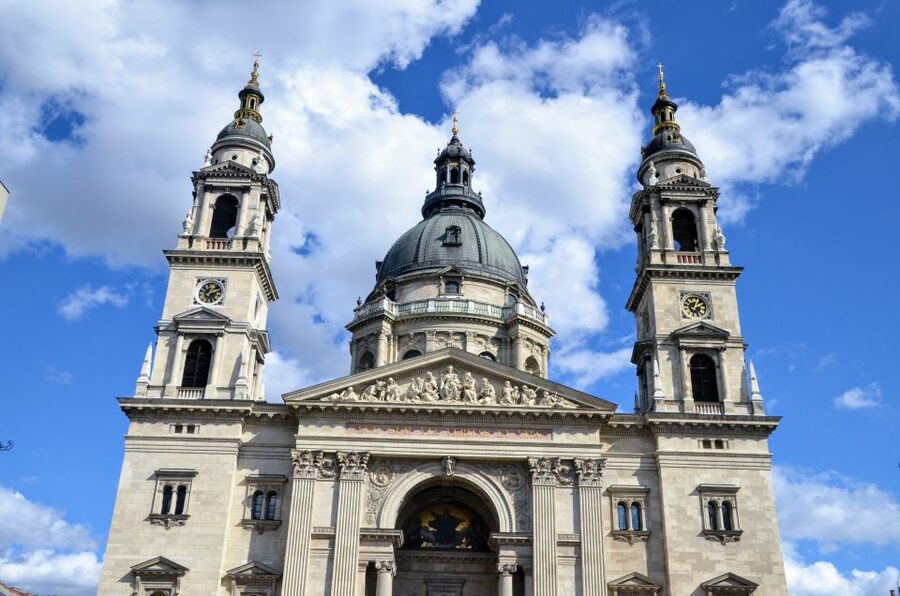
The experience begins at St. Stephen’s Basilica, right in front of the entrance where your guide will be waiting with a sign. That matters, because it puts you in the right “orientation zone” fast. You’re not hunting for a meeting spot, and you start with a landmark that helps anchor the walk.
From there, you head along Október 6. Street for stories that mix everyday life with the Communist-era mood. You’ll hear so-called gastro-stories, which is a smart way to connect politics to what people actually dealt with. Food culture is one of those topics that makes history feel less abstract, especially when your guide connects it back to ordinary routines.
This first part is also where you get your bearings for the rest of the tour. Expect a guided introduction, then a quick transition into the squares and political symbolism that show up later.
Practical note: wear shoes you can move in. Even early on, you’re already doing a guided walk, not just standing around.
Further tours of Hungary’s state-socialist years:
- Budapest: Communist History Tour with House of Terror Option
★ 4.8 · 182 reviews - Communism in Hungary with a Historian
★ 5.0 · 70 reviews - Budapest: 3-Hour Walking Tour About Communism (Small Group)
★ 4.7 · 70 reviews
Liberty Square Soviet Memorial, Statues, and the Message vs Reality Lesson
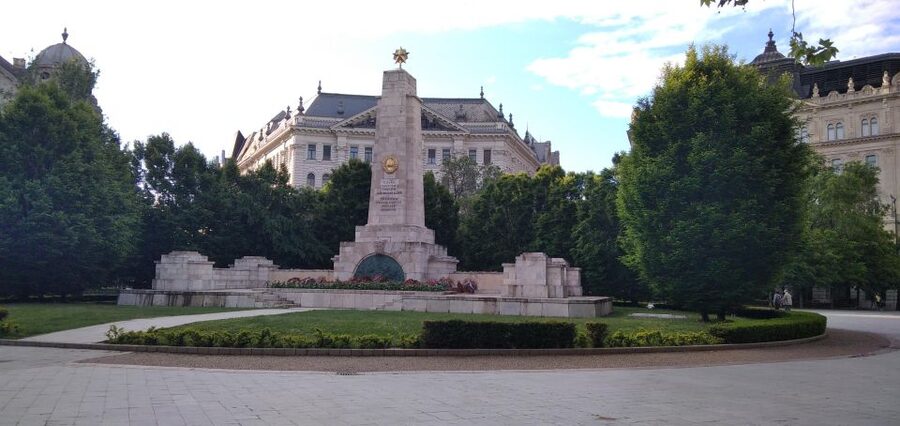
Szabadság Square (Liberty Square) is the centerpiece for understanding how public space can carry political meaning. This is where you’ll spend about an hour moving through the area and absorbing the story of the Soviet-era presence, including how the wall came down, and what that shift meant.
One of the most useful parts here is the tour’s focus on propaganda and reality at the statues. That might sound like a theme, but it’s actually a way of looking. You’re encouraged to interpret what you see, not just read it. The tour also highlights the Soviet Memorial, tying the landmark to the bigger Cold War story and the turning point you’ve likely heard about, but maybe never connected to these exact streets.
If you like tours that teach you how to look, not only what to look at, this is a good match. The guide’s job is to give you the “lens,” so later memorials and monuments don’t feel random.
Kossuth Lajos Square, Parliament Area, and the 1956 Revolution Drama
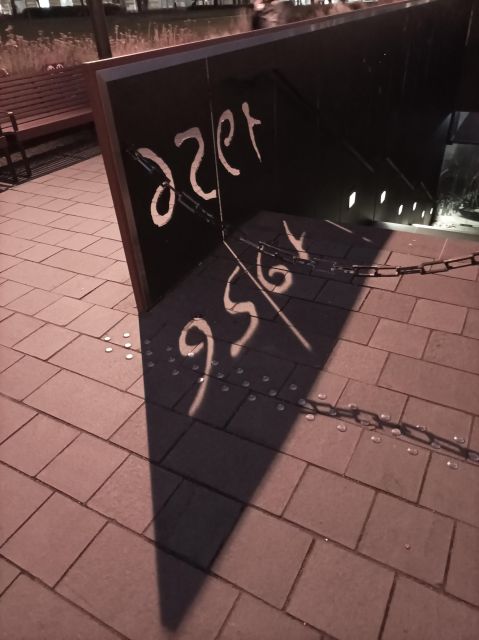
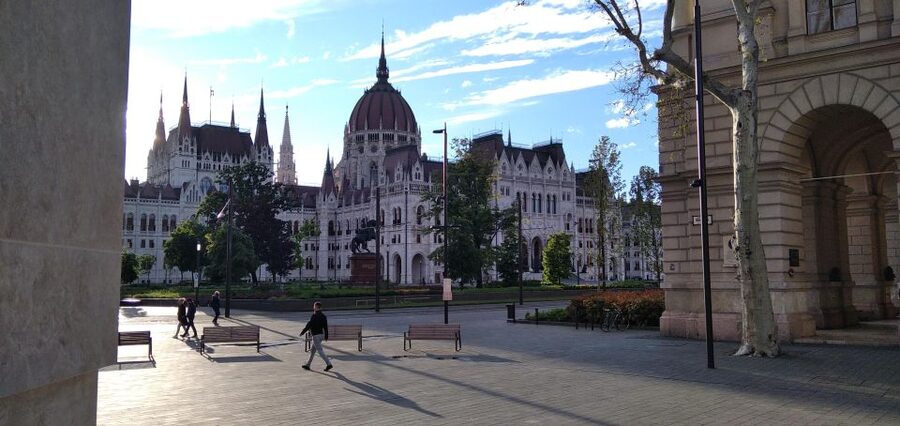
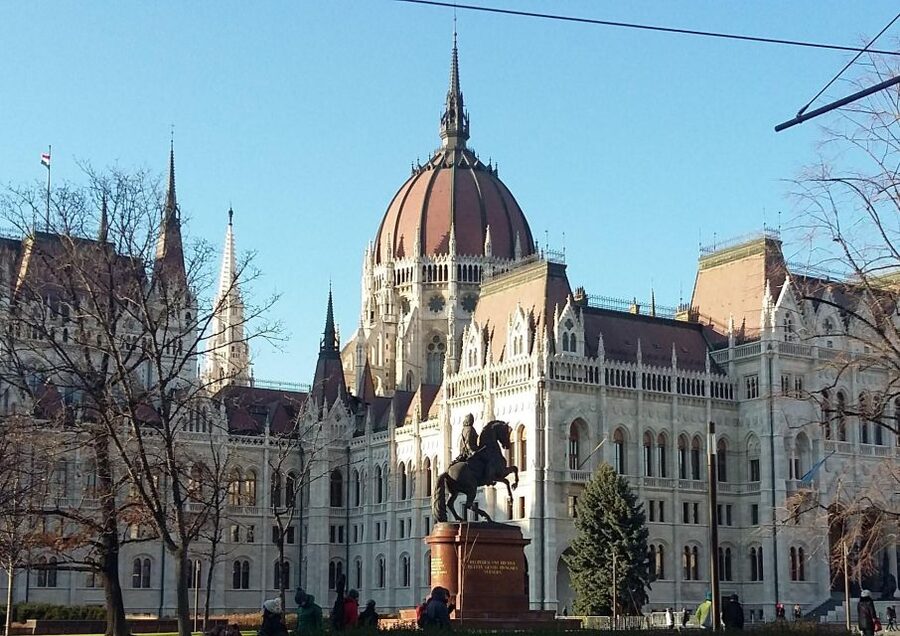
Next you move toward Kossuth Lajos Square, with a focus on the Parliament area and the Memorial of the 1956 Revolution. This stop is where the story gets more dramatic, because it shifts from the era’s messaging to the cost of resistance and the way revolutions get remembered.
You’ll also get the emotional meaning of those memorials. A guide can do more here than a guidebook, because you hear how people interpret these places across generations. Even if you know the basic outline of 1956, the memorial stop helps you understand why this event still shows up in Budapest’s public memory.
For me, the best part of the Parliament-area segment is that it links the “big official buildings” to the personal stakes of political life. You stop seeing the architecture as just impressive. It becomes a stage, and the memorial becomes a counter-message.
Olympic Park and the Nagy Imre Memorial: Sports and Heroes Under Politics
The tour also includes the Park of Olimpics and the Nagy Imre Memorial, built around the theme of sports and heroes. That combination is quietly clever. Regimes often use athletics as a way to project strength and unity, and heroes are used to shape what people should admire.
Even if you are not into sports history, this stop gives you a different angle on propaganda. It reminds you that the Communist system did not only rely on slogans. It relied on symbols, rituals, and role models placed where people could see them in their daily routines.
This segment is especially good if you like history that explains culture, not just conflict.
More centuries stacked along the banks:
- Budapest: Historic Cruise with Welcome Drink★ 4.7 · 6,512 reviews
- Budapest Historical Sightseeing – Free Walking Tour★ 5.0 · 1,302 reviews
- Buda Castle District Dark History, Legends and Vampire Night Tour★ 4.5 · 1,240 reviews
The Tour’s In-Between Stops, Photo Moments, and Quick Local Detours
A walk like this needs breathing room, and the route includes it. You’ll have time for a couple of smaller guided moments, including a quick “hidden” type of segment and a secret stop that includes a photo stop.
These in-between pauses are not fluff. They keep the tour from feeling like a straight line of monuments. They also give you a chance to reposition, regroup, and ask questions without the pressure of a huge set piece every five minutes.
I’d treat these as your “catch your breath” windows. If you’re the type who likes to take photos, this is your time to do it cleanly, without missing the next big story.
Margaret Bridge, Tram Ride, and a Short Wine Tasting Break
You continue to the Margaret Bridge area, with guided time to look around. This is a nice shift in tone. After the heavier political segments, you get a more open-water view and a change in pace, even though you’re still learning.
Then comes a short wine tasting (about 15 minutes). It’s a practical inclusion, and it’s also a good reminder that Budapest is not only memorials and museums. Even on a Communist-history-focused walk, you’re still in a city where social life exists.
After that, you ride a tram for about 10 minutes. This helps break up the walking while also letting you see parts of the city in a way that feels local. If you’re traveling without your own transport, this kind of public transit link is a real value add.
My advice: keep your phone charged and your water nearby. You’re doing walking plus transit, and the day can feel longer if you don’t plan for it.
House of Terror: Self-Guided Time and Why It’s Worth Your Attention
The tour includes House of Terror with self-guided time (about 1.5 hours). This is a big deal. A guide can connect the dots, but self-guided time lets you control your speed when you’re reading the material that hits you personally.
This part also changes the rhythm of the tour. Up to now, you’ve been listening and walking with the guide. Here you switch into careful viewing mode. It’s a good setup because by the time you reach House of Terror, you’ve already heard key themes: propaganda, repression, revolution, and the way power shows itself in everyday public spaces.
Also included is a visit to an exhibit about the 1956 revolution. You’ll want to give that portion your full attention, because it’s one of the tour’s main threads. If you only skim, the story won’t land as well.
Plan for this to be emotionally heavier than the outdoor stops. You’ll likely want a little time after to decompress.
Price and Logistics: Is $56 Good Value for This Tour?
At $56 per person, I think the value comes from what’s bundled together, not just the guide. You’re getting:
- An English guided route with an expert licensed guide
- A structured set of major Communist-era landmarks and memorial areas
- A tram ride
- An included stop connected to the 1956 revolution exhibit
- House of Terror with set self-guided time
- A short wine tasting at Margaret Bridge
You’re also getting a leaflet of recommendations. That matters because the tour theme is specific. Once you understand what you’re looking at, the leaflet helps you decide what to see next on your own.
The main logistics consideration is that it is not a “sit and listen” tour. Expect walking (about 1.5 miles) and movement around the city. If you’re traveling with mobility limits, it is listed as wheelchair accessible, but you should still be prepared for outdoor surfaces and a tram segment.
Also, the tour runs rain or shine, so bring a packable layer or umbrella that won’t become a fighting match in the wind.
Who This Tour Fits Best (and Who Might Prefer Something Else)
This is best for you if:
- You want Budapest history explained through real places you can see
- You like guided storytelling that mixes daily life with major political events
- You want a short transit moment instead of only walking
- You’re interested in the 1956 revolution theme and want it tied to memorial areas
You might consider a different option if:
- You dislike tours that mix walking, tram time, and a self-guided museum block
- You want purely outdoor sightseeing without indoor emotional content
- You prefer a lighter theme, since Communism and terror sites can be intense
If you are traveling with teens or adults who love politics, this tour can work well because it gives them a narrative spine. If your group is sensitive to heavy topics, I’d check in on comfort level before booking.
Should You Book This Budapest Communist History Tour?
I’d book it if you want your Budapest visit to include meaning, not just photos. For $56, you get a guided route that connects key landmarks to the lived experience behind them, plus the added value of a House of Terror self-guided block so you can spend real time where your attention matters.
This is also the sort of tour where a local guide’s personal lens helps. You get family-story context, including the idea that your guide draws on memories from a grandmother who lived through a century. That kind of angle makes the story feel less like a lecture and more like a human timeline.
If you are ready for an emotionally intense history walk and you can handle some walking plus a tram, this tour is a strong pick.
FAQ
How long is the Budapest Communist History tour?
The tour is listed as 2 hours, and it also notes a tour length of about 2.5 hours depending on the flow of the stops.
Where does the tour start?
It starts at St. Stephen’s Basilica, and your guide will be waiting in front of the Basilica with a sign.
What is the tour end point?
The tour finishes at Jászai Mari tér, and Margaret Bridge is included as part of the route.
Is there a tram ride during the tour?
Yes, the tour includes a tram ride for about 10 minutes.
How much walking is involved?
The tour includes walking of about 1.5 miles.
Is the tour conducted in English?
Yes, the tour is in English with a live guide.
Is House of Terror included?
Yes. You get self-guided time at House of Terror for about 1.5 hours.
What is included in the 1956 revolution visit?
The tour includes a visit to an exhibit focused on the 56 (1956) revolution.
Is wine tasting included?
Yes, there is a short wine tasting stop at Margaret Bridge for about 15 minutes.
What should I bring if the weather is bad?
The tour runs rain or shine, so bring a rain layer or umbrella and comfortable walking shoes.
Is hotel pickup included?
No, hotel pickup and drop-off are not included.
The newest crossings added in Budapest





Communist Era History Tours, compared.
Communist History Tour with House of Terror Option
Read our review →
3-Hour Walking Tour About Communism (Small Group)
Read our review →
Memento Park Visit with Private Trabant Transfer
Read our review →
Browse the lists this tour appears in