
Reviewed · COMMUNIST ERA HISTORY TOURS
Budapest: Memento Park Ticket
Budapest turns political sculpture into a one-of-a-kind walk. At Memento Park, you’ll see gigantic socialist monuments moved out of the city after communism fell, plus a documentary on the former political secret service that explains what you’re looking at. Two things I love here are the scale of the statues and the way the park pairs art with context, not just photo ops.
One thing to plan around: the paths are covered with gravel, so the visit is not suitable for wheelchair users.
In This Review
- Key Points You’ll Actually Care About
- Why Memento Park Feels Different From a Normal Monument Stop
- Getting There and Planning a Smooth Arrival
- First Stop: Stalin’s Grandstand and the Parade Square Replica
- The Most Cheerful Barrack: Movie Show and Photo Exhibition
- Under Stalin’s Boots: Storage, Art, and How Regimes Get Archived
- Lenin, Red Army Soldiers, and the Trabant Photo Point
- How Much Time Does a 1 Day Ticket Really Mean?
- Value Check: Is a $10 Ticket Worth It?
- Who Should Book Memento Park (and Who Might Skip It)
- Practical Tips Before You Go
- Should You Book a Budapest: Memento Park Ticket?
- FAQ
- Where do I present my voucher?
- How much does a Budapest Memento Park ticket cost?
- How long is the ticket valid?
- What is included with admission?
- Is transportation included?
- Is there a guided tour included?
- Is Memento Park wheelchair accessible?
- What are the main indoor parts of the visit?
- Can I get a refund if I cancel?
- Can I reserve now and pay later?
Key Points You’ll Actually Care About
- Stalin’s Grandstand replica gives you a sense of how power was staged and celebrated
- The Life of an Agent documentary helps decode the propaganda you see outside
- The Most Cheerful Barrack mixes exhibitions with a movie show in a themed space
- Under Stalin’s Boots includes storage and an art exhibition, turning disposal into interpretation
- Lenin and Red Army statues make room for the surprisingly fun selfie moments
- A Trabant car is one of the park’s most popular photo points
Why Memento Park Feels Different From a Normal Monument Stop
Most monument sites show you what survived. Memento Park shows you what was removed.
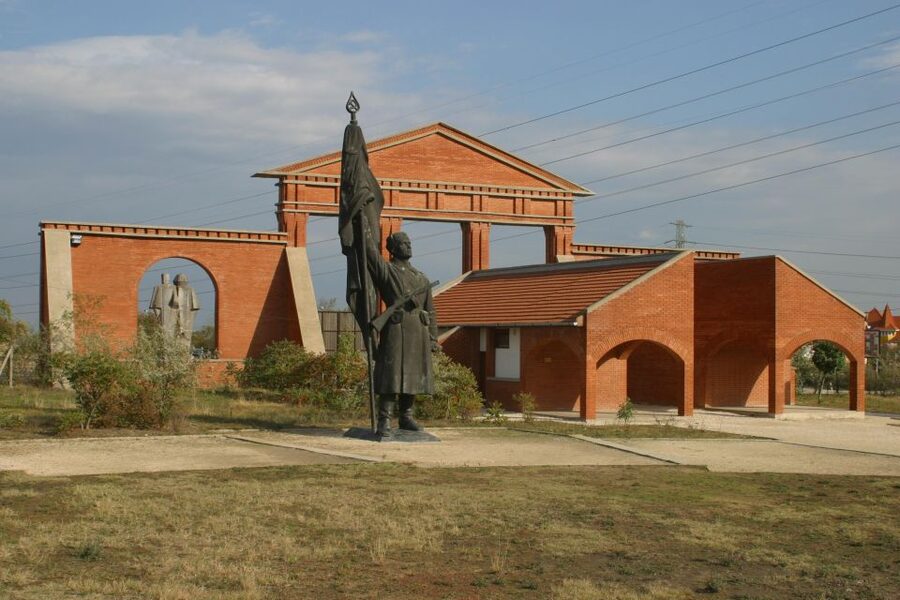
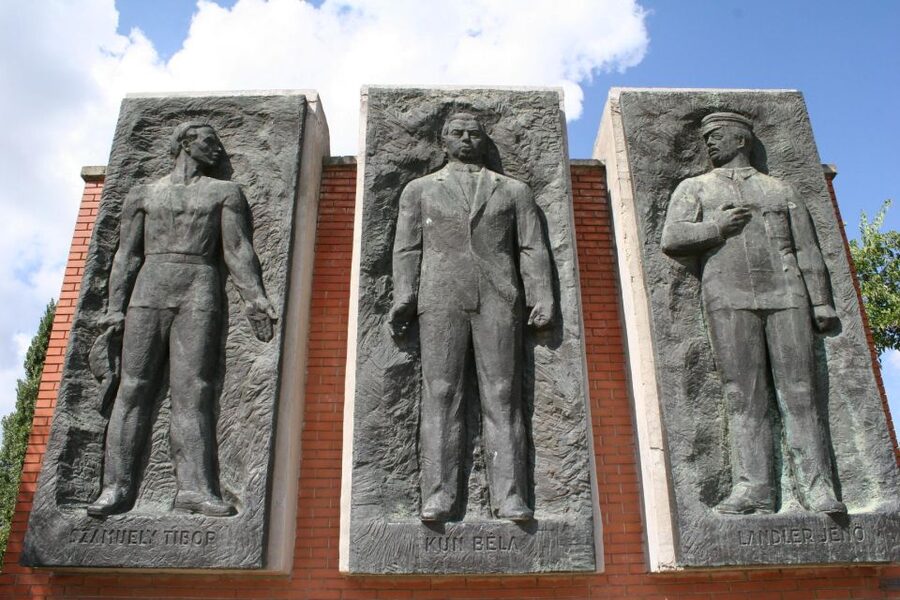
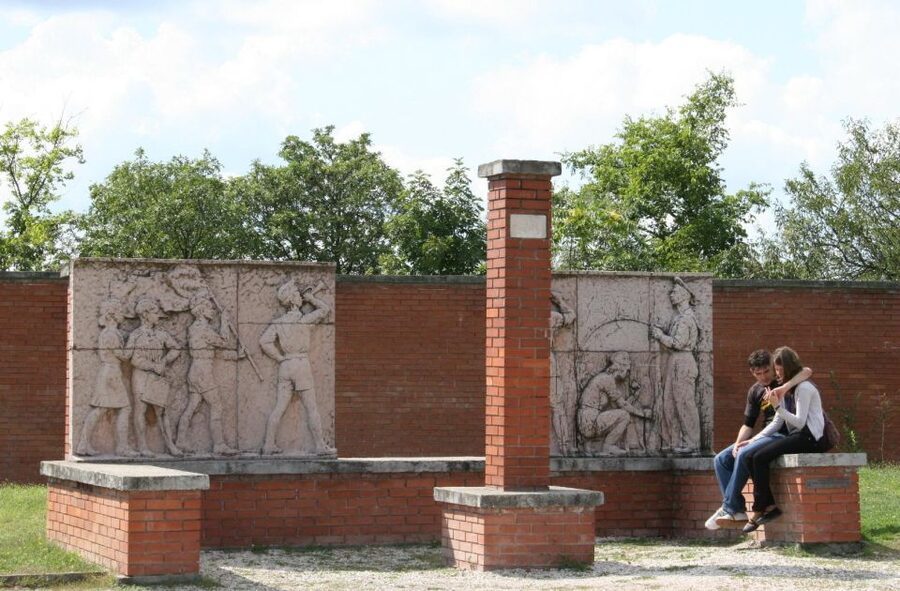
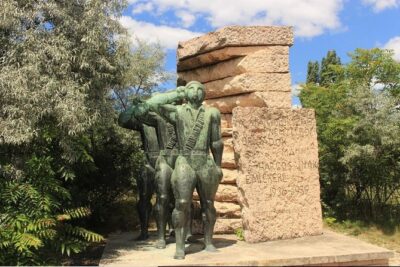
After the end of Hungary’s communist era, statues were taken off Budapest streets and set up here as a reminder. The result is not a polished museum with quiet vibes. It’s closer to walking through the leftovers of a propaganda system, arranged so you can connect the dots between ideology and public space.
I like how the park gives you both scale and explanation. You’re not only staring at allegorical figures and political heroes from the labor movement. You’re also given entry points into what the system tried to do, and what changed when that system ended.
Getting There and Planning a Smooth Arrival
The ticket is simple: you present your voucher at the Memento Park entrance at Balatoni út – Szabadkai utca sarok, 1223 Magyarország.
Transportation is not included, so plan to get yourself there independently. If you’re coming from central Budapest, treat it as a day-trip style stop. Leave extra time, because this is the type of place where arriving late can cut into both the outdoor monument walk and the indoor documentary segments.
Also, keep your schedule flexible. This is a site where you’ll likely slow down for photos and for reading the info around the exhibits. If you’re a fast-moving “photo, next” visitor, you’ll still enjoy it, but you might miss how much the story-building elements help.
Further tours of Hungary’s state-socialist years:
- Budapest: Communist History Tour with House of Terror Option
★ 4.8 · 182 reviews - Communism in Hungary with a Historian
★ 5.0 · 70 reviews - Budapest: 3-Hour Walking Tour About Communism (Small Group)
★ 4.7 · 70 reviews
First Stop: Stalin’s Grandstand and the Parade Square Replica
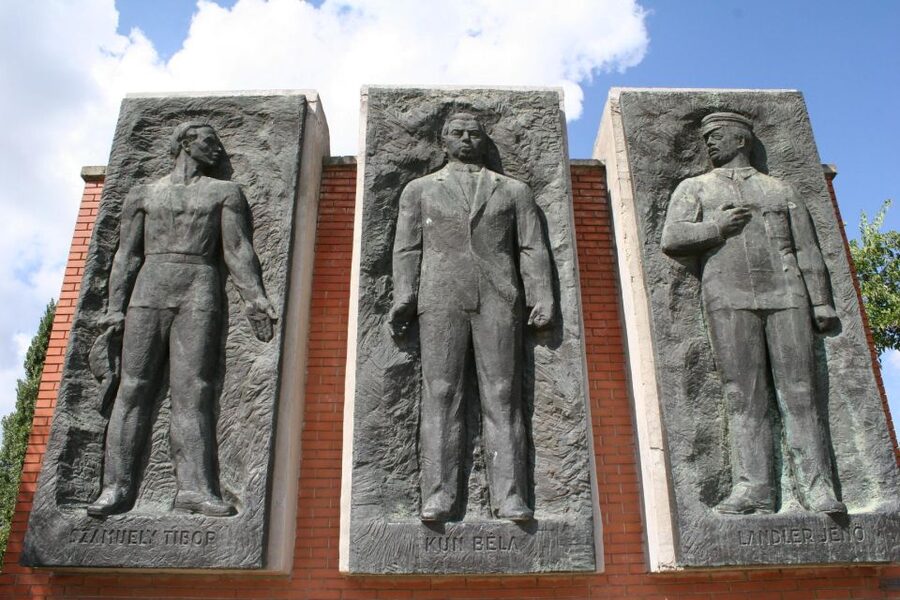
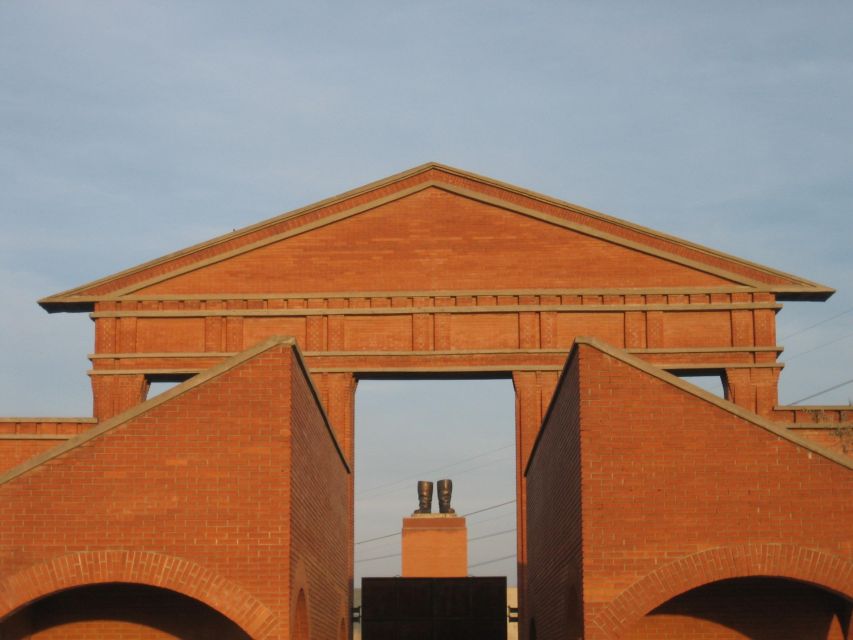
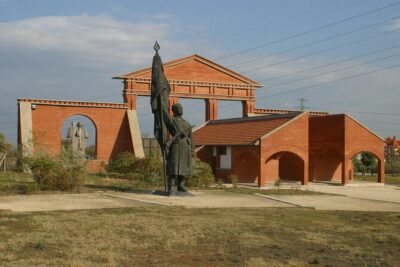
When you arrive, your eyes go straight to Stalin’s enormous grandstand, a replica of the one that used to stand in the former Parade square.
This is one of the smartest parts of Memento Park because it frames everything else. The park is not only about individual statues. It’s about the theater of power. A grandstand like this was designed to make leaders look larger than life and to organize whole crowds around political ritual.
From up here, you also get views over parts of the grounds. Even if you ignore the political meaning for a moment, it’s an excellent way to understand the park’s layout. You’ll start seeing patterns in the placement of monuments, how they’re grouped, and how the site guides your walk.
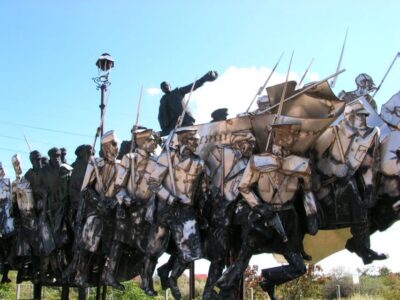
And yes, it’s visually intense. These are gigantic pieces of socialist iconography. That’s part of the point. Propaganda was never meant to be subtle.
The Most Cheerful Barrack: Movie Show and Photo Exhibition
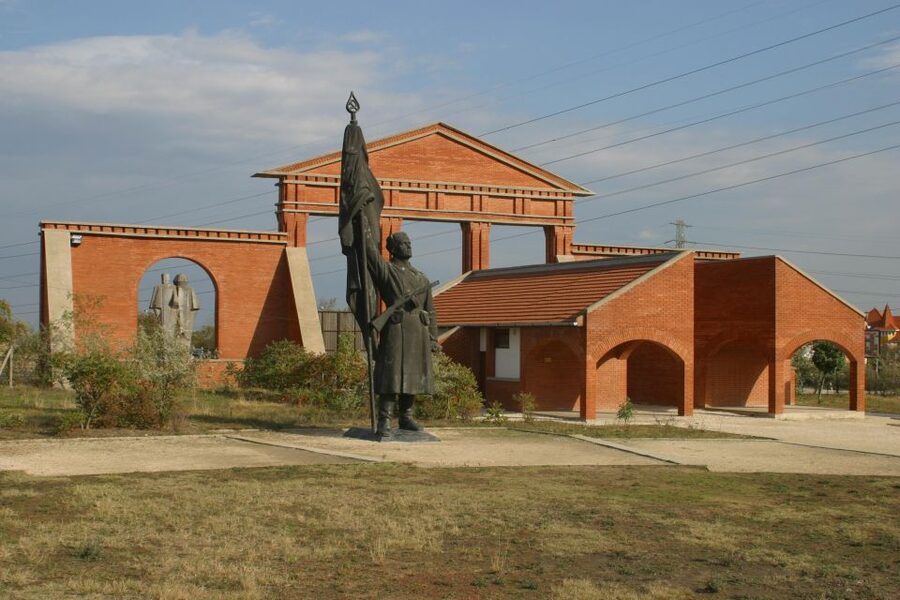
After the outdoor grandstand, head toward the exhibits inside The Most Cheerful Barrack. This is where the park shifts from “look” to “understand.”
Here you’ll find:
- a photo exhibition
- a movie show (included with admission)
The movie is titled The Life of an Agent, and it focuses on the former political secret service. This matters because a lot of what you see in the monuments is tied to control: control of information, control of public narratives, control of who gets honored and who gets erased.
The photo exhibition also helps you connect faces, symbols, and themes you might otherwise treat as just background for photos. Even if you think you already know the basics, the documentary angle makes the park more than a collection of statues.
If you like when history comes with clear signposts, this section is a strong reason to buy the ticket instead of treating it as a casual stop.
Under Stalin’s Boots: Storage, Art, and How Regimes Get Archived
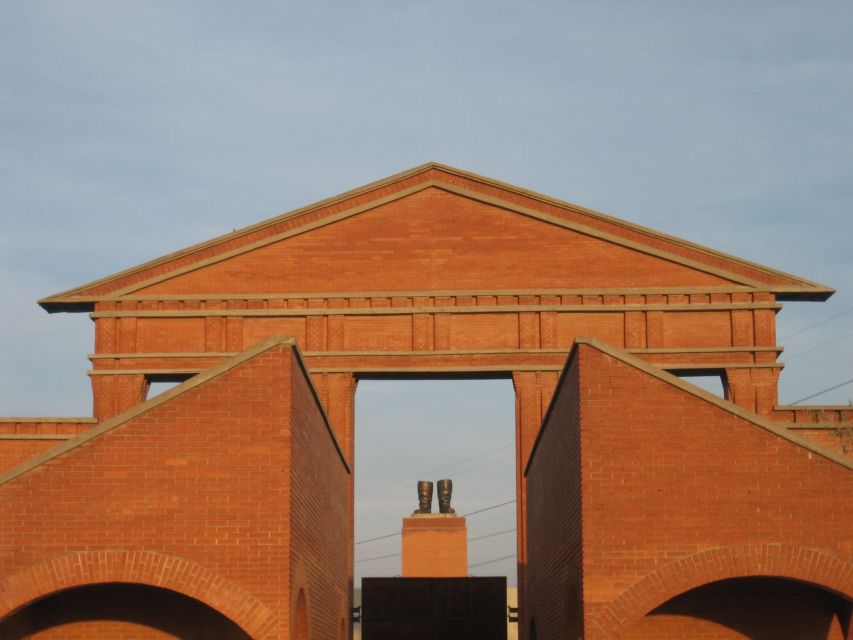
One of the more interesting included options is the storage and exhibition area under Stalin’s Boots. This is listed as:
- a storage showroom
- an art exhibition
I like this stop because it changes the emotional temperature. Instead of only worshiping or demonizing the past, it shows something practical: what happens to political images after they lose official power.
By presenting statues in a storage-and-exhibition context, the park quietly asks a question. Are these objects still political once they’re removed? Or do they become something else, like historical artifacts and warnings?
You’ll also see how the park turns the architecture of dictatorship into a place for looking back. The name is cheeky, but the theme is serious: the power structures that once demanded public reverence are now being contained, labeled, and interpreted.
If you’re the type who enjoys how museums categorize and frame the past, this section gives you that feeling, even though it’s happening in an outdoor monument world.
Still to cross in Budapest
- Budapest: City Highlights Sightseeing Cruise★ 4.6 · 43,981 reviews
- Budapest: Unlimited Prosecco, Beer and Aperol Spritz Cruise★ 4.8 · 37,304 reviews
- Budapest: Széchenyi Spa Day Ticket with Optional Upgrades★ 4.3 · 23,911 reviews
Lenin, Red Army Soldiers, and the Trabant Photo Point
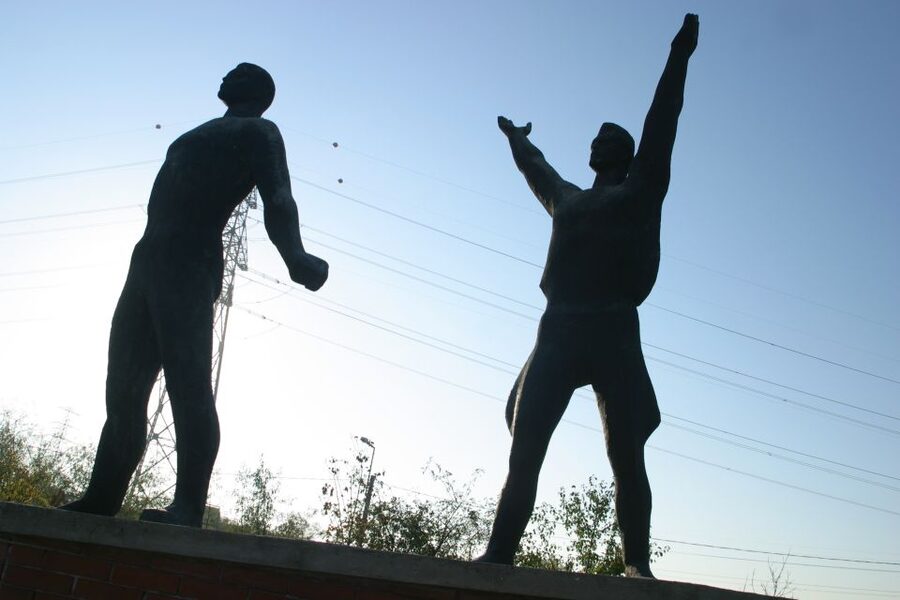
Memento Park does not pretend the experience is only heavy.
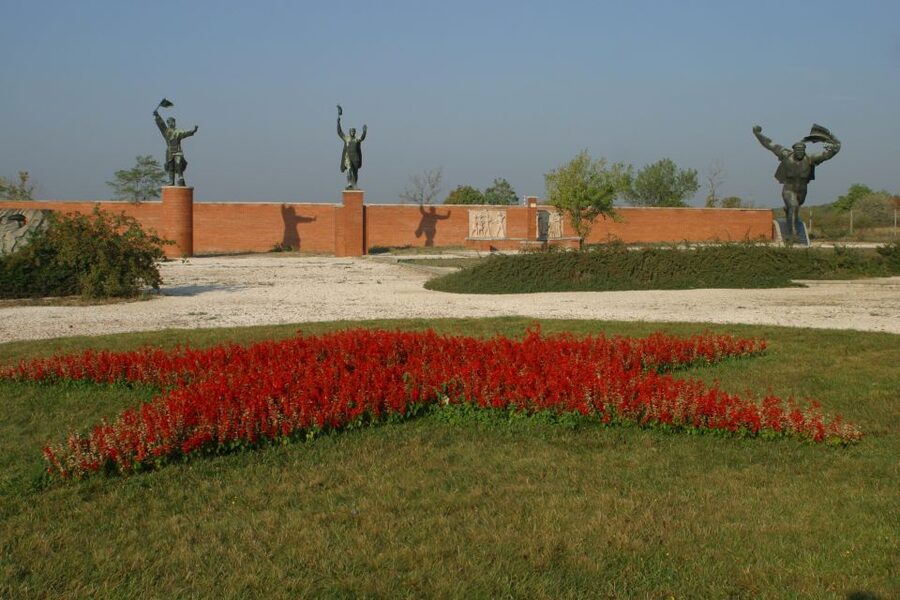
You can pose for a selfie with Lenin or with Soviet Red Army soldiers. That contrast can feel odd at first, but it’s actually part of how the park works. When propaganda goes from mandatory public presence to optional viewpoint, people react in real ways, including joking for the camera.
Then comes the photo favorite: the park includes an original Trabant car. Sit in it, take your pictures, and laugh a little at how ordinary everyday life items can exist beside extreme political imagery.
For many visitors, this is the moment that makes the whole day stick. Not because the car is historically important (you’re not coming for a car museum tour), but because it gives your brain a break from symbolism overload. You get a memorable visual without needing to memorize another name.
If you care about photos, plan to spend a little time here rather than treating it like a quick snapshot. The car and statues are among the best “stand in place and instantly know what you’re seeing” spots on the grounds.
How Much Time Does a 1 Day Ticket Really Mean?
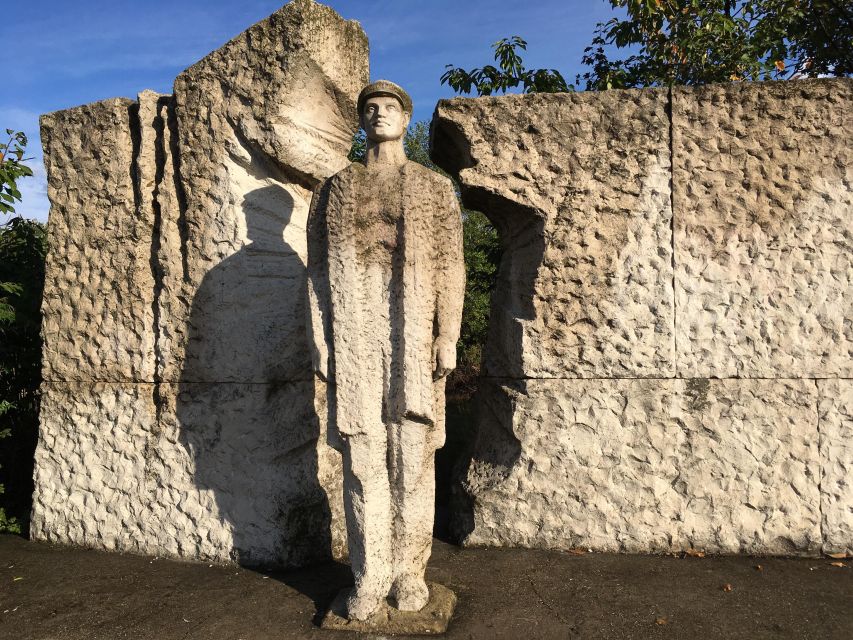
The ticket is valid for 1 day, and the experience is built around both outdoor monuments and indoor content (the documentary and exhibitions).
I recommend planning a half day at minimum, and closer to a full day if you enjoy reading and taking photos at a slower pace. The park’s main strengths are exactly the things that take time:
- walking through the monument groups
- checking the photo exhibition
- watching the included documentary show
- spending a moment with the Stalin’s Boots storage and art display
- doing the Trabant and statue photo points
If you rush, you’ll still get the highlights. But you’ll lose the real value of the park, which is that it connects propaganda objects to explanations.
A good rule: give yourself time to watch the documentary even if you think you know the subject. It’s the piece that turns “cool statues” into “I understand why these were placed this way.”
Value Check: Is a $10 Ticket Worth It?
At about $10 per person, this is low cost compared with what most city museums charge for a single ticket. And the included content is more than just a walk past monuments.
You’re getting:
- admission to the park
- the photo exhibition and movie show in The Most Cheerful Barrack
- the storage showroom and art exhibition under Stalin’s Boots
- an original Trabant car for fun photos
What makes it good value is the balance. Outdoor sights can be hit-or-miss if you’re not into political art. Here, the indoor documentary and photo exhibition act like translation for your eyes. You spend time outside, but you also get context so you don’t feel lost.
The only time I’d question the value is if you strongly dislike propaganda imagery or you want a gentle, low-intensity sightseeing day. For those preferences, you might feel like you’re spending your time under a heavy visual theme.
But for curious travelers who enjoy context, photos, and a clear sense of place, it’s a solid deal.
Who Should Book Memento Park (and Who Might Skip It)
This is a great fit if you:
- like political history and how systems use art and architecture
- enjoy documentary-style explanations, not just signboards
- want memorable photos that feel tied to a real story
- are okay with a mix of seriousness and dark humor
It may be a less perfect match if you:
- need wheelchair-friendly surfaces (the gravel paths make it not suitable)
- want a relaxed park with minimal reading and minimal context
- prefer mainstream art museums over propaganda-era monument collections
Also, I’d treat it as a day with a “thoughtful pace.” If your goal is to sprint through a few Instagram backdrops, you might feel the site is asking for more attention than you planned to give.
Practical Tips Before You Go
A few real-world things help make this easier:
- Wear shoes built for gravel paths. You’ll feel the ground underfoot as you move between sections.
- Bring your own water or snacks if you’re the type who doesn’t like waiting. One review specifically wished there were a café for lunch and drinks, which is a good hint that food might not be a major feature.
- If you’re using public transport, check route updates close to your visit date. One experience note mentioned bus stops and roadworks affecting nearby pickup, so don’t rely on old patterns.
That last one matters because Memento Park is not in the center of the postcard map. If your timing is tight and your route changes, you don’t want stress to eat your sightseeing time.
Should You Book a Budapest: Memento Park Ticket?
Yes, I think you should book it if you want a Budapest experience that’s unusual and actually meaningful. The monument scale hits hard, and the included documentary, The Life of an Agent, is a strong reason to choose Memento Park over skipping it or treating it as an optional detour.
If you’re sensitive to heavy political imagery, or if accessibility is a concern for you, then skip it and pick a different style of history stop. The gravel paths alone are a deal-breaker for wheelchair users.
For everyone else, this is one of those rare places where you can take photos, get a clear sense of how propaganda worked, and leave with a better grasp of how regimes fall and how their images get reused as reminders.
FAQ
Where do I present my voucher?
Present your voucher at the Memento Park entrance at Balatoni út – Szabadkai utca sarok, 1223 Magyarország.
How much does a Budapest Memento Park ticket cost?
The price is $10 per person.
How long is the ticket valid?
The ticket is valid for 1 day.
What is included with admission?
Admission includes the park entry, the photo exhibition and movie show in The Most Cheerful Barrack, the storage showroom and art exhibition under Stalin’s Boots, and access to an original Trabant car photo point.
Is transportation included?
No. Transportation is not included.
Is there a guided tour included?
No. A guided tour is not included.
Is Memento Park wheelchair accessible?
No. The park paths are covered with gravel and may not be suitable for wheelchair users.
What are the main indoor parts of the visit?
You’ll have access to the photo exhibition and the movie show in The Most Cheerful Barrack, plus the storage showroom and art exhibition under Stalin’s Boots.
Can I get a refund if I cancel?
Yes. Free cancellation is available up to 24 hours in advance for a full refund.
Can I reserve now and pay later?
Yes. Reserve now & pay later is available.
The newest crossings added in Budapest






Communist Era History Tours, compared.

Communist History Tour with House of Terror Option
Read our review →
3-Hour Walking Tour About Communism (Small Group)
Read our review →
Memento Park Visit with Private Trabant Transfer
Read our review →
Memento Park: Official Guided Tour with Entry Ticket
Read our review →Browse the lists this tour appears in