
Reviewed · COMMUNIST ERA HISTORY TOURS
Budapest Hammer & Sickle Communist Times Tour
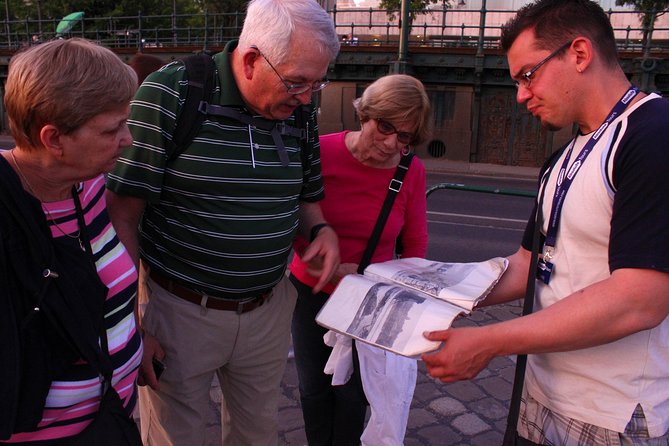
Budapest’s Cold War scars are still visible. This 2.5-hour walk threads together WWI, WWII, the 1956 Revolution, and the Soviet occupation, then caps it with an entry to the Budapest Retro Interactive Museum, where everyday details make the era feel real. Guides like Anna are praised for explaining it clearly and thoughtfully, with context first and stories added carefully.
One caution before you go: there are no headphones or audio equipment, so you’ll want to stand close to your guide and bring patience for outdoor noise and weather.
In This Review
- Key reasons this tour works so well
- Budapest’s Cold War story, told walk by walk
- Ferenc Deák Square to Szent Istvan Bazilika: religion under communism
- Szabadság tér Soviet Memorial: the occupation begins
- Parliament square and the first days of 1956
- Imre Nagy’s monument and Oct 23 remembrance
- Oct 25, 1956: the crowd, the tanks, the evidence
- WWII context and the Shoes on the Danube Bank memorial
- Retro Interactive Museum: how communist life felt in real rooms
- Planning your afternoon: timing, tickets, hearing the guide
- Price value check for $79.65
- Who this tour is for, and who might want a different option
- Should you book this Budapest Communism and Revolution tour?
- FAQ
- Is the tour offered in English?
- How long is the Budapest Hammer & Sickle Communist Times Tour?
- Where does the tour start and what time does it begin?
- Is admission to the Retro Interactive Museum included?
- Do I need to pay extra for Szent Istvan Bazilika or the Parliament Building?
- Is coffee or something to drink included?
- Does the tour provide audio headphones?
- Can I cancel for a full refund?
Key reasons this tour works so well
- Retro Interactive Museum entry is included, turning big political events into small, human moments like family life and travel restrictions
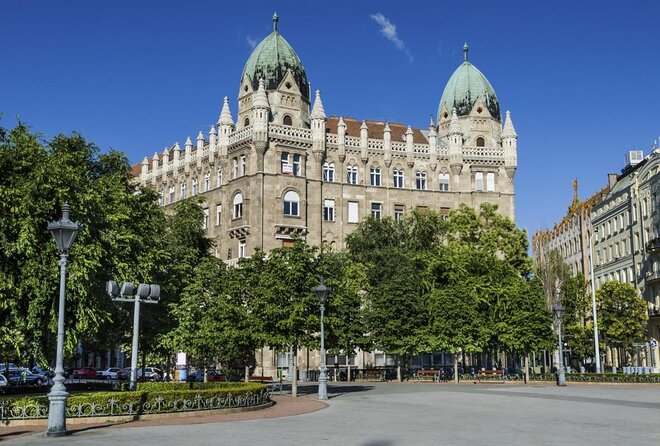
- A focused 1956 route in central Pest, including Soviet-era memorials and key sites tied to Oct 23 and the revolution days
- Soviet occupation and daily life side-by-side, from big-brother control to black markets and passport realities
- WWII context is not skipped, with a visit to the Shoes on the Danube Bank Holocaust memorial
- Small groups (max 10) plus an English-speaking guide, which makes questions actually possible
- Coffee or tea or a soft drink included, a nice pause during a politically heavy but fascinating afternoon
Budapest’s Cold War story, told walk by walk
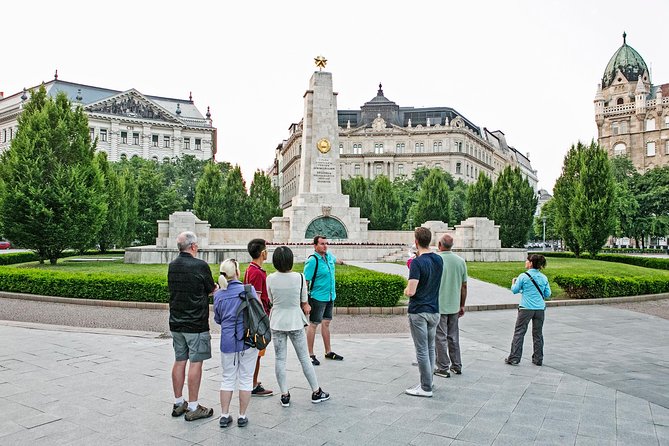
I like tours that give you more than dates. This one gives you a timeline you can physically follow through Budapest, starting with how Hungary got pulled into the 20th-century storms, then moving to the revolution that put the country back on the political map.
You also get a useful mix of scale. You’ll see official buildings and memorials, but you’ll also hear how normal people handled shortages, travel headaches, and the constant pressure of living under the Soviet-backed system. That balance is exactly what turns history into understanding.
Ferenc Deák Square to Szent Istvan Bazilika: religion under communism
The tour begins near Deák Ferenc tér, at the Lutheran Church in the square, right where you can easily meet up using public transport. From there, you head toward Szent Istvan Bazilika for a short, meaningful stop about how communist rule affected religious life and the day-to-day operation of churches.
This is a great early stop because it reminds you that control was not only about police and politics. It also touched faith, routine, and public institutions. Expect about 15 minutes here, and note that the admission ticket is not included, so you may need to pay if you want to go inside.
Practical tip: if the basilica area is crowded, look at it fast, then listen for the guide’s framing before you move on.
Further tours of Hungary’s state-socialist years:
- Budapest: Communist History Tour with House of Terror Option
★ 4.8 · 182 reviews - Communism in Hungary with a Historian
★ 5.0 · 70 reviews - Budapest: 3-Hour Walking Tour About Communism (Small Group)
★ 4.7 · 70 reviews
Szabadság tér Soviet Memorial: the occupation begins
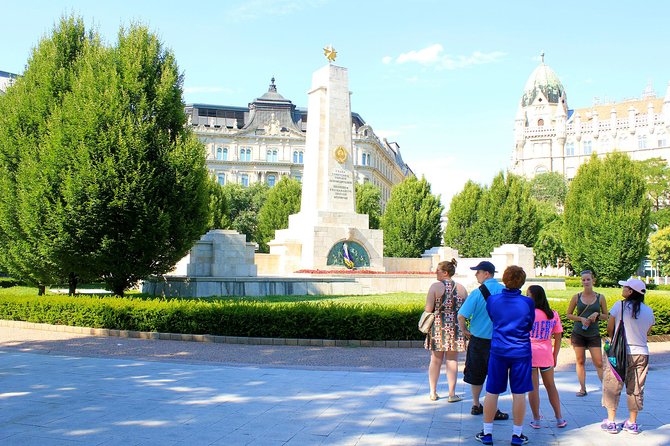
At Szabadság tér, you’ll visit the Soviet Memorial, tied to the end of WWII and the start of occupation. In just 15 minutes, the guide sets up a key idea: the war ended, but power did not shift into Hungarian hands the way many people hoped.
This stop works because it’s not only about WWII in the abstract. It explains how the Communist Party seized power and how Soviet influence shaped the next era of daily life. The memorial is free to enter, so you can focus your time on the meaning rather than logistics.
If you like understanding motivation, listen for the guide’s explanation of what changed after the fighting stopped, and how quickly the country’s political expectations were crushed.
Parliament square and the first days of 1956
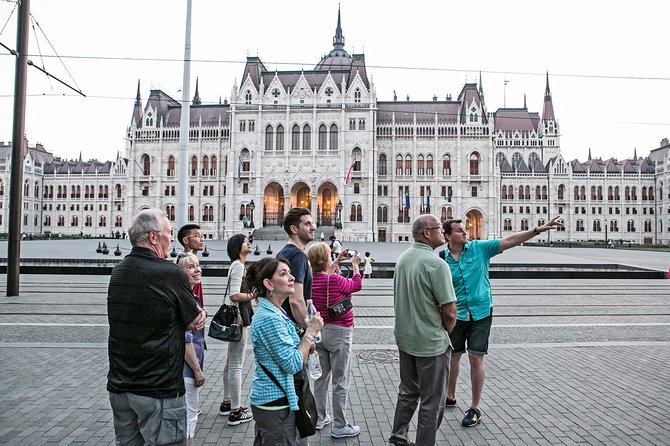
Next comes the Hungarian Parliament Building area, where the square played an important role in the early days of the 1956 uprising. The guide walks you through what led to the revolution and how leadership handled the situation as events accelerated.
This is the part where the tour becomes “watchable.” You’re standing in the kind of urban space where speeches, protests, and marches make sense. The setting helps you understand why people risked so much to show up and speak out.
A key name you’ll hear again and again is Imre Nagy. The story matters because Nagy is described as a communist leader who resisted Soviet pressure in Moscow, then was executed for treason after the crackdown. That kind of personal political conflict is one reason the 1956 story feels more complicated than a simple good-versus-evil headline.
Parliament building admission is not included, so if you want to go in, plan for extra cost and time. If you do not, you can still get a lot from the exterior context and the guide’s narrative.
Imre Nagy’s monument and Oct 23 remembrance
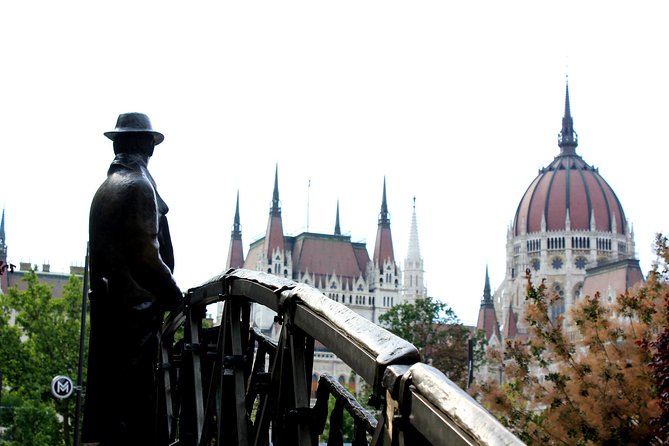
Right after the Parliament area, the tour continues to the Monument to Imre Nagy, tied to Oct 23 Remembrance Day. This is one of the most emotionally direct stops because you’re connected to the revolution’s anniversary and the long afterlife of those events.
You’ll also hear about Nagy’s reburial as an important moment in the change of regime. That detail is more than a timeline point. It shows how post-communist Hungary re-told the story of who was treated as a traitor, and why.
This stop is free and lasts about 15 minutes. If you’re the type who likes a short quiet moment in between facts, it’s a good place to pause and take it in.
Still to cross in Budapest
- Budapest: City Highlights Sightseeing Cruise★ 4.6 · 43,981 reviews
- Budapest: Unlimited Prosecco, Beer and Aperol Spritz Cruise★ 4.8 · 37,304 reviews
- Budapest: Széchenyi Spa Day Ticket with Optional Upgrades★ 4.3 · 23,911 reviews
Oct 25, 1956: the crowd, the tanks, the evidence
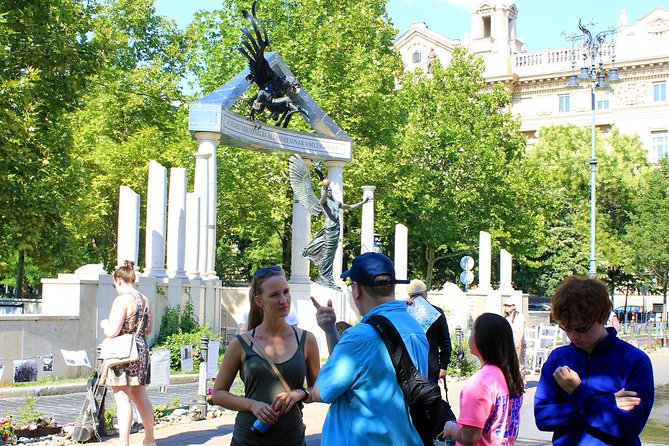
The tour then moves to In memoriam 1956. October 25 Memorial and Exhibition. Here you get the second day of the revolution, when military authorities and Soviet tanks fired into a gathering crowd.
This is the stop that turns the story heavier. The exhibition uses archive footage and recollections, so you do not only hear what happened. You see the atmosphere of the time, and you hear it described in a way that makes the violence feel immediate rather than distant.
Entry is free, and you’ll spend about 15 minutes. If you want to get the most out of it, keep your questions for this part, because it’s where the guide’s historical context can connect strongest to what you’re seeing.
WWII context and the Shoes on the Danube Bank memorial
One highlight built into the WWII story is a visit to the Shoes on the Danube Bank Holocaust memorial. It’s a short stop, but it’s designed to hit you in the gut, because the memorial uses a simple, symbolic approach rather than spectacle.
This fits the tour well because the guide is placing WWII outcomes and occupation policies into the larger arc. In other words, you are not just collecting random sites. You’re seeing how one era’s brutality fed into the next era’s control.
If you’re sensitive to Holocaust memorials, go in prepared to take it slowly. The point here is reflection, not speed.
Retro Interactive Museum: how communist life felt in real rooms
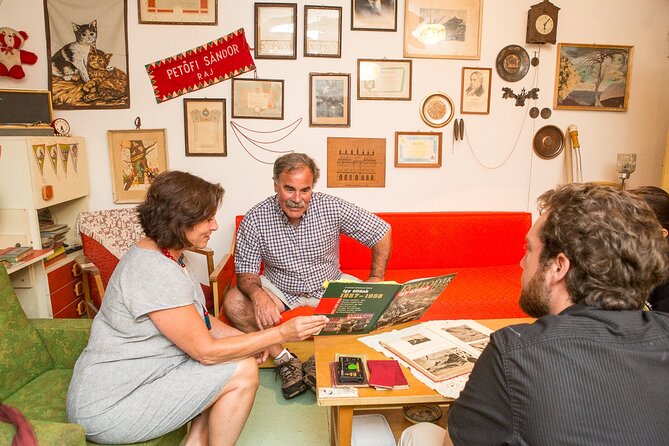
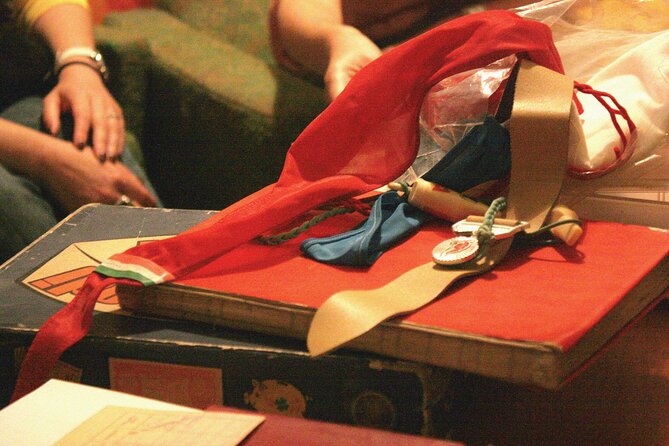
The best reason to book this tour is the included entry to the Budapest Retro Interactive Museum. Walking past memorials can be intense, but this is where the tour shifts from big politics to small daily compromises.
You’ll be shown how children were brought up, how families lived, and how people traveled and hoped to travel under restrictions. The guide talks through details you can visualize, like how long it took to get a passport, plus stories that include black markets and banana lines, the kind of coping system that grew when normal supply and access did not.
Many visitors also find it helps that the museum includes a staged living environment with objects from the period. Even when the tour is only a couple of hours, this indoor part gives your brain a place to store what you heard outside.
Admission to the Retro Interactive Museum is included, so you avoid the most common post-tour problem: feeling like you paid for the walk, then still having to buy key entries later.
Planning your afternoon: timing, tickets, hearing the guide
Start time is 3:00 pm, and the tour runs about 2 hours 30 minutes. You’ll meet at Deák Ferenc tér 4 (near the Lutheran Church of Ferenc Deák Square), and you’ll end near Szabadság tér 1, close to Liberty Square in downtown Budapest.
A few practical points that matter:
- Expect walking on city streets, with short stops that add up.
- The tour goes in all weather, so bring a jacket you’ll actually use.
- There are no headphones or audio equipment, so choose your position well and keep distractions down.
- Szent Istvan Bazilika and the Parliament Building have admission not included, so plan for possible extra spending if you want to go inside.
- You’ll get coffee or tea or a soft drink, a small comfort that helps when the topic gets heavy.
Group size is max 10 travelers, and the tour is offered in English. That small cap is not just a “nice to have.” It usually means the guide can keep momentum while answering questions without turning the whole experience into a lecture you cannot interrupt.
Price value check for $79.65
At $79.65 per person, the price feels fair if you focus on what’s included. You get an English-speaking guide, coffee or tea or a soft drink, and entry to the Retro Interactive Museum. The walk also takes you to multiple memorial and landmark stops, including free sites.
Your extra costs are the places where admission is specifically noted as not included, especially Szent Istvan Bazilika and the Parliament Building. So think of this as a guided “route plus one included museum,” not a fully ticketed pass to everything.
Given how small the group is and how much ground is covered, I see this as strong value for first-time Budapest visitors who want a fast but grounded understanding of how the 20th century shaped modern Hungary. If you already know the history cold and just want to see monuments, you might find a cheaper alternative. If you want context that connects events, this price makes sense.
Who this tour is for, and who might want a different option
I think this works best if you:
- want a clear overview of Hungarian WWII history and the Soviet occupation
- are curious about what daily life meant under big brother
- like interactive history, not just reading plaques
- enjoy asking questions, because small group size helps
It is not recommended under age 14, which makes sense given the memorial content and the political intensity. If you dislike heavy topics or want a purely scenic tour, you may find the subject matter more intense than you bargained for.
Should you book this Budapest Communism and Revolution tour?
Book it if you want to understand Budapest beyond architecture, and you like learning with a guide who connects the political story to daily life. The included Retro Interactive Museum is the big selling point, because it turns the “Cold War” idea into objects, routines, and understandable pressure.
Skip it if you need a light, purely sightseeing afternoon, or if you know you struggle hearing guides without headphones. Also consider whether you are okay with extra admissions at Szent Istvan Bazilika and Parliament if you decide to go inside.
FAQ
Is the tour offered in English?
Yes. The tour is offered in English.
How long is the Budapest Hammer & Sickle Communist Times Tour?
It lasts about 2 hours 30 minutes.
Where does the tour start and what time does it begin?
It starts at 3:00 pm at the Lutheran Church of Ferenc Deák Square, Deák Ferenc tér 4, 1052 Budapest. It ends near Liberty Square at Szabadság tér 1, 1054 Budapest.
Is admission to the Retro Interactive Museum included?
Yes. Entry to the Budapest Retro Interactive Museum is included in the tour.
Do I need to pay extra for Szent Istvan Bazilika or the Parliament Building?
Yes. Admission tickets for Szent Istvan Bazilika and the Hungarian Parliament Building are not included.
Is coffee or something to drink included?
Yes. Coffee or tea or a soft drink is included.
Does the tour provide audio headphones?
No. The tour does not provide audio equipment or headphones.
Can I cancel for a full refund?
Yes. You can cancel up to 24 hours in advance for a full refund. If you cancel less than 24 hours before the start time, the amount you paid will not be refunded.
The newest crossings added in Budapest




Communist Era History Tours, compared.
Communist History Tour with House of Terror Option
Read our review →
3-Hour Walking Tour About Communism (Small Group)
Read our review →
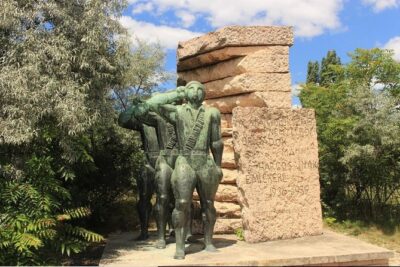
Memento Park Visit with Private Trabant Transfer
Read our review →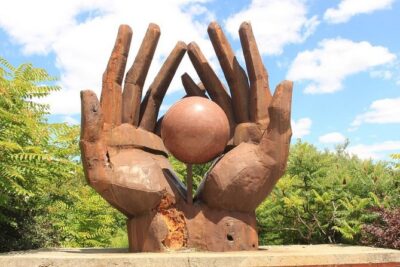
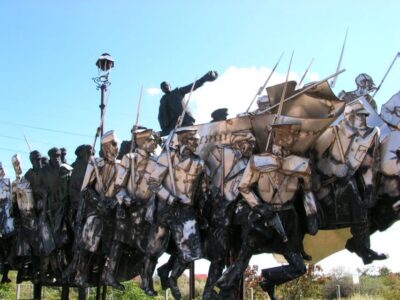
Memento Park: Official Guided Tour with Entry Ticket
Read our review →Browse the lists this tour appears in