
Reviewed · COMMUNIST ERA HISTORY TOURS
Memento Park: Official Guided Tour with Entry Ticket
A giant outdoor classroom for communist history. Memento Park turns propaganda statues into a story you can read. I like how the tour is guided and interactive, with real symbolism explained instead of just facts on a sign. I also love the photo moment options, especially the classic Trabant. The main drawback is logistics, it sits out in the outskirts of Budapest, so getting there takes planning.
The experience runs rain or shine, and you move at a walking pace through gravel promenades. The guide meets you at the desk, checks your ticket, and leads you from Witness Square to the main statue areas, finishing near the End Wall. One more consideration, this is history heavy, so if you only want pretty outdoor sculptures, bring your patience (or just plan a shorter self-paced visit after).
In This Review
- Key highlights at Memento Park
- Communist propaganda statues, but with a decoder ring
- Price and logistics that affect your day
- Meeting at the cash desk and how the tour flows
- Witness Square: starting with space, not sculptures
- Stalin’s Grandstand and hidden rooms
- The Waving Balcony: views that explain the message
- Statue Park: the communist era, in bronze and meaning
- The End Wall: the tour finishes, your time starts
- Trabant photo stop: a lighter moment with a lot of contrast
- What the Most Cheerful Barrack adds after the walk
- Who this tour is best for
- Guide matters, and Ildi is a strong example
- Practical tips for a smoother day
- Should you book this Memento Park guided tour?
- FAQ
- How long is the Memento Park guided tour?
- Where do I meet for the tour?
- Is the tour in English?
- Is Memento Park easy to reach from Budapest?
- Does the tour run in bad weather?
- Is it wheelchair accessible and suitable for children?
Key highlights at Memento Park
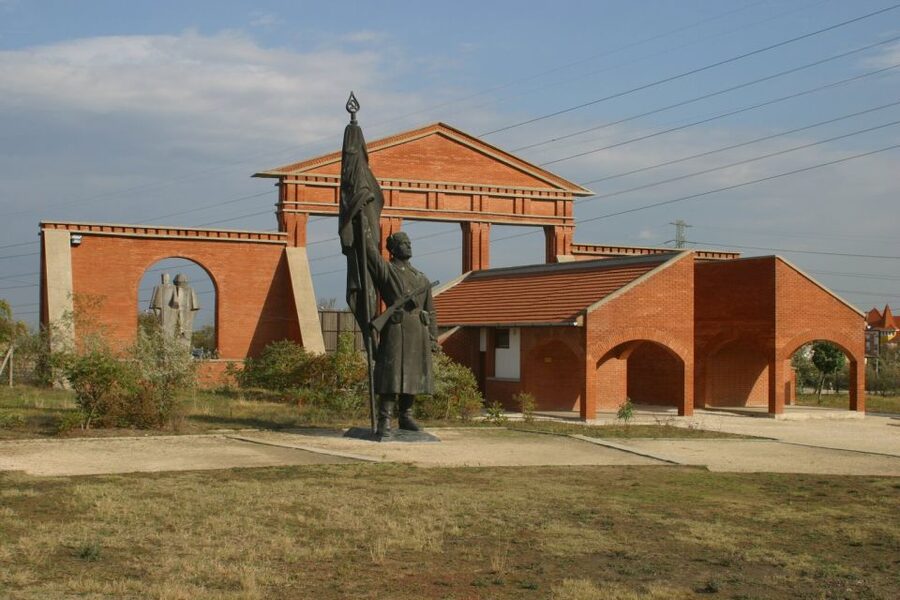
- Witness Square to the statue zones, with the guide explaining what each propaganda piece was meant to do
- Stalin’s Grandstand, including hidden rooms you typically would not find on your own
- Waving Balcony views, where you can connect the architecture to the political theater
- Trabant photo moment, a fun contrast to the grim subject matter
- The Most Cheerful Barrack exhibits and movie show, adding context after the walk
- English live guide, with time for questions during the tour
Communist propaganda statues, but with a decoder ring
Memento Park, just outside Budapest, is built around the idea that you cannot understand communist-era public art without seeing the intent behind it. Yes, you will spot the famous bronze giants right away. But the real value comes from how the tour helps you interpret them, like learning to read a visual language.
What I like most is that the guide does not treat the statues like museum decoration. You get the symbolism, the messaging, and the “who was this aimed at” details. Even if you only remember a few points, you walk away seeing how these works tried to shape everyday behavior, not just political ideas. That makes the outdoor sculptures feel less like a stop on a route and more like an actual lesson you can apply to the bigger history of the region.
Another strong perk is the tone. It is not a lecture with nowhere to go. The tour is interactive, and questions are welcome. That matters because communist history can feel complicated fast, and you are usually better off asking, right there, while you are standing in front of the object that raised the question.
Price and logistics that affect your day
At about $28 per person, this is not the cheapest ticket on the Hungary sightseeing list. But it is a fair price when you factor in two things: a live English guide and a structured walkthrough of the grounds. Outdoor museums can be easy to “wander through” without understanding what you are seeing. This tour is built to prevent that common mistake.
Still, I want you to plan for the location. Memento Park is on the outskirts of Budapest. Public transport takes about 40 minutes, so it is not a quick after-lunch detour. If you are trying to stack too many stops in one day, this can turn into a time sink.
Also consider the ground itself. The promenades are covered with gravel, so comfortable shoes are not optional. You will want them for stability and for less fatigue, especially if you end up walking farther than you expected.
Further tours of Hungary’s state-socialist years:
- Budapest: Communist History Tour with House of Terror Option
★ 4.8 · 182 reviews - Communism in Hungary with a Historian
★ 5.0 · 70 reviews - Budapest: 3-Hour Walking Tour About Communism (Small Group)
★ 4.7 · 70 reviews
Meeting at the cash desk and how the tour flows
You meet at Memento Park, and the key point is timing. Arrive 15 minutes before the activity starts at the cash desk. Bring your voucher, then present it to the tour guide first. After that, you join the group and start walking.
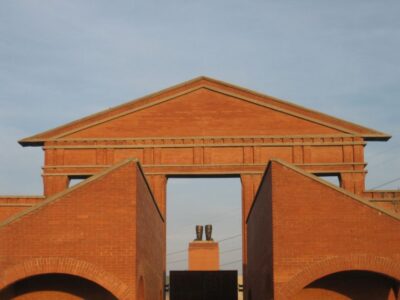
From there, the walk begins at Witness Square, the space in front of Memento Park. This is a smart setup because you start with an open area and a sense of scale. You are also positioned to understand how the grounds were designed for public viewing, not private contemplation.
The guided portion is listed as about 70 minutes, and the guided tour segment is also listed as 95 minutes. In practice, this means you should expect a guided walk that fits into a short block of your day and still leaves time afterward for photos and the extra indoor exhibits.
The tour is described as running rain or shine, so dress for the weather. If it is wet, gravel can get slippery. Bring weather-appropriate clothing, and do not forget a camera, sunscreen if it is sunny, and a willingness to keep moving.
Witness Square: starting with space, not sculptures
The first stop point matters. Starting at Witness Square is a setup for understanding the “stage” aspect of the park. You are not immediately thrown into a maze of statues. Instead, you start in a public-facing area, so you can connect the architecture and layout to the idea of mass messaging.
This is where the guide’s interpretation sets up everything else. You start learning how propaganda artwork was designed to do more than decorate. It was supposed to instruct, intimidate, and unify people under a single political narrative.
If you tend to miss details when you walk, slow down here. Notice sightlines and how buildings frame what you will see later. The tour is built so that you keep getting new angles and new context as you move.
Stalin’s Grandstand and hidden rooms
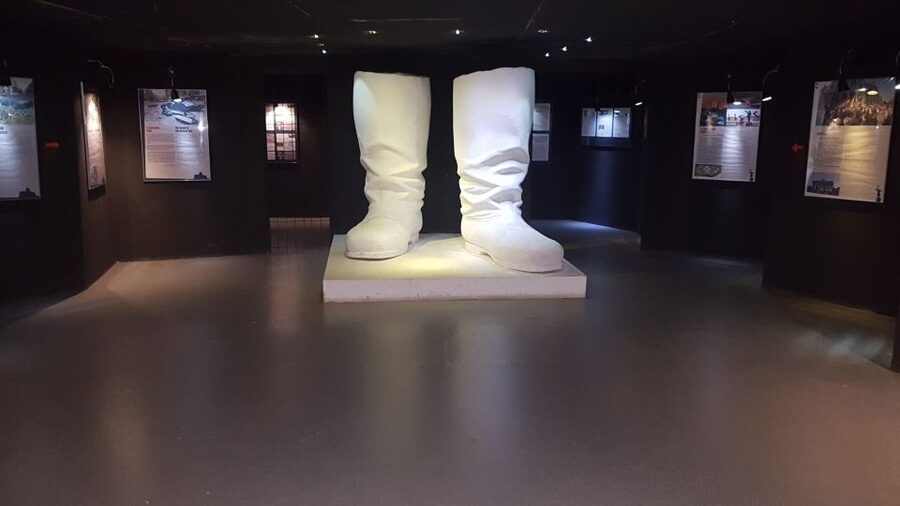
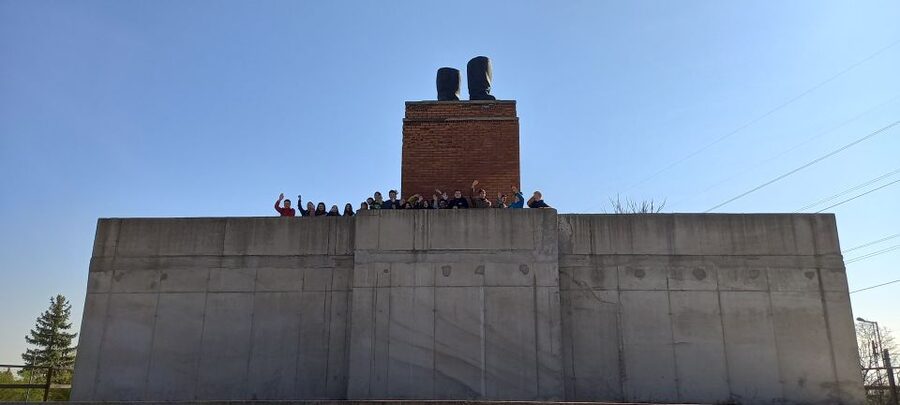
One of the most talked-about areas is Stalin’s Grandstand. On a self-guided visit, you might see the main structure, but the guide’s explanation is what turns it into something more than a big statue platform. The tour focuses on architecture, symbolism, and the layout purpose.
The park is full of elements that feel intentionally dramatic. The Grandstand is one of the best examples. You get the story of how the space was meant to impress visitors and how it worked like political theater. The hidden rooms add another layer. You come away understanding that the site was not only for public display, it was also for the machinery behind the public message.
This is also where the tour can feel extra valuable if you like learning how design shapes behavior. Propaganda was never just about images. It was about control of environment, timing, and what people are supposed to think they are seeing.
Still to cross in Budapest
- Budapest: City Highlights Sightseeing Cruise★ 4.6 · 43,981 reviews
- Budapest: Unlimited Prosecco, Beer and Aperol Spritz Cruise★ 4.8 · 37,304 reviews
- Budapest: Széchenyi Spa Day Ticket with Optional Upgrades★ 4.3 · 23,911 reviews
The Waving Balcony: views that explain the message
Next comes the Waving Balcony. This stop gives you a view over the surroundings, and the explanation ties the sightlines directly back to the way leaders wanted to be seen, and how crowds were meant to be positioned.
Even if you are not into political history, the balcony view helps you understand why the site looks so deliberate. You start connecting the “where you stand” to “what you are meant to feel.” It is the difference between casually looking at a piece of art and understanding how it functioned in the world around it.
It is also one of your best moments for photos during the guided time. If you want clear shots without interrupting the group flow, this is the kind of stop where you can grab a few, then pay attention again.
Statue Park: the communist era, in bronze and meaning
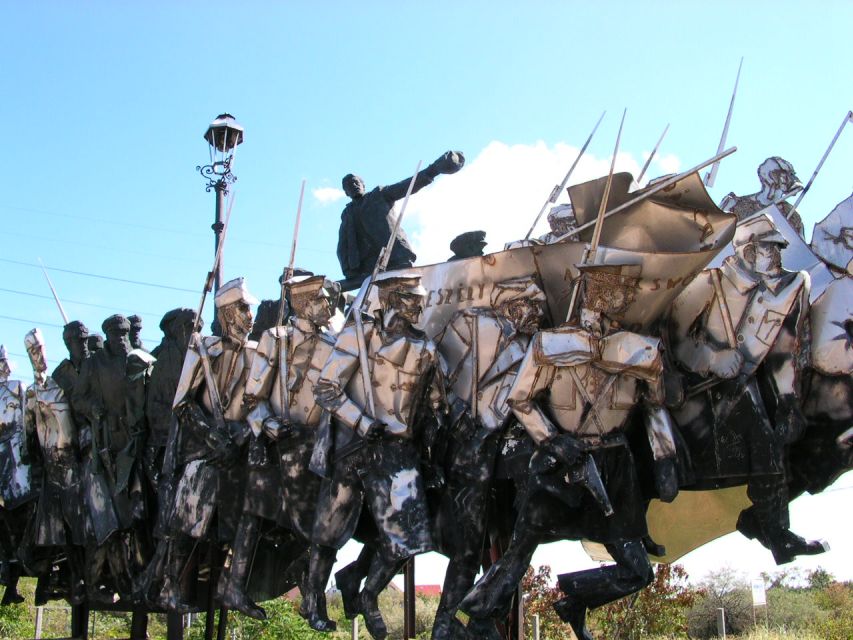
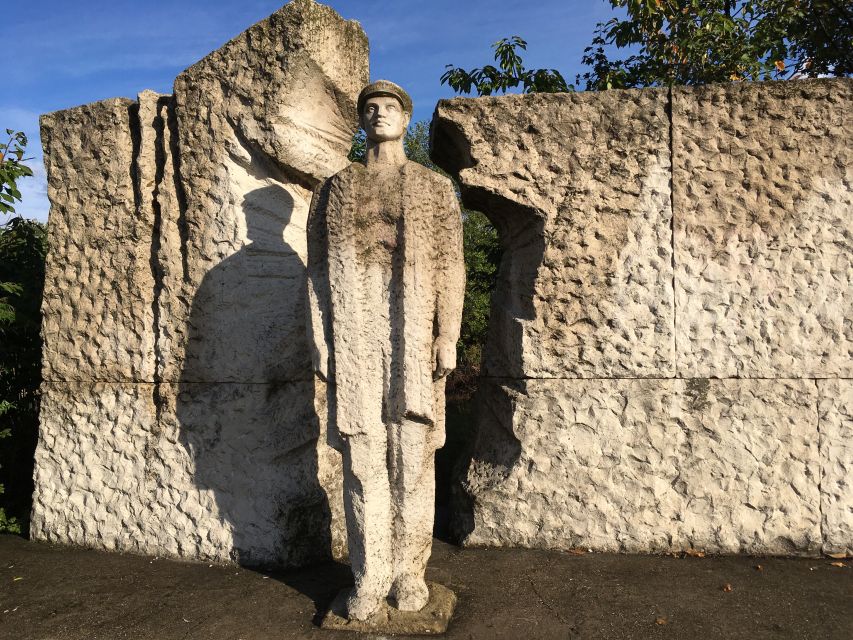
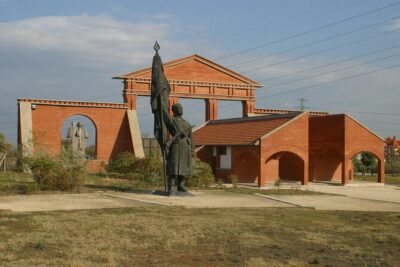
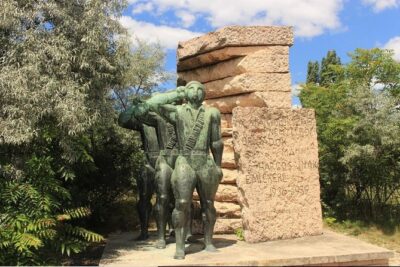
After the architectural section, the tour shifts to the Statue Park. This is where you will walk along a line of political propaganda statues, with workers, Hungarian figures, and international communist personalities representing the message.
What makes this section work is how the guide helps you decode the “why.” You learn what these figures were meant to represent, and you get context about events tied to the workers’ movement. Instead of just noticing the size of the statues, you learn why they were made this way, and why they were placed where they were.
This part can be intense, and it is supposed to be. The tour frames these as unwanted remnants of the communist era, which gives the statues a different emotional weight than they have in a generic “outdoor sculpture garden” setting.
If you prefer to skim, you can still do it. But if you want the full payoff, let the guide slow you down and explain. That is when the statues stop being random and start being readable.
The End Wall: the tour finishes, your time starts
The guided walk ends near the End Wall. At this point, you have the core narrative, and you are given time to do things at your own pace.
You can take photos, explore the souvenir shop, watch the movie show, and check exhibitions in The Most Cheerful Barrack. This mix is useful. The outdoor portion gives context through the spaces and statues. The indoor exhibits give you background in a calmer setting.
One detail I think is worth noting is the movie show. The experience includes Soviet-era spy recruitment films, and the best part is they are unintentionally funny. It does not undo the subject matter, but it gives you a human reaction moment that makes the learning stick.
Trabant photo stop: a lighter moment with a lot of contrast
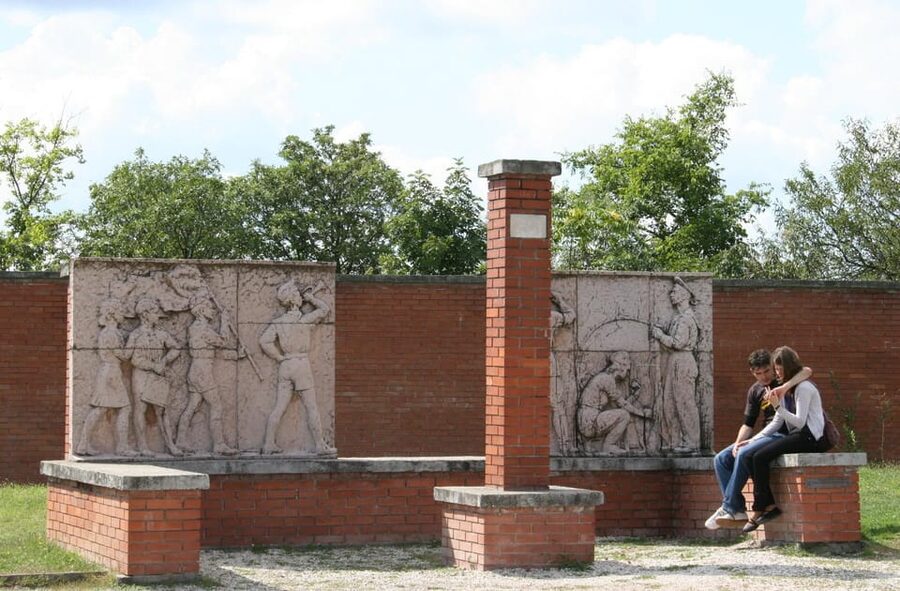
The Trabant photo moment is one of the fun highlights. It is a retro car element that breaks up the seriousness of the propaganda setting.
I like stops like this because they keep the visit from feeling like a textbook. You get a visual that belongs to everyday life under the same political era, and it gives you a souvenir-style memory that is easier to carry around in your head later.
It also balances the experience. You are dealing with heavy themes, but you still leave with something playful to post or share.
What the Most Cheerful Barrack adds after the walk
After the tour, you have time for exhibitions in The Most Cheerful Barrack, plus a movie show. This is a smart follow-up because you leave the outdoor spaces with ideas, then you can test those ideas against additional displays.
I consider this the best part for people who want more context without additional walking. If your legs are tired from gravel paths, this indoor block helps you slow down. It also helps you process what you just learned by connecting political messages to how they shaped daily life.
If you only have energy for one extra add-on after the walk, prioritize the barrack exhibits and movie show, because they are built to extend the narrative beyond the statues.
Who this tour is best for
This is a great fit if you enjoy history that you can actually see. It is especially good for people who like architecture, public space, and the way political power uses design. You will also like it if you want a guided explanation in English that makes statues meaningful.
It can feel less ideal if you are looking for a relaxed photo stroll only. The tour is designed to teach you how to decipher propaganda, so it spends time on the message and the meaning, not only the aesthetics.
Also note the age guidance. It is not suitable for children under 10. That matters because this is heavy on historical interpretation and may not hold attention the way lighter attractions do.
Guide matters, and Ildi is a strong example
The difference between a good outdoor sculpture visit and a great one is often the guide. In this case, the name that shows up in feedback is Ildi, and the description of her approach is clear: she explains architecture and symbolism in a way that connects the communist period to how it influenced Hungarian life.
One reason that kind of guide works is personal perspective. Ildi is described as having lived through the Soviet regime, which tends to add weight when she talks about daily life under that system. Even if you already know the basics, you can usually feel the added clarity when a guide can point to how people experienced the pressure.
If you are the kind of traveler who asks questions when things do not make sense, you will probably love the chance to do that during this tour.
Practical tips for a smoother day
Here are a few things that will make your visit easier.
- Bring comfortable shoes for gravel paths, not just for walking but for staying stable.
- Plan your Budapest day around travel time. Public transport is around 40 minutes each way.
- Pack camera and expect to shoot during key view stops like the Waving Balcony.
- Dress for rain or shine, because the tour runs outdoors no matter the weather.
- If you care about photos, keep your phone and camera ready near major viewpoints, then listen when the guide is talking.
- If you want snacks, remember food and drinks are listed as not included. The schedule may include a food tasting block, but plan to pay for what you eat.
Should you book this Memento Park guided tour?
If you want to understand the communist era in Hungary through the actual spaces where propaganda was presented, book it. The live guide, the interactive format, and the focus on deciphering symbolism make the ticket feel like value, not just access.
If you are mainly after casual photos or a light outing, you might skip the guided tour and plan your own route. But if your goal is learning, this is one of the better uses of time out near Budapest.
My final recommendation: go if you like your history with context, and go with comfortable shoes and a flexible attitude. You will leave with a clearer ability to read how political messages were built to work on ordinary people, not just how they looked in bronze.
FAQ
How long is the Memento Park guided tour?
The program is listed as about 70 minutes, and the guided tour segment is also listed as 95 minutes. Either way, plan on a short guided walk plus extra time afterward for photos and exhibits.
Where do I meet for the tour?
You meet at Memento Park, at the cash desk. Arrive about 15 minutes before the activity starts, then present your voucher to the tour guide.
Is the tour in English?
Yes, the live tour guide is listed as English.
Is Memento Park easy to reach from Budapest?
It is on the outskirts of Budapest, and getting there by public transport takes about 40 minutes. That is why planning ahead helps.
Does the tour run in bad weather?
Yes. The tour runs in rain or shine, so bring weather-appropriate clothing.
Is it wheelchair accessible and suitable for children?
Wheelchair access is listed as available. It is not suitable for children under 10.
The newest crossings added in Budapest




Communist Era History Tours, compared.

Communist History Tour with House of Terror Option
Read our review →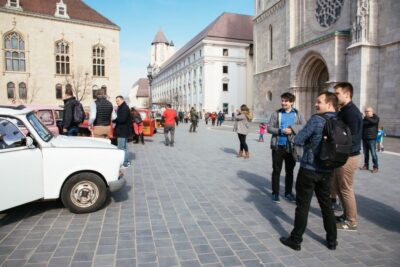
3-Hour Walking Tour About Communism (Small Group)
Read our review →
Memento Park Visit with Private Trabant Transfer
Read our review →
Browse the lists this tour appears in