
Reviewed · COMMUNIST ERA HISTORY TOURS
Life Behind the Iron Curtain, the communist Budapest private
Budapest tells its Cold War story clearly. I love how this Terror Museum stop puts real victims at the center, then you keep walking into the monuments that sold the communist story. I also like the open-air setting at Memento Park, where you can study the big symbols at your own pace. One consideration: the topic is heavy, and the House of Terror is where the emotion lands hardest.
This is a true private tour with hotel pickup and drop-off, so the day feels planned for you, not for a big crowd. Reviews highlight guides like Ildiko and Thomas for personal, human explanations, and I like that you end with the Children’s Railway ride, a surprising contrast to the museums.
In This Review
- Quick hits you will actually remember
- Why Budapest’s Iron Curtain story works in one half-day
- Citadella and the Liberty Statue on Gellert Hill
- House of Terror: victims, documents, and the mechanics of fear
- Memento Park: communist symbols moved out of the city
- Children’s Railway in the Buda Hills: a strange, welcome contrast
- Private tour value: what you are paying for
- How the timing and route feel on the day
- Best fit: who will love this tour
- Practical prep so you can focus on the story
- Should you book this Budapest Iron Curtain private tour?
- FAQ
- How long is the private tour?
- What sites are included in the tour?
- Is this tour private?
- Where do pickup and drop-off happen?
- Is entry to Memento Park included?
- Are entry fees for the House of Terror included?
- What should I bring?
- Is the tour wheelchair accessible?
Quick hits you will actually remember
- Citadella context: the siege of Budapest and the city skyline views help you place later events in time.
- Liberty Statue on Gellert Hill: a huge monument with a layered origin, once tied to Russian troops.
- House of Terror with audio: you get a guided visit plus an audio guide to keep details straight.
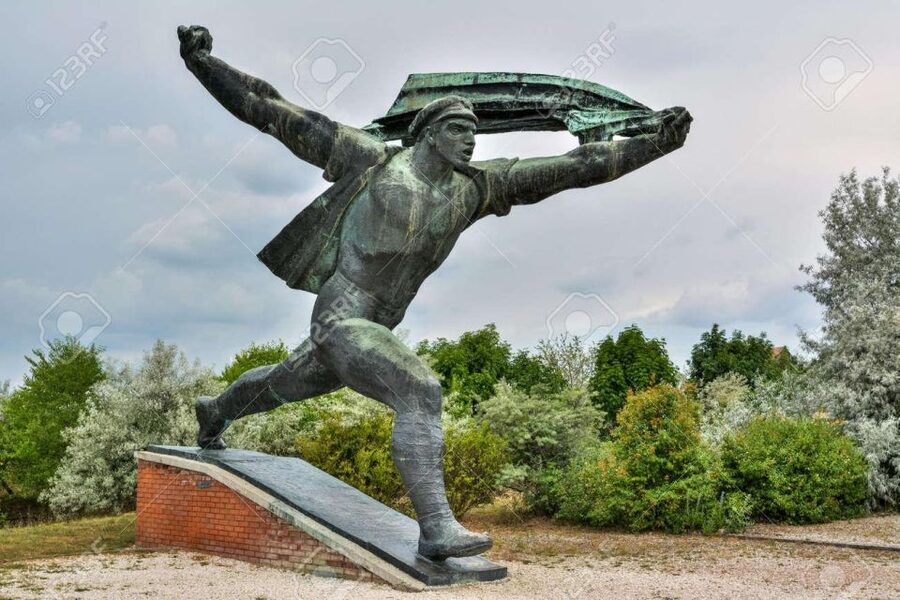
- Memento Park statues moved from the city: 42 pieces, including major communist leaders and the 6-meter Liberation Army Soldier.
- A softer finale on the Children’s Railway: a ride run by kids aged 10 to 14, originally the Pioneer’s Railway.
Why Budapest’s Iron Curtain story works in one half-day
Budapest can feel like it’s all thermal baths and grand architecture. This tour takes you to the other side of the city’s 20th century, the part where power was enforced, fear was official, and propaganda was built into stone.
What makes this format useful is the sequence. You start with the physical setting on Gellert Hill and the Citadella area, then you move into the communist system through a museum built around terror and persecution. After that, you step outside into Memento Park, where the communist symbols are displayed like public artifacts you can walk past and compare.
If you only do one “dark history” stop in Budapest, this day gives you more than one angle. You get the story of occupation and control, not just names on a plaque.
Citadella and the Liberty Statue on Gellert Hill
Your day kicks off with a guided section that connects the end of World War II to the start of Hungary’s occupation period. You go to the Citadella area, a logical first stop because it sits high over the city and the views help you understand why control and visibility mattered.
The big highlight here is the Liberty Statue, also called the Freedom Statue, erected in 1947. It is a towering monument on Gellert Hill, with a 26-meter pedestal and a statue rising another 14 meters, which is why it is often described as one of the tallest of its type in Europe. It later became a universal symbol of freedom, but originally it was dedicated to Russian troops.
That layered origin is the point. It shows you how meanings can change when regimes change, and how monuments can be political long before they become “heritage.” When you stand near it, look beyond the size and try to read it like a message that someone wanted the city to receive.
Practical note: you will likely feel the altitude and wind on Gellert Hill. Dress for cool air even if downtown feels warm.
Further tours of Hungary’s state-socialist years:
- Budapest: Communist History Tour with House of Terror Option
★ 4.8 · 182 reviews - Communism in Hungary with a Historian
★ 5.0 · 70 reviews - Budapest: 3-Hour Walking Tour About Communism (Small Group)
★ 4.7 · 70 reviews
House of Terror: victims, documents, and the mechanics of fear
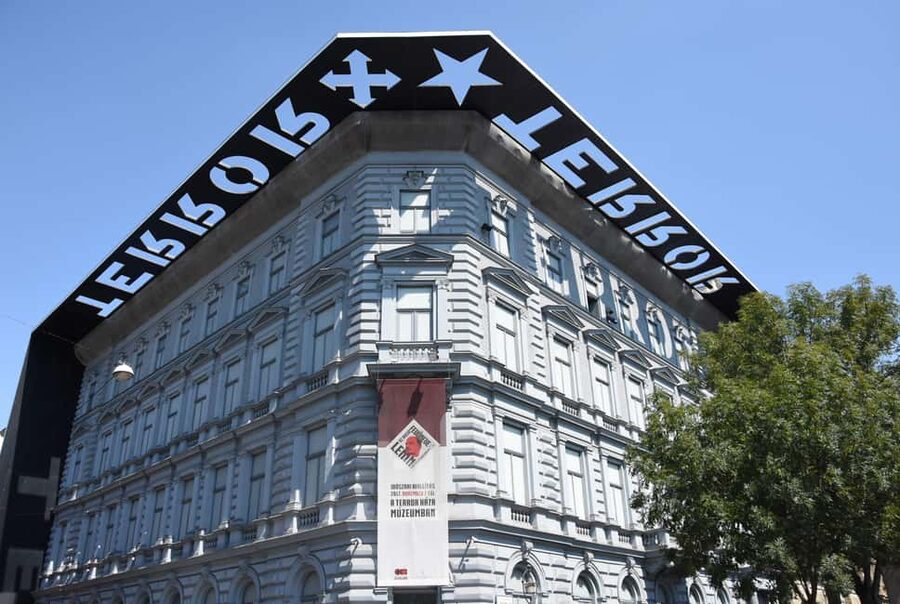
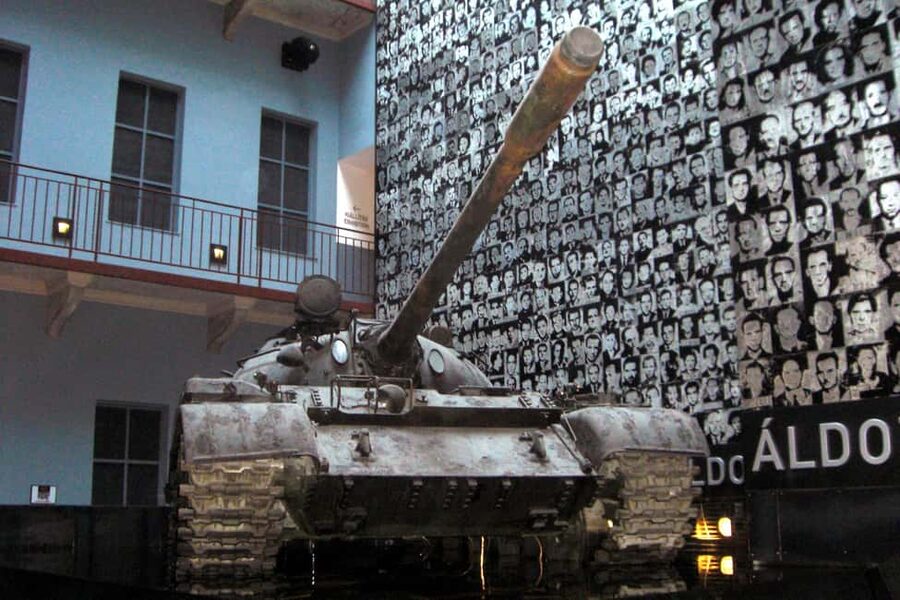
After the sweeping views, the tour shifts to a museum experience focused on those who were victimized during the communist era. This is the emotional centerpiece, the place where the story stops being about ideology and starts being about people, arrests, and persecution.
The House of Terror visit is guided for about 1.5 hours, and it includes an audio guide. That audio layer matters because these museums can throw a lot of names, dates, and themes at you quickly. The guide helps you connect the dots, and the audio helps you slow down inside the rooms that hit hardest.
What I like about pairing this museum with the earlier monument stops is that you start seeing patterns. Propaganda tries to control how you interpret reality. A terror system tries to control what you dare to do. When you get both in the same day, it is easier to understand why the communist era felt total, not just political.
This is also a good stop to ask your guide questions. In reviews, guides like Ildiko and Thomas are praised for being engaging and personal, and that matters here. When your guide shares context and explains why certain exhibits were included, you get more than a tour script.
One caution: if you prefer light and cheerful history, this is not that kind of museum. Plan to take a breath after the most intense rooms and give yourself a moment before you move on.
Memento Park: communist symbols moved out of the city
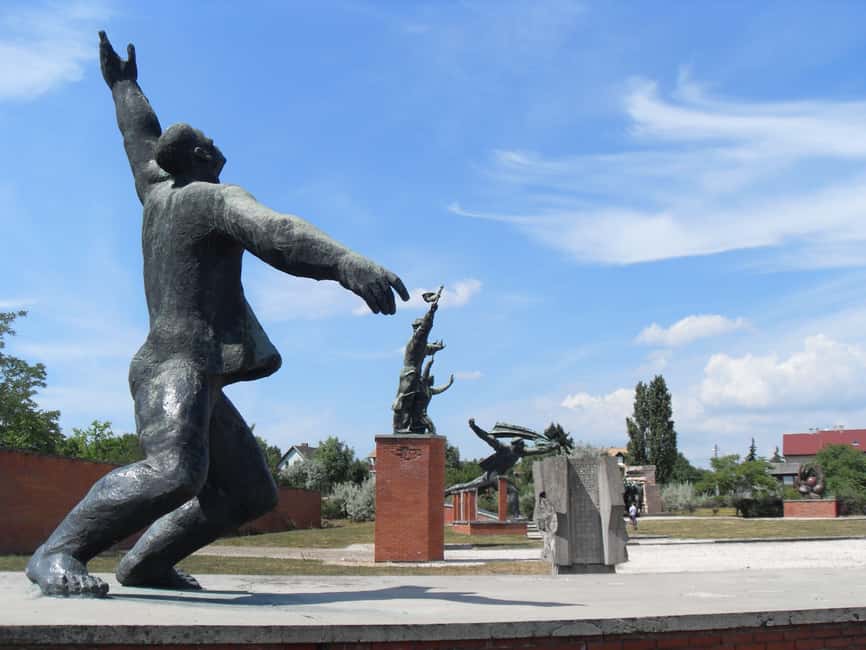
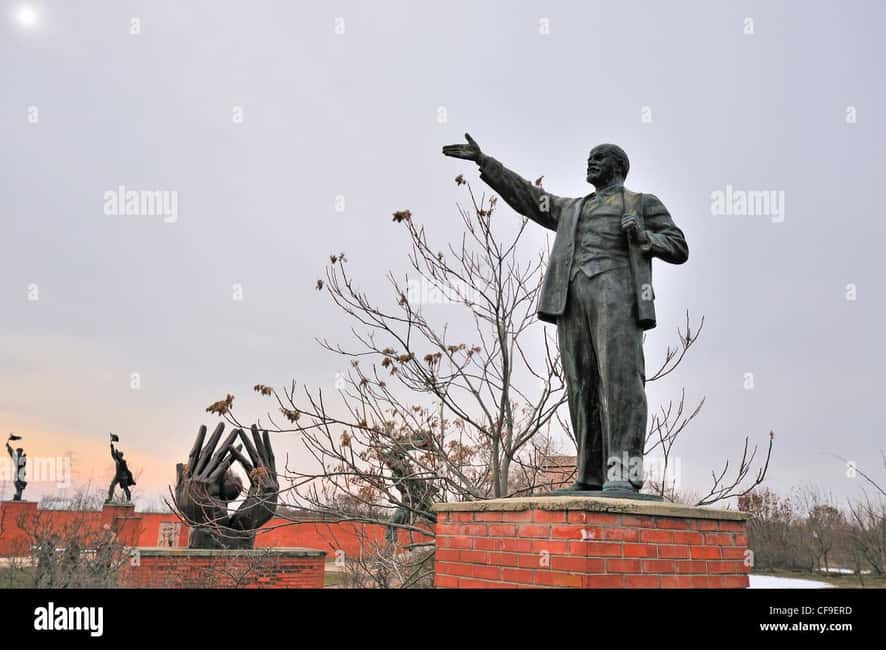
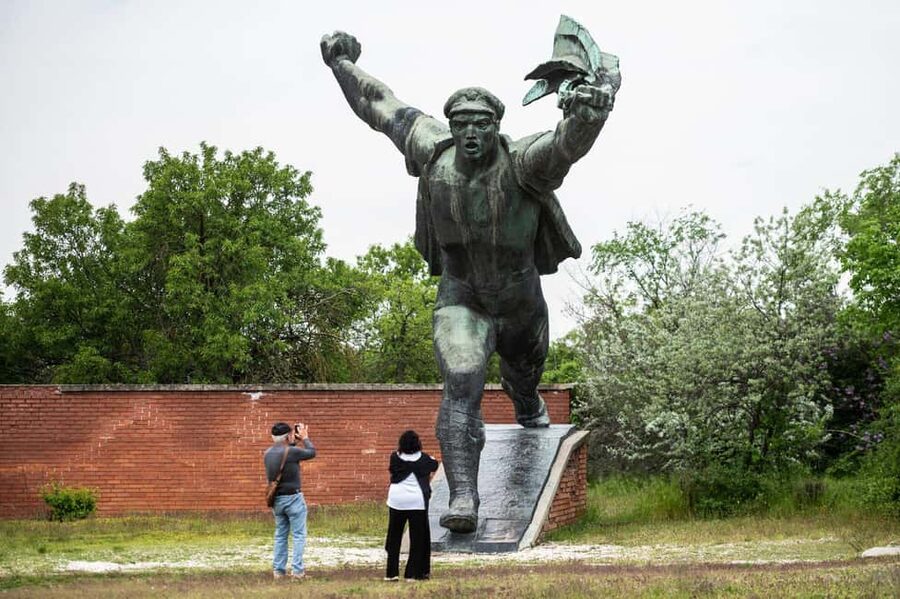
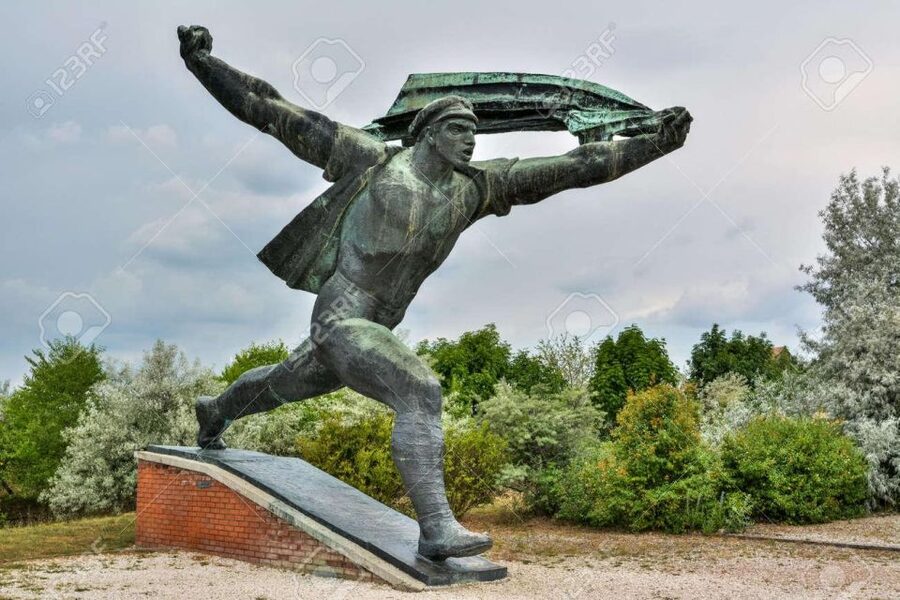
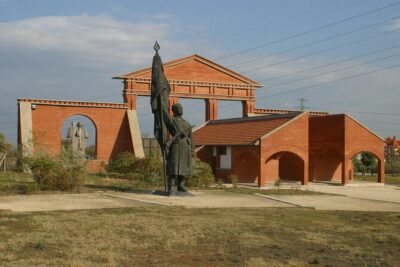
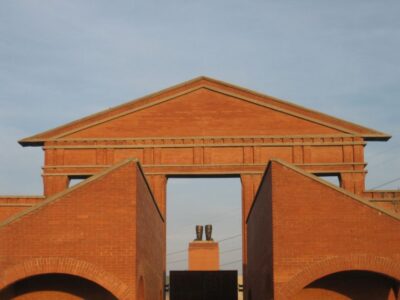
Then you head to Memento Park, an outdoor museum where communist-era statues were relocated from the city. This is where politics becomes something physical, something you can study from several angles, not just something you read about.
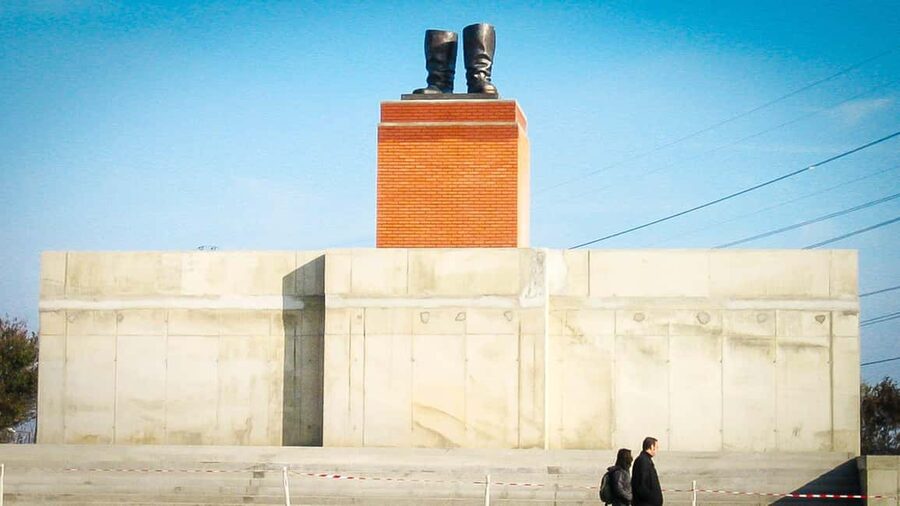
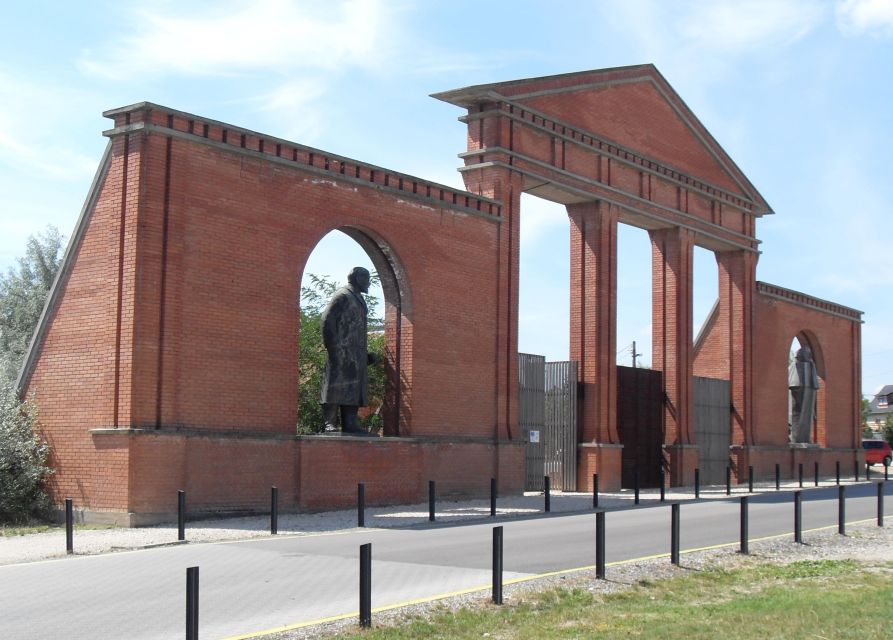
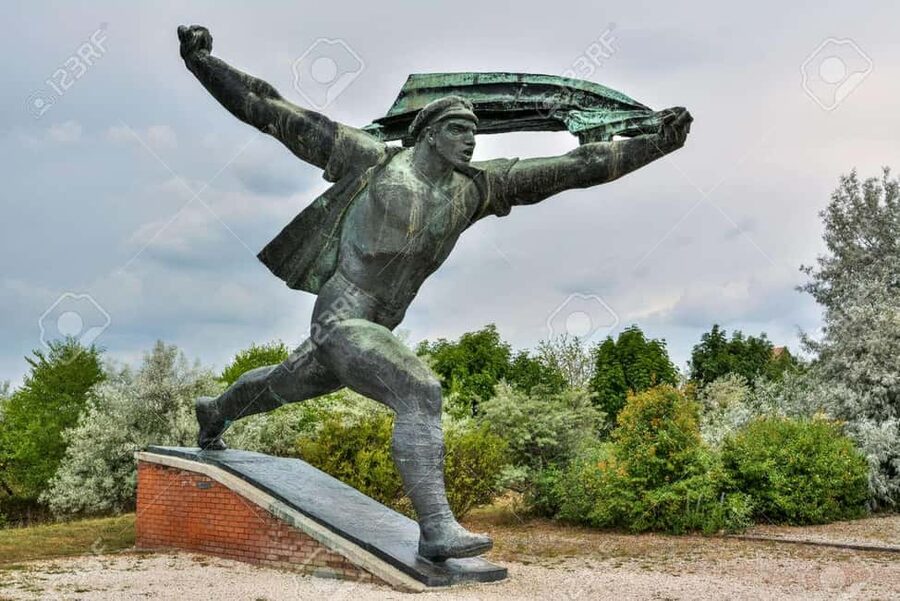
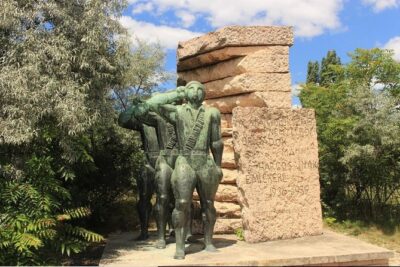
You get a guided visit here for about 1 hour, and entry is included. The park includes 42 pieces, and one of the most striking is the 6-meter-high statue of the Liberation Army Soldier. You also see major communist leaders and icons, including statues of Marx and Lenin, plus Hungarian communist leaders such as Ostapenko.
There is also a Memorial of Hungarian-Soviet Friendship, and a number of other monuments erected from 1945 to 1989. Seeing them together helps you spot the language of the era: how authority was displayed, how unity was staged, and how power tried to look permanent.
I find Memento Park particularly useful because it shows you how regimes use public space. In the city, the statues can feel like background. In a museum park, they become the subject. You start asking better questions, like who they were meant to impress, and what the original placement was trying to accomplish.
If you are photographing, plan for walking time between pieces. This part is outdoor, so wear shoes you trust.
Children’s Railway in the Buda Hills: a strange, welcome contrast
The tour ends with a ride on the Children’s Railway in the Buda hills. It is originally known as the Pioneer’s Railway and opened in 1949, operated by children aged 10 to 14.
That detail can feel odd at first, given the rest of the day. But it is exactly what makes this finale memorable. You are closing the loop on youth, education, and the way a system shapes future citizens. Even when you are having fun on the ride, you are still seeing how children were folded into the era’s structure.
The ride is a “more joyful memory” after the museums, and I like that the day does not end with heaviness. You will still carry the context, but your brain gets a change of pace.
One practical thought: weather can affect comfort outdoors, especially in the hills. Bring a light layer you can add quickly.
Still to cross in Budapest
- Budapest: City Highlights Sightseeing Cruise★ 4.6 · 43,981 reviews
- Budapest: Unlimited Prosecco, Beer and Aperol Spritz Cruise★ 4.8 · 37,304 reviews
- Budapest: Széchenyi Spa Day Ticket with Optional Upgrades★ 4.3 · 23,911 reviews
Private tour value: what you are paying for
At $294 per person for a 5-hour private experience, the value comes from the structure. You are not just buying museum tickets. You are buying guided time, transfers, and the ability to move efficiently between very different sites.
Here is what is included, and why it matters:
- Transfers, plus hotel pickup and drop-off. That reduces hassle and helps you stay on schedule.
- A guide for the Citadella area and guided time at Memento Park and House of Terror.
- Entry into Memento Park.
- An audio guide during the House of Terror visit.
What is not included:
- Entry fees to Retro Museum and House of Terror.
- Lunch.
So the real budget math is: plan on paying for House of Terror entry fees on site. The tour still feels fair if you want a guided explanation, not just self-guided wandering through the exhibits.
Also, private matters for this topic. If you want to ask follow-up questions, or you prefer a slower pace inside intense exhibits, a private format lets you do that. Reviews back this up, with strong praise for how guides like Ildiko and Thomas made the experience engaging and personalized.
How the timing and route feel on the day
This is a half-day tour, but it is not just “quick drive, quick photos.” You have multiple guided segments and a van transfer between areas.
From your first pickup option, you will be picked up from your Budapest accommodation or one of the stated pickup districts (District XI, District V, District VII). You then move to Memento Park for about an hour with a guided visit.
After that you go to the House of Terror for about 1.5 hours guided time. Then you finish with a guided city segment of about 2 hours around the Citadella area and the Liberty Statue area, plus the Children’s Railway ride.
The drop-off is also flexible, returning you to District VII, District XI, or District V. That means you do not end up stranded across town.
If you have tight museum plans the same day, keep some buffer. You will want time to walk, adjust, and reset after the emotional museum part.
Best fit: who will love this tour
This tour is a strong match if you want:
- A guided explanation of communist-era Hungary, not just photos.
- A mix of monuments, museum exhibits, and symbolic outdoor statuary.
- A clear timeline flow, from siege-era context to occupation-era control.
It is also a good choice if you like the “why” behind monuments. The Liberty Statue’s origin and the way communist statues were relocated to Memento Park give you real perspective on how public symbols were used.
You might prefer a different style if you want a strictly scenic or light day, or if museum intensity is not your thing. This itinerary is built around serious content, and the emotional peak is intentional.
Practical prep so you can focus on the story
Bring a passport or ID card, since you will need it for the tour.
If you care about language, you have multiple options for the live guide, including English, Spanish, Italian, German, and French. Pick the language that lets you ask questions, because the best parts of this day are the explanations.
If you have mobility needs, the tour is wheelchair accessible. That is helpful because several stops involve outdoor walking and uneven ground around monuments.
Finally, wear shoes you can trust. You will be outside at Memento Park and around the Citadella area.
Should you book this Budapest Iron Curtain private tour?
Book it if you want a focused, guided way to understand Hungary’s communist era through the places where it was displayed and enforced. The combination of Citadella context, the House of Terror experience with audio support, and the outdoor symbols of Memento Park makes this more than a sightseeing loop. And the Children’s Railway ride gives you a memorable tonal shift that keeps the day from ending on a flat note.
Skip it if you are easily overwhelmed by difficult history or you only want one or two stops in a city rather than a full half-day of serious sites.
If you go, I’d choose it specifically as your “meaningful history” day. It is the kind of route that helps you see Budapest as more than postcards. It shows you how a city remembers, how it was taught to remember, and how that memory was physically built into monuments and museums.
FAQ
How long is the private tour?
It lasts about 5 hours.
What sites are included in the tour?
You will visit the Citadella area and the Liberty Statue, the House of Terror museum, and Memento Park, then finish with a ride on the Children’s Railway.
Is this tour private?
Yes, it is a private group tour.
Where do pickup and drop-off happen?
Hotel pickup and drop-off are included. Pickup options include District XI, District V, and District VII, and drop-off options include District VII, District XI, and District V.
Is entry to Memento Park included?
Yes, entry into Memento Park is included.
Are entry fees for the House of Terror included?
No. Entry fees to the House of Terror are not included.
What should I bring?
Bring a passport or ID card.
Is the tour wheelchair accessible?
Yes, it is wheelchair accessible.
The newest crossings added in Budapest




Communist Era History Tours, compared.

Communist History Tour with House of Terror Option
Read our review →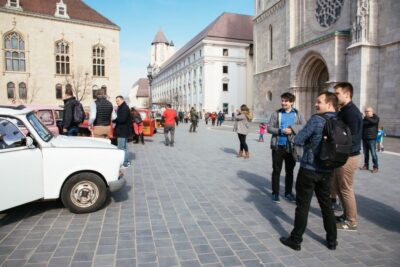
3-Hour Walking Tour About Communism (Small Group)
Read our review →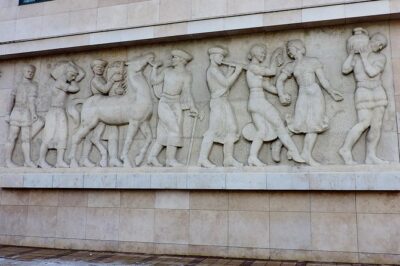
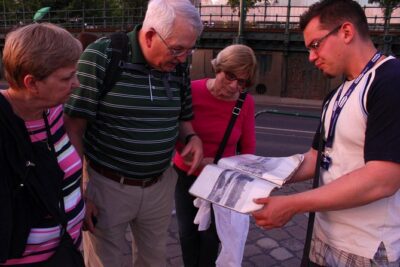
Memento Park Visit with Private Trabant Transfer
Read our review →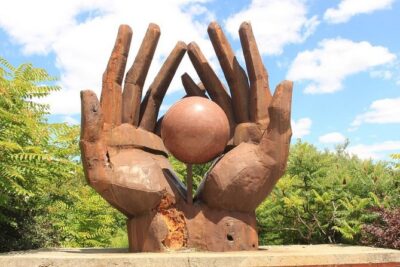
Browse the lists this tour appears in