
Reviewed · COMMUNIST ERA HISTORY TOURS
Communist Budapest Private Walking Tour
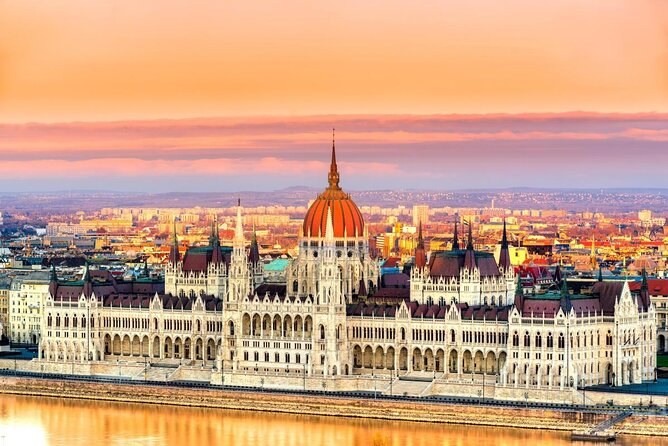
Budapest has a second story, political and brutal. A private communist-era walking tour maps Hungary’s arc from 1949 to 1989, using real streets, statues, and key Cold War settings. You get a historian guide who ties the buildings together so you are not just looking at monuments, you understand why they were placed there.
I like two things a lot: first, the tour is led by local historian guides who can explain the context in plain language. You can also steer the pace, especially if you care more about propaganda, everyday hardship, or the 1956 revolution. Second, the route is built around recognizable, walkable center-city landmarks, including Bem József Square and the parade-style streets and memorials tied to May Day.
One drawback to consider: the tour is deliberately street-focused. Even though it ends near the House of Terror, the museum exhibit itself is not included, so you will likely want to add a separate visit if you want the full indoor experience.
In This Review
- Key things to know before you go
- Private historian guide and the value of place-based storytelling
- Price and group setup: what you are paying for
- How the 3-hour route actually moves across Budapest
- Stop 1: Parliament area to Liberty Square, from 1956 to Cold War power symbols
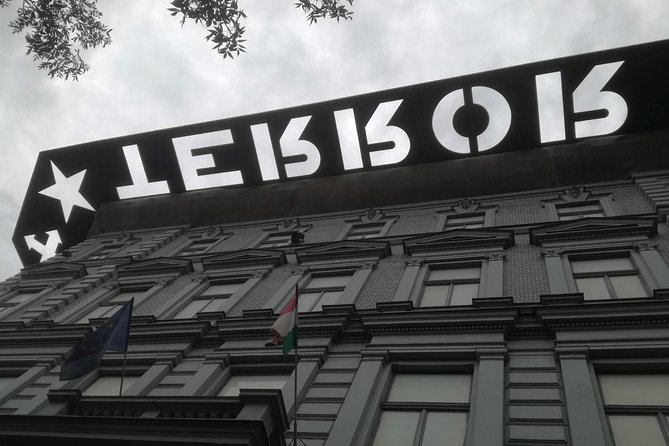
- Stop 2: Outside the House of Terror, where the secret police still cast a shadow
- Stop 3: Puskas Soccer Stadium area, socialist realist statues and propaganda scale
- Stop 4: The Ronald Reagan statue, and why a US figure mattered locally
- Stop 5: Bem József Square, 1956 first big demonstration sites, and a 1960s coffee interior
- Goulash communism: using streets to understand everyday hardship
- Pickups, transport, and how to make the meeting smooth
- Who this communist Budapest tour suits best
- Should you book this tour?
- FAQ
- How long is the communist Budapest private walking tour?
- What does the price cover, and is it per person or per group?
- What is included in the tour?
- Are tram and metro tickets included?
- Is the House of Terror Museum entry included?
- Is cancellation free, and how late can I cancel?
Key things to know before you go
- Private historian guide: expect storytelling and context tied to exact places, not generic lectures
- 3-hour city-center route: timed for public transport and smart walking between major landmarks
- 1956 to late Cold War focus: you see how the regime staged power before, during, and after the uprising
- House of Terror is an outside stop: you finish at the former secret service HQ, but the exhibit is not part of this tour
- Socialist architecture and statues: socialist realist and propaganda visuals are part of the route, especially near the stadium area
- You learn the daily texture: the tour connects political events to life under Hungary’s goulash communism
Private historian guide and the value of place-based storytelling
A communist-era tour can go two ways. It can turn into a dry timeline, or it can show you how power was staged in public. This one aims for the second. You walk through Budapest with a historian guide, so you get cause and effect, and you see how politics shaped what you can still recognize today: squares, monuments, government-near streets, and the symbolism around foreign power.
Local historians like Andras and Kata have a reputation for clear explanations and a friendly hosting style. That matters because the subject can feel heavy fast. When the guide keeps things understandable, you can actually track the ideas while you are moving through the city.
Also, since it is private, you can ask follow-up questions on the parts you care about most. If you want more on May Day public spectacle, you can lean that way. If you want to understand the Soviet relationship or the 1956 uprising trigger points, the guide can focus your walk.
Price and group setup: what you are paying for
The price is set per group, not per person, for up to a small headcount. That can be excellent value if you are traveling with friends or family who also want a structured, guided experience rather than wandering on your own.
Here is the practical way to think about it. You are paying for:
- a historian guide for about 3 hours
- a planned route that links multiple Cold War zones across the center
- help with getting around using metro or tram when needed
- a tighter experience than a general group tour
You are not paying for museum entries. Many of the stops are outside or free to view, but the House of Terror exhibit is not included. So if you are hoping for ticketed museum time, budget extra for that on your own.
If you are two people who want a guided storyline and you are willing to spend a bit more for a true private feel, this is usually the sweet spot. If you are solo and want the cheapest option, a self-guided route plus a single paid museum visit might cost less, but you will miss the guided explanations and pacing.
Further tours of Hungary’s state-socialist years:
- Budapest: Communist History Tour with House of Terror Option
★ 4.8 · 182 reviews - Communism in Hungary with a Historian
★ 5.0 · 70 reviews - Budapest: 3-Hour Walking Tour About Communism (Small Group)
★ 4.7 · 70 reviews
How the 3-hour route actually moves across Budapest
This is a center-city walking plan that uses subway or tram when needed, plus foot segments when sites are close. Your guide can also assist with transport ticket needs if you do not already have a pass. In other words, you are not left figuring out transit on your own mid-tour.
You also get a choice of morning or afternoon departure. That is helpful in Budapest because weather can flip quickly. If you prefer softer light for statues and squares, the timing choice gives you options.
The tour uses a mobile ticket format, and you are encouraged to coordinate pick-up if you want it. Pickup is offered from a central hotel or flat, and your guide will lead the group by metro, tram, or foot. If you do not request pickup, or you do not respond with an address, you meet at the default start point and plan to arrive about 15 minutes early.
Stop 1: Parliament area to Liberty Square, from 1956 to Cold War power symbols
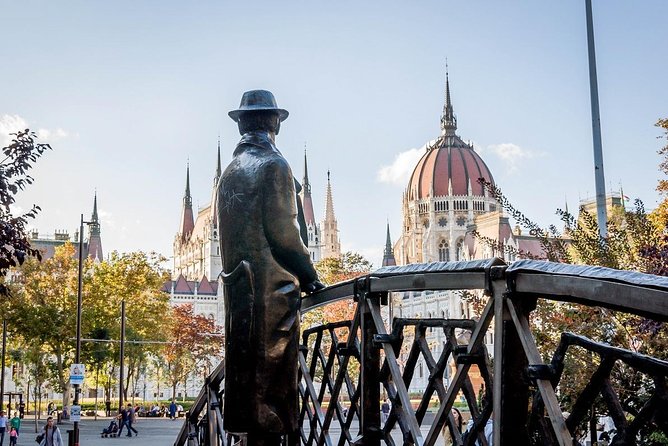
Your tour starts in the Kossuth Square zone in front of the Hungarian Parliament Building area, and the guide uses the subway to get you there. This is a smart opener because Parliament is an instantly recognizable anchor, and the guide can start the story with the revolution-era monuments you see in the square.
From there, you shift toward Liberty Square, and the tour leans into the Cold War geography. You will discuss aspects of the Cold War near the US Embassy area. You will also see major Soviet-related memorials, plus a monument connected to an atomic shelter concept. The effect is practical: the buildings and statues tell you who had influence, who was targeted, and how Budapest tried to frame foreign power.
One thing I like about this segment is the way it sets context before the tour gets darker. Even if the subject feels intense, you can follow the logic step by step, from revolutionary turbulence into the long years of state messaging.
Possible drawback: because this section includes multiple landmarks in a relatively compact timeframe, it can feel brisk if you want extra photo time at each point. If you are a photographer, mention it to your guide early so you can adjust.
Stop 2: Outside the House of Terror, where the secret police still cast a shadow
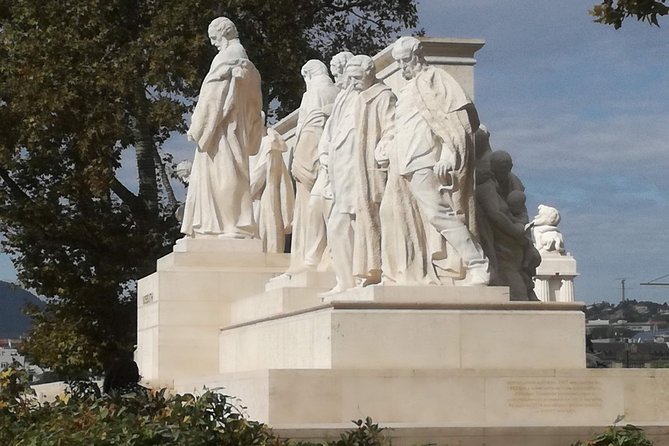
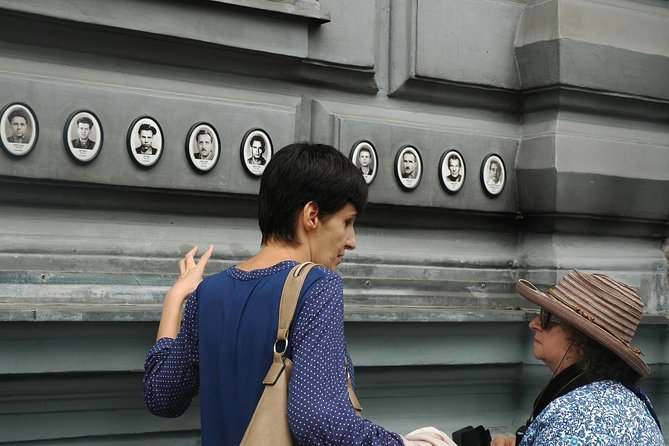
You end this main run outside the House of Terror Museum at Andrássy út 60. The stop matters even without the exhibit time, because the building is the former headquarters of Hungary’s communist secret services. In front, you also see a slab associated with the Berlin Wall, which visually connects Budapest’s story to the wider divided-Europe symbol language.
Because the tour does not include entry into the museum exhibit, you finish at a perfect launch point if you want to keep going. If you want the full details indoors, you can stay in the area and buy tickets for a separate visit.
If you are sensitive to heavy political content, this outside stop helps you control your level of exposure. You get the setting, the weight, and the symbolism, without being forced into a longer museum session during the 3-hour window.
More of the city, bank to bank on foot:
- Budapest: Buda Castle Walk with Saint Stephen’s Hall★ 4.5 · 3,012 reviews
- Big Bus Budapest Hop-On Hop-Off Bus and Walking Tour★ 3.5 · 2,206 reviews
- Budapest: Buda Castle District Walking Tour★ 4.6 · 2,108 reviews
Stop 3: Puskas Soccer Stadium area, socialist realist statues and propaganda scale
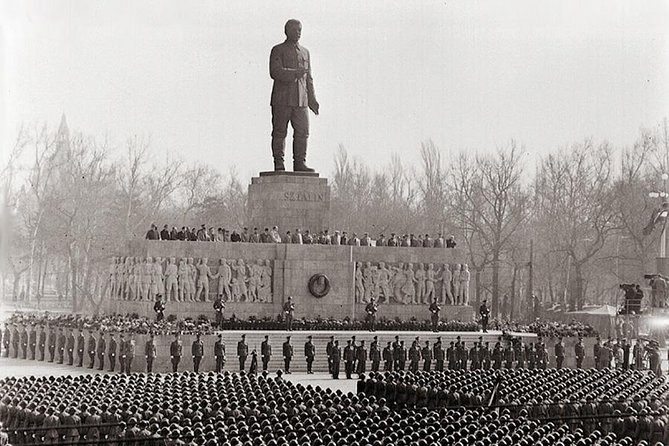
After the earlier political landmarks, the tour shifts toward the former People’s Stadium area, now known as Puskás Aréna and associated with Ferenc Puskás. This is an important stop because big stadium spaces were often used for mass events, and regimes loved to stage ideology in wide open public settings.
You will see socialist realist statues still standing around the area. Even if you are not an art history person, you can read the message through scale and style. These figures were meant to communicate power and certainty, not subtlety.
What makes this stop valuable is the contrast. Parliament and Cold War squares can feel like official politics. The stadium space feels like public performance. It helps you understand how propaganda worked when it was not only in documents and government halls, but also in public life.
Possible drawback: if you expect this to be a full interior tour of the stadium or a long stop for photos, you might feel a little time-limited. The focus stays on what is visible and meaningful from the street.
Stop 4: The Ronald Reagan statue, and why a US figure mattered locally
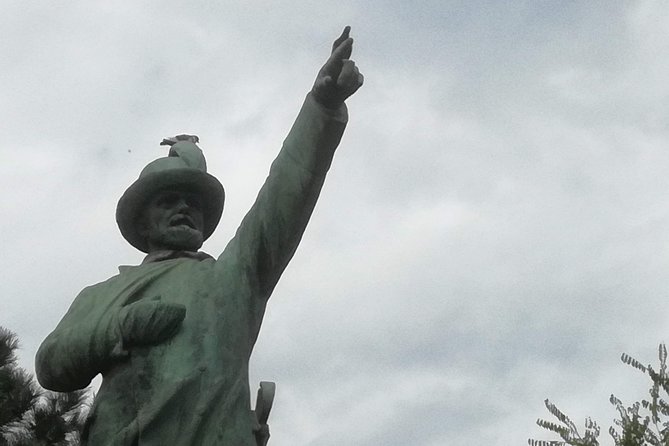
The tour includes a stop at a Ronald Reagan statue. The guide uses it to explain a Hungarian interpretation of obligation to this US president, tied to his role in efforts that helped bring down the Iron Curtain.
This is one of the tour’s smarter moments because it adds a layer you might miss if you think of the Cold War as only a binary. Even in communist-era spaces, you can find signals that Budapest was responding to global forces and later rewriting the story of who helped change the system.
Also, seeing Reagan in the cityscape gives you a concrete way to compare ideology over time. One statue represents the regime’s old opponents, another represents the new narrative after the shift.
Stop 5: Bem József Square, 1956 first big demonstration sites, and a 1960s coffee interior
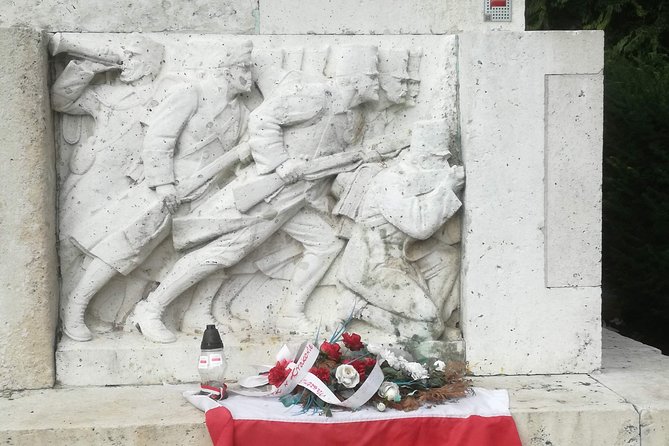
Bem József Square is the emotional center of this walking plan. The guide points out that this is where the first major demonstration of the 1956 uprising started. Standing in a place like that, you can understand why squares were so important for mass movement, and why governments watched public spaces closely.
There is also a very practical detail here: a coffeehouse on the square that has kept its original interior from the 1960s. Even if you do not plan a long break, it is worth using this moment to think about continuity. The political story changes, but daily life settings can last.
If you like small textures, this stop gives you them. A 1960s interior helps you picture what people were living with day to day, while the square itself connects to revolutionary intent.
Possible drawback: coffeehouses can have variable hours and service patterns. If you want time inside, plan a quick check with your guide or be flexible with timing.
Goulash communism: using streets to understand everyday hardship
The best tours do not treat communism only as a set of famous dates. This one connects the big events to what “life under Hungary’s goulash communism” meant in practical terms. That phrase signals a system with shortages and restrictions, but also with some unofficial workarounds and a more everyday, lived-in reality than the slogans would suggest.
When your guide ties hardship to the places where power was shown, the politics becomes less abstract. You start connecting why certain memorials and public rituals mattered. You also see why propaganda was so focused on shaping public emotion, especially around major dates.
This is also why the route choices matter. You are not only walking past government buildings. You are walking past spaces designed for public messaging: squares, monument viewpoints, and stadium-style mass gathering areas.
Pickups, transport, and how to make the meeting smooth
You can do this tour with or without pickup. If you want pickup, your guide meets you at your central hotel or flat and leads you into the route using metro, tram, or foot as sites get close. If you do not want pickup, or you do not send an address, you should meet your guide 15 minutes before the start time at the default meeting point.
Bring or check a transport pass if you have one, but do not stress if you do not. The guide will help you purchase required tram and metro tickets if you are without a pass. That little support is worth something because it keeps the tour from stalling.
Who this communist Budapest tour suits best
This tour is a strong fit if you:
- want a private historian-led walk rather than a general overview
- care about how 1956 connects to later Cold War messaging
- like seeing propaganda style in real public spaces, not only in textbooks
- want a route that includes symbolism tied to both Soviet influence and later Western references
It is also a good match for travelers who dislike big museum marathons. You get key external landmarks and a clear storyline in about 3 hours, and you can choose whether to add a museum entry after.
Should you book this tour?
If you want Budapest’s communist-era story told in the city streets, this is an easy yes. You get a private format, clear historian hosting, and an itinerary that moves from revolutionary ground in 1956 to the visible Cold War symbols that still sit in the urban fabric today.
I would book it especially if you are the kind of traveler who pauses at statues and squares and wants them explained. The route gives you exactly that, and ending outside the House of Terror lets you decide how much indoor detail you want after the walk.
I would think twice if you mainly want museum time. Since the House of Terror exhibit is not included, you might leave wanting more inside access. In that case, pair this walk with a separate museum visit on the same day, or choose an option that includes the exhibit time.
FAQ
How long is the communist Budapest private walking tour?
It runs for about 3 hours.
What does the price cover, and is it per person or per group?
The price is listed per group, with a small group size cap, and it includes the guided walk with a private historian guide.
What is included in the tour?
You get a 3-hour guided walking tour with a private historian guide. A mobile ticket is offered, and the guide can assist with transit tickets if you do not have a pass.
Are tram and metro tickets included?
No. Tram and metro tickets are not included, but your guide can help you purchase them if needed.
Is the House of Terror Museum entry included?
No. You visit the House of Terror area outside, and the museum exhibit inside is not included.
Is cancellation free, and how late can I cancel?
Free cancellation is available, and you can cancel up to 24 hours in advance for a full refund.
The newest crossings added in Budapest



Communist Era History Tours, compared.
Communist History Tour with House of Terror Option
Read our review →
3-Hour Walking Tour About Communism (Small Group)
Read our review →
Memento Park Visit with Private Trabant Transfer
Read our review →
Browse the lists this tour appears in