
Reviewed · COMMUNIST ERA HISTORY TOURS
Budapest: Memento Park and Icons of Communism Guided Tour
Communism hits differently in open air.
This small-group tour takes you from Batthyány tér to Memento Park to see 41 communist-era icons up close, then explains how that imagery worked as propaganda. It is history you can walk around, not something trapped behind glass.
What I especially like is the way the guide ties each monument to the real mechanics of control, including how a Marx-inspired system became a nightmare for millions. I also like the human scale details you will notice yourself, like Stalin’s boots standing where a dictator once loomed, and how the guide helps you picture what happened in the uprising.
One consideration: this tour leans political and heavy in theme. If you prefer light, purely visual sightseeing, you might find the subject matter emotionally intense.
In This Review
- Key highlights to look for
- How Memento Park turns statues into real political power
- Getting to Memento Park: a straightforward 45 minute ride
- The main stop: your guided 1.5 hour walk through 41 communist icons
- Why the statues feel different when you know the story
- Stalin’s Grandstand and the Boots of Stalin: the emotional core
- Photo time: how to get the shot without ruining the walk
- The return ride and what you carry with you
- Price and value: is $68 worth it?
- Who this tour suits best
- Practical details that make the experience smoother
- Should you book this communism icons tour?
Key highlights to look for
- A guided walk through 41 communist statues, including major names like Marx, Engels, and Lenin
- Stalin’s Grandstand imagery, plus the story of how angry Hungarians brought the statue down
- Boots of Stalin as a focused symbol of broken intimidation and the longing for freedom
- Propaganda and rule-of-law changes explained plainly, so the monuments make sense instead of just looking odd
- Small group size (up to 7), which makes questions easier and the pace more human
- Photo help on site, including the guide stepping in to help you get the shot
How Memento Park turns statues into real political power
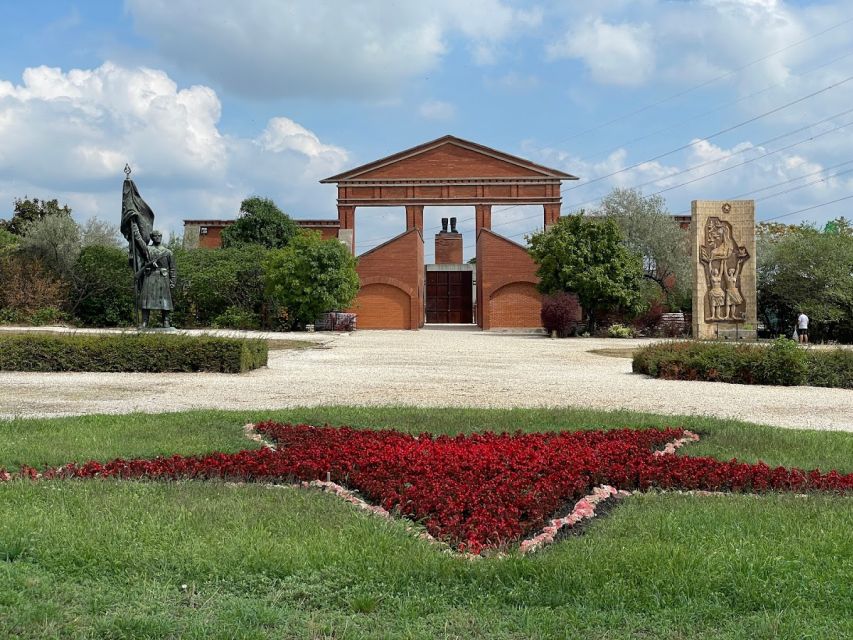
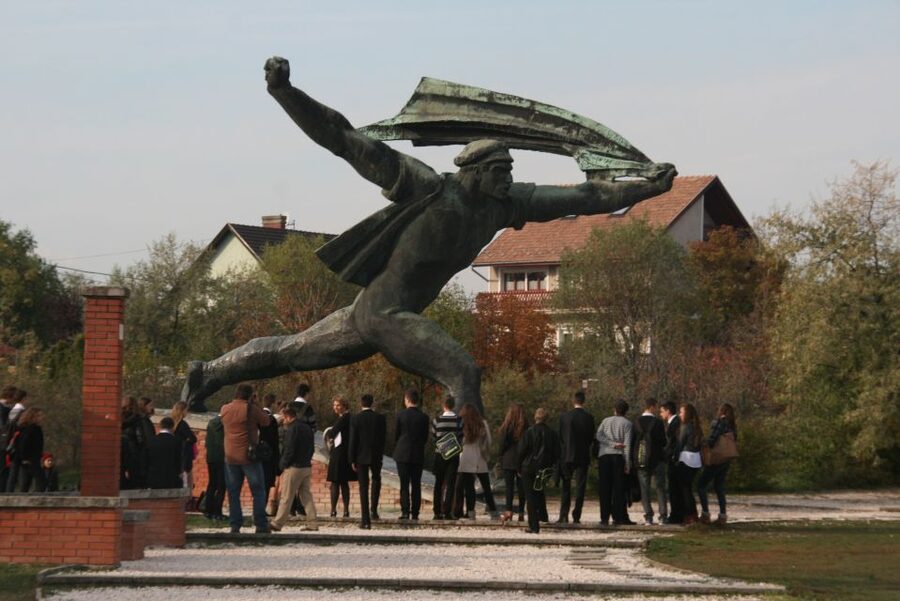
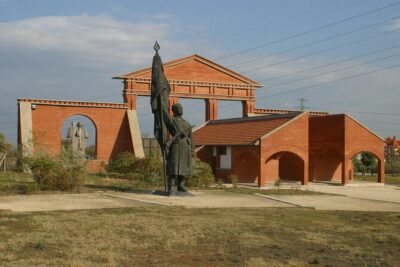
Memento Park is an open-air museum built from the communist past. After the system fell, a set of huge figures was placed there, so you can stand close and see the scale that once filled public squares. It is one thing to read about ideology, and another to feel how big these symbols were meant to be.
The tour’s core value is not just what you see, but what you understand. The guide walks you through why communism took root in Hungary after World War II, and how the new power reshaped everyday life through rules, pressure, and fear. Instead of treating the statues as art objects, you will treat them like tools.
And yes, you will also notice the emotional contrast. The park is filled with monuments that tried to project confidence, yet the stories behind them are often about control failing in the face of anger, courage, and resistance.
Getting to Memento Park: a straightforward 45 minute ride
You start at Batthyány tér, a well-known square beside the Danube. It is easy to reach by Metro line 2 or trams 19 or 41, and you meet in front of St. Anne Church with its two towers.
From there, you ride in a private car to the park, about 10 miles, or roughly 16 km from central Budapest. The drive is scheduled at 45 minutes, which is a sweet spot. It is long enough to feel like you are leaving the city behind, but short enough that you still have energy for the walking.
If you get hot easily, it helps that the guide is attentive about comfort. In past tours, Victor has been mentioned as offering bottled water and trying to help people find shade when the weather turns.
Further tours of Hungary’s state-socialist years:
- Budapest: Communist History Tour with House of Terror Option
★ 4.8 · 182 reviews - Communism in Hungary with a Historian
★ 5.0 · 70 reviews - Budapest: 3-Hour Walking Tour About Communism (Small Group)
★ 4.7 · 70 reviews
The main stop: your guided 1.5 hour walk through 41 communist icons
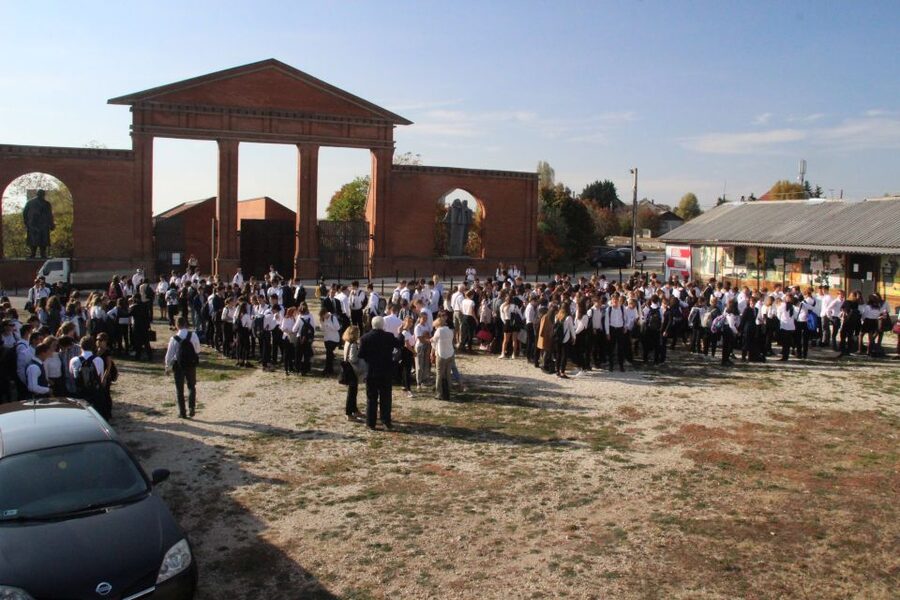
At Memento Park, you get a live English-speaking licensed guide who leads the museum portion. The walk is about 1.5 hours, plus a bit of free time for sightseeing and photos.
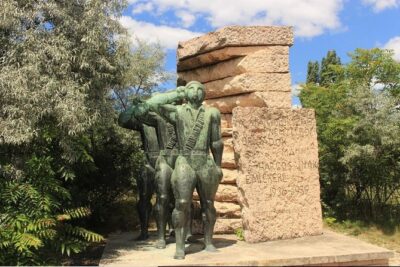
The park holds 41 statues that represent the communist era. You will encounter the big names you expect, like Marx, Engels, and Lenin, along with the political figures whose imagery was designed to feel unavoidable. What makes the guided part worthwhile is how the guide explains what those figures were meant to communicate.
You will also learn how propaganda was built to shape thinking and behavior. That includes how the communist grip changed how people experienced the rule of law once the communists took power. The guide also covers how a Marx theory, in practice, became a nightmare for millions, and how that ideology translated into systems of intimidation.
A key theme is the secret police. You will hear how they recruited new members under Soviet rule and how an ordinary person could be pressured. This is not just theory. It is meant to help you understand why people stayed quiet, why some tried to escape, and why courage mattered.
Why the statues feel different when you know the story
Standing near a giant statue is one thing. Standing there while someone explains what it was meant to enforce changes everything. The guide focuses on the manipulation part, so you notice the message each monument carried, not just its size.
You will likely come away thinking in a different way about public art under authoritarian regimes. Even after the system is gone, the physical presence still forces you to confront how power tried to script people’s thoughts.
Stalin’s Grandstand and the Boots of Stalin: the emotional core
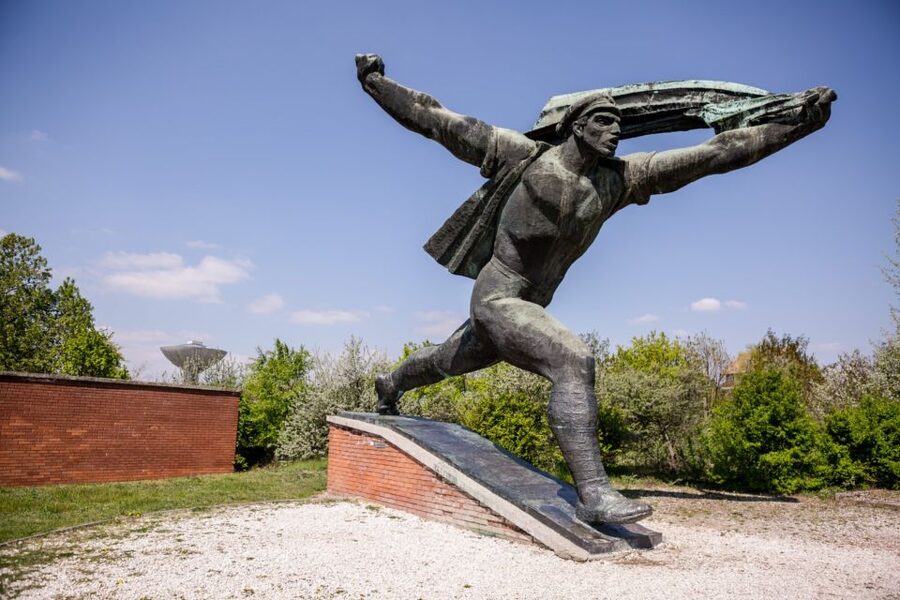
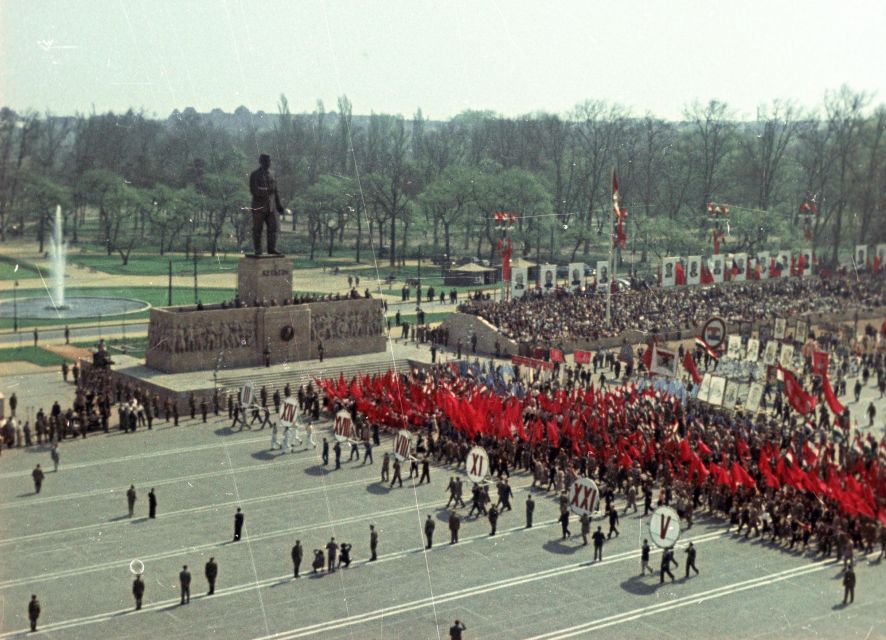
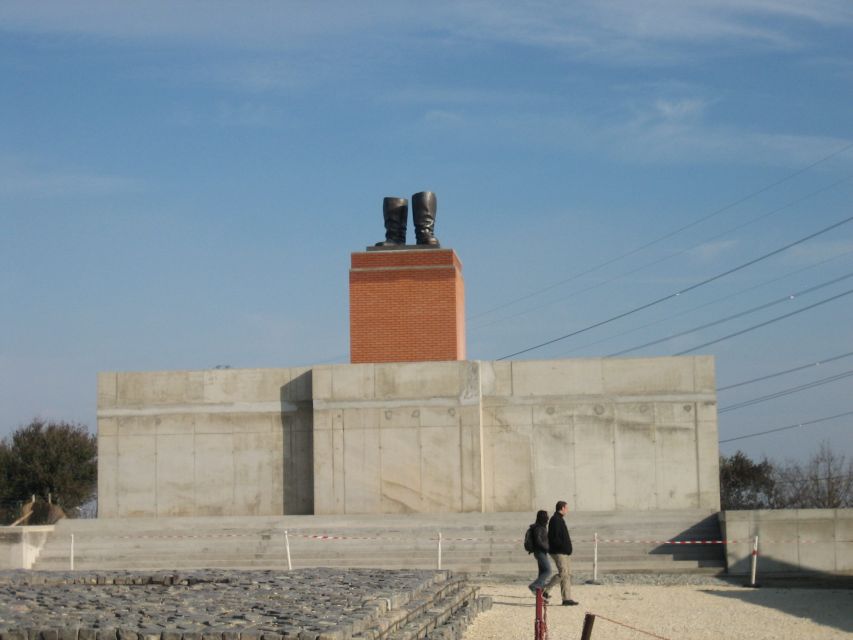
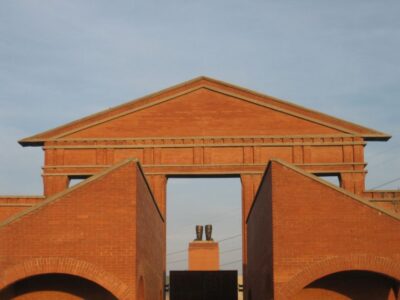
One of the most memorable segments is the area around Stalin’s Grandstand. The tour invites you to imagine the moment when a huge statue of the hated dictator was pulled down by a revolting crowd. Even if you only take in the story, you can see why the memory matters.
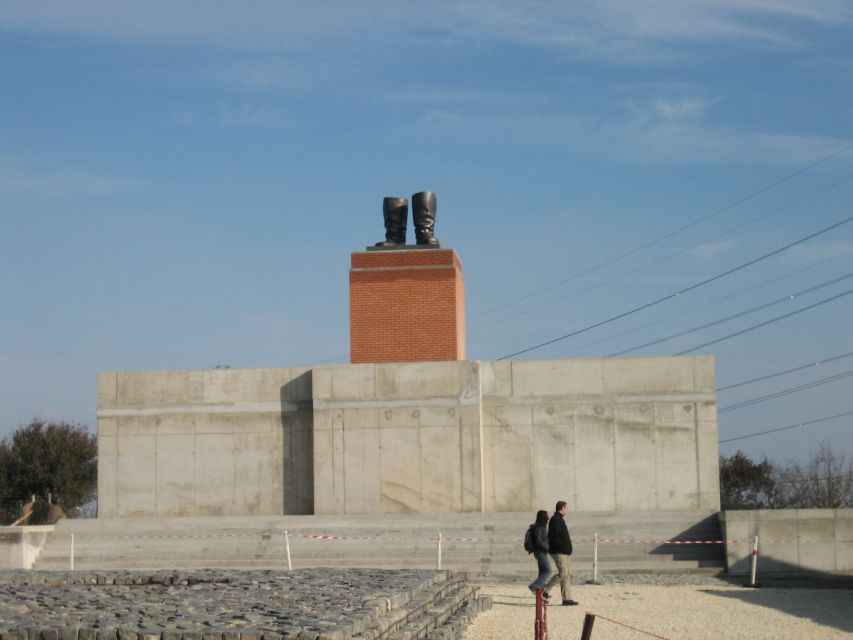
Today, the park keeps a sharply reduced remnant of that history. You will mainly see the Boots of Stalin, which the tour frames as a symbol of people’s longing for freedom. That is a powerful shift. Instead of a full, imposing ruler, you get the parts that suggest what was once there and how it got undone.
It is also a smart teaching moment. The guide uses this contrast to show how communist intimidation worked, then how resistance answered it. You are not left with one mood. You get both fear and the eventual break.
Still to cross in Budapest
- Budapest: City Highlights Sightseeing Cruise★ 4.6 · 43,981 reviews
- Budapest: Unlimited Prosecco, Beer and Aperol Spritz Cruise★ 4.8 · 37,304 reviews
- Budapest: Széchenyi Spa Day Ticket with Optional Upgrades★ 4.3 · 23,911 reviews
Photo time: how to get the shot without ruining the walk
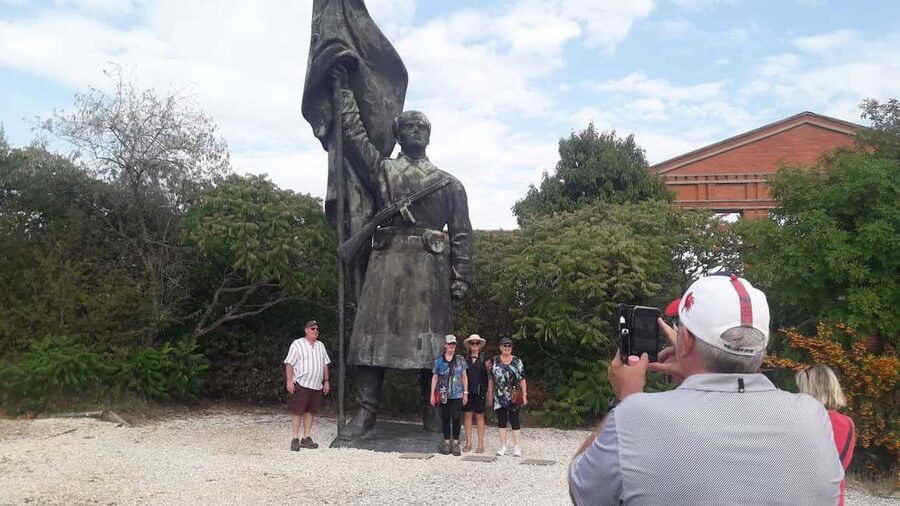
Memento Park is built for pictures, because the statues are huge and spaced out for viewing from multiple angles. During your visit, you can take photos of the monuments, and your guide will happily help you take them too.
This is more useful than it sounds. Big statues create great visuals, but you need a person in the frame to show scale. Past guests have noted that the guide will jump in to help them get the photo, free of charge.
Tip that helps: take a few quick shots right after the guide explains a location, then slow down during free time. That way, your photos match what you learned, and you do not miss the meaning while you are busy aiming a camera.
The return ride and what you carry with you
After your park time, you head back to the city with another 45 minute van ride, returning to Batthyány tér. The tour duration is 3 hours total, which keeps it efficient if you are trying to fit Memento Park into a busy Budapest itinerary.
What you carry home is usually a clearer picture of how ideology becomes practice. The monuments explain the past visually, but the guided storytelling explains the cause and effect: ideology, propaganda, rule changes, secret police pressure, and the ways people tried to survive, resist, or escape.
Even if you are not a history buff, you will likely leave with a better sense of why Hungary could live under communism for about 40 years after World War II. The guide’s aim is understanding, not just collecting facts.
Price and value: is $68 worth it?
At $68 per person for a 3 hour experience, the price makes sense when you look at what you get bundled.
Included value points:
- Transport by car from Batthyány tér and back
- Entrance fee to Memento Park
- Live English-speaking licensed guide at the museum
- Skip the ticket line
- Bottled water
- Photo help so you can actually capture the scale of the statues
- Small group size, limited to 7 participants
If you tried to do it on your own, you would likely spend time coordinating transport and then lose the context that makes the monuments click. The guide is the part that turns a cool photo location into a meaningful story you can explain to friends.
So, I see this as strong value if you like context. If you only want a quick stop to take photos, it could feel pricier than a DIY visit. The sweet spot is when you want both the site and the explanation.
Who this tour suits best
This tour is a great match if you:
- Like history with a political edge
- Want to understand how propaganda works in real life
- Are okay with serious themes and moral weight
- Prefer a small group over crowded sightseeing
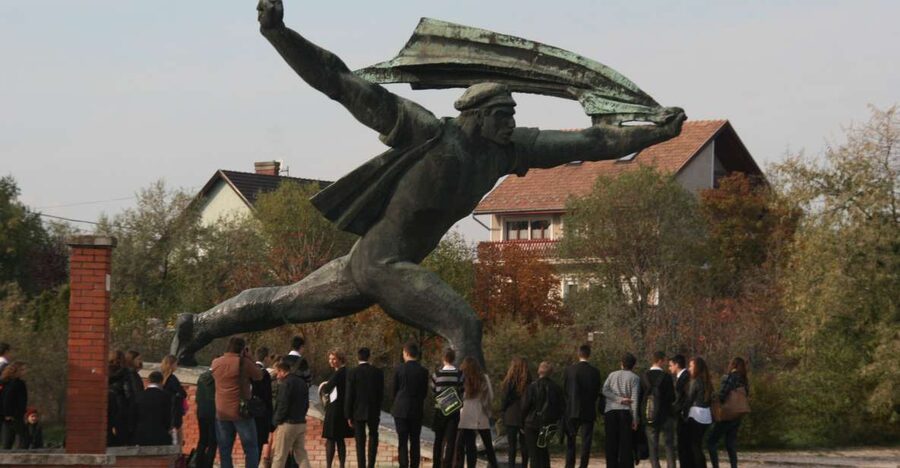
It is also a good option for art and photo lovers who care about symbolism. These statues are staged, designed, and meant to persuade. With the guide’s help, you start reading them like messages.
If you are traveling with teenagers, it can work well because the guide answers questions in an approachable way, and the park gives them something tangible to react to.
Practical details that make the experience smoother
Here are a few useful things to know so you go in prepared:
- You will be picked up and dropped back at Batthyány tér.
- The museum time includes guided tour plus free time for sightseeing and photos.
- You can buy souvenirs in the shop, including pictures and postcards.
- Food is not included, so plan snacks or a meal around your tour start time.
- The guide can help take photos with the statues, and water is provided.
If you are sensitive to heat, bring a hat and water if you have it, even though bottled water is included. The guide has been described as helping people find shade when possible, which is a nice touch.
Should you book this communism icons tour?
If you want a faster way to understand Hungary’s communist era, this is worth booking. The combo of small-group pacing, transport included, skip-the-line convenience, and a guide who connects each monument to the mechanics of control is exactly what you need at Memento Park.
I would especially recommend it if you feel Budapest’s history is more meaningful when it has context, not just locations. The park is visually striking, but it becomes memorable when the stories behind it are explained clearly, including how Stalin’s image dominated, how people reacted, and how intimidation worked.
Only skip it if you are looking for a light, purely scenic outing. This is history with emotional weight, and the tour does not treat that as a side note.
The newest crossings added in Budapest




Communist Era History Tours, compared.

Communist History Tour with House of Terror Option
Read our review →
3-Hour Walking Tour About Communism (Small Group)
Read our review →
Memento Park Visit with Private Trabant Transfer
Read our review →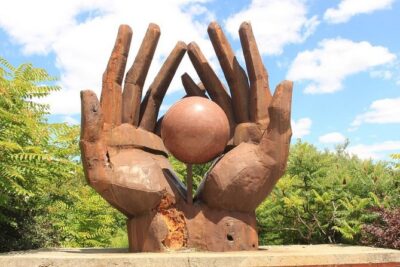
Browse the lists this tour appears in