
Reviewed · COMMUNIST ERA HISTORY TOURS
Budapest: Hammer & Sickle Communism Walking Tour
Communism has a way of showing up in plain sight. This 2.5-hour walk through central Budapest makes the Cold War feel practical, down to passports, school life, and the daily rhythm behind the Iron Curtain. I liked how the tour connects big events to real habits, and I also liked the licensed guide style, with clear explanations rather than a lecture.
Two things I’m especially happy about: the stop at Liberty Square tied to the Soviet memorial, and the visit to a small 1956 Revolution exhibition that gives the story texture, not just dates. You also get coffee, tea, or a soft drink to keep your legs moving during the urban storytelling.
One consideration: it includes about 2 hours of continuous walking, mostly on streets in Pest. If you get sore easily, or you need frequent breaks, this is the part you should think through before you book.
In This Review
- Key takeaways before you go
- Deák Ferenc Square to real places of the Cold War
- The 2.5-hour walking format, and why it helps
- Everyday communist life, from passports to school
- The 1956 Revolution exhibition, and what the volleys add
- Liberty Square and the Soviet memorial in context
- Parliament-area symbolism, and why downtown streets matter
- Coffee and the human side of ideology
- What the guide quality looks like in real life
- Price and value for a 2.5-hour history walk
- Who should book this tour, and who should skip it
- Should you book the Hammer and Sickle communism walking tour?
- FAQ
- Where do I meet the guide for the Budapest Hammer and Sickle walking tour?
- How long is the tour?
- Is there a lot of walking?
- Does the tour run in bad weather?
- Is the tour offered in English?
- Is the tour suitable for children or people with mobility impairments?
- What’s included in the price?
- Can I cancel, and is there a pay-later option?
Key takeaways before you go
- Iron Curtain stories you can picture, like how people handled routine life under the system
- Liberty Square, Soviet memorial context, placed right where you can see it
- 1956 Revolution exhibit time, including a focus on the commemorated volleys
- Central-city walking route, designed to connect key sites around Parliament and downtown
- English licensed guide, with conversational, well-prepared delivery (including past guides like George)
Deák Ferenc Square to real places of the Cold War
The tour starts at 1052 Budapest, Deák Ferenc tér 4, in front of the Lutheran Church, on the pale yellow church steps. From there, you work your way through small Pest streets toward the heart of the political story. It’s a clever setup because the route is built around the city’s geography, not just a museum lesson.
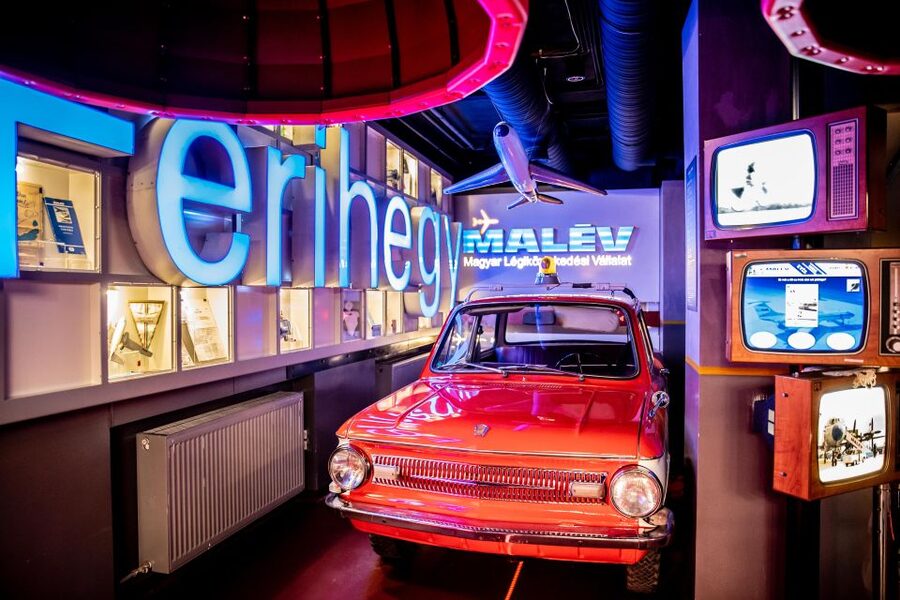
Budapest has plenty of monuments, but communist history can still feel abstract unless someone ties it to daily life. This tour does that by talking about what people actually did, including the kind of routines that happened at work and at home. Expect talk about things like people driving Trabant cars and how spirits and work life fit together during the era, the kind of details that make history feel less distant.
If you’re the type who likes understanding the past without turning it into a shouting match, you’ll probably appreciate the tone. The guide approach described by past participants tends to be professional and prepared, and it aims to keep the story organized from stop to stop.
The 2.5-hour walking format, and why it helps
You’re on foot for about 2 hours continuously, which is a lot for a tour where the main goal is context. The upside is that walking forces you to slow down and notice things: street layout, building placement, and the way major squares pull you forward. In practice, that means each stop lands with more meaning because you’ve physically moved through the city the way people in that area would have.
The tour runs in all weather, so plan for rain, wind, or sun. Bring weather-appropriate clothing, and treat the day like a normal city stroll, just with heavier content. Comfortable shoes matter more here than on some short history stops, because your feet will feel the difference between one plaza and the next.
Group size is private or small, so you’re more likely to get questions answered clearly. The small-group format also helps with pacing, which matters when your guide is walking and talking for hours.
Further tours of Hungary’s state-socialist years:
- Budapest: Communist History Tour with House of Terror Option
★ 4.8 · 182 reviews - Communism in Hungary with a Historian
★ 5.0 · 70 reviews - Budapest: 3-Hour Walking Tour About Communism (Small Group)
★ 4.7 · 70 reviews
Everyday communist life, from passports to school
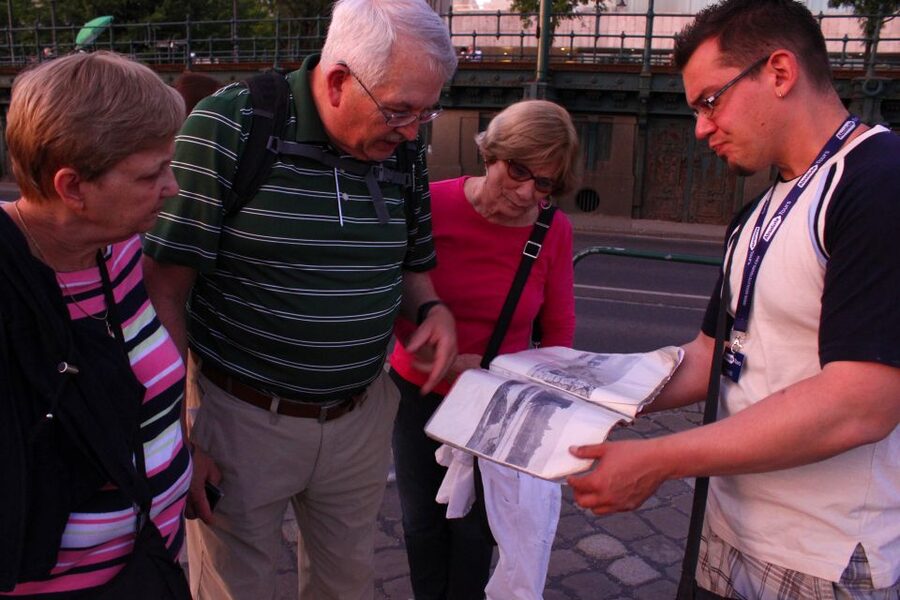
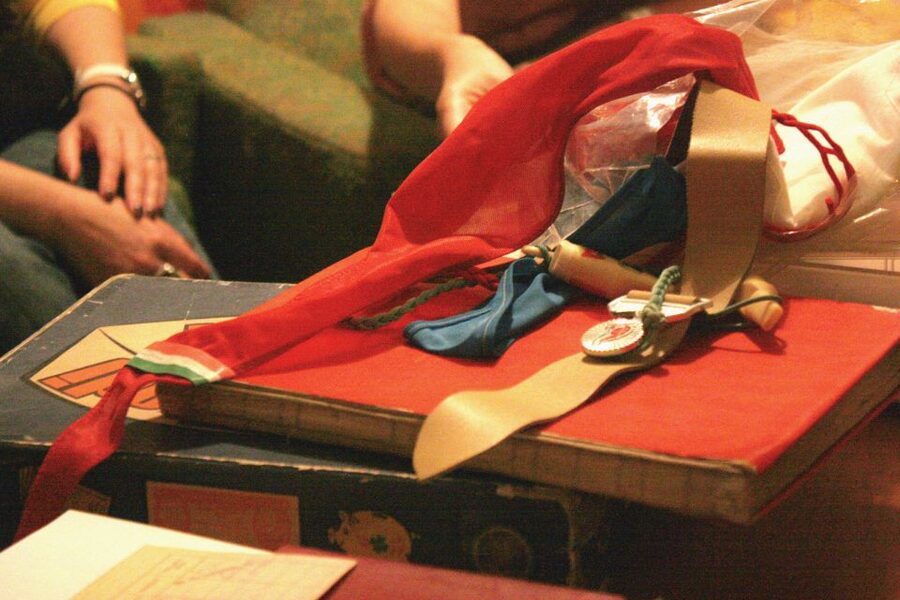
The strongest part of this tour is the way it treats communist history as lived experience. You don’t just get the headline events. You also get the everyday negotiations people had to make, including how to get a passport and what school life could look like during the system’s long run.
This is where I think the tour earns its place on a short Budapest itinerary. If you only visit monuments, you learn what power looked like. If someone explains how people navigated bureaucracy, rules, and education, you learn how power shaped ordinary days.
Past comments also highlight the guide’s conversational, inside-looking approach. One guide name you might hear from earlier groups is George, who was praised for being personable and informative, and for keeping the narrative moving so it didn’t stall into pure recitation. Even if your guide is someone else, the expectation is similar: clear story flow, not a scatter of facts.
The 1956 Revolution exhibition, and what the volleys add
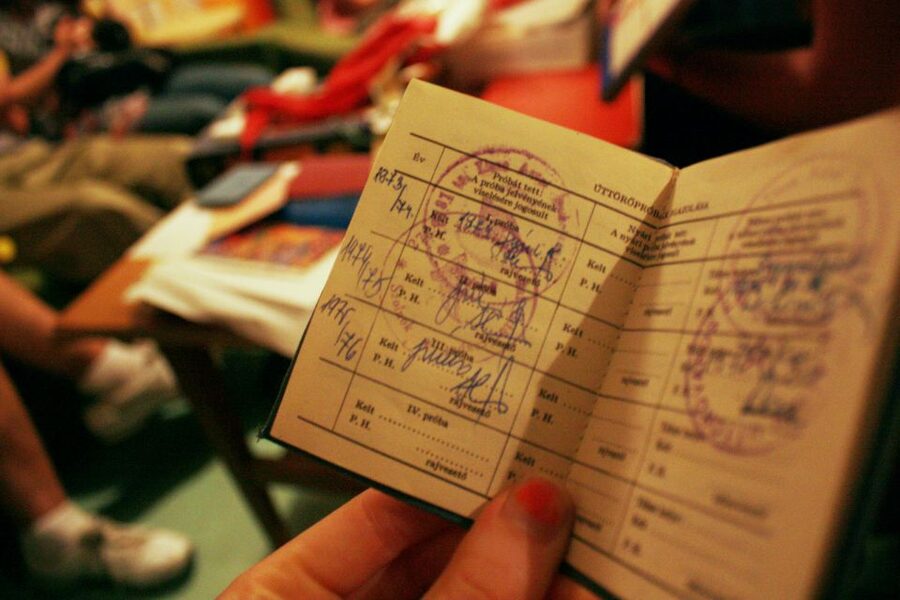
One planned stop centers on an exhibition about the 1956 Revolution. The tour includes time to look at the smaller display that commemorates the volleys, which matters because it anchors the story in the emotion and stakes of the moment, not just the political aftermath.
I like how this part can reframe what you think you know. Even if you know the basics of 1956, an on-the-ground exhibit helps you understand why the revolution became a turning point, and how people experienced it. History becomes less like a textbook chapter and more like a human timeline.
This also supports the tour’s larger theme: communism didn’t just exist as an ideology. It existed as conflict, pressure, and the consequences that followed. The guide’s job here is to connect that exhibit time to what comes next around the city.
Liberty Square and the Soviet memorial in context
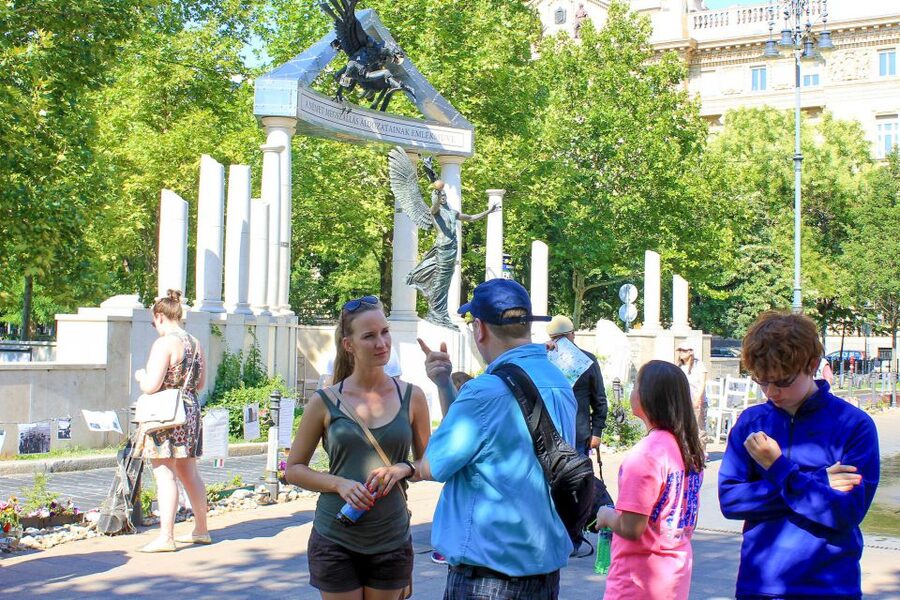
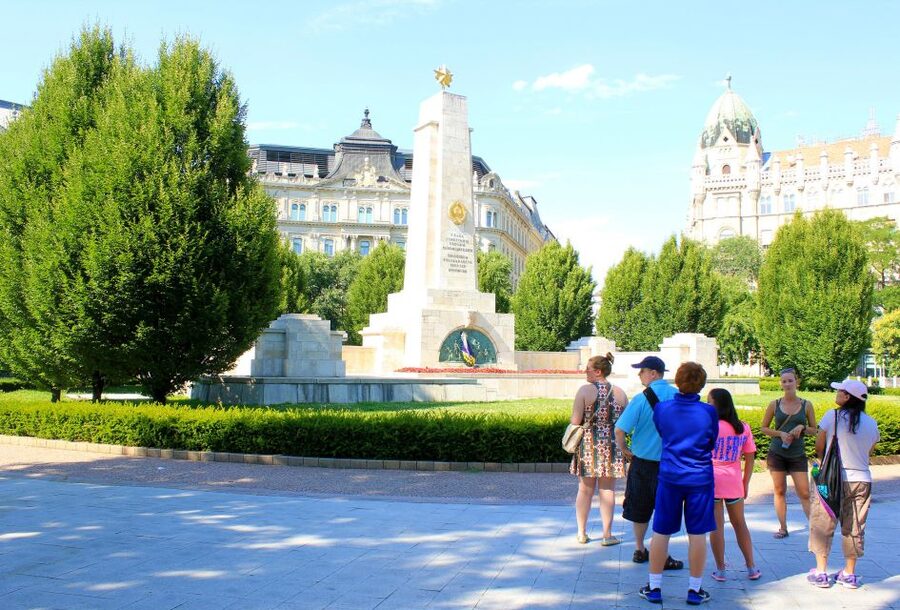
Liberty Square is one of the key reasons to do this tour, because you see the Soviet Memorial element directly in the setting where it belongs. The tour doesn’t treat the memorial like a photo stop. It places it into the broader story of how Soviet power and Hungarian resistance played out over decades.
I found this kind of stop especially useful if you’re trying to understand Budapest beyond the usual postcard circuit. When you’re standing in a square like this, you start noticing how space becomes messaging. The size, placement, and symbolism all do work, even after regimes change.
This is also where the tour’s Iron Curtain focus pays off. You’ll hear how locals related to the presence of Soviet influence, and why the later shift away from that era feels tangible rather than symbolic. If your guide is particularly strong, this part can be the clearest explanation of how the Communist period left marks on public life.
More of the city, bank to bank on foot:
- Budapest: Buda Castle Walk with Saint Stephen’s Hall★ 4.5 · 3,012 reviews
- Big Bus Budapest Hop-On Hop-Off Bus and Walking Tour★ 3.5 · 2,206 reviews
- Budapest: Buda Castle District Walking Tour★ 4.6 · 2,108 reviews
Parliament-area symbolism, and why downtown streets matter

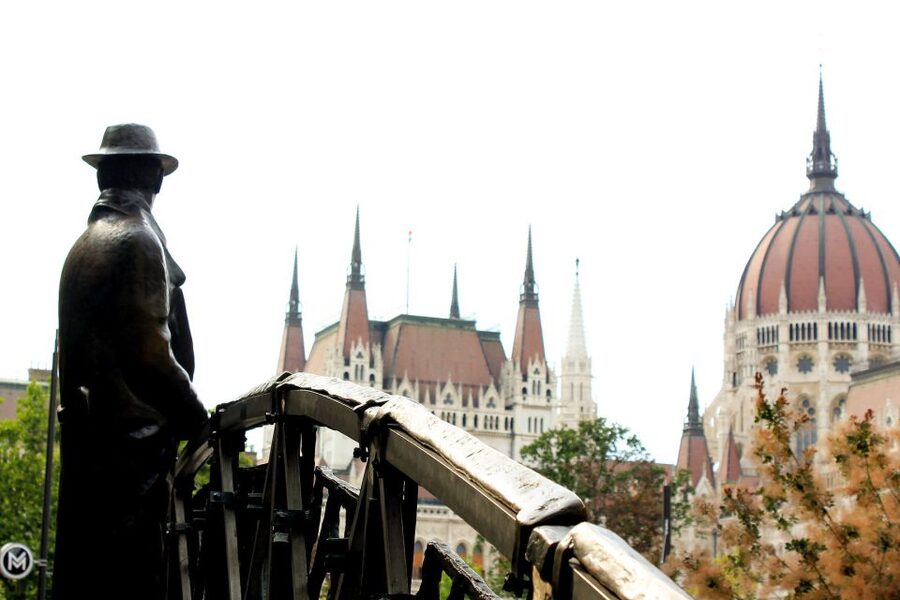
From Liberty Square, the route continues toward the Hungarian Parliament area and nearby downtown streets where key action happened. The tour’s walking approach helps you connect squares and civic space to political control and public meaning.
Here’s the value for you: even if you already plan to see Parliament from the outside, this tour gives you the political “why” behind the location and the “how” behind the era. You learn to read the city like a timeline, rather than a set of buildings.
One of the recurring themes is how historical events put Hungary on the map. That can sound vague, but in this setting it means your guide ties the dots between international Cold War pressure and local Hungarian choices and reactions.
Coffee and the human side of ideology
The tour includes a refreshment, specifically coffee, tea, or a soft drink. That sounds minor until you’re walking for hours while someone is carrying a heavy topic. A pause is not just comfort, it helps you reset and keep the story in your head.
There’s also a fun, practical note from past experiences: one group mentioned coffee plus a traditional Hungarian dessert connected to a Trabant moment. The main confirmed part for you is the drink, but if your guide includes a small food tie-in, it’s exactly the kind of detail that makes the tour feel less like a history lecture.
If you’re the type who needs to balance emotion with normal life, this is your break. It’s also a good reminder that communist systems shaped culture and routines, not only paperwork and politics.
What the guide quality looks like in real life
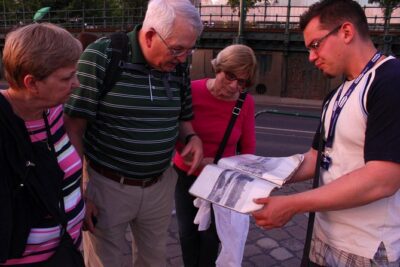
A walking tour lives or dies by the guide. This one is led by a licensed expert guide, and the past feedback points to good organization and strong preparation. Some comments also mention that the guide kept groups engaged, including families where younger people were still paying attention.
You’ll likely get a clear, English-language storytelling style. The tour is described as conversational and professional, with an eye for sequence so the story doesn’t jump around. One past highlight credited George for personality and knowledge, and another praised the guide for explaining things in an interesting way.
Your best move: come with at least a light sense of what you already know about communism and 1956. Then let the guide fill in the Hungarian-specific pieces, like passport life and everyday school experiences. That combo tends to produce the biggest learning payoff.
Price and value for a 2.5-hour history walk
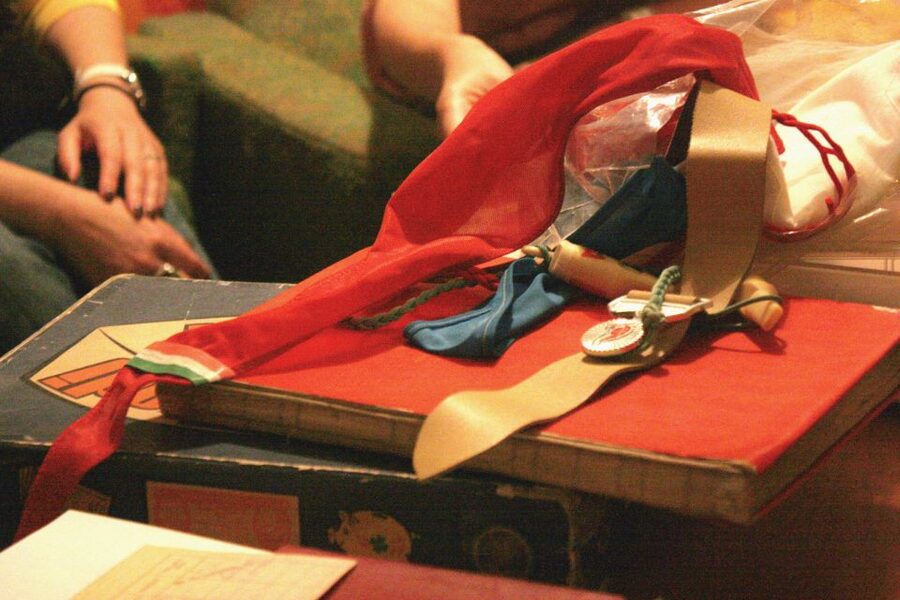
At $72 per person for 2.5 hours, the cost sits in the middle for Budapest walking tours that include a licensed guide and refreshment. The question is whether you’ll get enough out of it.
Here’s how I’d judge value for you:
- If you want more than dates and names, and you like the idea of everyday-life storytelling plus a real city route, this price can make sense.
- If you’re already a Hungary history expert and only want quick monument views, you might feel it’s overpriced compared with self-guided options.
In earlier pricing chatter, someone wondered if it was worth paying around $60 for a similar tour. That tells me the value depends on your interest level in the theme, not just the currency. If communism, 1956, and the way ideology shows up in public space are your thing, you’ll likely consider it worth it. If not, you’ll probably resent the walking time more than the ticket.
Who should book this tour, and who should skip it
This works best for you if you:
- Want a Hungary-focused communist overview, especially the 1956 Revolution angle
- Prefer small-group, guided city walking over reading from plaques
- Like learning the human side, including how people navigated systems like passports and school life
It’s not a fit if:
- You need mobility-friendly routes, because it is not suitable for people with mobility impairments
- You’re traveling with kids under 14, since it’s not recommended for children under age 14
Also remember the walking load: 2 hours continuous is the reality, not a casual stroll.
Should you book the Hammer and Sickle communism walking tour?
Book it if you want Budapest’s communist era explained in a way that connects real places with real routines. The combination of Liberty Square, the Soviet memorial, and the 1956 Revolution exhibition makes this more than a photo walk. Add a licensed English guide with a track record of staying organized and engaging, and you get a strong “learning per minute” experience.
Skip it if you want a short, light stop with minimal walking, or if you mostly want a general Budapest highlights route. This tour is built to teach. That means the pacing, the walking, and the topic intensity are all part of the deal.
If you’re on the fence, think about your goal. If your goal is to understand what changed in Hungary and how it felt day to day, this is a very practical way to get there.
FAQ
Where do I meet the guide for the Budapest Hammer and Sickle walking tour?
Meet your guide at 1052 Budapest, Deák Ferenc tér 4, in front of the Lutheran Church (pale yellow), on the church steps.
How long is the tour?
The tour duration is 2.5 hours.
Is there a lot of walking?
Yes. The tour involves 2 hours of continuous walking.
Does the tour run in bad weather?
Yes. The tour operates in all weather conditions.
Is the tour offered in English?
Yes. The tour is a live guide tour in English.
Is the tour suitable for children or people with mobility impairments?
It is not recommended for children under 14, and it is not suitable for people with mobility impairments.
What’s included in the price?
The price includes a licensed expert guide and refreshment (coffee, tea, or soft drink).
Can I cancel, and is there a pay-later option?
The tour offers free cancellation up to 24 hours in advance for a full refund, and it also offers a reserve now & pay later option.
The newest crossings added in Budapest




Communist Era History Tours, compared.
Communist History Tour with House of Terror Option
Read our review →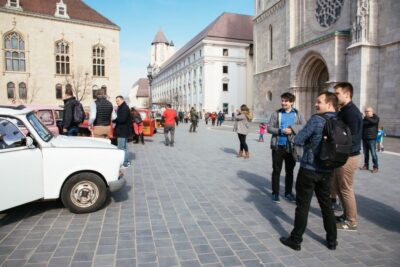
3-Hour Walking Tour About Communism (Small Group)
Read our review →
Memento Park Visit with Private Trabant Transfer
Read our review →
Browse the lists this tour appears in