
Reviewed · COMMUNIST ERA HISTORY TOURS
Budapest: 3-Hour Trabant Sightseeing Tour
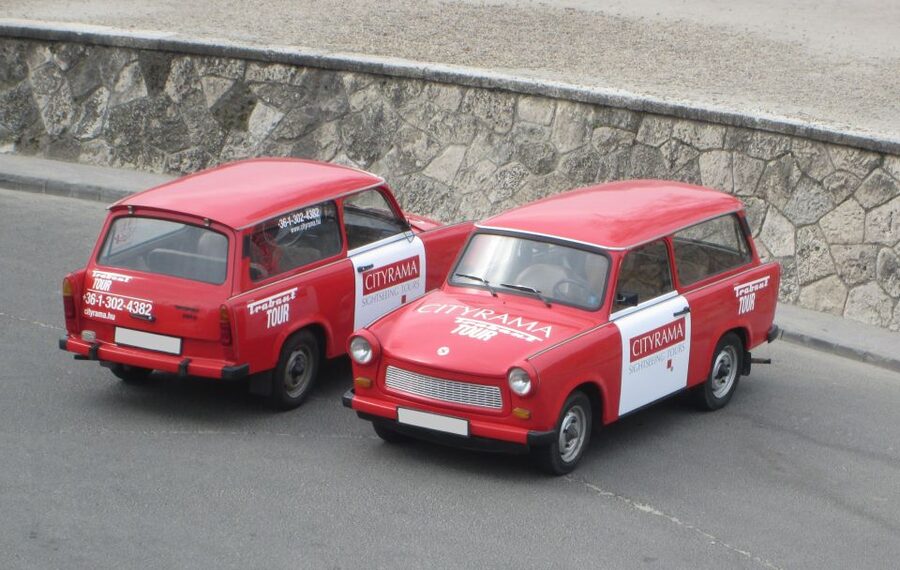
Budapest has plenty of rides, but this one is pure period piece. You get to see communist-era Budapest while tooling around in an authentic Trabant 601, the iconic paper-and-plastic car of the Eastern Bloc era. It is a small-group experience, built for people who like cars, photos, and street-level history you can feel through the streets.
I love the hands-on driving factor, because this is not a sit-and-stare tour. And I especially like the way the guide frames what you see, with English commentary that connects monuments and neighborhoods to daily life during the communist period (Andre gets a special shout for sharing his passion in a review). The tour also has a practical option if you want less nostalgia and more major sights.
One thing to think about before you book: this is an old, small car. If you are tall, the back seat can feel tight, so it helps to plan for a snug ride.
In This Review
- Key points before you go
- Why a Trabant 601 changes how you see Budapest
- The 3-hour format, what you really get
- Driving a Trabant: license rules and how to be comfortable
- Communist-era stops: what to look for at each type of place
- Communist Statue Park: symbolism you can see from the streets
- Prefabricated flats from the 1970s and 1980s: the housing reality
- Ecseri flea market: the social side of the era
- The alternative option: a more normal Budapest city tour
- Small group energy and the guide effect (Andre, and more)
- Price and value: what $294 for up to 3 really buys
- Things that can affect your day: space, timing, and the occasional issue
- Should you book this Trabant sightseeing tour in Budapest?
- FAQ
- How long is the Budapest Trabant sightseeing tour?
- What is the group size?
- Is pickup included?
- Do I need a driving license?
- Is the tour guide available in English?
- What will we see on the tour?
- Is an airport transfer available?
- What is included in the price?
- Can I cancel and get a full refund?
Key points before you go
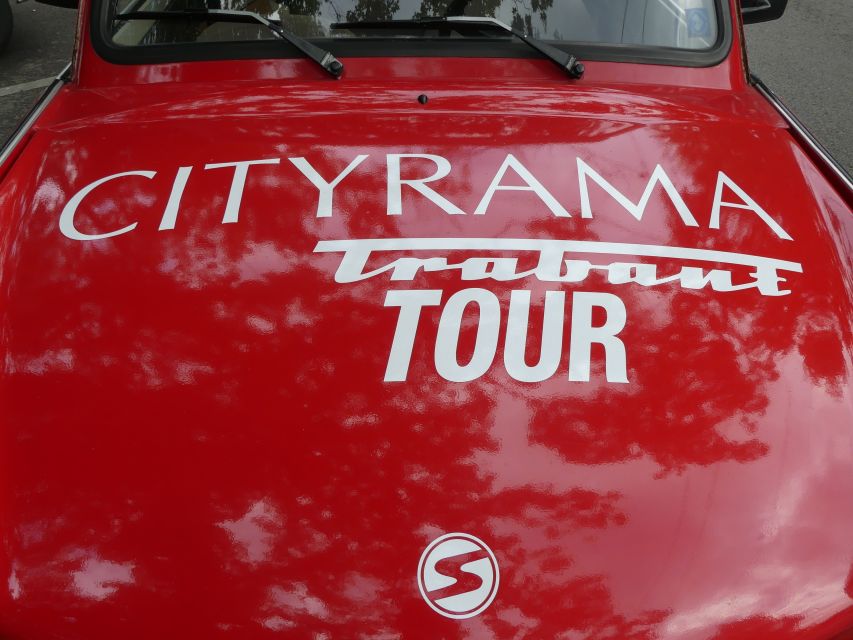
- Authentic Trabant 601 drive for a hands-on, photo-friendly experience
- Communist-era focus with monuments and neighborhoods from the era
- Small group of up to 3 for a calmer pace and more guide time
- Driving needs a valid license if you want to be behind the wheel
- Optional airport transfer by Trabant if you want to extend the theme
Why a Trabant 601 changes how you see Budapest
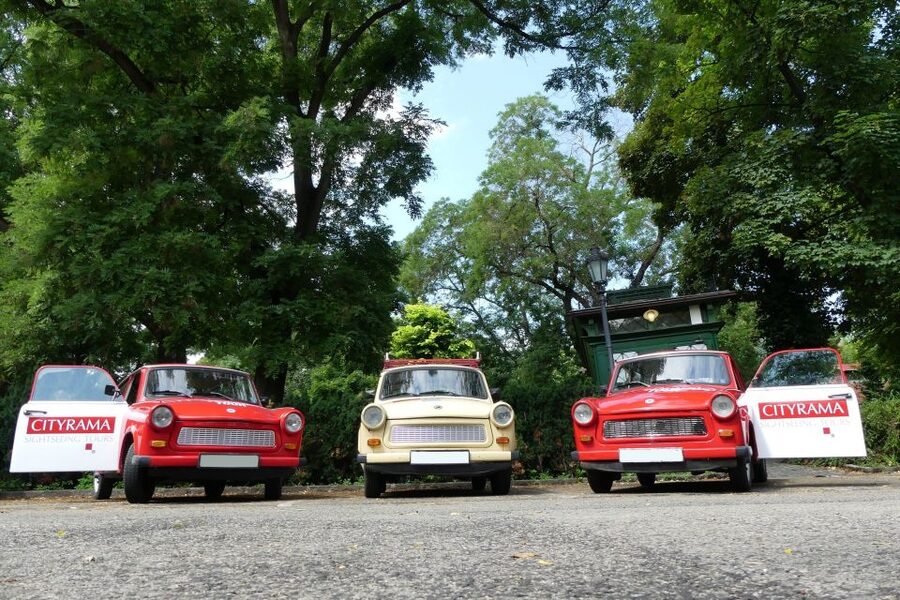
A Trabant tour is fun for the obvious reason, it is a Trabant. But the deeper payoff is how it changes your rhythm in the city. When you are in a 2-stroke, 26-horsepower machine, moving slowly through streets and roundabouts, you notice details you would normally miss on foot or in a regular car.
The car itself adds to the vibe. The Trabant 601 is often described as being made of paper and plastic, and it is part of the city’s visual memory. Even if you already know the major facts about the communist era, seeing it from inside this type of vehicle makes the past feel less like a lecture and more like a lived environment.
And the best part is that the tour does not force you into one mood. If you want communist-era sights, you can go that direction. If you would rather do a more standard sights-and-stops route, you have that option too.
The 3-hour format, what you really get
This is a 3-hour tour, so the goal is momentum plus meaning, not a museum marathon. Hotel pickup puts you directly into the experience, so you are not wasting time on getting to a meeting point. In the middle of a city break, that matters.
The structure is simple: you ride in the Trabant with a live English guide, see key parts of Budapest, then spend the rest of the time on the most relevant stops for your chosen style. Your guide also has room to answer questions, which is a big part of why this kind of tour works. You are not just collecting landmarks, you are getting context as you pass them.
Also, because the group is limited to 3 participants, you can move through stops without the chaos you get in larger buses. That smaller size can make a difference when you are taking photos by the car, or when you want to pause at a place and ask one more question.
Further tours of Hungary’s state-socialist years:
- Budapest: Communist History Tour with House of Terror Option
★ 4.8 · 182 reviews - Communism in Hungary with a Historian
★ 5.0 · 70 reviews - Budapest: 3-Hour Walking Tour About Communism (Small Group)
★ 4.7 · 70 reviews
Driving a Trabant: license rules and how to be comfortable
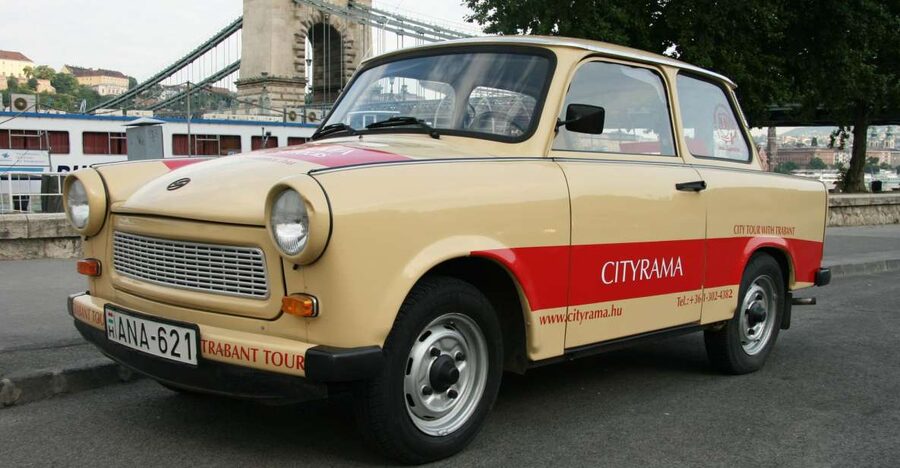
The tour includes a Trabant sightseeing drive, and driving it requires a valid driving license. That is the key practical requirement. If you want to be behind the wheel, bring your license, and do not rely on the driver to automatically spell out your options in the moment.
One review specifically flagged a misunderstanding, where the booking request centered on whether participants could drive, but the option was not clearly offered during the experience. That is a good reminder to be proactive. If driving is your main reason for booking, confirm in advance that you will have the chance to drive.
Getting into the car is another real-world factor. Reviews mention that the Trabant is small, and a group of tall people can feel squashed in the back. If you are in that category, it helps to mentally prepare for a snug ride, and to pick a comfortable position early.
And yes, you may get a quick look at how the car starts. The tour info includes the basics: check the fuel dip-stick, open the fuel tap, push down the clutch, shift to first gear, and then you are off. You do not need to be a mechanic, but knowing that it is not a modern “push-button” car makes the experience feel more authentic.
Communist-era stops: what to look for at each type of place
This is the part where the tour earns its theme. The suggested route leans toward communist-era Budapest, including places tied to the period’s monuments, housing style, and everyday life.
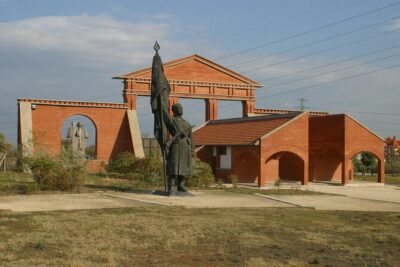
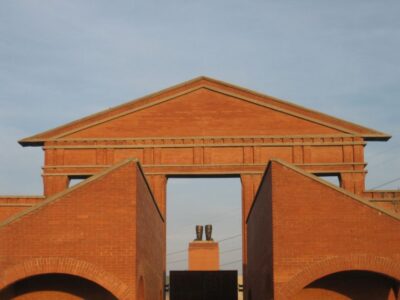
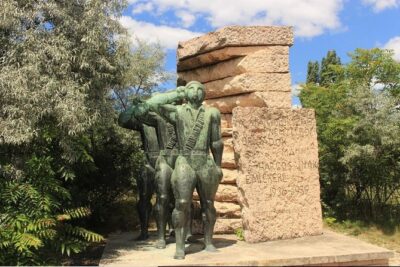
Communist Statue Park: symbolism you can see from the streets
The Communist Statue Park is one of the recommended targets. This is where you see the visual language of the era, not just the idea of it. When you look at these statues while driving around in a Trabant, it clicks into place as something that used to be normal, not just a relic.
When you arrive, pay attention to the scale and arrangement, then ask your guide what the city wanted to project during the communist period. Those answers are what turn photos into understanding.
Still to cross in Budapest
- Budapest: City Highlights Sightseeing Cruise★ 4.6 · 43,981 reviews
- Budapest: Unlimited Prosecco, Beer and Aperol Spritz Cruise★ 4.8 · 37,304 reviews
- Budapest: Széchenyi Spa Day Ticket with Optional Upgrades★ 4.3 · 23,911 reviews
Prefabricated flats from the 1970s and 1980s: the housing reality
You will also have a chance to see the typical prefabricated blocks of flats built in the 1970s and 1980s. If you only see these buildings from a distance, they can look like generic apartment blocks. Up close, and in the context of the era, they start to make sense as a housing system designed for speed and uniformity.
This stop is valuable because it shifts the focus from big political symbols to everyday structures. You get a different angle on what communist life looked like at ground level.
Ecseri flea market: the social side of the era
The route may include the Ecseri flea market, which adds a totally different texture. A flea market is not a monument, but it tells you how people lived, shopped, traded, and repurposed. In a city shaped by shortages and changing rules, these kinds of places can be as revealing as official sites.
If your guide builds the story well, the flea market stop becomes less about shopping and more about how society worked.
The alternative option: a more normal Budapest city tour
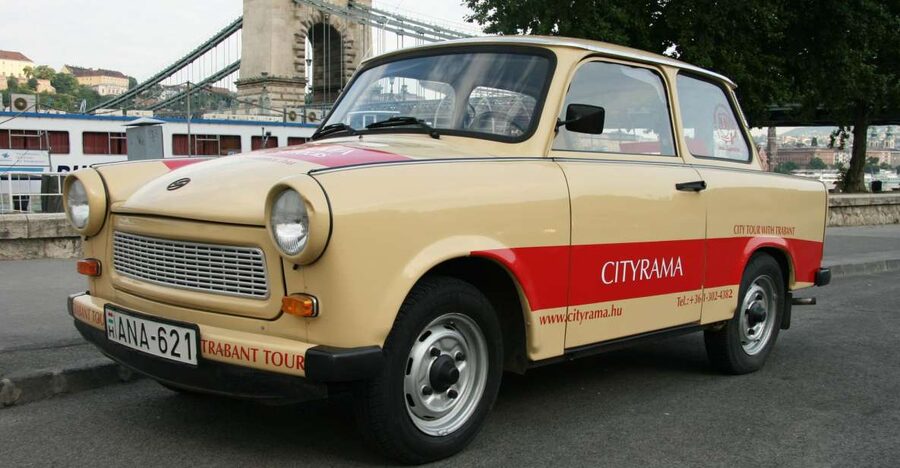
Not everyone wants the same emphasis. If you prefer a more classic sightseeing approach, the tour can be adjusted to focus on major Budapest attractions instead of the communist-era route.
This alternative matters for two reasons. First, it makes the experience less intimidating if you are not sure how much you want to learn about the period. Second, it lets the Trabant ride stay the main event, while you still get the landmarks that help you orient yourself in Budapest.
So if you are a first-timer who wants to tick the big sights but still likes the fun factor of the car, this option gives you a good mix.
Small group energy and the guide effect (Andre, and more)
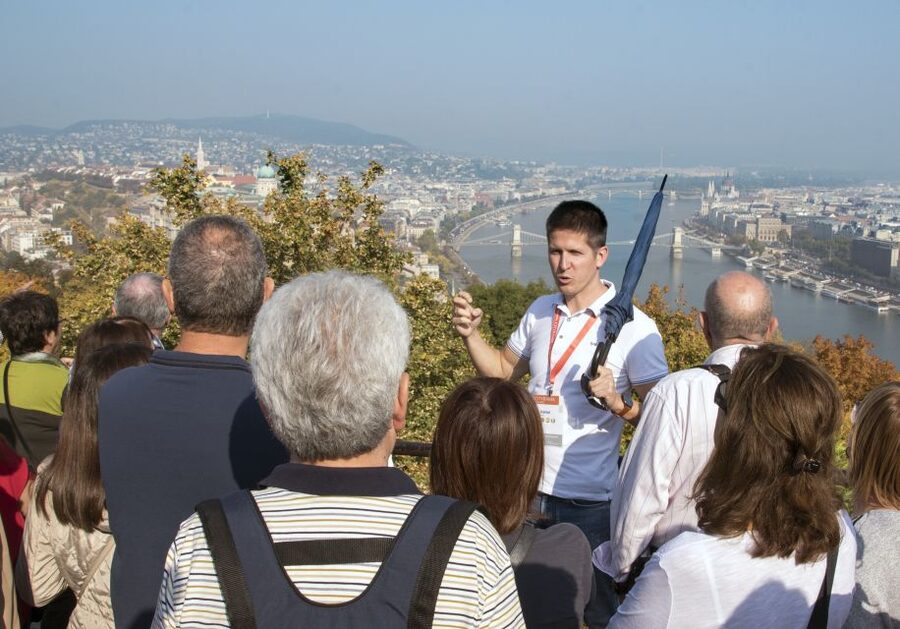
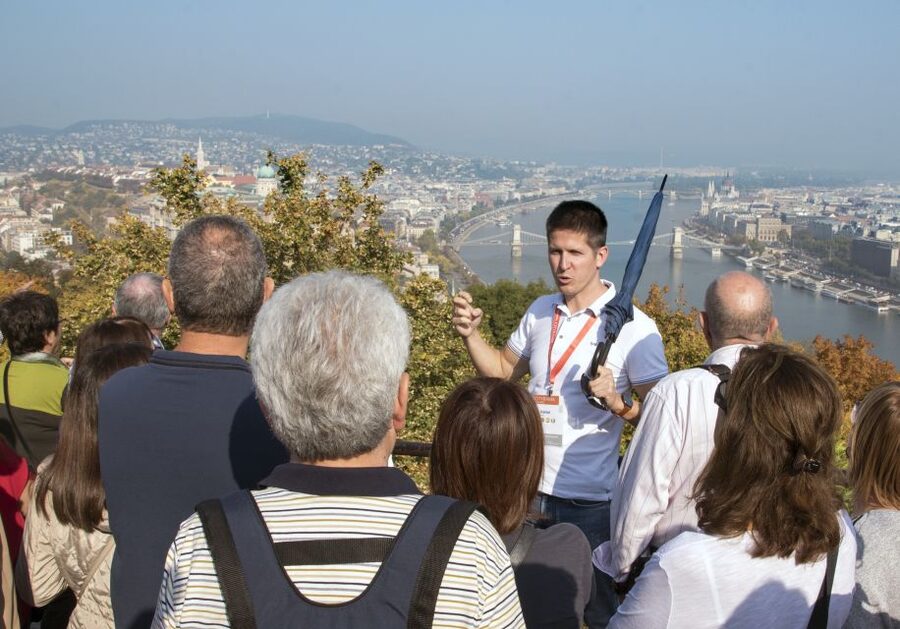
A Trabant tour lives or dies by the guide. Here you get a live guide in English, and the strongest reviews point to clear, confident explanations, plus solid answers to questions.
One review highlights Andre in particular, praising how he shared his passion for the city. That kind of personality makes the difference between a tour that recites facts and a tour that helps you connect facts to places.
The small-group size also supports better conversation. With up to 3 participants, you can ask direct questions without waiting your turn, and your guide can respond with detail that fits what you are actually looking at right now.
Price and value: what $294 for up to 3 really buys
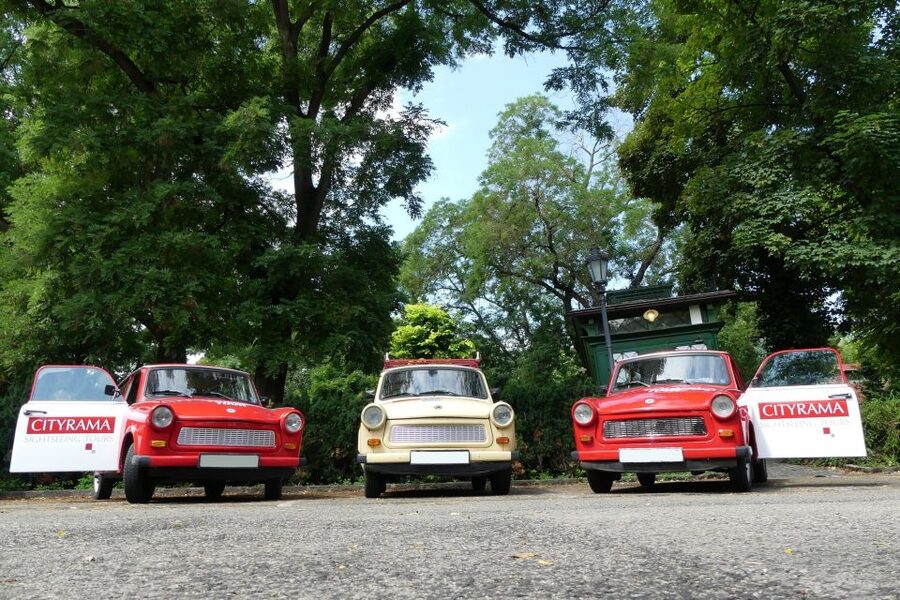
The price is listed at $294 per group up to 3 for a 3-hour experience. If you compare it to standard Budapest city tours, the car element alone is a large part of the value. This is not a typical sightseeing vehicle.
For your money, you get:
- a Trabant 601 sightseeing drive (the star attraction)
- hotel pickup from accommodation addresses within Budapest
- a live English guide
- a small group limit that helps keep the experience personal
From a value standpoint, think of it like this: if driving the Trabant is your top priority, your “cost per wow moment” is usually better than generic tours. If you do not care about the car, the value becomes less obvious, and you might prefer a regular guided tour or an attraction-focused plan.
Also, you are not stuck paying for a giant group. The pricing structure is explicitly per group up to 3, which can work well for couples or a small group of friends.
Things that can affect your day: space, timing, and the occasional issue
No tour is perfect, and this one is not pretending otherwise. The car is old, and one review noted that the Trabant broke down, which led to finishing a bit early. The company reportedly handled it well, but it is still a good reminder to keep a little flexibility in your schedule.
Space is the other practical consideration. Reviews mention the back seat can feel cramped if you are tall. You can reduce stress by choosing a comfortable spot and setting expectations.
Finally, driving depends on your valid driving license. If you plan to drive, bring it. If you do not, you can still enjoy the tour, but your plan should match the reality that behind-the-wheel access is tied to license.
Should you book this Trabant sightseeing tour in Budapest?
I think you should book it if you want something that feels genuinely different from a standard city tour. This is ideal if you:
- like cars and street-level photo moments
- want a guide who can explain the communist-era setting as you drive through it
- appreciate small groups and a calmer pace
- are traveling with one or two people, since the group limit keeps it personal
I would hesitate if you need a lot of space or you dislike cramped vintage seating. And if driving the Trabant is the reason you booked, confirm ahead of time that you will get the chance to drive, and bring your license.
If you want a single piece of advice, it is this: treat this as a theme experience. Yes, you will see sights, but the Trabant ride is the main event, and Budapest looks better when you move through it in this odd, wonderful machine.
FAQ
How long is the Budapest Trabant sightseeing tour?
The tour lasts 3 hours.
What is the group size?
It is a small group limited to 3 participants.
Is pickup included?
Yes, hotel pick-up is included from any accommodation within Budapest, including hotels, apartments, airbnbs, and private addresses. Pickup is provided whenever you would like to begin the tour.
Do I need a driving license?
A valid driving license is required in order to drive the Trabant.
Is the tour guide available in English?
Yes, the live tour guide speaks English.
What will we see on the tour?
The tour can focus on communist-era Budapest monuments and recommended stops like Communist Statue Park, Ecseri flea market, and prefabricated flats from the 1970s and 1980s. You can also choose a more normal city tour of major attractions.
Is an airport transfer available?
There is an optional airport transfer available in a Trabant.
What is included in the price?
The included item is the Budapest tour in an original Trabant.
Can I cancel and get a full refund?
Yes, you can cancel up to 24 hours in advance for a full refund.
The newest crossings added in Budapest






Communist Era History Tours, compared.

Communist History Tour with House of Terror Option
Read our review →
3-Hour Walking Tour About Communism (Small Group)
Read our review →
Memento Park Visit with Private Trabant Transfer
Read our review →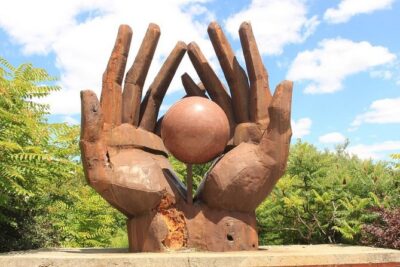
Browse the lists this tour appears in