
Reviewed · JEWISH BUDAPEST & GREAT SYNAGOGUE TOURS
Explore the rich Jewish heritage of Budapest PRIVATE TOUR
A short walk can change how you see a city. This private 2-hour walking tour puts Budapest’s Jewish landmarks and stories into a route that feels focused, not rushed. I like that it pairs big, recognizable sites with smaller street-level details you would miss on your own. And you get to see the neighborhood as you walk, not just as photos.
One thing to consider: this tour keeps synagogue doors closed, since it does not include entry. You will admire major synagogues from the outside, and if you want to go in, you’ll need separate tickets and a bit more time.
In This Review
- Key highlights to know before you go
- Why this Budapest Jewish Quarter tour fits in 2 hours
- Meeting near Fashion Street, then walking with purpose
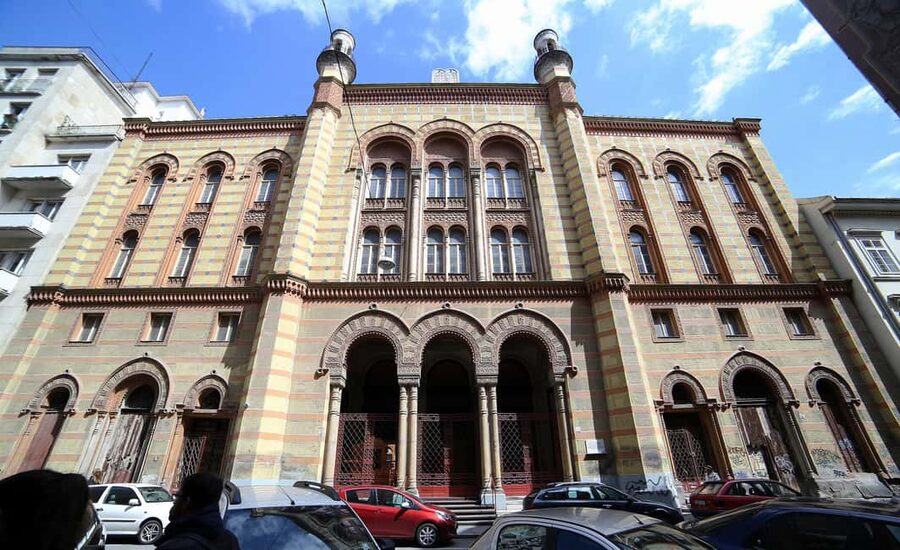
- Synagogue exteriors you can actually recognize: Dohány and Rumbach
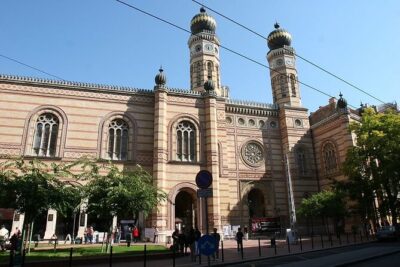
- Dohány Street Synagogue from the outside
- Rumbach Street Synagogue as an Art Nouveau stop
- Shoes on the Danube Bank: a memorial you should take seriously
- From the Electrotechnical Museum to the ghetto memorial wall
- Why the museum stop is more than a random detour
- Ghetto Memorial Wall: reading memory in stone
- Kosher Market time: atmosphere, snacks, and what to look for
- Babka Deli, coffee, and the flódni expectation check
- Guide quality: how it can make or break the experience
- When synagogue entry matters, add it yourself
- Who should book this private Jewish heritage walk
- Price and value at $49 for a private 2-hour tour
- Should you book this Budapest Jewish Heritage Private Tour?
- FAQ
- What is the duration of the Budapest Jewish heritage private tour?
- Where do we meet?
- Is synagogue entry included?
- Do I have to pay extra for coffee and flódni?
- Is the tour private and in English?
- Is it suitable for young children?
Key highlights to know before you go

- Private, 2-hour format that works well when you want depth without a half-day commitment
- Synagogue exteriors you can actually recognize, including Dohány Street and Rumbach Street
- Shoes on the Danube Bank memorial as a somber, well-placed moment
- Kosher Market area time for real neighborhood atmosphere, not souvenir browsing
- Optional Jewish food stop for coffee and flódni-style comfort food at a local place
- Guide quality matters, and the tour stays strong when your guide can answer the questions you bring
Why this Budapest Jewish Quarter tour fits in 2 hours
Budapest’s Jewish Quarter can feel like two different experiences at once. On one hand, you have famous architecture that people travel across the world to see. On the other, you have everyday streets where you can still picture how life worked, worked out, and kept going.
That is why this private format works. In 2 hours, I like how the route grabs the essentials first and then fills in meaning with context as you move. You are not stuck in one room, and you are not wandering aimlessly either. You get a guided walk that helps you connect the dots between faith, community, buildings, and the trauma of World War II.
Also, because it is private, you can steer the pace. If you want more time looking at a façade, you can. If a memorial moment lands heavier than you expected, you can pause without feeling like you are holding up a bus group.
Meeting near Fashion Street, then walking with purpose
You meet in front of Starbucks on Fashion Street, where a guide is waiting with a ROLLON sign. From the start, I find it helpful that the meeting point is easy to spot and not tucked into a maze of side streets.
The tour is designed as a walking loop, and the timing matters. Two hours is long enough for a meaningful sequence, but short enough that you are unlikely to burn out. You should still come ready to walk, since you will be moving through multiple stops at a comfortable city pace.
Because it is wheelchair accessible, the route is built to be manageable for a range of mobility needs. That is a big plus if you want a heritage-focused experience without turning it into a logistics puzzle.
If you are visiting in colder months, bring a layer. You will spend time outside looking at buildings and memorial art, and even a small breeze along the river area can cool you down.
Further Jewish Budapest and Great Synagogue tours:
- Budapest Jewish Heritage Memorial Walking Tour & Synagogue Entry
★ 5.0 · 568 reviews - Budapest: Jewish Heritage Guided Tour with Synagogue Ticket
★ 4.8 · 533 reviews - German tour in the Budapest city centre & the Jewish quarter
★ 5.0 · 359 reviews
Synagogue exteriors you can actually recognize: Dohány and Rumbach
This tour’s architecture lesson is practical. You do not just hear generic descriptions. You learn to read two key exteriors so you can recognize them instantly later, even if you pass them again on your own.
Dohány Street Synagogue from the outside
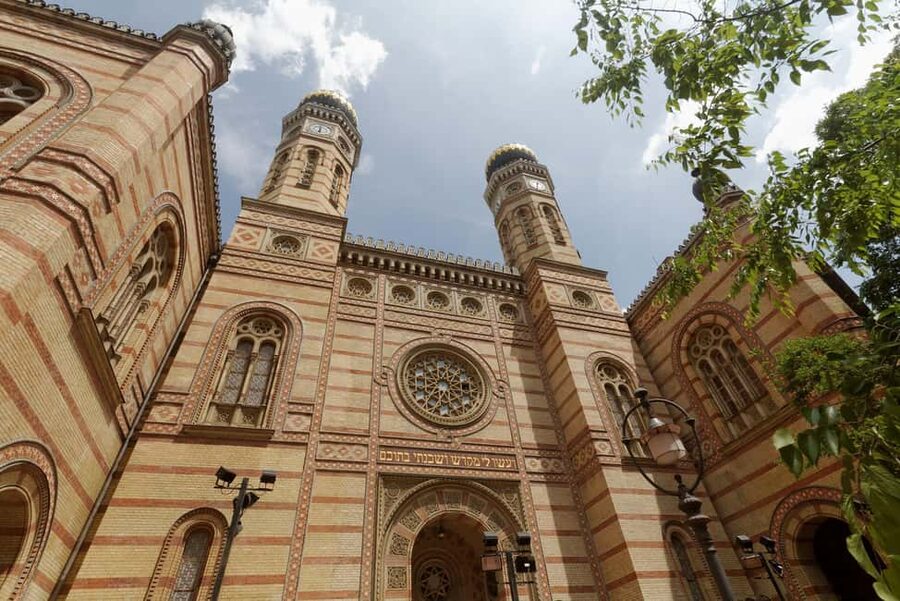
Dohány Street Synagogue is known for its dramatic style, blending Moorish and Romanesque influences. Even without entry, that mix gives you a strong visual anchor for the neighborhood. I like that you are guided to notice what makes it stand out, then you connect it back to the community that built and used it.
You also get the benefit of not feeling rushed inside, since entry is not part of this tour. For some people, that is a relief, especially if your schedule is tight.
Rumbach Street Synagogue as an Art Nouveau stop
Rumbach Street Synagogue is another exterior you will not forget once it is pointed out. The guide focuses on its Art Nouveau details and the stained-glass look from the street. This is a good moment to slow down, because exterior ornament is exactly where a guided explanation helps.
If you are the kind of traveler who likes architecture but hates guesswork, this section is a real win. You leave with a mental checklist for what to look for, which makes later self-guided wandering more rewarding.
More centuries stacked along the banks:
- Budapest: Historic Cruise with Welcome Drink★ 4.7 · 6,512 reviews
- Budapest Historical Sightseeing – Free Walking Tour★ 5.0 · 1,302 reviews
- Buda Castle District Dark History, Legends and Vampire Night Tour★ 4.5 · 1,240 reviews
Shoes on the Danube Bank: a memorial you should take seriously

Not every stop on a city tour deserves silence, but this one does.
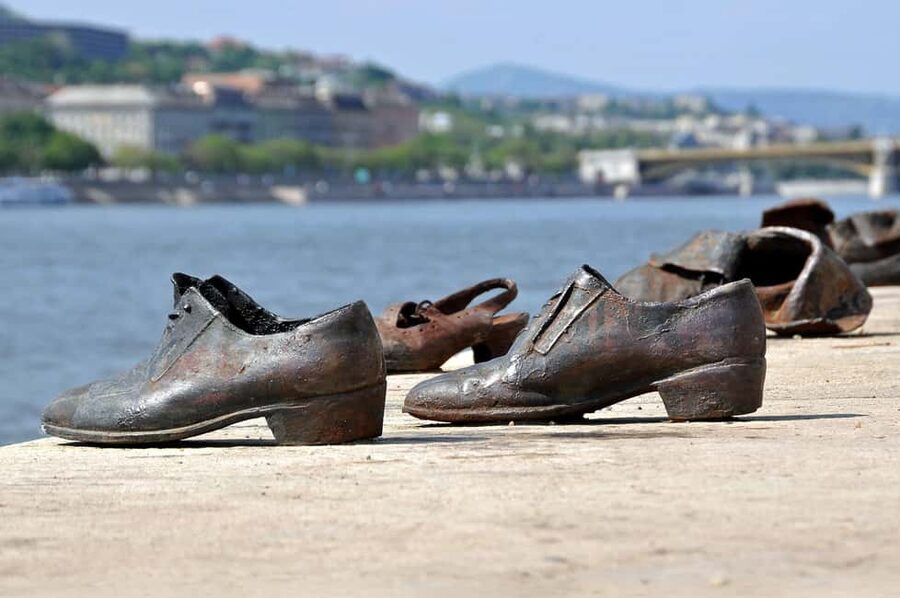
The Shoes on the Danube Bank Holocaust memorial is powerful because it is visual, immediate, and close to the water. Standing there, the story lands in a way that pictures alone often cannot. The guide gives you enough framing to understand why these metal shoes are not symbolic decoration, they are commemoration.
My advice: do not treat this as a photo stop. If you want a good photo, you will probably get it, but your main job is to let the meaning settle. You can step away when you need air, but try not to rush straight through.
This is also where having a thoughtful guide matters. If you want your experience to feel respectful rather than scripted, pick the moment to slow down and listen.
From the Electrotechnical Museum to the ghetto memorial wall
The tour moves through parts of the Jewish Quarter that connect buildings to history on a human scale. Along the way, you visit the Hungarian Electrotechnical Museum area and then head toward the Ghetto Memorial Wall.
Why the museum stop is more than a random detour
That museum stop might sound like a left turn if you expected only synagogues and memorials. But it helps you understand that Jewish life in Budapest was not locked into one type of place. Communities included work, learning, and civic life. The point is not the museum itself here, it is what the guide helps you connect: the neighborhood as a lived environment.
If you are interested in how culture survives beyond monuments, you will probably appreciate this kind of framing.
Ghetto Memorial Wall: reading memory in stone
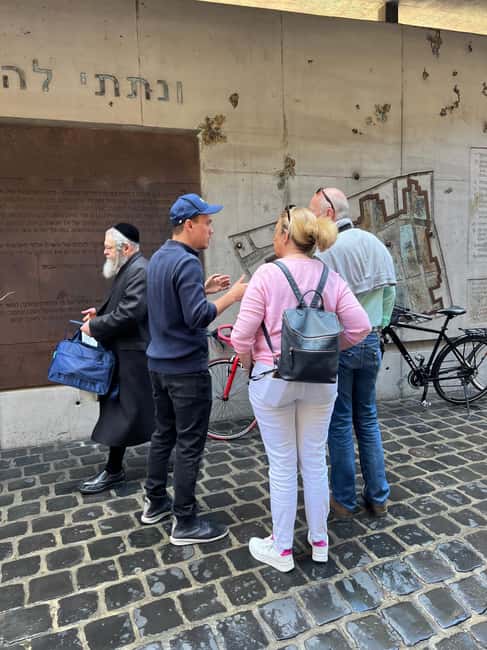
The Ghetto Memorial Wall is designed to keep the past visible. When a guide explains how to interpret what you see, you start noticing how the information is arranged and what it is asking you to remember.
I like that this is handled as a guided walk segment, not an awkward pause without context. You are given enough to understand why the wall matters before you move on.
Kosher Market time: atmosphere, snacks, and what to look for

A highlight of this walk is time at Kóser Piac / Kosher Market, which gives you a real neighborhood-feel moment. Markets like this are not just about shopping. They are a window into daily rhythms, food traditions, and the fact that heritage is not only something you see in museums.
If you enjoy browsing but want it to stay purposeful, this is a great spot to do small, quick observations:
- notice what people are buying and how stalls are set up
- check out signage and everyday details that show how the market functions
- pick one item if you want a snack, then get back to walking
This is also one of the places where you can interact with the local vibe. You are not stuck in a scripted stop. You have time to slow down without turning it into a food tour.
Babka Deli, coffee, and the flódni expectation check
This is where the tour gets delicious, even if you keep it simple.
You make a stop around Babka Deli, and the tour experience includes time for a coffee and a traditional flódni pastry at a local eatery. One important detail: food and drink are listed as optional. So plan to pay for what you order.
What makes this stop worth it, even for non-foodies, is the cultural context. Flódni is not a random sweet. It is the kind of traditional choice that helps you taste what locals know, not just what tourists seek.
My practical advice: if you are short on hunger, share something or grab just coffee plus a single pastry. Two hours is tight, and you want enough energy to finish the memorial portion thoughtfully.
Guide quality: how it can make or break the experience

This tour’s success rides heavily on the guide, and the reviews are consistent about that. Multiple guides have been praised for being friendly and strong at connecting history, politics, and society into a story you can follow.
I also learned a key consideration from one review: one guide was not Jewish, and that limited how deeply they could answer certain heritage questions. That does not mean the tour becomes weak. It means your expectations should match the type of answers you want.
So here is what you should do if you care about that angle:
- ask if the guide can discuss cultural and religious background beyond broad historical context
- bring your specific questions, like how community life changed over time or what certain places meant
- if you want deeper synagogue-level context, plan your extra time for entry options separately
In short: the tour tends to be excellent when your guide can translate the neighborhood into clear, human stories. Based on the feedback, guides like Anne and Anna have been singled out as strong, friendly, and informed.
When synagogue entry matters, add it yourself

This tour does not include entry into synagogues. You do get exterior viewing of major sites, but if you want to step inside, you will need separate tickets.
I think this is a smart approach for many visitors. Synagogues can be active spaces, and not every traveler wants a long visit. A two-hour walk is a great way to get oriented first, then decide later whether you want deeper access.
If you like the exterior experience and want more, ask your guide about adding options nearby. The guide can suggest places like the Jewish Museum (ticket required), the Holocaust Memorial Center, and the Raoul Wallenberg Memorial Garden.
Those add-ons are useful because they expand the story in different directions: museum context, educational programming, or memorial reflection in garden space.
Who should book this private Jewish heritage walk
This is a good fit if you:
- want Jewish Quarter highlights without a half-day commitment
- prefer a guided walk where explanations help you notice details
- appreciate memorial sites and want your visit handled thoughtfully
- travel with mobility needs, since it is described as wheelchair accessible
- like private tours where you can ask questions and set your own pace
It is not ideal if you:
- want synagogue interior visits included in the ticket
- are traveling with children under 12, since the tour is not suitable for them
- plan to bring alcohol or drugs, since these are listed as not allowed
If you are a first-time Budapest visitor, this tour is also a great foundation. It gives you a map of meaning. Later, when you explore on your own, you will understand what you are looking at.
Price and value at $49 for a private 2-hour tour
At $49 per person, the price is reasonable for a private, English-language guide focused on Jewish heritage, architecture exteriors, and a key Holocaust memorial. You are paying for someone to connect the street scenes and monuments into a coherent story, within a tight time window.
The value improves if:
- you want one strong guide-led plan instead of cobbling together multiple stops
- you care about getting orientation to major sites like Dohány and Rumbach
- you are interested in historical framing around the ghetto memorial and Shoes on the Danube
Food is not included, so if you plan to eat, budget a little extra. Still, the food stop is optional, and you can keep it minimal with coffee plus one pastry.
For solo travelers or couples, private tours often feel more efficient than group tours, and the quick 2-hour structure helps you spend the rest of your day doing other things you choose.
Should you book this Budapest Jewish Heritage Private Tour?
Yes, if you want a guided, respectful introduction to Budapest’s Jewish landmarks in a short, walkable window. The combination of exterior synagogue architecture, the ghetto memorial setting, and the Shoes on the Danube Bank moment is a strong mix that helps you understand both culture and tragedy without turning the day into an exhausting checklist.
I would book this when you:
- like private pacing
- value a guide who can translate history into clear street-level meaning
- want an optional food break for coffee and flódni, not a full meal detour
I would think twice if you need synagogue interior access included. In that case, treat this as your orientation tour, then add museum or synagogue tickets separately.
If you can, come with 2 or 3 questions you actually care about. With the right guide, this tour becomes more than seeing sights. It becomes learning how the city remembers.
FAQ
What is the duration of the Budapest Jewish heritage private tour?
It is a 2-hour walking tour.
Where do we meet?
The meeting point is in front of Starbucks on Fashion Street, where the guide is waiting with a ROLLON board.
Is synagogue entry included?
No. The tour includes viewing synagogues from the outside only. Entry is not included, and you would need separate tickets if you want to go in.
Do I have to pay extra for coffee and flódni?
Food and drink are optional, so you should expect to pay for what you choose. The tour does include time for a coffee and traditional flódni pastry stop.
Is the tour private and in English?
Yes. It is a private group with a live guide in English.
Is it suitable for young children?
No. It is not suitable for children under 12.
The newest crossings added in Budapest






Jewish Budapest & Great Synagogue Tours, compared.
Budapest Jewish Heritage Memorial Walking Tour & Synagogue Entry
Read our review →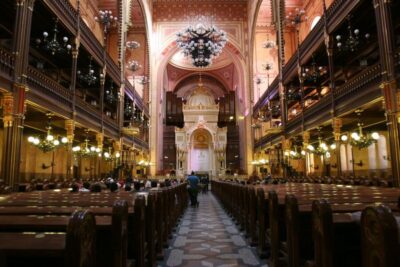
Jewish Heritage Guided Tour with Synagogue Ticket
Read our review →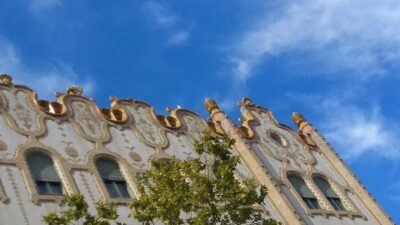
German tour in the Budapest city centre & the Jewish quarter
Read our review →
Past and Present of Budapest Jewish District Tour
Read our review →
Budapest Dohany Synagogue & Hungarian Jewish Museum & free extras
Read our review →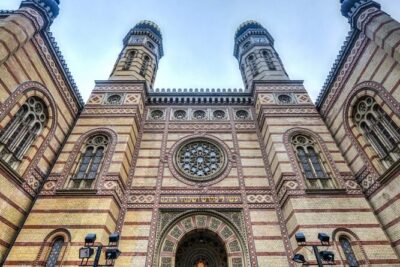
Jewish History Guided Walking Tour with Historian
Read our review →
Budapest Dohany, Heroes’, Rumbach synagogues & Jewish Ghetto Tour
Read our review →Browse the lists this tour appears in