
Reviewed · MUSEUMS
Budapest: Time Machine Immersive Historical Exhibition
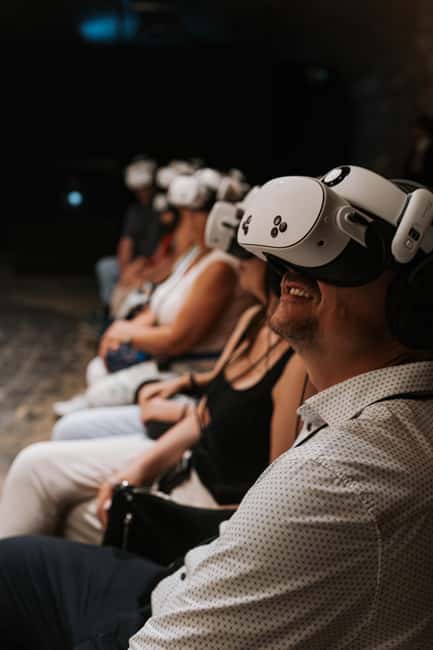
History clicks into place fast. Time Machine Budapest turns major chapters of the city into a tech-led walk-through, using VR and holographic projection in a big 1,000 m² space. I like that it mixes big historical themes with stories of everyday people, so you are not just watching dates on a wall.
The one drawback to plan for is information density. Some parts can feel like a lot to process in a short time, so if you prefer a lighter, mostly entertainment vibe, you may find yourself wishing for more breathing room.
The good news is that you get live guidance plus original audio plays, and the exhibition is available in English, German, Spanish, and Hungarian. That makes it easier to follow the story even if your group has mixed language comfort.
In This Review
- Key things I’d prioritize before you go
- Entering Time Machine Budapest under Twentysix
- Price and value for a tech-led history show
- VR, holograms, mist projections, and the holopyramid
- The story flow: from the unifying idea to revolutions and wars
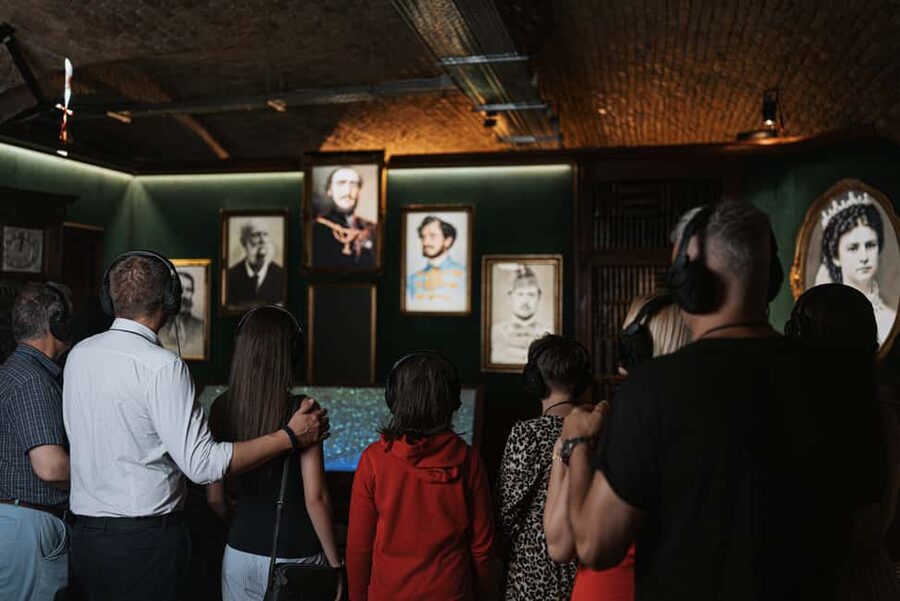
- Habsburg, World War devastation, the Ghetto of Budapest, socialist era
- Original audio plays with professional actors
- Languages and the best way to follow the show
- How long it takes and how to plan a smooth Budapest day
- Should you book Time Machine Budapest?
- FAQ
- Where is the exhibition entrance?
- How long does the experience take?
- What languages are available?
- Is it suitable for children?
- What technology and features are included?
- How early should I arrive?
Key things I’d prioritize before you go
- The tech stack is the point, with VR, holograms, mist projections, and a holopyramid creating strong atmosphere
- Original audio plays bring the past to life with professional actors
- It runs in a tight time window, about 90 minutes, so plan to stay focused
- The story covers several eras, including Habsburg rule, World War devastation, the Ghetto of Budapest, and the socialist era
- Language support is solid, with English, German, Spanish, and Hungarian options
- The setting matters, located beneath the Twentysix restaurant on Király Street
Entering Time Machine Budapest under Twentysix
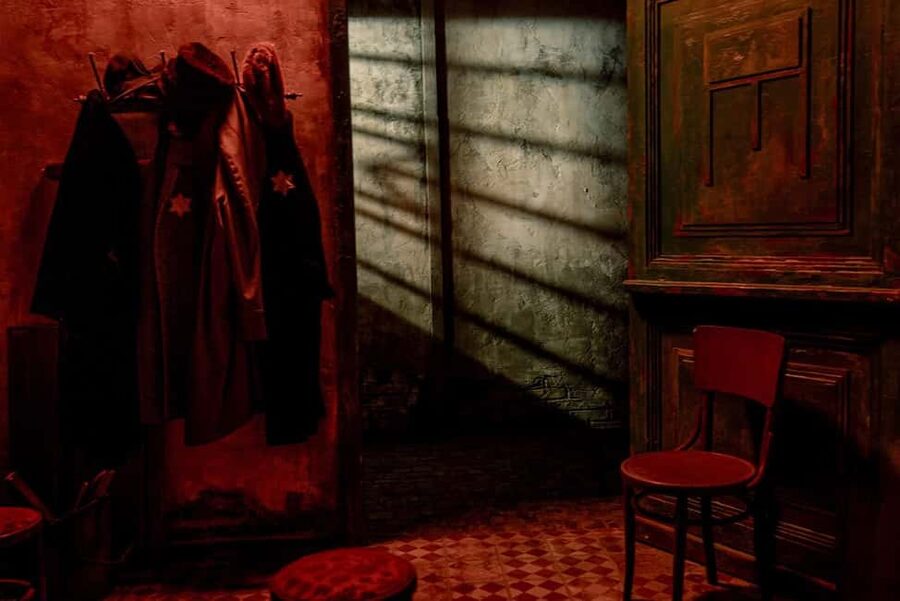
To find it, go to Király u. 26 and look for the Time Machine Budapest entrance at the street level ticket point. The exhibition is on the lower ground floor, and you go down stairs, to the left of the Twentysix restaurant.
This location is part of the experience. You are not walking into a museum gallery with white walls and quiet footsteps. You are stepping into a controlled show space designed to keep you oriented and moving with the story, which helps a lot when the content spans revolutions, wars, and everyday lives.
One practical tip: arrive a little early. Tours start frequently, every 30 minutes, and they want you in place about 10–15 minutes before your scheduled time. If you show up late, you will feel rushed before the story even begins.
Price and value for a tech-led history show
The ticket price is $26 per person, and for that you get a lot of production value for a short outing. You are paying for more than a few screens. The show includes VR technology, holographic projection, mist screen projection, and the holopyramid, plus guided elements and original audio plays performed by professional actors.
The best value angle is the time: it is about 90 minutes. If you want a strong snapshot of Budapest’s major turning points, but you do not want to spend half a day on a long museum route, this can be a useful add-on.
Also, languages are a real value factor. English, German, Spanish, and Hungarian options mean you are less likely to end up standing around waiting for someone to translate key moments for the group.
More collections on either side of the river:
- Budapest: Cat Museum Budapest Entry Ticket
★ 4.4 · 2,210 reviews - Budapest: Light Art Museum Skip-the-Line Entry Ticket
★ 3.9 · 1,531 reviews - Budapest: Budapest Retro Interactive Museum Ticket
★ 4.4 · 569 reviews
VR, holograms, mist projections, and the holopyramid
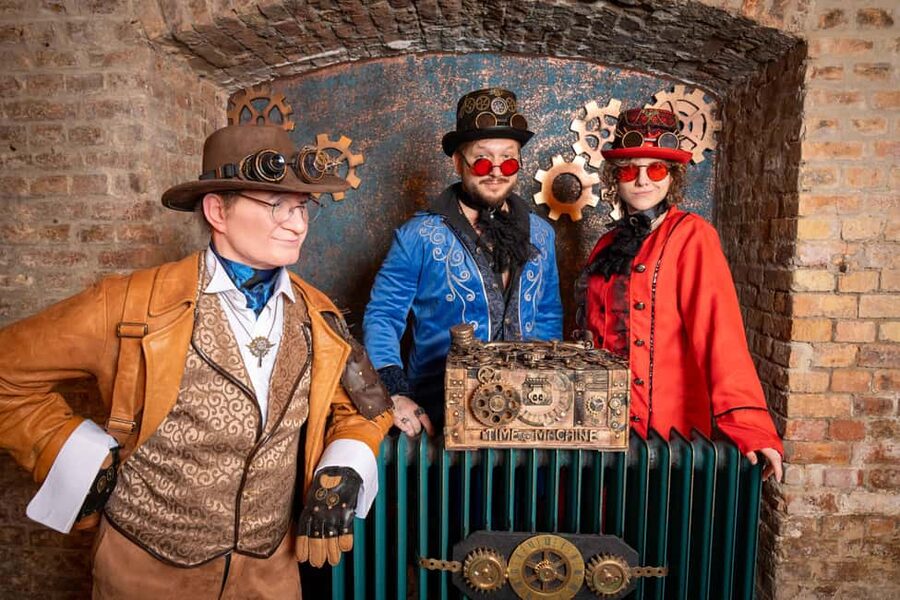
The technology here is not decoration. It is how the exhibition guides your attention.
Here is what you should expect to encounter:
- VR segments that place you in the flow of the story rather than only letting you read about it
- Holographic projection that adds depth and movement compared with flat video walls
- Mist screen projection, which changes the feel of a room and makes scenes feel more atmospheric
- A holopyramid, which is a signature format and helps the show build moments that feel more cinematic than typical museum displays
What I like about this setup is that it can work even if you are not a “museum person.” The show uses visual and spatial cues, so your brain stays engaged while you absorb multiple time periods.
One caution: if you are sensitive to visual effects or you get motion-related discomfort with VR, you may want to think about whether those parts are comfortable for you. The program is short, but the VR component is part of the core experience.
The story flow: from the unifying idea to revolutions and wars
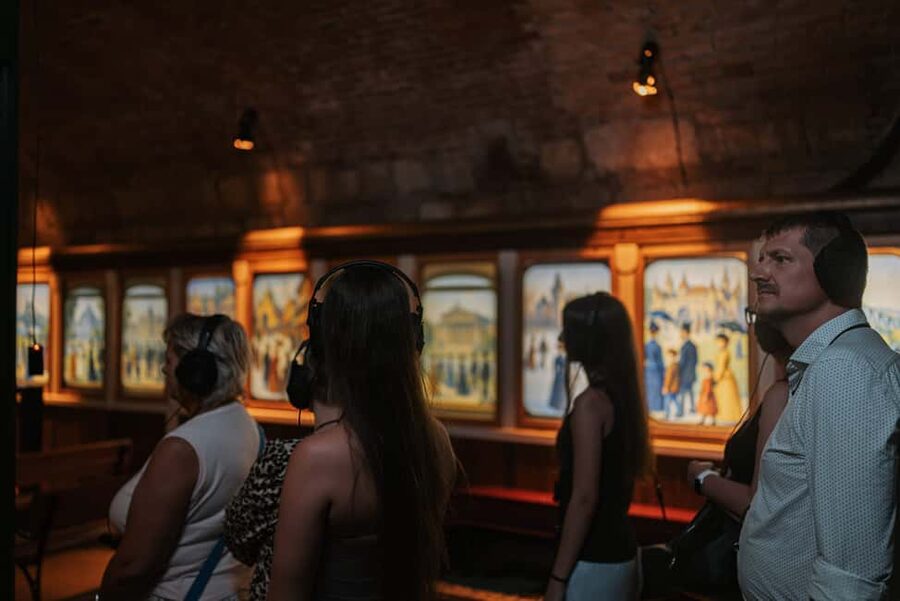
The exhibition’s storyline moves through Budapest’s past as a sequence of turning points. One of the opening themes is the idea of unifying the city, then it continues into moments shaped by revolutions and war.
In practice, this means you are not stuck watching one era for the whole time. The show shifts between different chapters, including the rise and fall of systems and the consequences that reach ordinary people.
This is where guided narration helps. A live tour guide leads the experience (in English, German, or Spanish depending on your session), and that guidance helps connect the tech visuals to what you are seeing. Without that, VR and projections can become cool but confusing. With guidance, you get the thread.
If you are the kind of traveler who likes to take notes and then read afterward, you might feel a bit of pressure. It moves, and it expects you to keep up. For me, the takeaway is simple: go in with the mindset that this is a story-first experience, not a slow-study museum visit.
Habsburg, World War devastation, the Ghetto of Budapest, socialist era
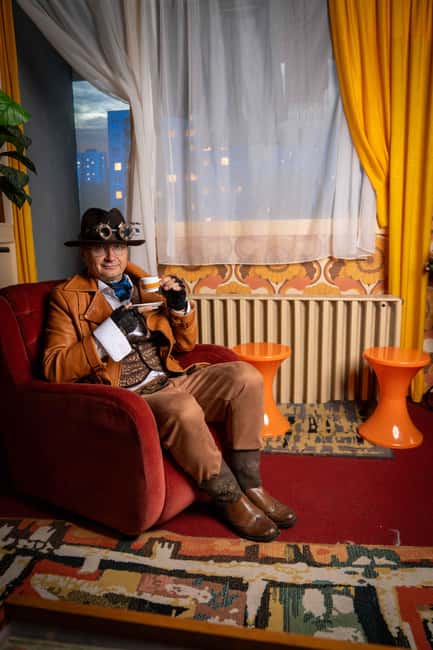
The content spans major periods of Budapest’s history, including the Habsburg period, World War devastation, the Ghetto of Budapest, and the socialist era.
I like that this structure gives you a baseline understanding quickly. If you plan to explore Budapest on your own afterward, these are exactly the kinds of big frameworks that help your street-level observations make sense. You start to notice how one era’s political decisions and social changes shape neighborhoods and memory.
The show also leans into stories of everyday heroes and forgotten destinies, not just rulers and battles. That matters, because it keeps the experience from becoming only abstract. Even when the themes are heavy, the human scale is built into the telling.
One thing to keep in mind: because it covers multiple eras in a single visit, you will not leave with complete depth on every subject. You will leave with a map of themes, names of eras, and a clearer sense of what to follow up on later if you want.
More centuries stacked along the banks:
- Budapest: Historic Cruise with Welcome Drink★ 4.7 · 6,512 reviews
- Budapest Historical Sightseeing – Free Walking Tour★ 5.0 · 1,302 reviews
- Buda Castle District Dark History, Legends and Vampire Night Tour★ 4.5 · 1,240 reviews
Original audio plays with professional actors
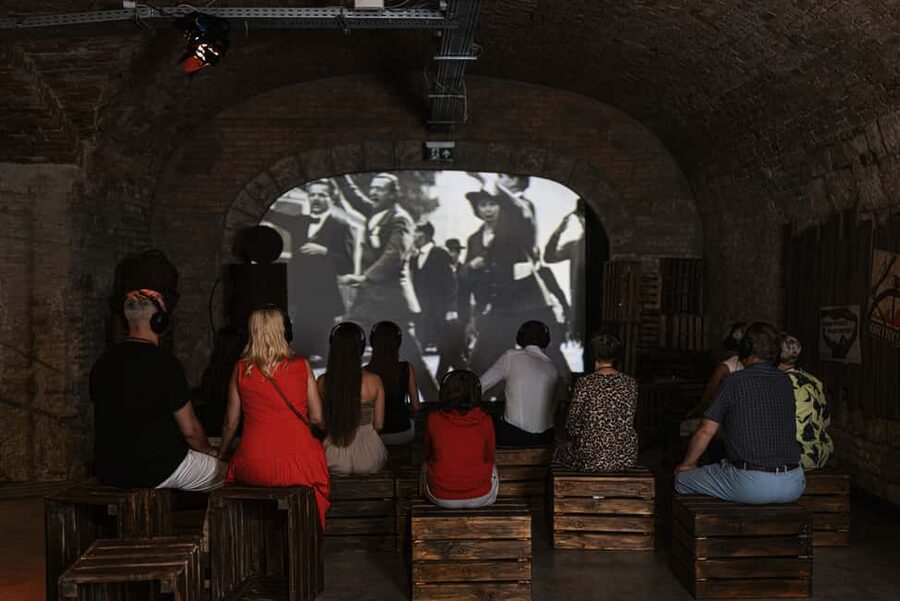
A standout part of this show is the original audio plays performed by professional actors. This is not pre-recorded ambience. It is staged storytelling designed to run alongside the visuals in the room.
In a setup like this, audio is doing two jobs:
- It keeps you oriented while the visuals shift between periods.
- It adds emotional texture, especially for scenes tied to revolutions, war, and life under changing regimes.
If you have ever walked through a museum and felt like the walls were talking past you, this format is the fix. You are listening to a story, delivered in a performance style, while the show uses technology to show where the story is headed.
Also, the exhibition is offered in multiple languages. That means you can match the show to your comfort level and catch the actor-led dialogue without straining.
Languages and the best way to follow the show
The exhibition is available in English, German, Spanish, and Hungarian. Your live tour guide is available in English, German, and Spanish, so you can pick a session that fits your group.
I recommend you choose based on understanding, not just convenience. When a program includes VR and layered projections, missing a few key sentences can make the entire scene feel disconnected. A language you are comfortable with helps you keep the narrative thread.
If you are traveling with family, this is especially important. The show is recommended for adults and families with children over 12 years old, so older teens and adults can usually handle the pace and content more comfortably.
And yes, there is a lot to take in. That is also why having the correct language matters. You can focus on the story instead of decoding it.
How long it takes and how to plan a smooth Budapest day
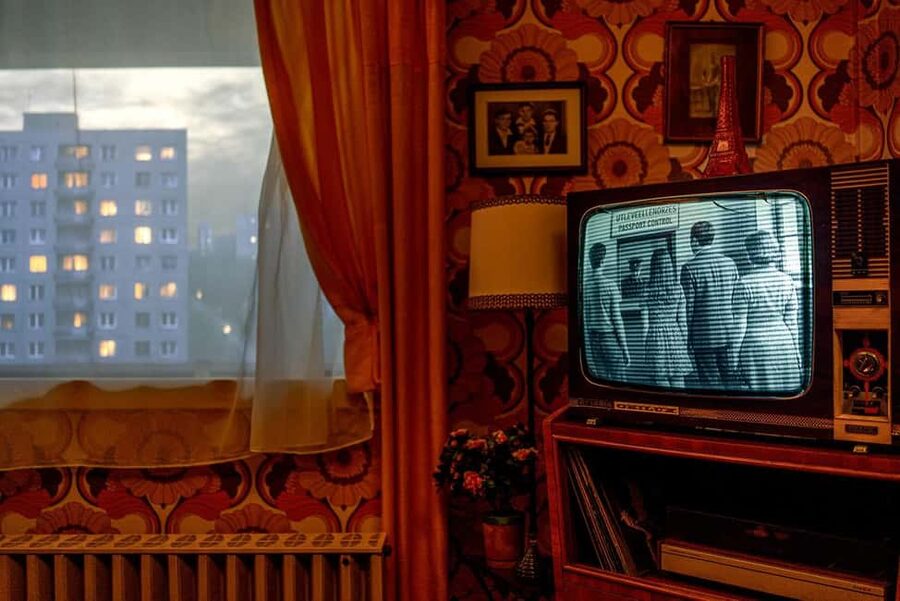
The exhibition runs about 90 minutes, and tours start every 30 minutes. The guided segment in the schedule runs about 100 minutes, so plan as if it will take roughly that hour-and-a-half window once you count check-in and settling into the room.
This timing makes it a good fit for a mid-day block or an evening slot when you want a break from long walking. It also works as a primer before you roam the city. If you plan to see neighborhoods tied to the eras covered in the show, the background you get here can help you read what you are looking at.
My practical advice: do not overstuff your schedule on the same day. Build in time for a slow start and a relaxed finish. You will want a minute after the show to process what you saw, especially because it moves through several heavy themes.
Should you book Time Machine Budapest?
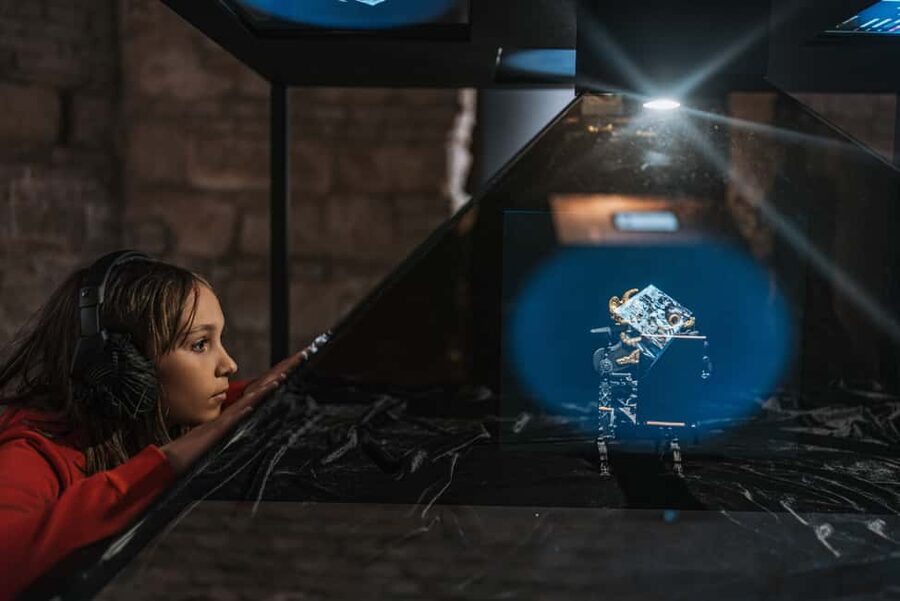
Book it if you want a fast, story-driven way to connect Budapest’s major eras, with VR, holograms, and actor-led audio doing most of the heavy lifting. The $26 price makes sense when you compare it to typical museum entry plus the added production and guided element, and the language options help you actually follow what is happening.
Skip it or go with extra caution if your top priority is slow, quiet, deep reading. This is a show with a lot happening in a short time, and the pacing is meant to keep you moving. If you like action, strong atmosphere, and a guided narrative, you will probably enjoy it.
FAQ
Where is the exhibition entrance?
It is located at Király u. 26. Look for the Time Machine Budapest entrance on the street front at the ticket sales point. The exhibition itself is on the lower ground floor, down the stairs to the left of the Twentysix restaurant.
How long does the experience take?
The exhibition is listed as 90 minutes.
What languages are available?
The exhibition is available in English, German, Spanish, and Hungarian.
Is it suitable for children?
It is recommended for adults and families with children over 12 years old, and it is not suitable for children under 12.
What technology and features are included?
You can expect VR, holographic projection, mist screen projection, and a holopyramid, plus original audio plays by professional actors.
How early should I arrive?
Because tours start every 30 minutes, it is recommended that you arrive 10–15 minutes before your scheduled tour time.
The newest crossings added in Budapest






Museums, compared.

Budapest Card: Free Public Transport, Spa & Museums with Delivery
Read our review →
Budapest Dohany Synagogue & Hungarian Jewish Museum & free extras
Read our review →
Skip the Line: Budapest Pinball Museum Admission Ticket
Read our review →
Browse the lists this tour appears in