
Reviewed · MUSEUMS
Budapest: Budapest Retro Interactive Museum Ticket
Want communist-era Budapest to feel real, fast? The TV news studio and the Lada police car simulator are the two parts I liked most, because they turn history into something you can actually do. The only catch is language and comfort: some exhibits may not be fully English, and on warmer days you might wish for better cooling.
What makes this ticket work for a wide range of people is the museum format. You walk through three floors of themed rooms built around everyday life in the 1970s and 80s, with thousands of real items arranged in a way that reads like a time capsule. It is also family-friendly in the most practical way, there are hands-on moments, interactive mirrors, and kid-friendly attractions without turning it into a cartoon version of history.
In This Review
- Key things to look forward to
- Why Budapest Retro feels different from a typical museum
- Inside the three floors: everyday life in the 1970s and 80s
- Typical apartment block reality checks, plus the interactive mirror
- TV news studio with vintage cameras, where the period comes alive
- Cars, motorcycles, and the Lada police patrol in Gazdagrét
- The space room: Hungary’s astronaut moment and goulash in orbit
- Your practical game plan: how to time a 1-2 hour visit
- Retro bistro and souvenirs, plus what is included vs not
- Price, skip-the-line value, and who should buy what
- Should you book the Budapest Retro Interactive Museum ticket?
- FAQ
- How long should I plan for at the Budapest Retro Interactive Museum?
- What is included with the ticket?
- Where do I present my voucher?
- Is food or drink included?
- Is the museum wheelchair accessible?
- Is there free cancellation?
- Can I reserve now and pay later?
- Do seniors get any extras?
Key things to look forward to
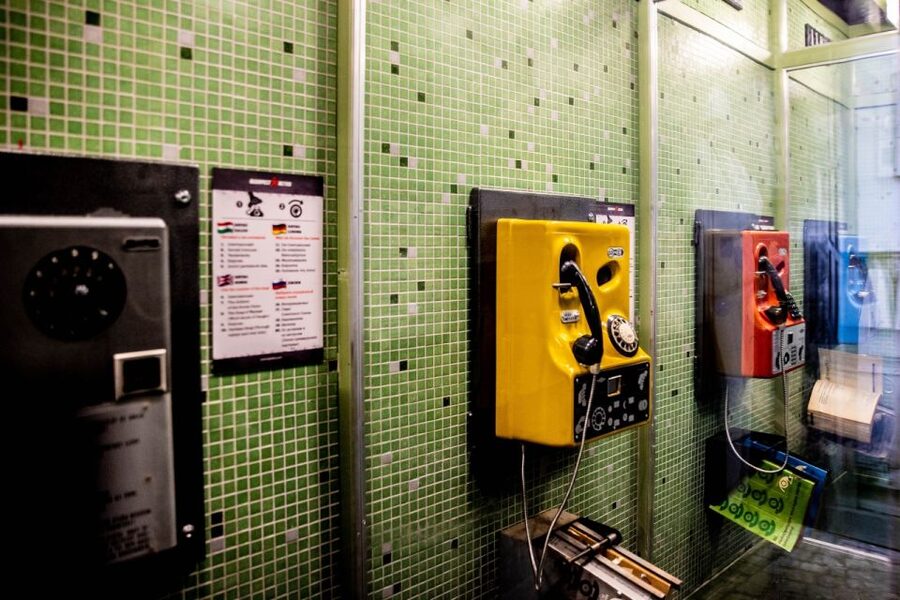
- Hands-on communist daily life across three floors, built from thousands of authentic objects
- Vintage TV studio reading, with original-style broadcasts and functioning cameras
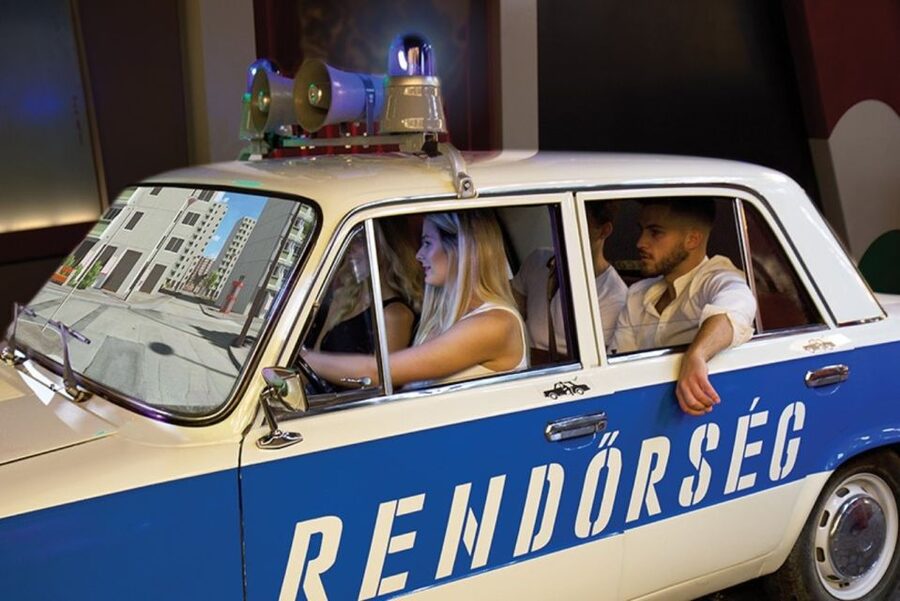
- Gazdagrét in a Lada simulator, letting you patrol a virtual housing-estate grid
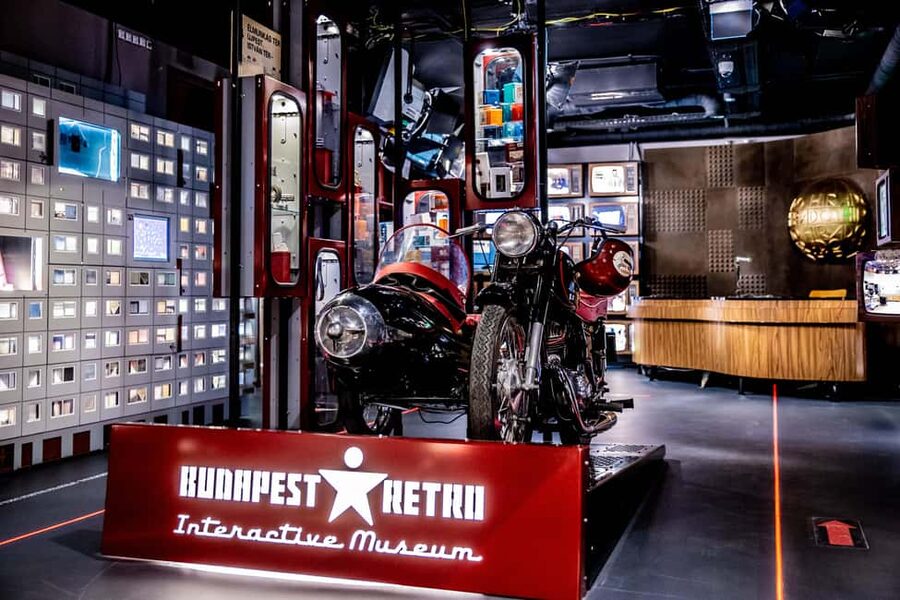
- Cars and motorcycles, including a distinctive black Volga and renovated Soviet vehicles
- School, Pioneer life, and camps, from red pioneer scarves to summer breaks at Lake Balaton
- A typical apartment block walkthrough, including the functionality-first look and interactive photo mirror
Why Budapest Retro feels different from a typical museum
Most museums hand you information and ask you to look. This one does the opposite. You do things. You press buttons. You look through a TV-style setup. You try roles in period-like spaces, from a police patrol simulator to a retro apartment scene.
That hands-on approach matters because communist-era daily life can feel abstract on a map or in a textbook. Here, it is presented as lived routine: what students wore, how schooling ran, what news sounded like, and how many homes were built from repeated apartment-block designs. The result is that you do not just learn dates. You pick up the mood of a decade through objects and routines.
I also like that it is not trapped in heavy politics. There is plenty of propaganda-era material, but the museum leans into the everyday side of Hungary’s so-called goulash communism era, the parts that were more ordinary and even communal. If you want a history museum that also feels like a time-travel day out, this one fits the bill.
Inside the three floors: everyday life in the 1970s and 80s
Plan for about 1 to 2 hours if you want to keep moving and still try the interactive stops. The museum is compact, but it is densely packed. Once you start, the rooms link together like a story of a normal day, not just random artifacts.
The main body of the museum focuses on daily life in Hungary during the 1970s and 80s. You will see thousands of real items placed into themed settings that help you understand how people lived inside the system, not just what the system said. It is a strong approach for first-time visitors, because it gives you context without requiring you to memorize background before you arrive.
A few standout themes you should watch for as you go:
- School life and Pioneer culture. You will encounter what students wore, including the distinctive red pioneer scarves and the idea of singing propaganda songs. It is a direct, visual way to see how youth culture was shaped.
- Community life, including camps. The museum includes summer-camp references, including time at Lake Balaton. That brings the story down to something you can picture.
- Functionality-first living. The repeated apartment-block style is shown as a system design principle, with the same basic layout and even recurring household details.
You can take this at a relaxed pace, but if you start with the simulator and studio first, you might want to come back to the calmer rooms second. Doing it in an order that matches your energy level makes the whole place feel smoother.
More collections on either side of the river:
- Budapest: Cat Museum Budapest Entry Ticket
★ 4.4 · 2,210 reviews - Budapest: Light Art Museum Skip-the-Line Entry Ticket
★ 3.9 · 1,531 reviews - Budapest: Van Gogh Immersive Exhibition Ticket
★ 4.2 · 399 reviews
Typical apartment block reality checks, plus the interactive mirror
The museum’s apartment-block displays are one of the best ways to understand how everyday space shaped daily life. You walk through a typical apartment concept that reflects the repeated design of square apartment blocks. The idea shown here is that many homes shared similar carpets, furniture, fridges, and TV sets, which makes the period feel concrete and consistent.
That consistency can be the emotional punch of the whole visit. It is easy to imagine the past as different. This makes it feel repetitive, structured, and planned. For me, that is one reason this museum works so well even if you are not a deep history nerd. You get it through objects that feel practical, not just slogans.
And then you get a playful layer. There is an interactive mirror where you can try vintage outfits. It is not just for photos, it also helps you understand how period clothing looked and how people presented themselves. If you care about pictures, you will get plenty of Instagram-ready moments here, but it also serves as a simple way to make the rooms feel less like a display case.
TV news studio with vintage cameras, where the period comes alive
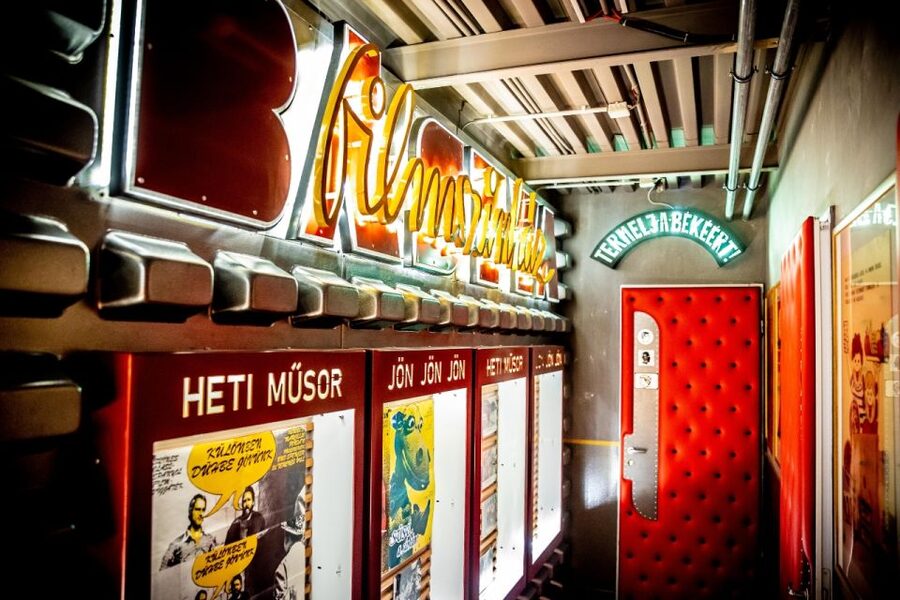
One of the most praised parts is the period-style news studio. This is where the museum flips from reading labels to experiencing the feel of broadcast-era communication. You can read communist-era news broadcasts in a vintage studio setup, and the space includes two authentic, functioning TV cameras.
This is a big deal for two reasons. First, cameras give you the framing, the attention, the tone. Even if you only spend a few minutes here, it changes how you interpret everything else in the museum, because you start linking everyday objects to how the public message was delivered. Second, it is a low-effort, high-interest stop. You do not need special knowledge to follow what is happening, you just look, read, and connect.
If you are visiting with kids, this part usually becomes a favorite because it feels like you are stepping into a scene rather than standing near a glass case. If you are visiting solo or as a couple, it is still a strong attention hook, especially if you like visual media and want history that feels cinematic.
Practical note: some labels and exhibits may not be fully English. If you find a room hard to read, slow down and rely more on visuals and the interactive parts. The studio is still the kind of stop that works even when your reading speed is limited.
Cars, motorcycles, and the Lada police patrol in Gazdagrét
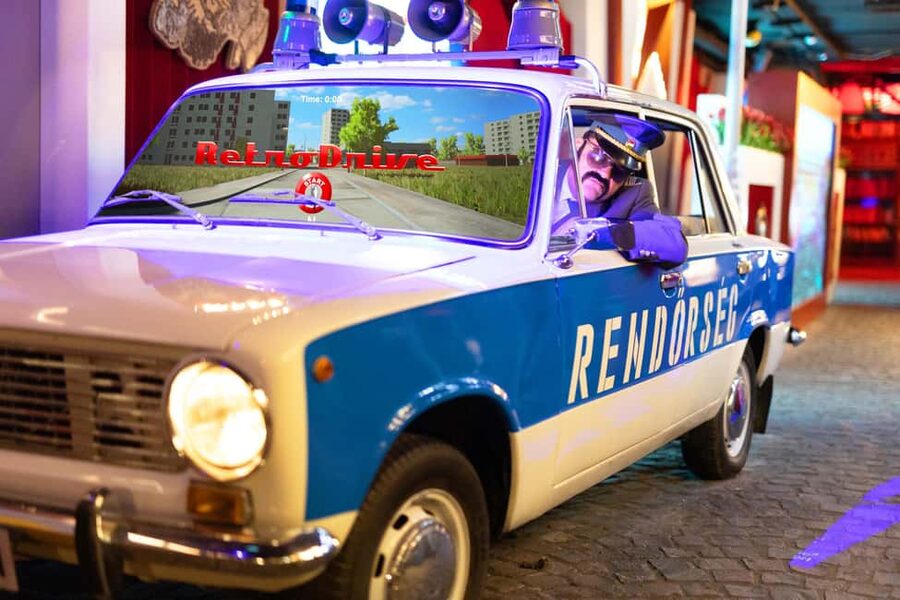
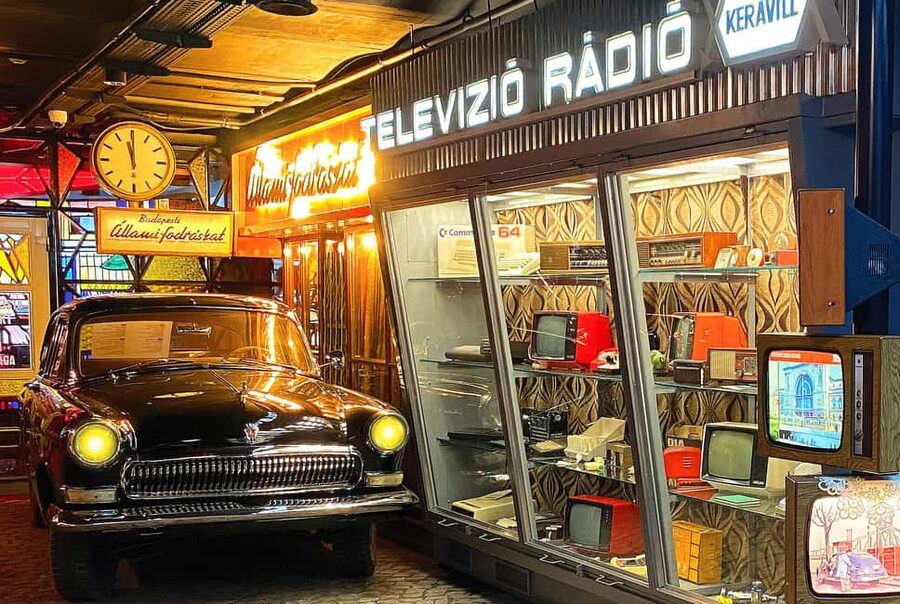
If you like vehicles, you will probably spend extra time here. The museum displays nine motorcycles and three renovated vintage Soviet cars, including a distinctive black Volga. This is the kind of detail that makes a small museum feel unusually specific. You are not just seeing generic “old car” silhouettes, you are seeing recognizable period machines that connect to daily life, transportation culture, and the Soviet influence in visible ways.
Then comes the highlight that most people talk about: the Lada police car simulator. You patrol a virtual version of Gazdagrét, an iconic Budapest housing estate known for endless rows of similar apartment buildings. Instead of explaining the housing estate, the museum sets you inside a patrol-style loop where the environment repeats and runs like a grid.
Why this works is simple. Gazdagrét’s look and layout are part of how the period lived. By turning that environment into a game-like patrol, the museum communicates something hard to picture. You feel the uniformity. You notice the structure.
If you have limited time, I would prioritize this simulator and the TV studio early. They are the most interactive and the most memorable stops, based on what people consistently praise.
Still to cross in Budapest
- Budapest: City Highlights Sightseeing Cruise★ 4.6 · 43,981 reviews
- Budapest: Unlimited Prosecco, Beer and Aperol Spritz Cruise★ 4.8 · 37,304 reviews
- Budapest: Széchenyi Spa Day Ticket with Optional Upgrades★ 4.3 · 23,911 reviews
The space room: Hungary’s astronaut moment and goulash in orbit
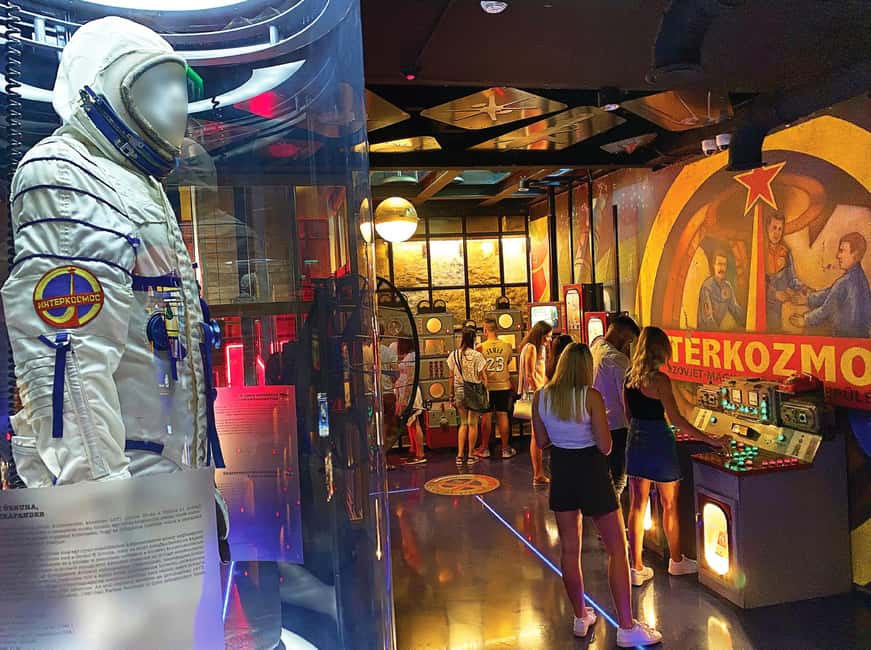
Hungary became the seventh nation to send an astronaut to space in 1980, as part of a Soviet mission. The museum sets up a dedicated space-themed room that gives this moment a physical presence through a spacesuit display and period details.
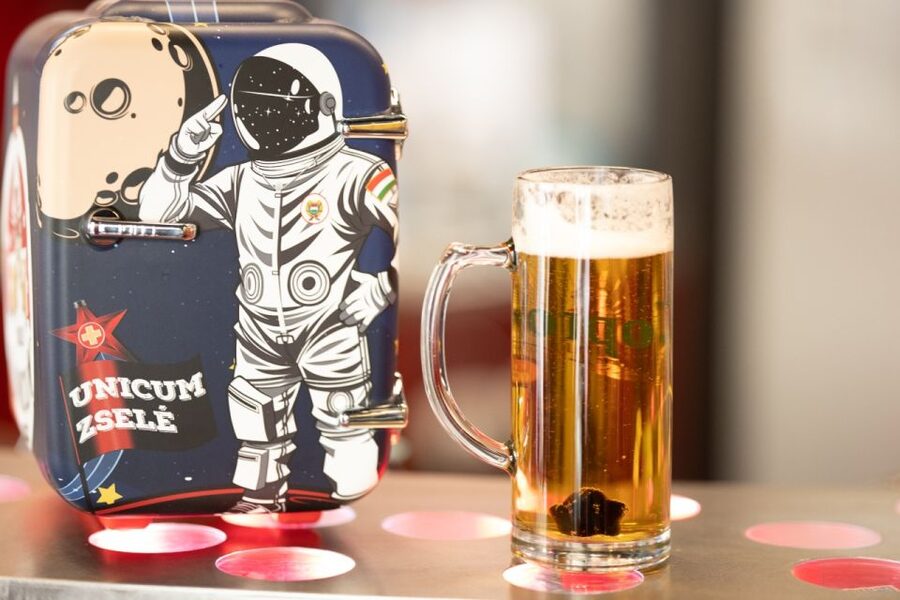
It also includes a gift story that ties space achievement to everyday national culture. There is a folk art-patterned canned goulash presented as a gift to the Salyut 6 space station crew. That pairing is oddly fascinating. It is not just about the mission. It is about how a Hungarian product and identity traveled with a Soviet-linked event.
Even if space history is not your thing, this room is worth a look because it adds scale. You see how Hungarian life and Soviet missions connected, while still holding onto cultural symbols. It is one of the clearest examples of how the museum mixes big-world events with small object-level storytelling.
Your practical game plan: how to time a 1-2 hour visit
This ticket works best as a focused, half-day mindset. The museum is designed for a 1 to 2 hour visit if you actually try the interactive bits, not just glance at rooms.
Here is a simple way to pace it:
- Start with the most interactive stops first, the TV studio and the Lada patrol simulator. That way you get your biggest time wins before the rest of the museum becomes slower.
- Follow with the themed daily-life rooms, focusing on school life and the apartment-block setup.
- Finish with the vehicle displays and the space room, because those tend to be easier to skim without losing the main experience.
If your language reading is slower in some rooms, do not force it. Use the interactive objects as the guide. The museum is built so you can still get value even if you do not read every single label.
Also, the museum can be crowded. If you arrive at a popular time, expect short waits at the most popular interactive stations. The good news is that you are not stuck for long. You can keep moving through other rooms while you wait.
Retro bistro and souvenirs, plus what is included vs not
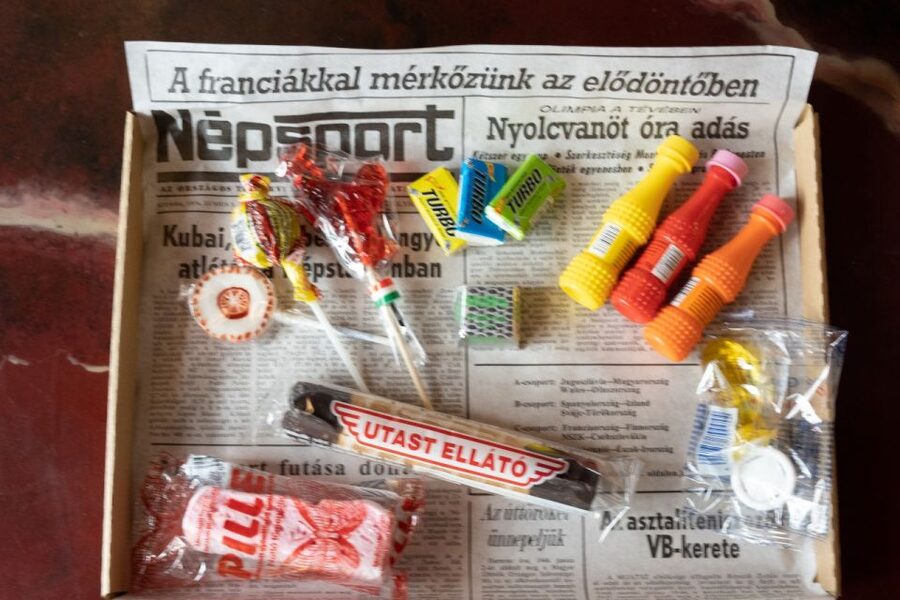
The museum has a retro bistro where you can grab coffee, drinks, and pastries. It includes a jukebox vibe, which fits the overall theme. Food is not included with your ticket, so if you want lunch, plan on paying separately or timing a nearby meal.
There is also a souvenir selection to browse after your visit. This is a small touch, but it matters if you have kids or if you want a practical memory that is more than a photo.
One small tip for comfort: if it is hot out, plan to pace indoors and take breaks. An air-conditioning complaint shows up in feedback, so you might want to come earlier in the day or bring water.
Price, skip-the-line value, and who should buy what
The ticket price is about $17 per person for this one-day experience. For the price, the value is not just the number of rooms. It is the interaction density. You get multiple high-engagement stops, including the simulator and the TV studio, plus a typical apartment display and costume mirror for photos.
Two other value points:
- You get skip-the-line admission, which helps you spend your time in the museum rather than waiting outside.
- Seniors (65+) who purchase a senior ticket receive a complimentary coffee every Wednesday. If you are traveling midweek and qualify, that is a simple perk that can soften the overall cost.
If you are visiting with kids, the price looks even better because the museum avoids the common problem of family tickets being mostly “adults-only listening time.” Here, the hands-on parts naturally pull in younger visitors.
If you want purely academic history, you might prefer something deeper in a large museum. But if you want a fun, structured snapshot of communist-era everyday life, including tech-like interactions and period visuals, this ticket is a solid bet.
Should you book the Budapest Retro Interactive Museum ticket?
Book it if you want interactive history rather than a quiet walkthrough. Prioritize it if you like hands-on exhibits, period media, classic vehicles, and realistic everyday details like apartment life and youth culture. It is also a good choice when you need something that works for mixed ages, because kids have activities and adults still get genuine context.
Skip it, or at least reconsider, if you are expecting perfectly English signage throughout and you need everything spelled out in detail. Some exhibits may be harder to follow if English support is limited, and the most interactive stations may draw crowds.
My final take: for about a couple hours in Budapest, this museum gives you a memorable, tangible picture of communist-era daily life, plus enough play to keep the day from feeling like a lecture.
FAQ
How long should I plan for at the Budapest Retro Interactive Museum?
Plan for about a 1 to 2 hour visit to fully experience the museum and try the interactive parts.
What is included with the ticket?
The ticket includes skip-the-line admission.
Where do I present my voucher?
Present your voucher at the Budapest Retro Interactive Museum desk.
Is food or drink included?
Food or drink is not included. You can use the on-site retro bistro for coffee, drinks, and pastries.
Is the museum wheelchair accessible?
Yes, the museum is wheelchair accessible.
Is there free cancellation?
Yes. You can cancel up to 24 hours in advance for a full refund.
Can I reserve now and pay later?
Yes. The option Reserve now & pay later is available, so you can book and pay nothing today.
Do seniors get any extras?
Yes. Seniors (65+) who purchase a senior ticket receive a complimentary coffee every Wednesday.
The newest crossings added in Budapest



Museums, compared.

Budapest Card: Free Public Transport, Spa & Museums with Delivery
Read our review →
Budapest Dohany Synagogue & Hungarian Jewish Museum & free extras
Read our review →
Skip the Line: Budapest Pinball Museum Admission Ticket
Read our review →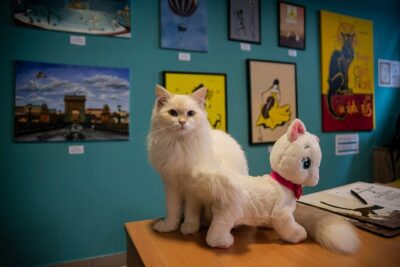

Trash Art Museum: Hungary’s First Scrap Metal Exhibition
Read our review →Browse the lists this tour appears in