
Reviewed · MUSEUMS
Budapest: Light Art Museum Skip-the-Line Entry Ticket
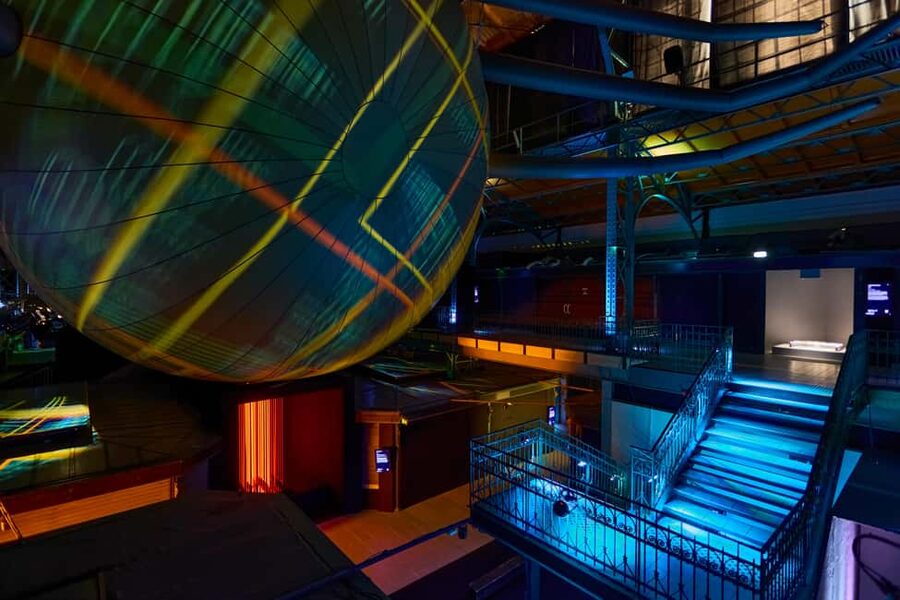
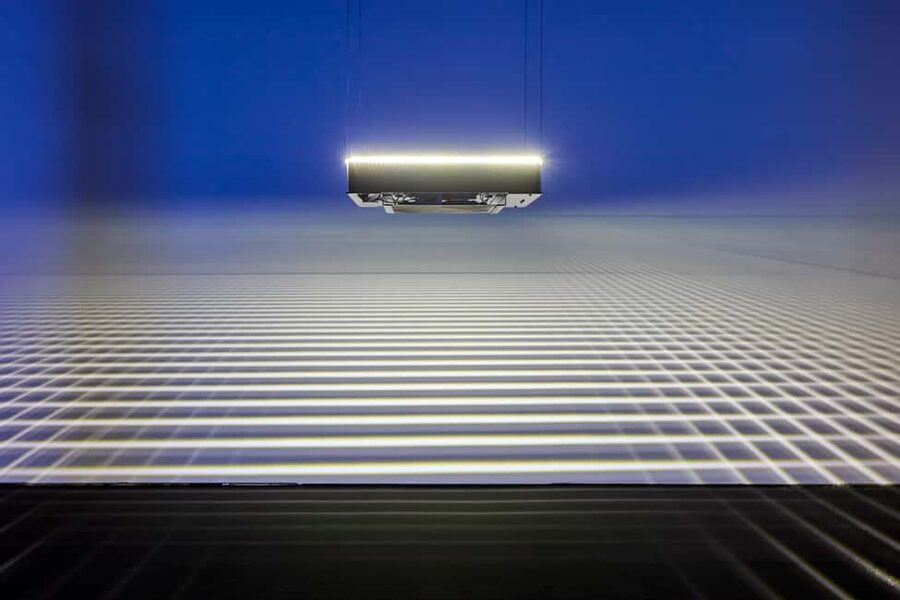
Light tricks your eyes in Budapest. The Light Art Museum is a former farmers market turned into a colorful maze of optical illusions and light-driven contemporary art. I love that it mixes art and science in a way that feels playful, not stiff.
I also love the photo moments you can’t fake, especially the big installations where light turns the room into a prop. One of the neat parts is how the museum connects what you see to László Moholy-Nagy and Victor Vasarely, so the art has a brain behind the wow.
One heads-up, though: the museum is fairly compact, and some rooms or sections may be closed on certain days, so your visit could feel short if you rush. There is also an over 18s section, so think about whether it fits your group.
In This Review
- Key points to know before you go
- Light Art Museum, Budapest: what you’re actually buying
- Planning your 2 hours: upstairs first, then down for the payoff
- The rooms that make you stop: sphere, airlock dome, and the floating tent
- How the museum uses light and art tricks, without making it feel too technical
- The upstairs to downstairs flow: what you might miss if you rush
- Artists and ideas: Moholy-Nagy and Vasarely in plain language
- Who this experience fits best, and who might want a different plan
- Value and price: why $21 can make sense in Budapest
- Practical tips so your visit feels smooth
- Should you book this skip-the-line ticket?
- FAQ
- How long do I spend at the Light Art Museum?
- Is there a skip-the-line option?
- Is a tour guide included?
- What languages are available?
- How much does it cost?
- Can I cancel for a refund?
- Is it suitable for families or young children?
Key points to know before you go
• Skip-the-line entry is handled by hosts, so tell them you want the shortcut when you arrive
• A historic marketplace hall now hosts modern light installations and optical tricks
• Downstairs is often the big payoff, so plan to work your way all the way through
• Signature wow rooms include a sphere experience plus an airlock dome and floating tent style installation
• Photo-friendly, hands-on rooms make it easy to spend time without feeling rushed
• Plan for about two hours, with the option to go shorter if you prefer a quick loop
Light Art Museum, Budapest: what you’re actually buying
This is not a quiet, traditional museum where you whisper and move on. The Light Art Museum is an art-and-technology playground built around light, color, and visual perception. You get a ticket with skip-the-line, plus up to two hours to explore.
That two-hour window matters because it shapes how you should visit. I recommend treating it like a carefully timed walk through rooms that change your sense of scale and space. If you like being in the thick of it, you’ll naturally slow down at the big installations.
The museum also has a very specific setting: a historic hall that used to be a popular farmers’ market. That old-market structure gives the light work a bigger stage, so the installations feel like they belong, not like random screens taped to walls.
Planning your 2 hours: upstairs first, then down for the payoff
Your best strategy is simple: start in the smaller areas upstairs, then follow the flow down. This helps you build momentum, and the later rooms tend to feel more impressive as you go.
If you’re traveling with kids, this pacing is even more practical. A shorter stop at the beginning lets you gauge attention spans, then you can stay longer for the wow rooms without making anyone miserable.
Here’s what you should expect as you move through. Each space uses light to create optical effects, illusions, and projection-style visuals. Some rooms are more interactive or experimental than others, so I’d aim to spend at least a few minutes in every area rather than sprinting.
Also, don’t be surprised if some exhibits are not operating that day. One review noted that some artworks were closed, and that can shorten the overall experience. It’s still worth it, but it’s smart to have flexible expectations.
More collections on either side of the river:
- Budapest: Cat Museum Budapest Entry Ticket
★ 4.4 · 2,210 reviews - Budapest: Budapest Retro Interactive Museum Ticket
★ 4.4 · 569 reviews - Budapest: Van Gogh Immersive Exhibition Ticket
★ 4.2 · 399 reviews
The rooms that make you stop: sphere, airlock dome, and the floating tent
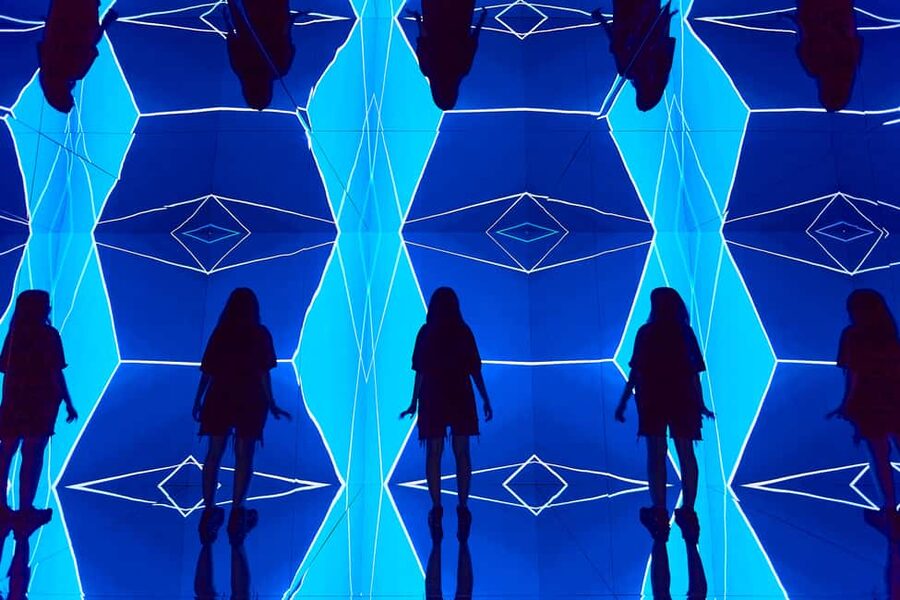
The museum’s strongest moments are the “you have to see it in person” installations. People rave about the sphere experience, where you go inside and let the light do the talking around you. It’s one of those spaces where your brain keeps trying to measure what’s real, and then gives up.
Another crowd-favorite is the airlock dome. The trick here is that you get the best effect when you slow down your body, not just your eyes. Lie down or reposition if the room allows it, because perspective changes what you perceive.
Then there’s the floating tent style installation, mentioned as an incredible highlight. The idea is that light and structure combine to make an object feel suspended and otherworldly. If you like surreal art that still has rules you can sense, you’ll enjoy this one.
People also mention a blimp style installation. Even if it’s not the only wow moment for you, it’s a good example of the museum’s overall vibe: playful scale, controlled lighting, and moments that feel engineered for your camera and your curiosity.
How the museum uses light and art tricks, without making it feel too technical
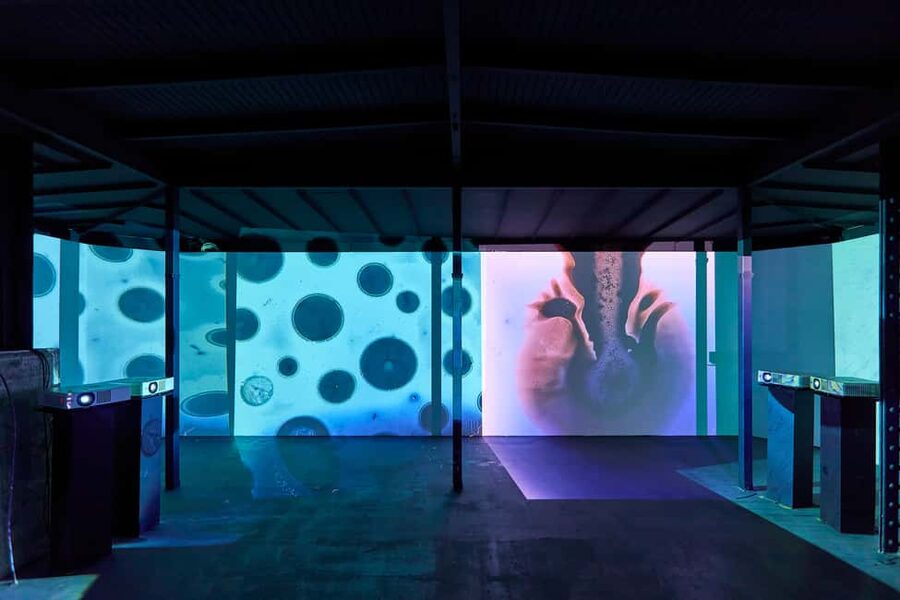
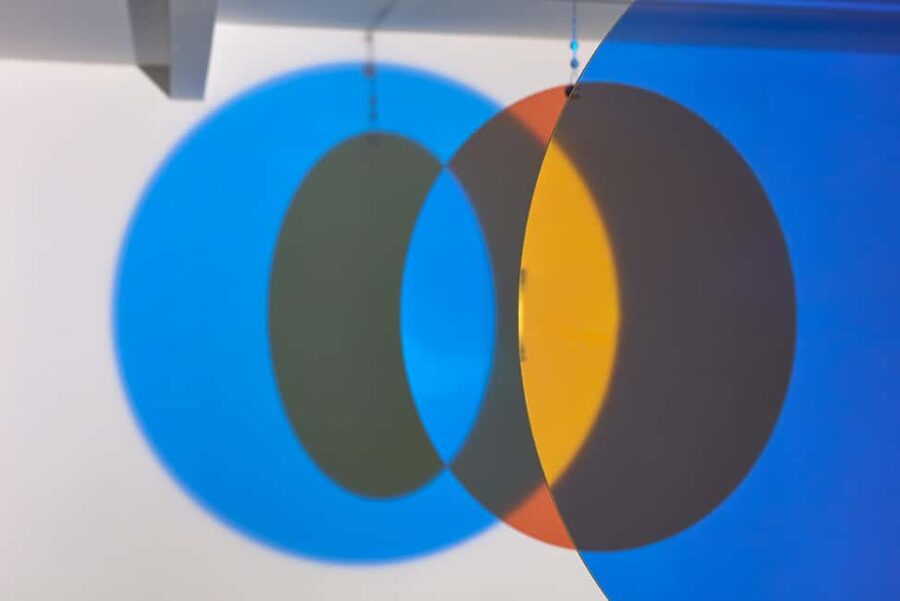
This is the part where the museum is clever for visitors. You don’t need a physics degree to enjoy what’s happening. The installations lean on art principles like contrast and repetition, plus perception tricks that make your eyes reconsider what they’re seeing.
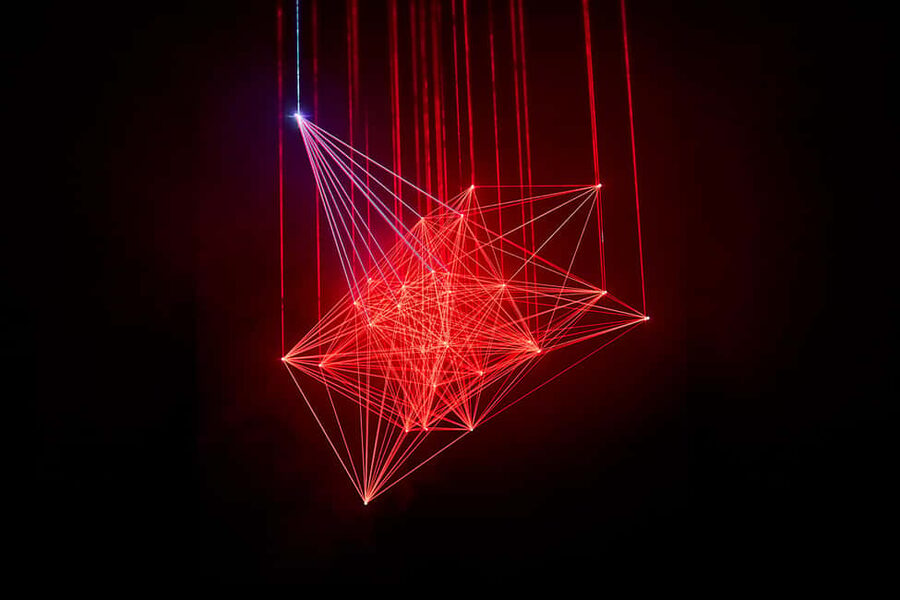
Some rooms are built like optical experiments. Others feel closer to digital projection art. Either way, the museum uses light to create depth, motion, and distortion, so the space becomes part of the artwork.
I like that the museum isn’t trying to be one-note. You’ll see different approaches to light: projection mapping, site-specific installations, and room-scale effects. That variety keeps your attention from getting bored halfway through.
And yes, you should expect plenty of photo moments. The lighting design makes it easy to capture color and shape, even if your photography skills are basic. In other words, it’s a “good camera results without stress” kind of museum.
The upstairs to downstairs flow: what you might miss if you rush
A common mistake is treating it like a quick stop. I get it, you have limited time in Budapest. But if you skip the deeper rooms, you’ll miss the installations that many people talk about as their favorite.
One practical tip: upstairs is often more manageable in size and feels like a warm-up. Downstairs tends to deliver the big scale experiences that take more time to process. If you’re deciding between “quick loop” and “two hours, no rush,” go with the second option unless you’re truly in a hurry.
If you’re sensitive to certain content, check how signage works before you enter every section. There’s mention of an over 18s area, so families should plan accordingly. If you’re traveling with teens or adults only, you can treat it like an extra layer of the museum’s concept.
There’s also a note worth knowing about information panels. One review mentioned screens flipping languages, which can make it annoying to read every explanation. If reading is your thing, take your time and don’t assume you’ll catch every panel in one pass.
Still to cross in Budapest
- Budapest: City Highlights Sightseeing Cruise★ 4.6 · 43,981 reviews
- Budapest: Unlimited Prosecco, Beer and Aperol Spritz Cruise★ 4.8 · 37,304 reviews
- Budapest: Széchenyi Spa Day Ticket with Optional Upgrades★ 4.3 · 23,911 reviews
Artists and ideas: Moholy-Nagy and Vasarely in plain language
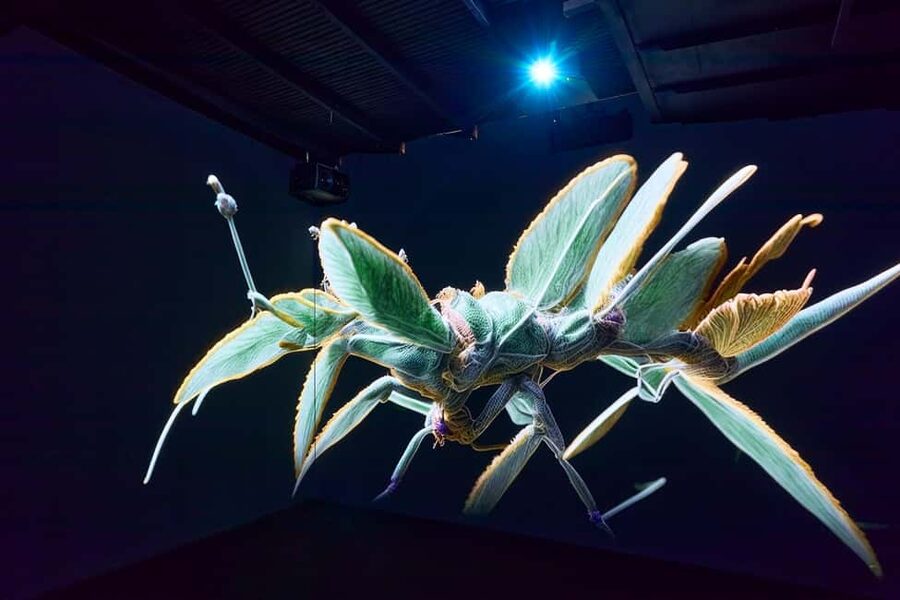
The museum gives you clues about where the ideas come from, which is what turns this from “cool lights” into “cool thinking.” Names you might see connected to the installations include László Moholy-Nagy, a pioneer associated with light-focused art, and Victor Vasarely, linked to op-art.
Even if you don’t know their work ahead of time, you can still connect the dots. You’ll notice how the museum plays with shape, pattern, and optical effects, then hints at how those methods evolved from earlier art movements.
I like that you can treat it two ways. If you want pure visual fun, you can just follow the light. If you want context, you can pause for the background information and read enough to make the room feel smarter.
You will get more out of it if you’re willing to ask a simple question while you walk. What is the artist trying to trick, and why does it work? That’s the kind of thinking that makes the experience stick.
Who this experience fits best, and who might want a different plan
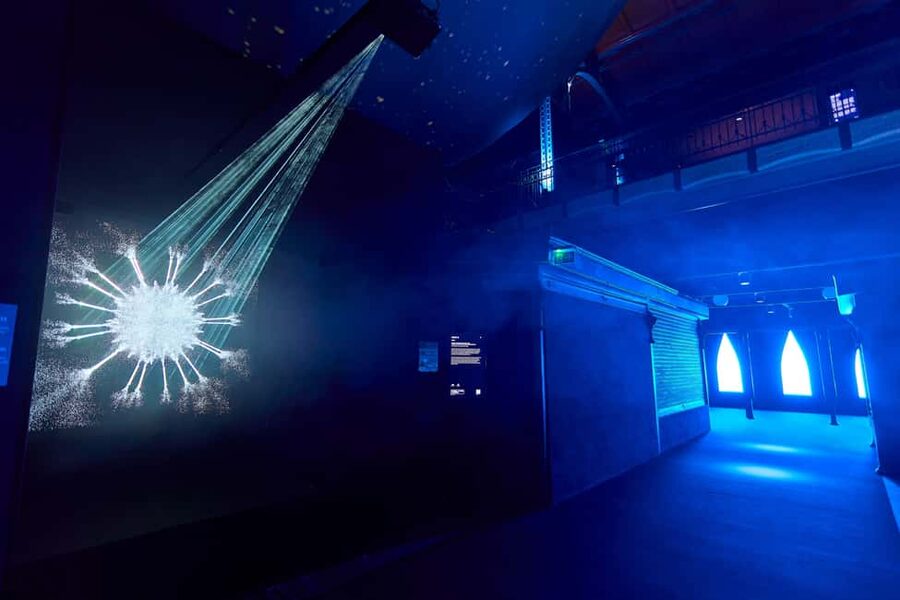
This is a great match for people who like modern art that you can physically react to. If you enjoy interactive spaces, optical illusions, and room-scale lighting, you’ll probably have a fun time.
It can also work for families. The museum messaging specifically mentions bringing the whole family along, and kids often enjoy the big dramatic effects. That said, reviews mention the museum is not ideal for very small children, except for certain eye-catching elements like a balloon-related installation.
So here’s my practical rule: if your kids can read a bit or tolerate attention to panels, it’s easier to enjoy. If they need constant entertainment, choose the rooms with the strongest wow factor and accept that not every exhibit will land.
Adults who want something different from classic museums tend to love this. If you’ve already done the Parliament building, the Heroes’ Square stroll, and the usual “greatest hits,” this is a nice change of pace. It also fits well as a half-day add-on before or after bigger sights.
Value and price: why $21 can make sense in Budapest
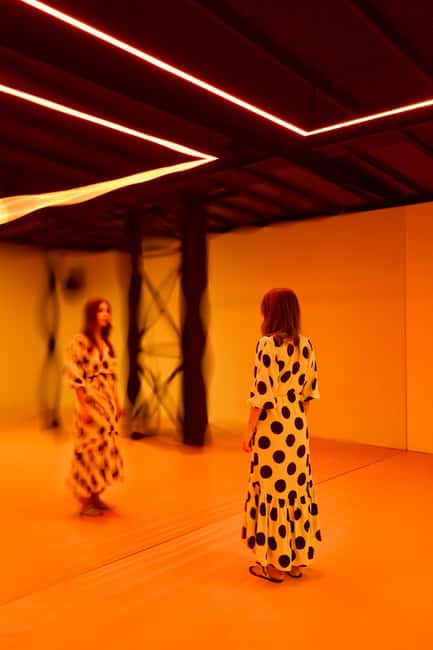
At about $21 per person, the value depends on what you want from your time. Two hours in a hands-on, photo-ready modern art setting can be a good trade if you’re trying to mix culture with fun.
The skip-the-line part matters here. Budapest can be busy, and timed entry keeps things smoother. Even if the line isn’t massive, skipping it is one less stress step on a travel day.
Also, people note that entry feels controlled and not overly crowded. Limited capacity makes a big difference with light art. If the space is packed, you lose some of the visual effect, because you can’t move freely or settle into the best viewing angle.
In short, the price feels fair if you’re buying an experience, not just a building. If you only like traditional museum displays behind glass, you might treat it as a short detour rather than a top priority.
Practical tips so your visit feels smooth
First, plan for a relaxed two-hour block unless you know you prefer a quick loop. Some people end up closer to one hour or up to one and a half hours, depending on how much they read and how many installations they replay.
Second, start upstairs and go down. It’s the easiest way to make sure the strongest rooms land near the end when you’re still fully engaged.
Third, bring a flexible mindset about information. If you want the story behind each installation, take a bit more time and don’t count on every language screen cooperating perfectly.
Fourth, be ready for different “types” of rooms. Some feel more interactive and sensory. Others are more conceptual. A quick scan of the room type before you commit can help you choose how long to spend.
Finally, if you’re sensitive to content, pay attention to signage and the over 18s area. That one decision can make the difference between a smooth family visit and a tricky moment at the doorway.
Should you book this skip-the-line ticket?
I’d book it if you want modern Budapest with a fun twist, and you like art that plays with perception. The combination of skip-the-line entry, about two hours of exploring, and big signature installations like the sphere, airlock dome, and floating tent makes it a strong pick for a short list.
I’d skip it if you want only classic museums, or if you dislike interactive visual tricks. If you’re traveling with very small children, check the over 18s restriction first and decide if the experience will fit their attention span.
If your schedule has room for something unusual, this is one of those places where even the lighting alone feels like a souvenir.
FAQ
How long do I spend at the Light Art Museum?
The ticket includes 2 hours of exploration in the Light Art Museum.
Is there a skip-the-line option?
Yes. Your ticket includes a skip-the-line option, and you should let the hosts know if you want to skip the ticket line.
Is a tour guide included?
No. A tour guide is not included.
What languages are available?
The host or greeter is available in English and Hungarian.
How much does it cost?
The price is listed at $21 per person.
Can I cancel for a refund?
Yes. You can cancel up to 24 hours in advance for a full refund.
Is it suitable for families or young children?
The activity description says it’s suitable for bringing the whole family, and it is described as having a kid-friendly element. At the same time, there is mention of a section specifically for over 18s, so you should plan based on your children’s ages.
The newest crossings added in Budapest






Museums, compared.

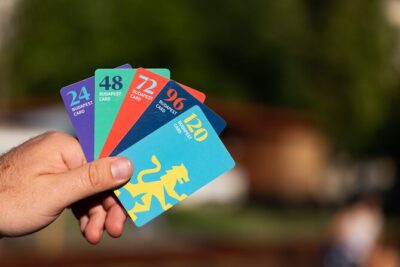
Budapest Card: Free Public Transport, Spa & Museums with Delivery
Read our review →
Budapest Dohany Synagogue & Hungarian Jewish Museum & free extras
Read our review →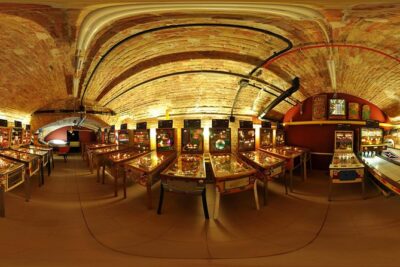
Skip the Line: Budapest Pinball Museum Admission Ticket
Read our review →

Trash Art Museum: Hungary’s First Scrap Metal Exhibition
Read our review →Browse the lists this tour appears in