
Reviewed · JEWISH BUDAPEST & GREAT SYNAGOGUE TOURS
Budapest Jewish Heritage: Synagogues, Shoes, Secrets & Flódni
Budapest’s Jewish past is written in stone. This walking tour strings together synagogues, ghetto landmarks, and the Shoes on the Danube memorial, with stories that explain what those places meant in 1944. You finish with a traditional bite of flódni.
I love how the guide connects architecture to lived reality, especially at the Great Synagogue. I also like the pacing that gives you time to absorb heavy moments at the riverbank memorial and the still-standing ghetto wall area without feeling rushed.
One thing to plan for: entrance tickets are not included for several synagogues. That means your final total will likely be a bit higher than the listed price, and the scheduled stop times are limited.
In This Review
- Key highlights worth your attention
- Entering Budapest’s Jewish Quarter, with a guide who keeps it personal
- Great Synagogue of Dohány Street: Europe’s largest synagogue, plus what WWII took
- Rumbach Street Synagogue: Otto Wagner, Moorish style, and a community angle
- Carl Lutz Memorial: a powerful detour into diplomacy
- Kazinczy Street Orthodox Synagogue: modern design, late art nouveau touches
- Shoes on the Danube Bank: remembrance with a date you can remember
- Ghetto landmarks and the still-standing wall: seeing 1944 through a city that keeps moving
- Flódni at the end: food as a memory, not a closing gimmick
- Price and what you’re really paying for
- Pace, timing, and how much you’ll actually see inside
- Should you book Budapest Jewish Heritage: Synagogues, Shoes, Secrets & Flódni?
- FAQ
- Is this a private tour?
- How long is the tour?
- What is included in the tour price?
- Are entrance tickets included for the synagogues?
- Where does the tour start and end?
- Is pickup offered?
- What language is the tour in?
- What is the cancellation window?
- Are snacks included besides flódni?
Key highlights worth your attention
- Private, expert-led route in the Jewish Quarter: You get a focused walk with a guide who can answer questions as you go.
- Great Synagogue (Nagy Zsinagóga) context: Largest synagogue in Europe, Neolog Judaism, and what happened to Hungarian Jewry during WWII.
- Otto Wagner’s Rumbach Street Synagogue: A Moorish-style building linked to a “moderate Conservative” community, with a refreshed interior.
- Carl Lutz Memorial stop: A Swiss diplomat credited with helping save tens of thousands of Jews in Budapest.
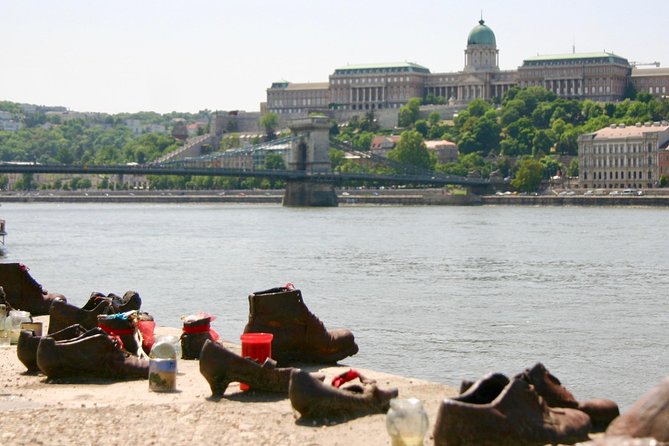
- Shoes on the Danube Bank: The April 16, 2005 memorial that commemorates victims forced to remove their shoes before being shot at the riverbank.
- Flódni to close the tour: A sweet, heritage-style Jewish pastry included at the end.
Entering Budapest’s Jewish Quarter, with a guide who keeps it personal
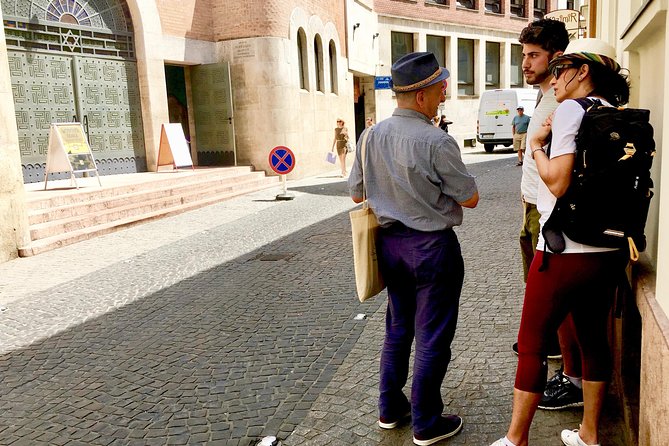
This is a serious tour, but it never feels like a textbook march. It’s designed as a walk through the Jewish Quarter, starting around Herzl Square and the Great Synagogue area, then working your way through key sights tied to the city’s WWII ghetto reality in 1944. You also get the backstory behind what each synagogue represented, not just what it looks like.
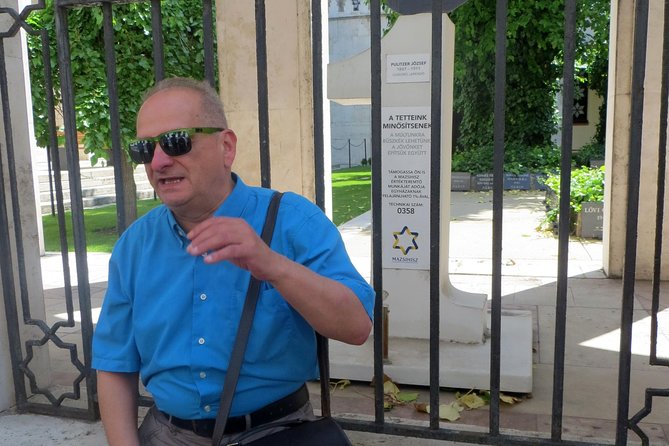
The private setup matters. Instead of squeezing into a crowd and nodding at facts, you can ask questions and shape the flow around what you care about. Many guides for this route are described as warm and thoughtful, including guides such as Gabriella and Edith, who are praised for making history feel human. Other guides, like Miklós, are singled out for starting with an early question about what you want out of the experience, which helps the tour land in your world.
If you like your tours with a clear arc, this one has it. It moves from religious life and community differences, toward war, then ends with food. That last step is not filler. It’s a reminder that heritage is not only about loss, it’s also about continuity.
Great Synagogue of Dohány Street: Europe’s largest synagogue, plus what WWII took
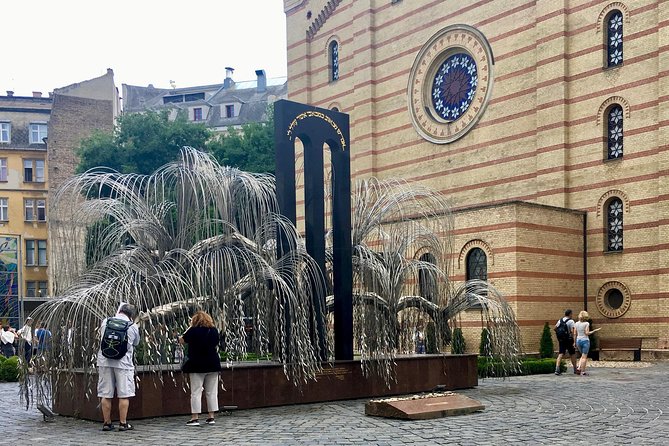
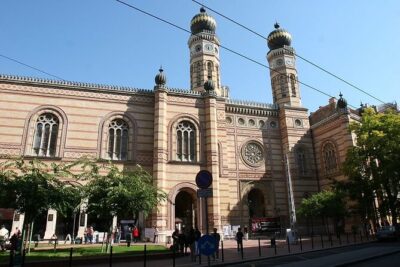
Your first major landmark is the Dohány Street Great Synagogue, also called the Nagy Zsinagóga. This building is the largest synagogue in Europe, with seating for about 3,000 people, and it served as a center of Neolog Judaism. From the start, the tour frames the synagogue as more than a sight. It’s a symbol of a whole community’s public life.
You’ll learn why the synagogue is unique architecturally, then the guide shifts gears into a WWII-focused narrative: the fate of Hungarian Jewry during the Second World War. You also pick up connections to internationally known Hungarian Jewish figures. That mix is useful. It helps you hold two timelines at once, the pre-war community and the catastrophe that followed.
Practical note: the Great Synagogue admission ticket is not included. Your guide can still orient you, explain what to look for, and give you the context, but you’ll want to budget for entry.
Further Jewish Budapest and Great Synagogue tours:
- Budapest Jewish Heritage Memorial Walking Tour & Synagogue Entry
★ 5.0 · 568 reviews - Budapest: Jewish Heritage Guided Tour with Synagogue Ticket
★ 4.8 · 533 reviews - German tour in the Budapest city centre & the Jewish quarter
★ 5.0 · 359 reviews
Rumbach Street Synagogue: Otto Wagner, Moorish style, and a community angle
Next comes the Rumbach Street Synagogue, the Moorish-style Sebestyén utca synagogue built in 1872. The building is credited to Otto Wagner, an Austrian Secessionist architect, and it was built for a “moderate Conservative” community. That phrase matters because it points to a deeper point you’ll keep hearing on this tour: Jewish life in Budapest was not one single story.
What makes this stop especially satisfying is the way the tour explains how the interior light and decoration feel, especially after the “long-overdue facelift.” Even if you’ve seen synagogues elsewhere, this one has a different flavor, and the guide explains the differences so you can notice them instead of just taking photos.
Timing is also tighter here, about 15 minutes. That’s not enough for a slow wander, but it is long enough to understand the building’s purpose and then move on.
Carl Lutz Memorial: a powerful detour into diplomacy
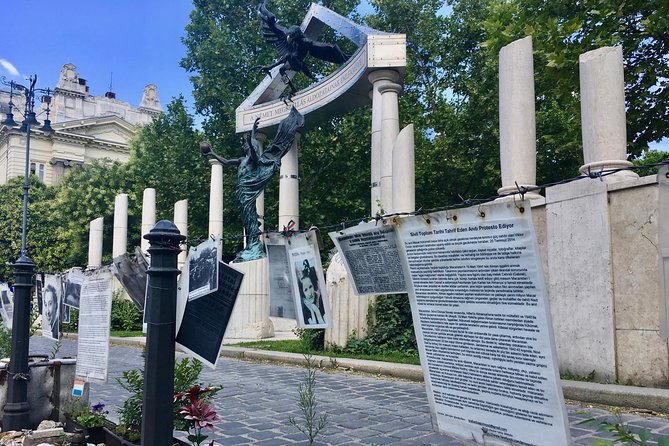
Then the route turns toward a memorial stop at the Carl Lutz Memorial. During the war, Carl Lutz, a Swiss diplomat, helped save tens of thousands of Jews in Budapest from persecution and deportation. This monument sits in the area of the former Budapest ghetto.
This is a welcome shift in tone. Not because the subject becomes less serious, but because it adds a different kind of reality to the story. On a tour focused on synagogues and WWII ghetto sites, it’s easy to feel like everything is only catastrophe. Carl Lutz brings in the theme of human intervention, and the guide keeps it grounded in what happened in Budapest.
The memorial stop is about 10 minutes and the admission is free. It’s also one of the easiest stops to appreciate quickly, because it’s clearly labeled as commemoration, and you don’t need extra context to feel the weight.
Kazinczy Street Orthodox Synagogue: modern design, late art nouveau touches
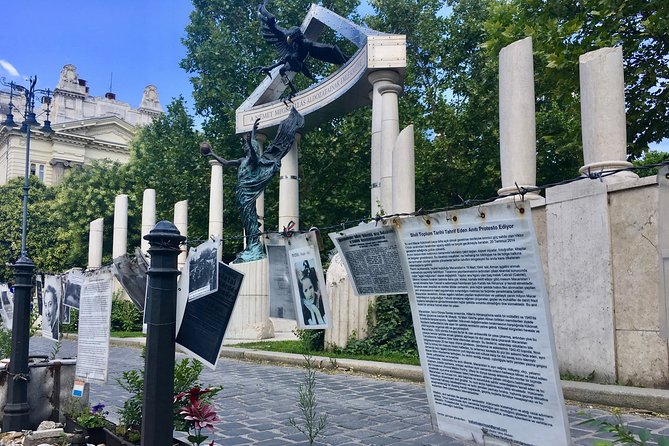
You’ll also visit Budapest’s Orthodox synagogue on Kazinczy Street, built in 1913. At the time, it was described as modern, and it includes late art nouveau touches with bright colored decoration throughout. The stained-glass windows in the ceiling were designed by Miksa Róth.
This stop is where the tour’s attention to detail really helps. Instead of treating every synagogue like a variation on the same theme, the guide emphasizes the different branches and aesthetics. You learn why each building matters to how communities organized worship and identity.
As with other key sites, the entrance admission is not included for this stop. You’ll still get a strong orientation, but plan for ticket costs if you want to go inside.
More centuries stacked along the banks:
- Budapest: Historic Cruise with Welcome Drink★ 4.7 · 6,512 reviews
- Budapest Historical Sightseeing – Free Walking Tour★ 5.0 · 1,302 reviews
- Buda Castle District Dark History, Legends and Vampire Night Tour★ 4.5 · 1,240 reviews
Shoes on the Danube Bank: remembrance with a date you can remember
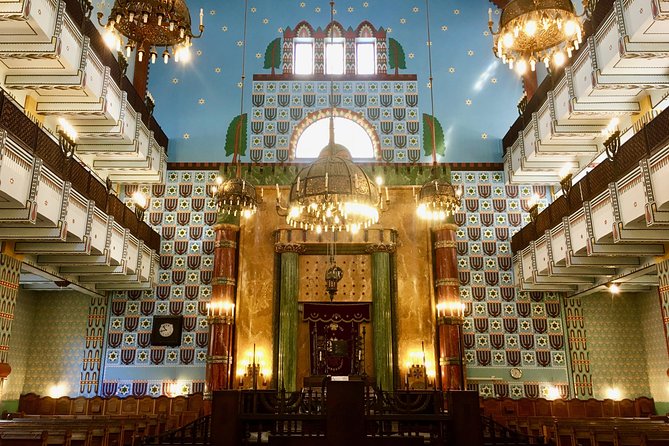
Now you reach one of the most talked-about Holocaust memorials in Europe, Shoes on the Danube Bank. The tour stops here to pay respects at a memorial unveiled on April 16, 2005. It honors Jewish victims who were murdered at this site during World War II.
The guide explains the scenario tied to the sculpture: victims were forced to remove their shoes before being shot at the riverbank, with their bodies carried away by the Danube. The sculpture depicts shoes left behind, and the whole thing works like a blunt instrument. It’s not symbolism you need to decode. You just have to face it.
The stop time is about 10 minutes, and the admission is included for this memorial stop. Don’t treat this as a quick photo stop. If you’re the type who gets tense around heavy historical sites, this one might hit hard. That’s normal.
Ghetto landmarks and the still-standing wall: seeing 1944 through a city that keeps moving
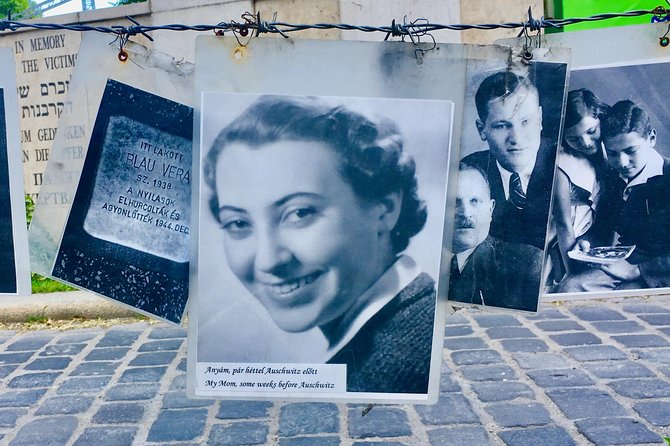
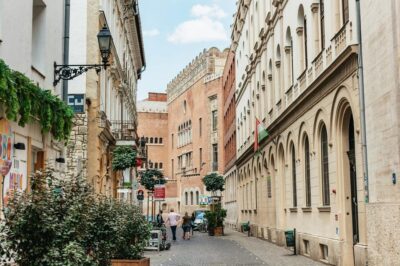
After the riverbank, the tour focuses on Budapest’s Jewish Quarter and ghetto landmarks. Toward the end of WWII, Jews in Budapest were herded into a ghetto, and a small section of the ghetto’s wall still stands in the heart of the city.
This is one of the places where a guide’s storytelling beats “just looking.” Today, the area is part of everyday Budapest life. The guide helps you imagine what the ghetto experience would have looked like, and explains secrets of the ghetto, the life of its inmates, and the eventual fate that unfolded.
The stop is about 15 minutes and is free. That’s a good amount of time for a city walk. You get enough to connect the wall and street reality to what happened in 1944, without turning the tour into a long lecture.
Flódni at the end: food as a memory, not a closing gimmick
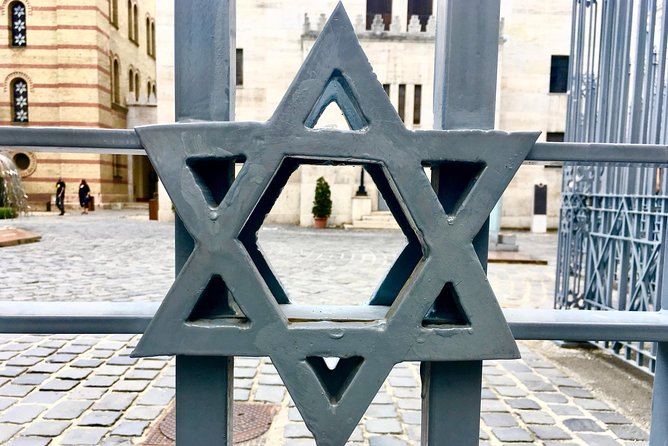
You wrap up with flódni, a traditional Jewish pastry. The tour frames it as part of the flavors of heritage, and it’s included as the end snack. It’s about 20 minutes, which gives you a moment to reset before you head back into the city.
This final stop is a smart design choice. After synagogues, war, memorials, and ghetto reminders, you need something that feels like ordinary life. Flódni does that job, and it also lets you leave with a taste tied to Jewish culture in Hungary, not only to tragedy.
Price and what you’re really paying for
The tour price is $102.95 per person and the duration is about 2 hours 45 minutes. On paper, that’s a lot for a neighborhood walk. In practice, you’re paying for several things that are hard to DIY well.
You get:
- A historian guide and a guide described as genuine Jewish
- Hotel pickup
- A mobile ticket
- The included flódni snack
- A route that hits multiple synagogue sites and several WWII-related landmarks
What’s not included:
- Entrance tickets for the Great Synagogue, Rumbach Street Synagogue, and the Kazinczy Street synagogue
- Public transportation ticket (you likely won’t need it if pickup is offered)
So think of the base price as paying for guide time and meaning, while you budget extra for entry fees. Also, this route is private, only your group participates. That can be great value if you’re traveling with family or friends who want the conversation to stay with your group, not the general public.
Pace, timing, and how much you’ll actually see inside
Stop times are built into the experience: about 20 minutes at the Great Synagogue, 15 at Rumbach, and shorter memorial and ghetto wall stops. The Orthodox synagogue stop is also around 10 minutes, and the tour concludes with about 20 minutes for flódni.
That pacing is one reason the experience earns such high marks. People often describe it as not canned, and they like that the guide keeps the dialogue moving. If you want a long, unhurried museum-style visit inside each synagogue, this may feel short. But if you want context that makes the buildings and memorials click, the time structure helps you avoid information overload.
It also helps on logistics. The meeting point is Budapest, Dohány u. 1, 1074 Hungary, and the tour ends back there. That keeps the walking manageable and makes it easier to plan your day after the tour.
Should you book Budapest Jewish Heritage: Synagogues, Shoes, Secrets & Flódni?
If your goal is understanding, not just sightseeing, I’d book it. The best part is the way the guide ties places together, from community identity in different synagogues to WWII ghetto reality in 1944, then ends with flódni so you leave with something human and memorable.
Book this tour if:
- You want a guided, place-based story with time for questions
- You care about the differences between Jewish communities in Budapest, not just the names of buildings
- You want a route that includes both synagogues and major WWII memorials
Skip it or add extra time if:
- You’re planning to spend a lot of time inside each synagogue on your own
- You don’t want to pay extra for entrances, since several key stops do not include tickets
One more tip: if you have the chance to choose between guides, look for the ones praised for connecting facts with personal perspective. Names like Miklós, Kata, Gabriella L., and Edith show up in positive feedback for combining history with a thoughtful, question-friendly style. That kind of guiding is exactly what makes this walk feel more than a checklist.
FAQ
Is this a private tour?
Yes. It is a private tour or activity, and only your group will participate.
How long is the tour?
The duration is about 2 hours 45 minutes.
What is included in the tour price?
The tour includes hotel pickup, a historian guide, and an authentic Jewish dessert at the end (flódni). A mobile ticket is also offered.
Are entrance tickets included for the synagogues?
No. Entrance tickets are not included for the Great Synagogue (Nagy Zsinagóga), the Rumbach Street Synagogue, and the Kazinczy Street Synagogue. The Shoes on the Danube Bank stop is marked as admission included, and the Carl Lutz Memorial and the Jewish Quarter ghetto wall area are marked free.
Where does the tour start and end?
It starts at Budapest, Dohány u. 1, 1074 Hungary, and ends back at the same meeting point.
Is pickup offered?
Yes. Hotel pickup is offered.
What language is the tour in?
The tour is offered in English.
What is the cancellation window?
You can cancel up to 24 hours in advance for a full refund. If you cancel less than 24 hours before the experience’s start time, the amount you paid will not be refunded.
Are snacks included besides flódni?
The tour includes an end snack, and the listed dessert at the finish is flódni.
The newest crossings added in Budapest





Jewish Budapest & Great Synagogue Tours, compared.
Budapest Jewish Heritage Memorial Walking Tour & Synagogue Entry
Read our review →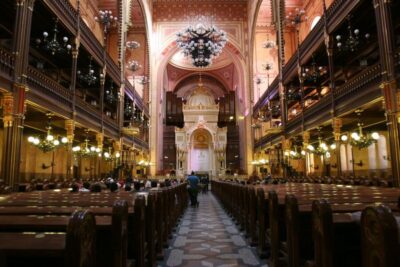
Jewish Heritage Guided Tour with Synagogue Ticket
Read our review →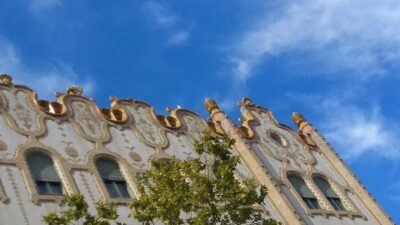
German tour in the Budapest city centre & the Jewish quarter
Read our review →
Past and Present of Budapest Jewish District Tour
Read our review →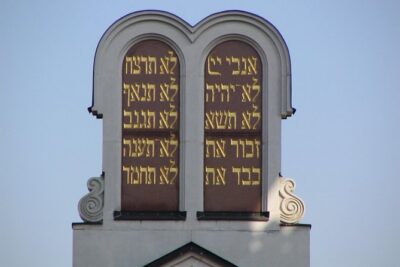
Budapest Dohany Synagogue & Hungarian Jewish Museum & free extras
Read our review →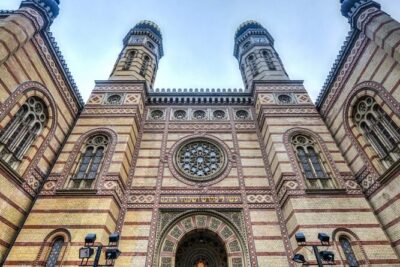
Jewish History Guided Walking Tour with Historian
Read our review →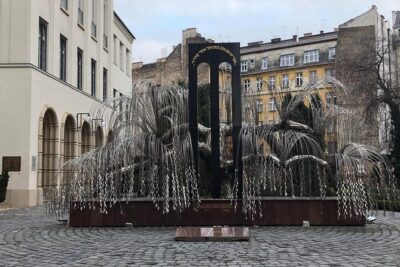
Budapest Dohany, Heroes’, Rumbach synagogues & Jewish Ghetto Tour
Read our review →Browse the lists this tour appears in