
Reviewed · JEWISH BUDAPEST & GREAT SYNAGOGUE TOURS
Jewish Budapest (German-language city tour)
Budapest has layers, and this tour follows one of them closely. You get a Jewish Quarter walk that connects major landmarks with how Jewish life worked in different periods, including the present day. I also love the practical focus on everyday culture, especially the chance to taste flodni, plus the way the guide makes the big ideas feel clear, not lecture-y. One consideration: the tour is in German, and the synagogues are viewed from the outside, since there are no inside visits or entrance fees included.
The route moves at a steady city-walk pace for about 1.5 hours, starting at Madách Imre tér and ending near Kazinczy u. The group stays small, max 25 people, which makes it easier to ask questions and get direct answers. If you want a short, meaningful introduction to Jewish Budapest without spending half a day, this one hits a good sweet spot.
In This Review
- Key Points Worth Knowing Before You Go
- How This 90-Minute Jewish Quarter Walk Delivers Real Perspective
- Starting at Madách Imre tér and the Gate to the Jewish Quarter
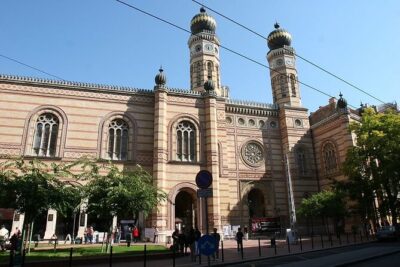
- Rumbach Street Synagogue, and Why Jewish Groups Built Different Spaces
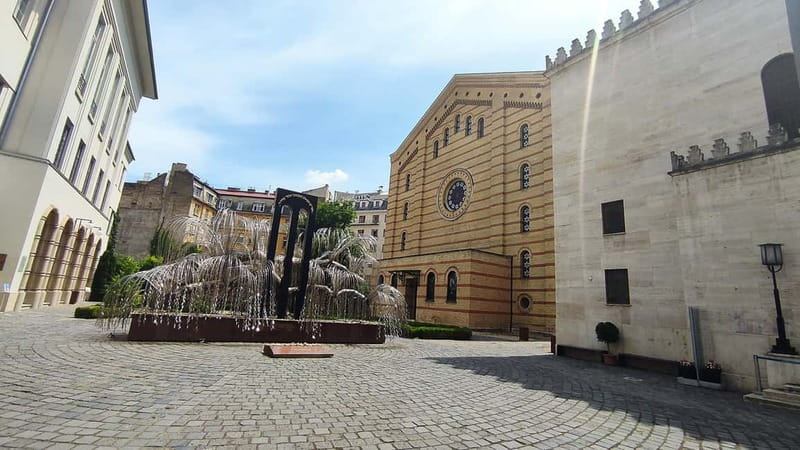
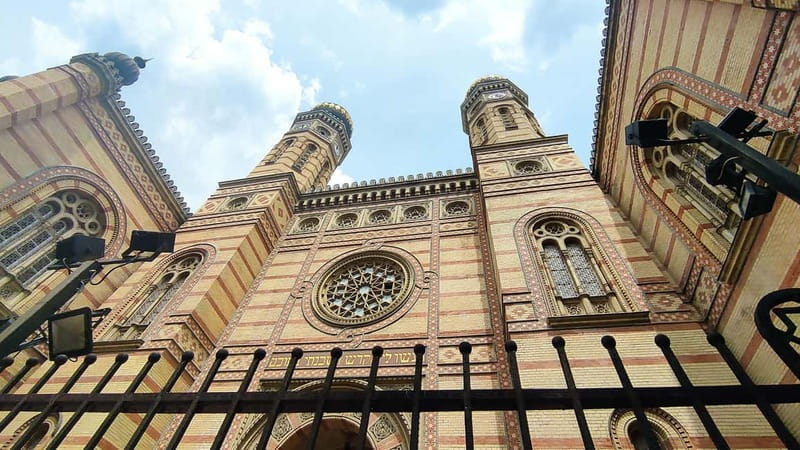
- Great (Dohány) Synagogue, Emanuel Tree, and the Hungarian Holocaust Context
- Kazinczy Street Synagogue and Conservative Judaism in Everyday Institutions
- Flodni and Jewish Food Habits You Can Use in Budapest
- What You See, What You Don’t, and Why It Matters for Value
- The Practical Stuff That Helps You Enjoy It More
- Should You Book Jewish Budapest in German?
- FAQ
- What language is the tour?
- How long is the tour?
- Where does the tour start?
- Which synagogues are covered?
- Are the synagogues visited from the inside?
- Is flodni included?
- What is the group size?
- Can I cancel or pay later?
Key Points Worth Knowing Before You Go
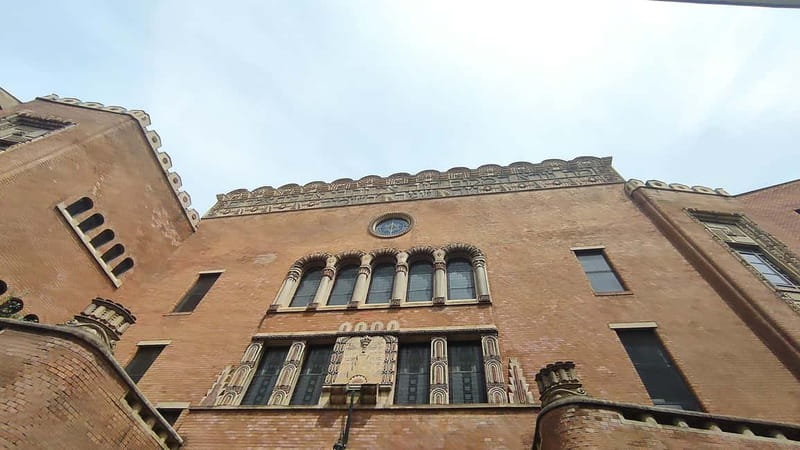
- Three synagogue exteriors in a compact route, so you can compare styles and community differences fast
- Flodni tasting built into the tour, with Jewish cuisine and food habits explained in plain language
- Emanuel Tree Holocaust memorial at the Great (Dohány) Synagogue area, with context on the Hungarian Holocaust and Jewish life now
- Clear Jewish community breakdowns, including how different groups shaped worship spaces and traditions
- Conservative Judaism in focus, with stops like the mikvah and mentions of Orthodox synagogue life and kosher institutions
- Gábor Glasner leads, and the format is set up for questions, not a one-way speech
How This 90-Minute Jewish Quarter Walk Delivers Real Perspective
This tour is designed for people who want understanding, not just photos. In just 1.5 hours, you’re led through the Jewish quarter’s key landmarks and given the human story connecting them. The result is that when you later wander on your own, you’ll recognize what you’re seeing and why it matters.
I like that the guide connects architecture and community life. You don’t only hear what buildings are called. You learn what those spaces meant for the Jewish groups who used them, and how traditions and institutions shape daily routines. That is especially useful if you are short on time or you are trying to make sense of Budapest’s mix of old and new.
There is also a practical element to the pacing. You’ll do several guided walks between stops, and the timing stays realistic for most visitors. You should, however, be ready for heavier topics at the Dohány area, since the tour includes the Hungarian Holocaust and the present situation of Jews in Budapest.
Starting at Madách Imre tér and the Gate to the Jewish Quarter
You begin at Madách Imre tér 1, behind the statue of Empress Elisabeth, also known as Sisi. That meeting spot is smart because it anchors you at the edge of where people usually start exploring on foot. If you like tours that help you get your bearings fast, this one starts where you can easily orient yourself.
From the first stop, you’ll learn the history of the Jewish community in Budapest. This matters because the rest of the tour would otherwise feel like a list of famous sites. With that context early on, you start to understand the later differences you’ll notice between synagogues and Jewish groups.
One helpful detail: the guide wears a visible tour guide ID around their neck. That sounds minor, but it reduces the awkward start where you’re scanning faces and streets trying to find the right person.
Further Jewish Budapest and Great Synagogue tours:
- Budapest Jewish Heritage Memorial Walking Tour & Synagogue Entry
★ 5.0 · 568 reviews - Budapest: Jewish Heritage Guided Tour with Synagogue Ticket
★ 4.8 · 533 reviews - German tour in the Budapest city centre & the Jewish quarter
★ 5.0 · 359 reviews
Rumbach Street Synagogue, and Why Jewish Groups Built Different Spaces
Next up is the Rumbach Synagogue area. The walk takes about 20 minutes, and during it the guide sets up what to pay attention to when you reach the building. Since the synagogues are not entered from inside, the exterior features and the community stories become even more important.
At Rumbach Street, you’ll talk about the split between different Jewish groups and the way that shows up in synagogue construction. That is a key theme of this tour. Instead of treating all synagogues as the same type of landmark, you’re encouraged to see them as expressions of distinct traditions and priorities.
This stop is valuable for two reasons. First, it trains your eye. You’ll start looking at how places of worship reflect religious identity. Second, it gives you vocabulary for what you’ll see later at the Great (Dohány) Synagogue and Kazinczy Street Synagogue.
A small drawback to keep in mind: because you are not going inside, your experience here depends on your attention to what the guide points out from the outside. If you strongly prefer interior visits, this tour may feel more like a guided city walk with deep context than a building-focused visit.
Great (Dohány) Synagogue, Emanuel Tree, and the Hungarian Holocaust Context
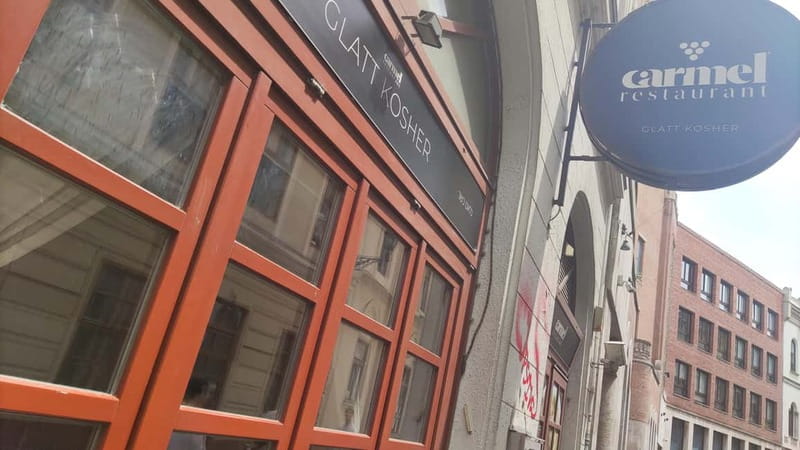
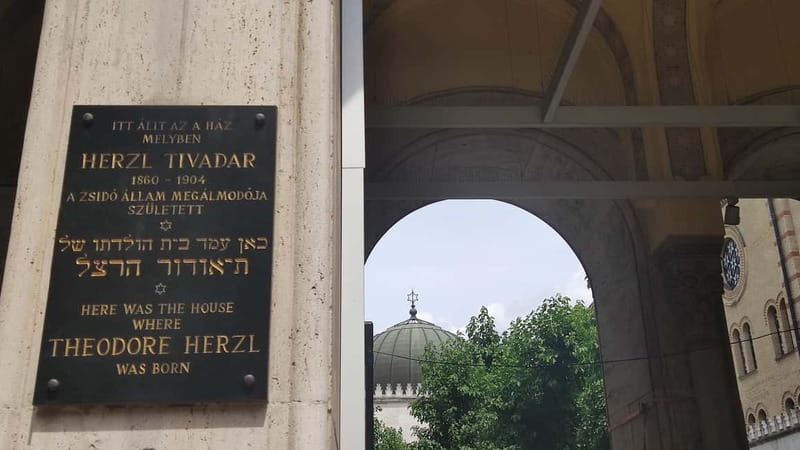
The next major walk brings you to the Great (Dohány) Synagogue area, with about 15 minutes of walking between stops. This is one of the most central sites in the Jewish quarter, and the tour uses it to connect history, memory, and the present.
At this stop, you’ll also see two elements that make it more than a beautiful landmark. There is a small Jewish cemetery and the Emanuel Tree, which functions as a Holocaust memorial. The guide talks about the Hungarian Holocaust and also the current situation of Jews in Budapest.
I appreciate the way this is handled within a city-tour format. It’s not just shock value, and it’s not just dates. You are given context that helps you understand how tragedy and survival shaped Jewish community life, and why memorials matter in the places where people still live.
If the topic is emotionally difficult for you, plan for that. This tour includes Holocaust-related material, and it makes sense that you might feel that weight during the memorial portion.
Kazinczy Street Synagogue and Conservative Judaism in Everyday Institutions
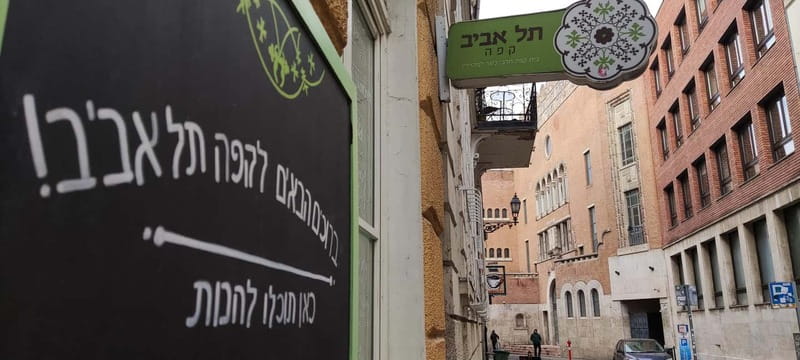
Then you walk toward the Kazinczy Street Synagogue area, with roughly 30 minutes of walking. By now, you have enough background to notice the differences the guide highlights between Jewish groups and how traditions show up in real life.
The tour ends by turning toward conservative Judaism and the institutions that support community practice. You’ll learn about the mikvah (ritual bath), and you’ll also hear about the Orthodox synagogue presence, kosher restaurants, and other community institutions in the neighborhood. The goal is to show how tradition is not just a historical topic. It is still part of how people structure routines and community belonging.
This part is especially useful if you want to understand Budapest beyond sightseeing. It gives you a clearer sense of how the neighborhood functions today. Even if you don’t immediately visit those places yourself, you’ll know what you’re looking for when you see signs, menus, and community spaces.
Also, this is where the tour’s tone tends to work best. The guide connects customs and traditions to what you can actually see around you, instead of leaving you with abstract ideas.
Still to cross in Budapest
- Budapest: City Highlights Sightseeing Cruise★ 4.6 · 43,981 reviews
- Budapest: Unlimited Prosecco, Beer and Aperol Spritz Cruise★ 4.8 · 37,304 reviews
- Budapest: Széchenyi Spa Day Ticket with Optional Upgrades★ 4.3 · 23,911 reviews
Flodni and Jewish Food Habits You Can Use in Budapest
Food is not just an add-on here. Jewish cuisine and eating habits are a specific theme, and the tour includes a tasting of flodni, a typical Jewish dessert from Budapest.
I like how food tasting works as a memory hook. When you try flodni, the story of the community stops being only historical context and becomes something sensory. You are also given a guide to Jewish cuisine in digital form, so you can keep learning after the tour ends.
Even if you’re not a sweets person, this is worth it for the cultural connection. Dessert is often where people share comfort and tradition. In a short tour like this, that single taste can make the rest of the lessons stick.
If you have dietary restrictions, you should think ahead. The tour confirms that flodni tasting is included, but it does not mention alternatives in the details provided, so it’s smart to ask in advance if you need a specific modification.
What You See, What You Don’t, and Why It Matters for Value
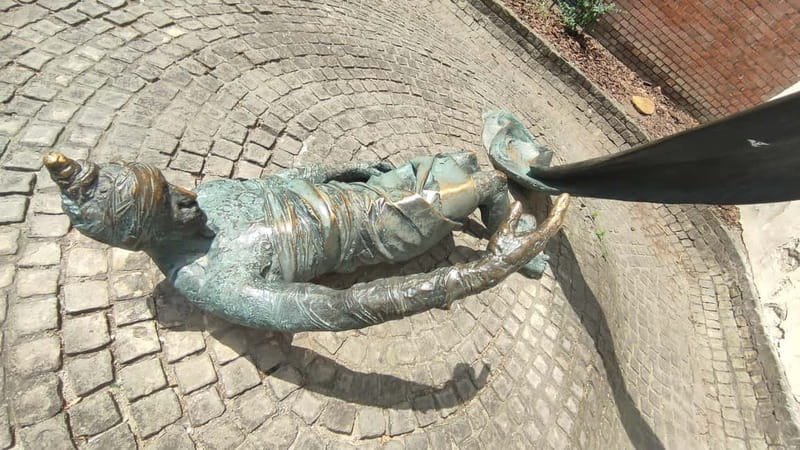
This tour costs $23 per person and lasts about 1.5 hours. At this price, you’re paying for a guide, a structured route, and the explanation that links the sites together. You’re also getting digital support materials, including a guide to Jewish cuisine and a guide to Jewish terms.
The biggest “what you don’t get” is straightforward: the synagogues are not visited from the inside during the tour. That means you should not expect the kind of guided interior experience where you spend lots of time inside worship spaces. Instead, you get exterior viewing with context, which can still be powerful, especially if you’re trying to understand a neighborhood quickly.
On the plus side, the tour is built around compact walking and a small group size, maximum 25 people. Smaller groups tend to make it easier for the guide to respond to questions and keep the discussion moving. In one booking, the group was so small that the experience became very question-friendly and direct, which tells you how flexible the format can feel.
The Practical Stuff That Helps You Enjoy It More
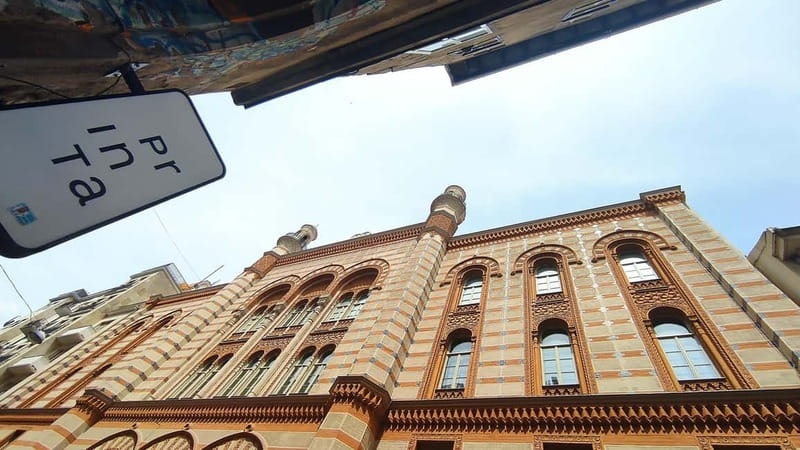
This is a German-language tour, so you’ll want to feel comfortable following in German. Some content is shown in its original language, so if you are a careful listener, you’ll be fine, but if German is a struggle, you might prefer a different language option.
The tour starts at Madách Imre tér and finishes at Kazinczy u. 27, 1075 Magyarország. Since it’s a walking tour, good shoes make a difference. You’ll cover multiple segments, including a 20 minute walk to Rumbach Street, a 15 minute walk to Dohány, and a 30 minute walk toward Kazinczy Street.
On group dynamics, the cap helps. You can expect a more human-sized experience than big bus tours, and the guide format is set up for interaction. Gábor Glasner is the named provider here, and he guides in German.
The tour is also wheelchair accessible. So if you use a wheelchair or mobility aid, you should be able to participate, but as always you may still want to plan for uneven sidewalks and city surfaces once you’re in Budapest.
Should You Book Jewish Budapest in German?
Yes, if you want a focused, short introduction to the Jewish quarter that connects buildings to people. Book this when you are curious about Jewish Budapest as a real community, not only as an attractions list. The combination of synagogue exteriors, Holocaust memorial context at the Emanuel Tree, conservative Judaism institutions like the mikvah, and the flodni tasting makes it a strong value for 1.5 hours.
Skip it or think twice if you need inside synagogue visits for the experience to feel complete. Also, if German is not your comfort zone, the tour’s language is a real constraint.
If you like your city tours structured, interactive, and grounded in what you can see on the street, this one is a smart pick.
FAQ
What language is the tour?
The tour is in German.
How long is the tour?
The duration is 1.5 hours.
Where does the tour start?
You meet behind the statue of Empress Elisabeth (Sisi), at Madách Imre tér 1.
Which synagogues are covered?
You will visit the Rumbach Synagogue area, the Great (Dohány) Synagogue area, and the Kazinczy Street Synagogue area.
Are the synagogues visited from the inside?
No. The synagogues are not visited from the inside during the tour.
Is flodni included?
Yes. A typical Jewish dessert called flodni is included.
What is the group size?
The group is small/medium-sized with a maximum of 25 people.
Can I cancel or pay later?
Free cancellation is available up to 24 hours in advance for a full refund. You can reserve now and pay later to keep your plans flexible.
The newest crossings added in Budapest





Jewish Budapest & Great Synagogue Tours, compared.
Budapest Jewish Heritage Memorial Walking Tour & Synagogue Entry
Read our review →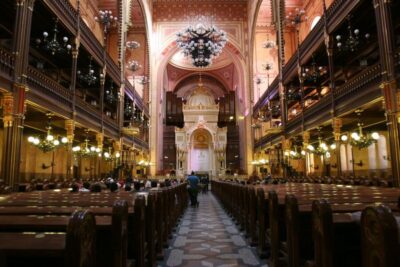
Jewish Heritage Guided Tour with Synagogue Ticket
Read our review →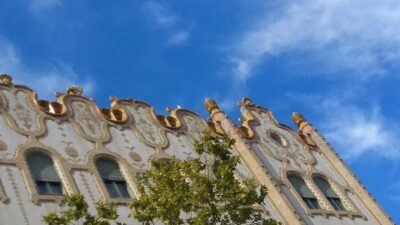
German tour in the Budapest city centre & the Jewish quarter
Read our review →
Past and Present of Budapest Jewish District Tour
Read our review →
Budapest Dohany Synagogue & Hungarian Jewish Museum & free extras
Read our review →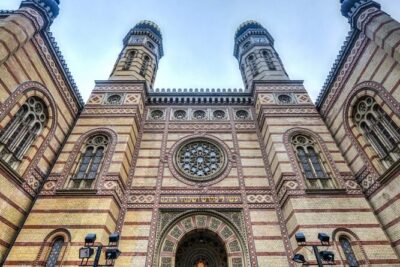
Jewish History Guided Walking Tour with Historian
Read our review →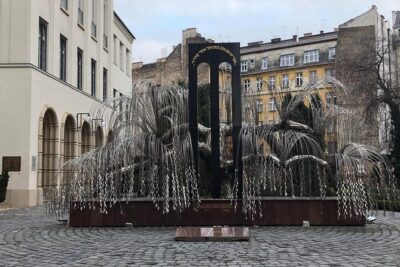
Budapest Dohany, Heroes’, Rumbach synagogues & Jewish Ghetto Tour
Read our review →Browse the lists this tour appears in