
Reviewed · WALKING TOURS
Budapest Walking Tour with a Professional Local Guide
Three hours, two Budas, one great orientation. This is a smart way to get your bearings fast, with St. Stephen’s Basilica and Buda Castle as anchor points, plus real-life stories tied to Hungary’s Nazi and Communist eras. One consideration, this tour is intentionally efficient, so it is not for you if you want long, slow stops and lots of museum time.
You’ll walk a comfortable route in the city center, then use public transport to cross the river between Pest and Buda. The vibe is small-group friendly, and the guides get high marks for keeping energy up even when the weather turns, like guides including Dominik and Alexandra who managed lots of questions with a good sense of humor.
In This Review
- Key Highlights You’ll Actually Feel on the Ground
- Why Pest and Buda Make Sense in Only 3 Hours
- Starting at St. Stephen’s Basilica, Then Building Up to Buda Castle
- St. Stephen’s Basilica and Matthias Church: More Than Beautiful Stops
- The Hungarian Parliament Exterior: A Photo Stop With Political Meaning
- Dictatorships and Revolutions: How the 20th Century Gets Personal
- Walking Pace and Crossing the River: Comfort Built In
- What the Best Reviews Reveal About the Guides
- Price and Value: What $41 Buys You
- Who This Tour Suits Best (and Who Might Want Something Longer)
- Practical Tips Before You Go
- Should You Book This Budapest Walking Tour?
- FAQ
- Where does the tour start?
- How long is the walking tour?
- How much does the tour cost?
- Is this tour in English?
- What major sights are included?
- Do I need public transport tickets?
- How much walking is there?
- Are groups private or small?
- Is free cancellation offered?
- Is there an option to pay later?
Key Highlights You’ll Actually Feel on the Ground
- A focused Pest-to-Buda route: Start by St. Stephen’s Basilica near California Coffee Company, then cross the river using public transport.
- Big architecture, no wandering: Basilica to Matthias Church, plus the exterior view of the Hungarian Parliament.
- 20th-century human stories: Learn how dictatorships and revolutions shaped everyday life, not just dates.
- Castle area as the final payoff: You finish near the Buda Castle complex, perfect for understanding the city’s two halves.
- Walking stays comfortable: Around 1.5 kilometers (about 1 mile) at a pace meant for first-timers.
Why Pest and Buda Make Sense in Only 3 Hours
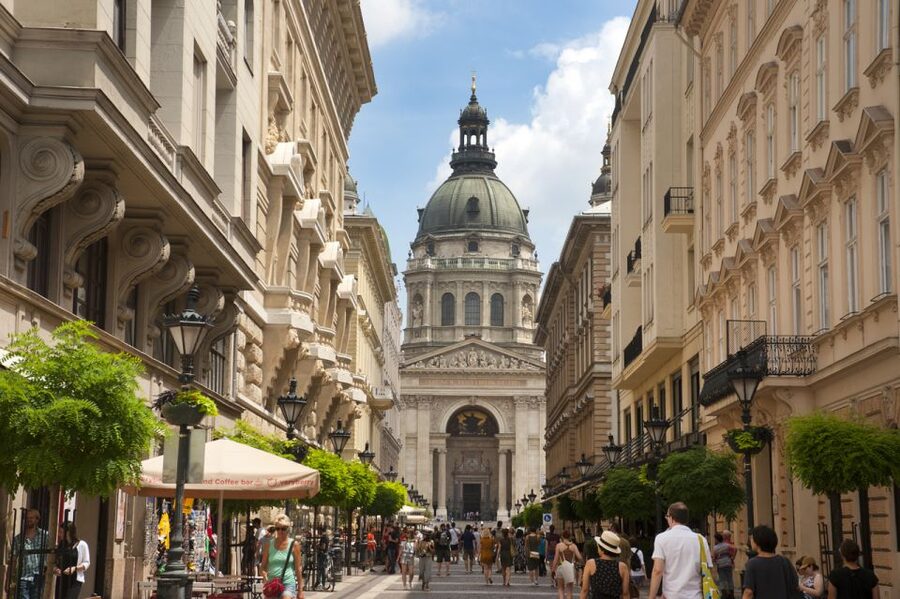
Budapest is one city with two moods. Pest feels like the modern, grand, street-life side. Buda feels higher, older, and more palace-like. This tour helps you connect those dots quickly, so your later self-guided exploring is easier and more fun.
The 3-hour format is also a practical gift. You get the main monuments that people come for, but you also get the background that makes them meaningful. Without that context, you can stand in front of an impressive building and still feel like you are missing the point.
Starting at St. Stephen’s Basilica, Then Building Up to Buda Castle
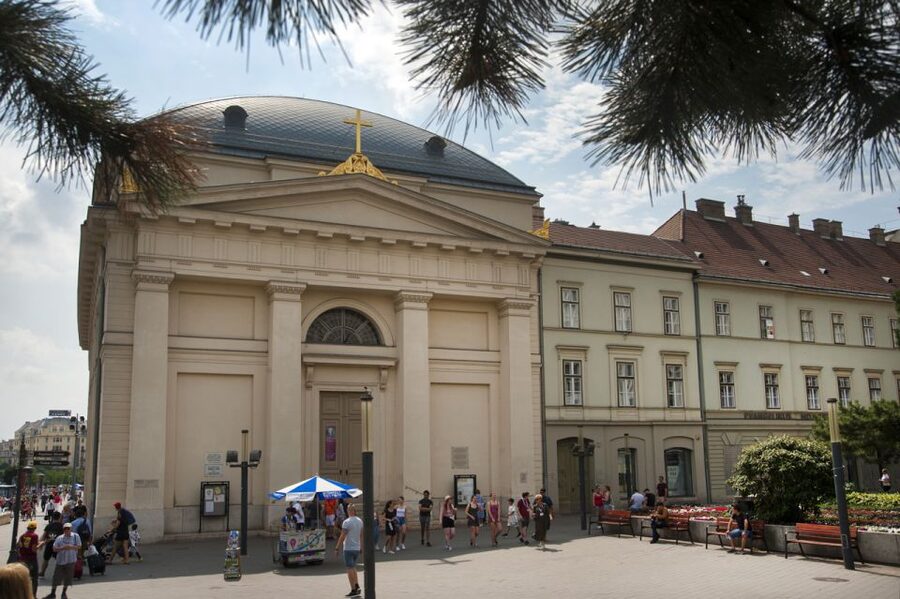
You meet next to St. Stephen’s Basilica, in front of California Coffee Company. That matters more than it sounds. It drops you right into the heart of central Budapest, close to the kind of streets and squares you will likely walk afterward.
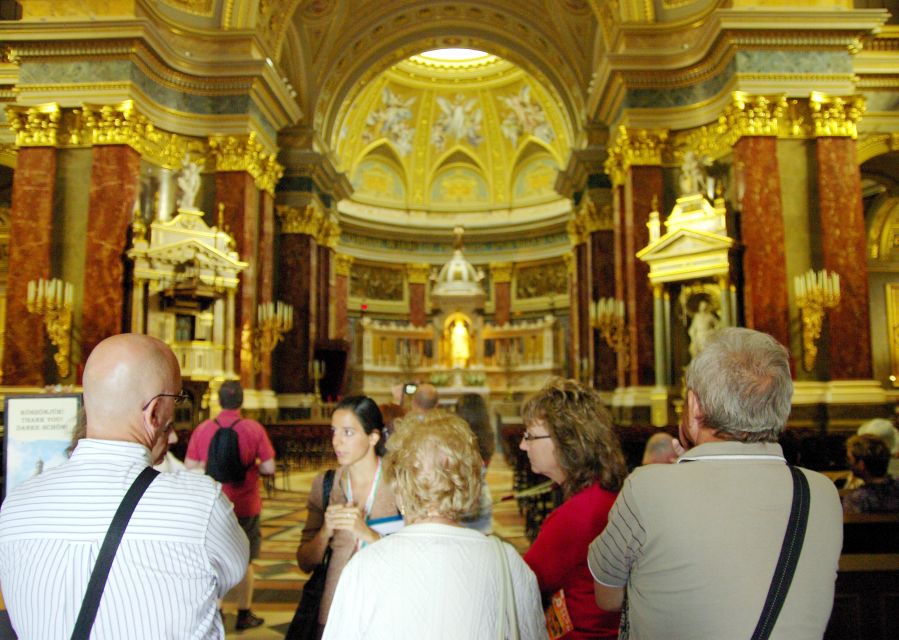
From there, the tour is built like an educational walking map. You begin with St. Stephen’s Basilica, a monumental religious landmark that sets the tone for what follows. The point is not just to see it, it is to understand why faith and public life have shaped Budapest’s center for centuries.
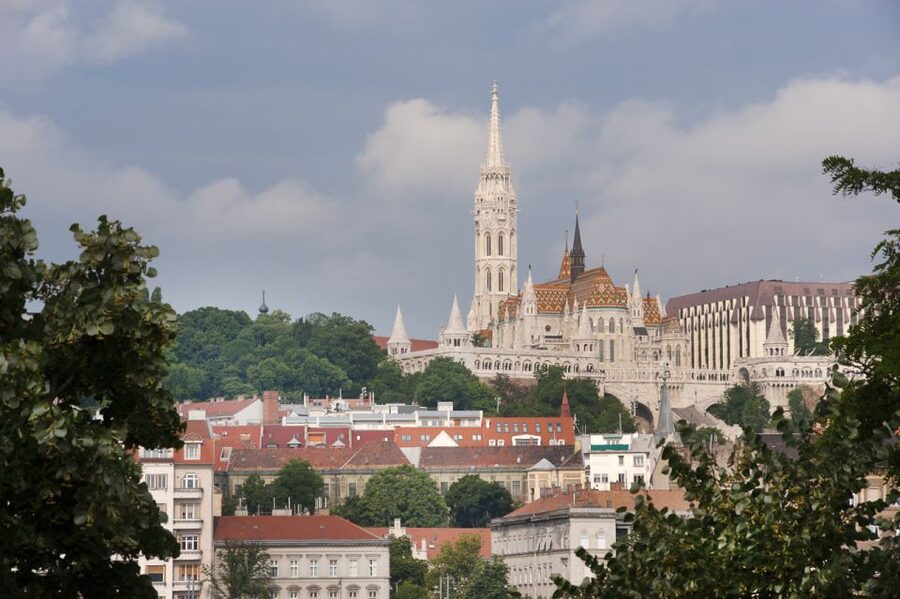
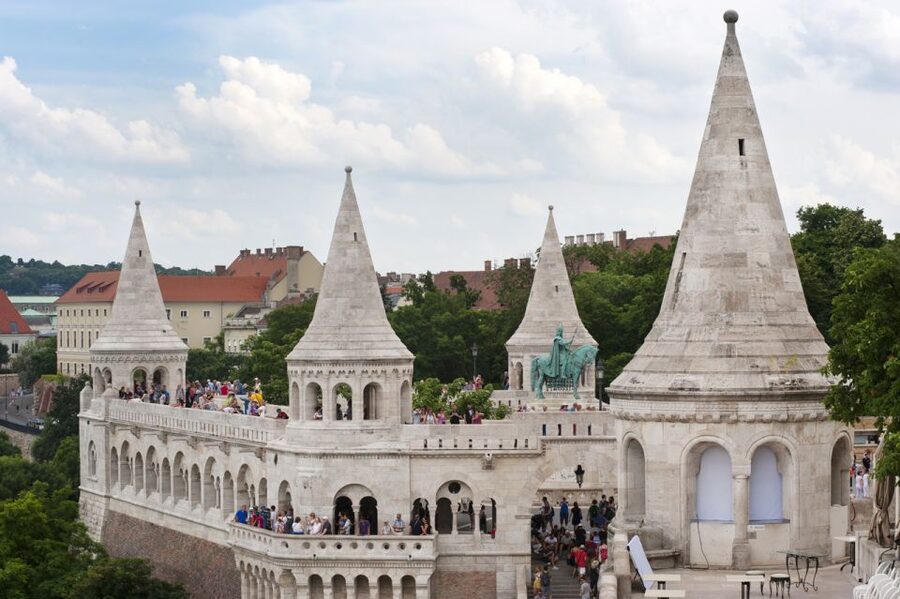
As you move toward the Buda side, you will see how Budapest’s layout reflects its fractured past. Medieval royal residence history connects to later urban growth, and the story helps you see the city as more than postcard views. Then comes the Castle of Buda area, where the exterior and viewpoints help you understand why Buda became the power center.
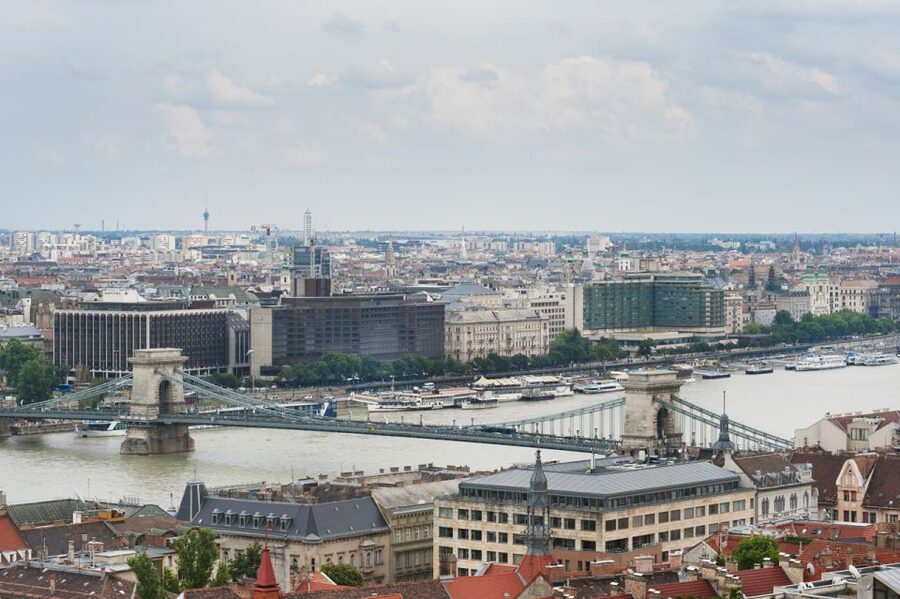
You are also not stuck only on walking. The tour uses public transport to get you across the river. That keeps the pace sane and lets the guide spend time on explanations instead of turning the day into a long hike.
More of the city, bank to bank on foot:
- Budapest: Buda Castle Walk with Saint Stephen’s Hall
★ 4.5 · 3,012 reviews - Big Bus Budapest Hop-On Hop-Off Bus and Walking Tour
★ 3.5 · 2,206 reviews - Budapest: Buda Castle District Walking Tour
★ 4.6 · 2,108 reviews
St. Stephen’s Basilica and Matthias Church: More Than Beautiful Stops

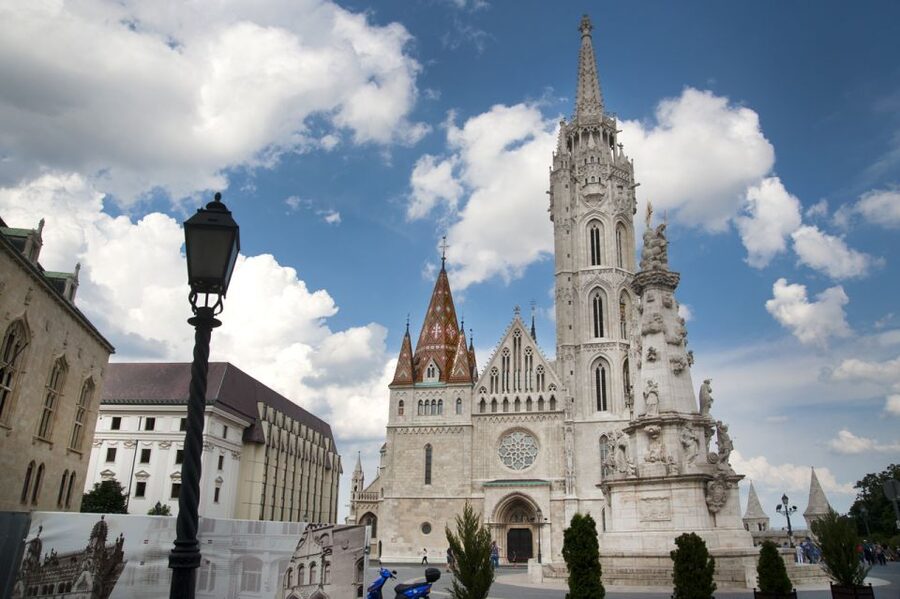
St. Stephen’s Basilica is the kind of church you notice from far away. In this tour, it becomes your first clue to how Hungary expresses identity through religion, art, and public space. You’ll learn what to look for and how to read the building as a symbol, not just a stop on a checklist.
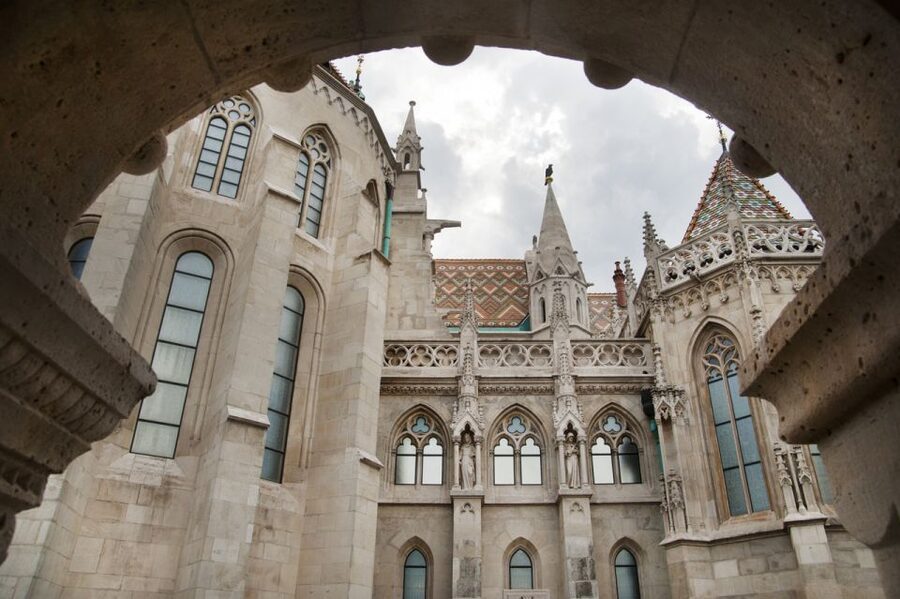
Matthias Church is a different mood. It is Gothic in spirit and feels more ornate and expressive. In a short tour, this kind of contrast is useful. You start to recognize patterns in Budapest’s architecture, and you start asking better questions when you see another church or historic facade later.
Even if churches are not your main interest, you will appreciate how the guide connects them to broader themes like power, culture, and changing regimes. That is what turns these buildings into story anchors instead of scenery.
The Hungarian Parliament Exterior: A Photo Stop With Political Meaning
Budapest’s Hungarian Parliament building is one of those landmarks that practically demands a moment of awe. Here, you focus on the exterior, which is ideal if you want the building in your line of sight without eating up time inside.
What makes it worthwhile is the framing. The guide ties monumental architecture to the ideas of government and legitimacy. So when you look at it, you are not just thinking big and dramatic. You are also thinking how regimes try to project authority.
If you like history that connects to real places, this part will click. You’ll leave with a better sense of why the capital’s most visible institutions are so heavily designed.
Dictatorships and Revolutions: How the 20th Century Gets Personal
This is one of the tour’s biggest strengths. You do not just hear a timeline. You hear personal stories about life under Hungary’s Communist dictatorship, with enough context to understand why it happened and what it did to daily life.
You also get the larger arc, including Nazi and Communist periods, and the recent democratic change. The value here is direction. You are not left with random facts. You get the big picture, then the guide adds human scale so it sticks.
Guides vary, but the strongest reviews emphasize the same thing: the explanations feel lived-in, and questions are welcomed. Some people even noted that the guide handled difficult and tragic events with care, connecting them to the wider European story. That is exactly what you want from a first-time orientation tour.
If you are the type who likes to understand what you are walking past, you will likely remember these parts long after the photos.
Still to cross in Budapest
- Budapest: City Highlights Sightseeing Cruise★ 4.6 · 43,981 reviews
- Budapest: Unlimited Prosecco, Beer and Aperol Spritz Cruise★ 4.8 · 37,304 reviews
- Budapest: Széchenyi Spa Day Ticket with Optional Upgrades★ 4.3 · 23,911 reviews
Walking Pace and Crossing the River: Comfort Built In
You will walk at a comfortable pace, roughly 1.5 kilometers (about 1 mile). That is short enough to keep it pleasant, especially if you are jet-lagged or juggling a tight schedule.
Still, it is real walking. You will be outside, so wear shoes you can move in. If it rains, do not assume you are off the hook. One review specifically mentioned the guide staying upbeat during a downpour, which is a good sign that the tour is not fragile.
The other key piece is transport. The tour uses metro and bus to cross the river, which is a smart way to save energy and time. You do need to plan for tickets: public transport tickets are not included, and the info says 4 tickets per person, totaling 1400 HUF.
Here’s a practical tip: if you hate figuring out machines on the fly, buy or activate tickets before you join the crossing. It keeps the tour smooth, and you stay focused on the explanation.
What the Best Reviews Reveal About the Guides
The tour’s rating is extremely high, and the comments cluster around a few strong themes. First, the guides explain in a lively way that keeps attention. Several people praised humor and energy, which is not trivial when you are spending 3 hours walking in a city center.
Second, guides answer questions. That sounds basic, but on history-heavy walking tours, it is often where the good ones separate from the okay ones. If you want to understand why Budapest looks the way it does, ask. This kind of tour tends to handle those questions well.
Third, guides manage pacing. Multiple reviews mention that the pace felt right, not too fast. That matters because the whole point is to get an orientation, not to burn through the city before you even know what you are seeing.
Names that showed up in reviews include Dominik, Alexandra, Dalia, and Oliver, with people appreciating both knowledge and friendliness. Different guides bring different personalities, but the best pattern is consistent: clear explanations, lots of Q and A, and a route that holds together.
Price and Value: What $41 Buys You
At $41 per person for a 3-hour guided tour, you are paying for the human brain in front of you. The tour includes the knowledgeable local guide, but it does not include public transport tickets.
So what is the real value? You are getting:
- A curated route across Pest and Buda
- Major monuments, including Basilica, Matthias Church, Buda Castle, and the Parliament exterior
- A guided framework for Hungary’s political shifts in the 20th century
If you were trying to stitch this together on your own, you would likely spend time walking inefficiently, then spend more time searching for context. A guide saves you that friction. For a first visit, that is a big deal.
You also get flexibility advantages built into the offer style. Free cancellation up to 24 hours before start and reserve now, pay later are listed. That is useful if your schedule in Budapest is still forming.
Who This Tour Suits Best (and Who Might Want Something Longer)
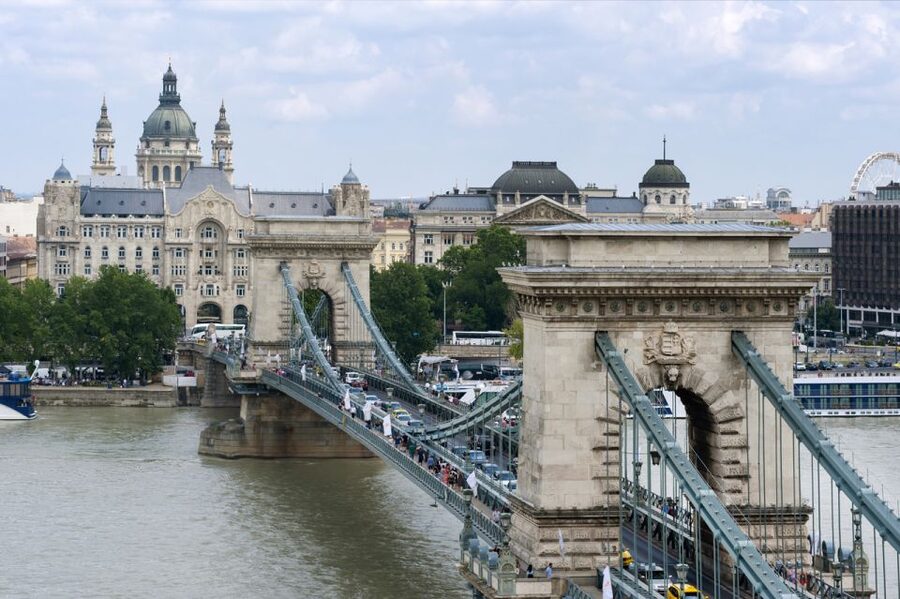
This tour fits you if you want a high-quality overview without committing to a full day. It is ideal when you have limited time, limited energy, or a budget that needs to stay under control.
It also works well if you care about architecture but you want the meaning behind the stone. The combination of religious sites, parliamentary symbolism, and 20th-century political storytelling is unusual in a good way.
You might look for a longer, more in-depth option if you:
- Want to go inside major buildings instead of focusing on exteriors and key viewpoints
- Prefer slow wandering with lots of free time
- Plan to spend the whole day on museums rather than public spaces
Practical Tips Before You Go
First, check what you will be wearing. Comfort matters more here than fancy clothes. You’ll be outside for a 3-hour walking experience.
Second, bring your curiosity. This tour has room for questions, and the guides seem to enjoy them.
Third, plan your transport mindset. You are told about the ticket expectation for the metro and bus crossing. If you walk in thinking it is included, you could get surprised.
And lastly, use the tour as a warm-up. Afterward, pick one area you liked most, either Pest’s energy or Buda’s palace-town feel, and spend more time there on your own.
Should You Book This Budapest Walking Tour?
Yes, if you want a smart, efficient introduction to Budapest that blends monuments with the political and cultural context behind them. This is the kind of tour that helps you stop feeling lost. You’ll understand why the city splits into two halves, and you’ll have enough history to make your next walks more meaningful.
Book it especially if you have only a short window in Budapest. Three hours is a real-world sweet spot. You get the Basilica, Matthias Church, Parliament exterior, and the Castle area in one coherent story.
Skip it if you want long inside visits or lots of free time. This is a guided orientation with a comfortable walking pace, not a slow sightseeing day.
FAQ
Where does the tour start?
The meeting point is next to Saint Stephen’s Basilica, in front of the California Coffee Company coffee shop.
How long is the walking tour?
The tour duration is 3 hours.
How much does the tour cost?
The price is $41 per person.
Is this tour in English?
Yes, the live tour guide language is English.
What major sights are included?
You can expect to see St. Stephen’s Basilica, Matthias Church, Buda Castle, and the exterior of the Hungarian Parliament building, plus other central monuments.
Do I need public transport tickets?
Public transport is used to cross the river, and the price of metro and bus tickets is not included. The information provided suggests 4 tickets per person, totaling 1400 HUF.
How much walking is there?
The walking distance is about 1.5 kilometers (around 1 mile) at a comfortable pace.
Are groups private or small?
Private or small groups are available.
Is free cancellation offered?
Yes. You can cancel up to 24 hours in advance for a full refund.
Is there an option to pay later?
Yes. The listing includes reserve now and pay later, meaning you can book your spot and pay nothing today.
The newest crossings added in Budapest






Walking Tours, compared.
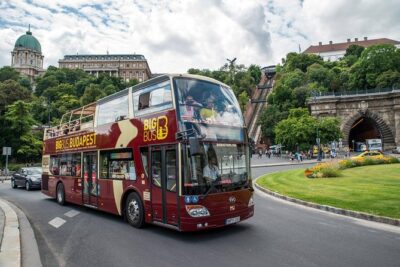
Big Bus Budapest Hop-On Hop-Off Bus and Walking Tour
Read our review →
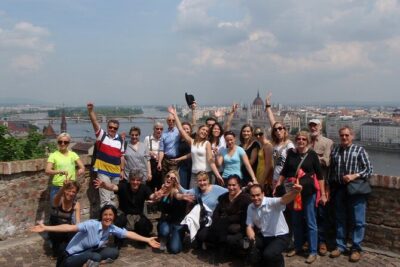
Budapest City Landmarks Walking Tour in 2 Hours
Read our review →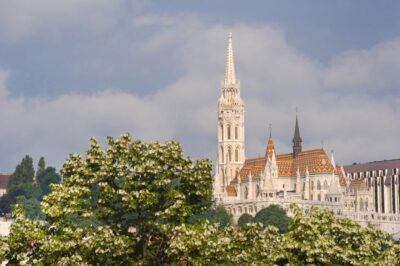
3-Hour Orientation Walking Tour of Buda and Pest
Read our review →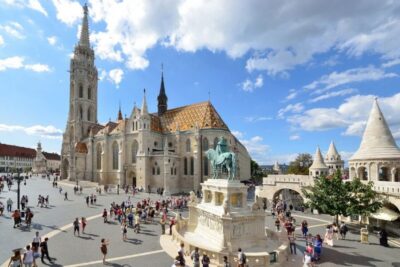

Budapest Historical Sightseeing – Free Walking Tour
Read our review →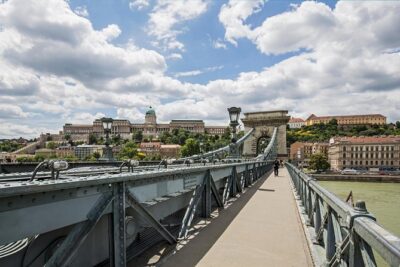
Budapest All in One Small Group Walking Tour with Strudel Stop
Read our review →Browse the lists this tour appears in