
Reviewed · CITY TOURS
Budapest City Landmarks Walking Tour in 2 Hours
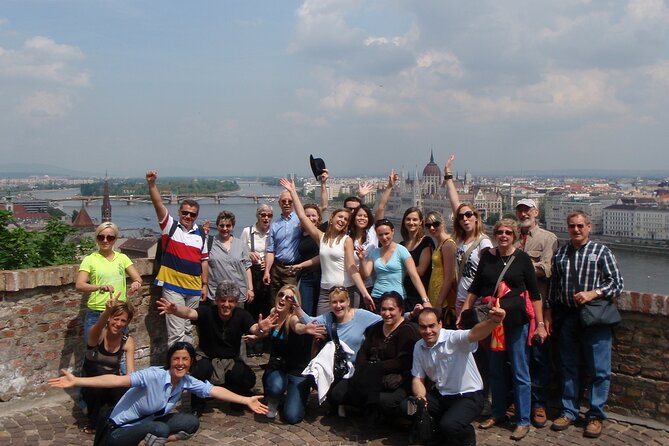
Budapest compresses into two clear hours. For about two hours, this economical walk gives you a big-picture overview of Pest and Buda, then leaves the rest of your day open to explore on your own. You also get a mobile ticket and an English-speaking licensed local guide to keep the whole route easy to follow.
What I like most is how it feels like someone is handing you the city in small, digestible stories. You meet by the Budapest Eye on Erzsébet tér with a guide carrying a small blue flag, and you’ll move from place to place with a route that mixes public art, architecture, food talk, and basic Hungarian language.
One thing to consider: the stop at Szent István Basilica is mainly for seeing it from outside. The tour explicitly does not enter the basilica, so if you’re set on going inside, plan a separate visit.
In This Review
- Key highlights worth planning around
- A Two-Hour Budapest Blueprint Starting at Budapest Eye
- Price, Donations, and Why This Feels Good Value
- Stop 1-3: Erzsébet tér, Basilica Area Views, and St Stephen’s Square Food Wisdom
- Stop 4-7: Habsburg Porcelain, Váci út People Watching, and the Little Princess Wish
- Stop 8-10: Vigadó Square Music Stories, Chain Bridge Framing, and Gresham Palace Art Nouveau
- Stop 11-13: Nobel Prize Per Capita Lessons, Shoes on the Danube, and Parliament’s Neo-Gothic Finale
- Pace, Sound, and Getting the Most Out of the Rest of Your Day
- FAQ
- How long is the Budapest City Landmarks Walking Tour?
- What does the tour cost?
- Is the tour offered in English?
- Does the tour enter Szent István Basilica?
- What is included and what is not included?
- Where do I meet the guide?
- Does it run in bad weather?
- Should You Book This Budapest City Landmarks Walking Tour?
Key highlights worth planning around

- Blue-flag meeting point by Budapest Eye makes it simple to lock onto the right group fast
- A true first-day orientation covering major sights and the in-between back streets at a walkable pace
- Food and language moments including basic Hungarian phrases and tips on what to eat and avoid
- Danube memory stop at Shoes on the Danube Bank, designed to be reflective
- Art and design stops like Herendi and Zsolnay porcelain, plus Art Nouveau at Gresham Palace
- A finish at the Parliament area with practical ideas for restaurants, nightlife, and what to do next
A Two-Hour Budapest Blueprint Starting at Budapest Eye
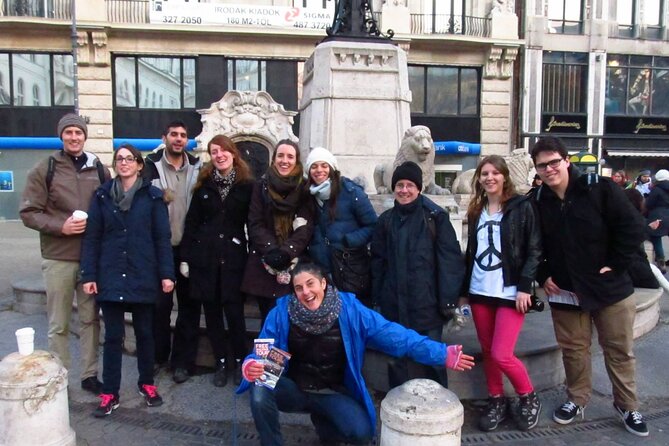
If you want a quick sense of how Budapest fits together, this is built for that. The walk starts at Erzsébet tér, 1051, right by the Ferris Wheel area and the Budapest Eye. Your licensed local guide meets you about 20 meters away, holding a small blue flag, which helps a lot when you’re just arriving and still trying to get your bearings.
The tour runs about two hours, sometimes described as closer to two and a half hours depending on the group pace and questions. Then you’re done while you still have daylight for yourself, which is exactly how a good first day should work. You’ll also get a map-based sense of where you’re going next, because the guide points out the route and highlights both iconic landmarks and off-the-beaten back streets along the way.
A nice bonus from the way this tour is led, based on frequent guide shoutouts you’ll run into, is the tone. Guides like Balázs, Sofia, Esther, and Andy show up in feedback for being friendly and clear, often with a voice setup that keeps everyone hearing the stories without straining. In other words, it’s not just watching buildings, you’re also getting the “why.”
Price, Donations, and Why This Feels Good Value
The price listed is $3.63 per person, and that is a strong value for a structured, guided walk through central Budapest. One reason it works is that you are paying for time and direction, not for tickets to multiple big attractions. Many stops are free to see from the street or in public spaces.
Just read the payment split carefully. Your booking includes a booking fee, and that booking fee is directed toward administration, it does not go to the guide’s earnings. At the end, guides depend on your donations, which is optional and at your choice. That donation part matters because it’s what makes the guide’s work sustainable.
If you’re the type of person who likes learning the city’s context early, you’ll feel the value quickly. You leave with a list of what to revisit, what to skip, and where to go next. Several past guides are praised for giving practical restaurant and nightlife recommendations at the finish, which can save you time and money later.
More of the city, bank to bank on foot:
- Budapest: Buda Castle Walk with Saint Stephen’s Hall
★ 4.5 · 3,012 reviews - Big Bus Budapest Hop-On Hop-Off Bus and Walking Tour
★ 3.5 · 2,206 reviews - Budapest: Buda Castle District Walking Tour
★ 4.6 · 2,108 reviews
Stop 1-3: Erzsébet tér, Basilica Area Views, and St Stephen’s Square Food Wisdom
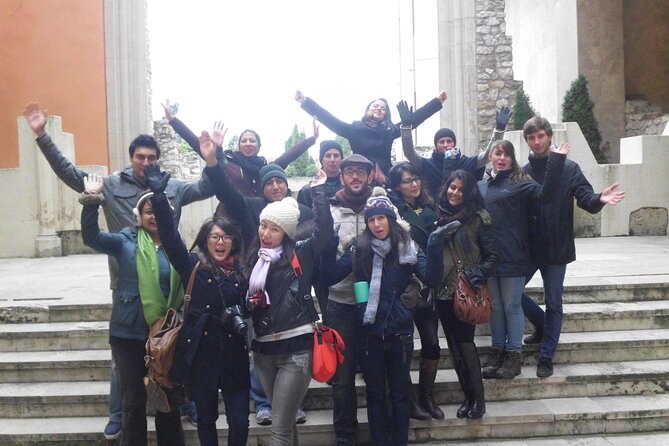
The first stop is Erzsébet tér, and it’s a smart place to begin because it sets the tone for the whole city. The guide shares a city-wide overview that mixes history, architecture, public art, society, food, and basic Hungarian language. They also explain what Hungarians are actually like, which sounds broad, but the best tours translate that into small real-world observations you can use as you move around town.
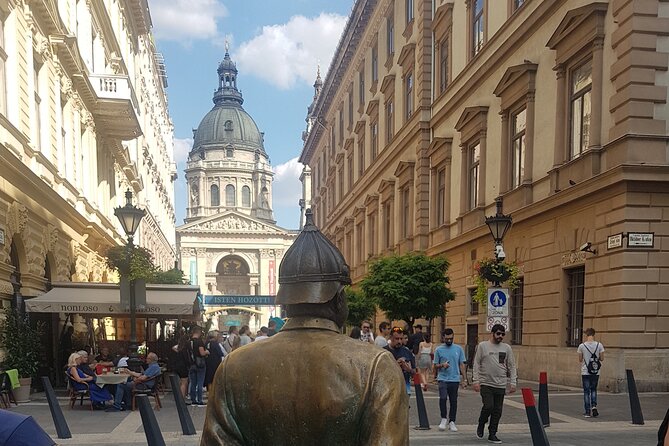
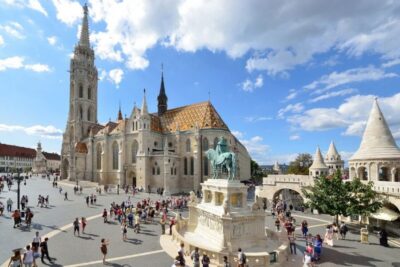
From there, you head toward the Szent István Bazilika area. This is a quick stop, and you won’t enter the basilica. Still, it’s worth it because you learn what makes it feel like Budapest in miniature. It’s described as the largest church in Budapest, with seating for 8,500 people, and it reflects multiple periods of splendor through its architecture. You’ll also see beautiful houses in the pedestrianized space around the basilica, which gives you an immediate sense of how the city’s grand scale sits next to intimate street life.
Then comes St. Stephen’s Square. Here, the focus shifts from stone and scale to culture and daily life. There is public art featuring fat policemen with shiny bellies, which is fun and memorable, and the guide uses the stop to talk about Hungarian culinary art. You’ll learn about the history of cooking, what to eat in Budapest, and how to avoid tourist traps. That food talk is one of the most useful parts of this format, because it turns your next meals into something more intentional.
Possible drawback in this early section: if your main goal is museum-style interior access, you’ll feel the tour is mostly outside. That’s not a problem if you want orientation and context, but it can be a mismatch if you planned your day around entering major buildings on this walk.
Stop 4-7: Habsburg Porcelain, Váci út People Watching, and the Little Princess Wish
József Nádor tér adds a surprisingly elegant switch. You’ll learn about Hungarian Habsburgs and see two names that show up for collectors and design lovers: Herendi porcelain and Zsolnay ceramics. The guide frames them as hand-painted, prestigious, and colorful masterpieces you can recognize once you know what you’re looking at. Even if you don’t plan to buy anything, this gives you a lens for spotting why certain buildings and shop fronts look the way they do.
Next is Vorosmarty tér, anchored by people watching. It sits at the end of Váci út, which makes it a good place to pause and absorb the city rhythm. This stop also ties in transit history through the mention of the second oldest underground in the world and one of its terminals. Then you get architectural flavor with neo-classical-style buildings, plus a nod to the posh Gerbaud café.
If you’re in town around the right season, the guide connects the area to Christmas markets and traditions. Even outside holiday periods, those stories help you understand why this part of town always seems active: it’s built for public life.
Finally, you hit the Little Princess Statue. You stop briefly to make a secret wish while touching the shiny knees. It’s tiny, but those small ritual moments help the walk feel human. They also give you a mental reset after the denser history stops.
One practical note: this stretch includes a mix of tighter pedestrian spaces and longer view sections. Wear comfortable shoes, and if your walking pace is slow, it’s still usually fine because the stops are built in short segments, not long museum-style holds.
Stop 8-10: Vigadó Square Music Stories, Chain Bridge Framing, and Gresham Palace Art Nouveau
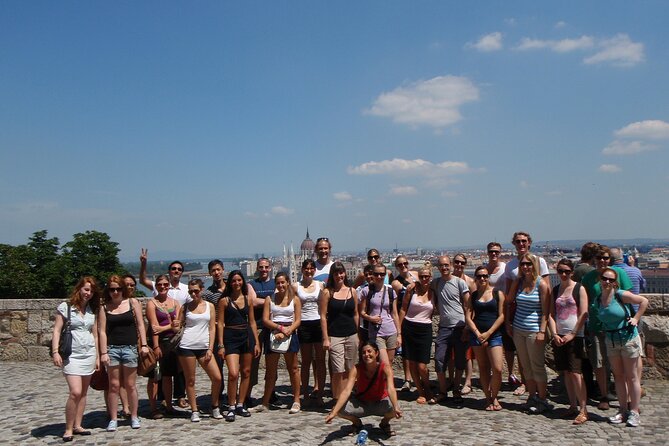
Vigadó tér takes the tour into music and monarchy stories. You learn that this is where Franz Joseph and Sissy held their coronation banquette in the 19th century. Then the guide layers in the sound of Budapest by mentioning Central European musicians like Franz Liszt, Debussy, and Brahms. Even if you’re not a classical expert, the takeaway is clear: Budapest has always been a place where culture, politics, and public life overlap.
After that, you move toward Szechenyi Lánchíd, the Chain Bridge. Here, the guide gives you a quick historical framing of Pest and Buda through the bridge story. The key fact you’re handed is that it was the first permanent bridge built in the city. It’s a short stop, but it’s one of the best ways to understand the city’s layout without needing a map lecture.
Then you arrive at Gresham Palace, a standout Art Nouveau moment. You’ll learn why it matters in the golden age of Budapest at the turn of the century, and you’ll get pointed toward major ornaments that make the building feel like a period statement. This is a great stop if you like design, because it explains the visual language instead of just labeling it.
If I had to summarize this middle section: it’s the part where the city becomes more than landmarks. It becomes a story of how people wanted Budapest to look, sound, and move.
Still to cross in Budapest
- Budapest: City Highlights Sightseeing Cruise★ 4.6 · 43,981 reviews
- Budapest: Unlimited Prosecco, Beer and Aperol Spritz Cruise★ 4.8 · 37,304 reviews
- Budapest: Széchenyi Spa Day Ticket with Optional Upgrades★ 4.3 · 23,911 reviews
Stop 11-13: Nobel Prize Per Capita Lessons, Shoes on the Danube, and Parliament’s Neo-Gothic Finale
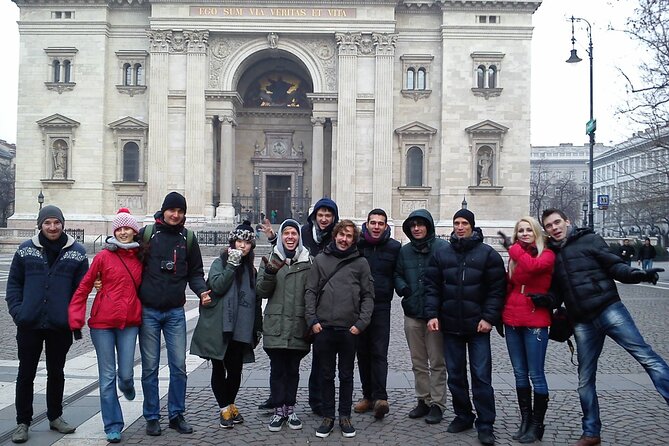
The Hungarian Academy of Sciences stop turns the focus toward ideas and language. You’ll get Hungarian words and phrases to impress friends, and the guide talks about why Hungary has the largest Nobel Prize awards per capita. You’ll also hear about famous people of Hungarian origin and Hungarian inventions that you might otherwise miss in everyday life.
Even if you don’t remember every phrase, this stop does something important. It makes you feel like Hungary is not just a scenic place, it’s a contributor to modern life and thought. That mindset sticks for the rest of your trip.
Then comes one of the most powerful moments: Shoes on the Danube Bank. The guide explains that the memorial features 60 pairs of shoes placed along the riverside to commemorate the 60th anniversary of the Holocaust. You’ll hear WWII history, deportations, and the recent history of Hungarian Jewish people. The tour also asks you to close your eyes and imagine the individuals who died there, including people from synagogue goers to assimilated Jewish people, with details ranging from grandmothers to grandchildren and from factory workers to factory owners.
This stop is emotional by design, and it’s also a reminder to slow down. If you tend to rush through monuments, give yourself space here. The guide’s wording matters, so actually listen.
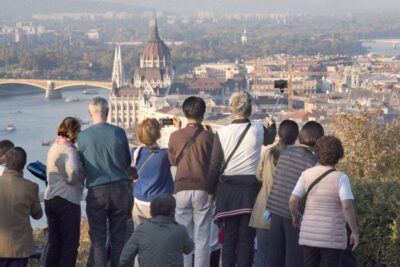
Your final stop is the Hungarian Parliament Building. You learn about recent history and elections, and you get guided attention to its neo-gothic architecture and why the building feels harmoniously beautiful. Then you finish with an orientation push, including useful recommendations for restaurants, nightlife, and what to do in the next days.
This ending is more than an architectural wrap-up. It’s your practical handoff, so you’re not stuck wondering how to turn what you just learned into a plan.
Pace, Sound, and Getting the Most Out of the Rest of Your Day
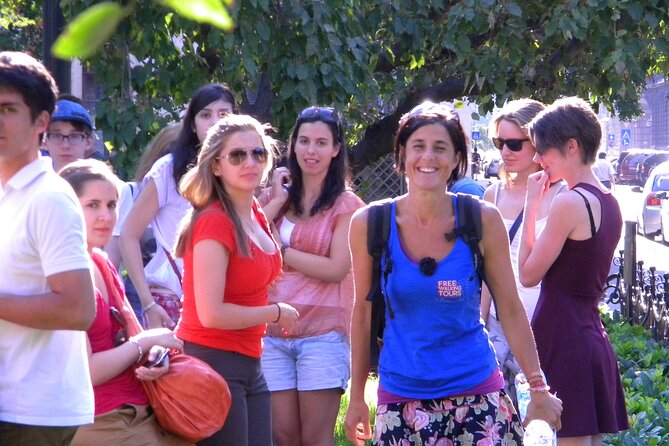
This walk is set up for comfort and clarity. The itinerary is broken into short segments, which helps because you’re constantly switching between views, street-level observations, and quick learning moments. Reviews often praise that guides keep the pace comfortable and that a speaker setup makes it easier to hear, which matters in open public squares and busy tram corridors.
To make the most of the time, I recommend two simple habits:
- Bring water and plan for a steady walk, because the route is active and you will cover ground.
- After the tour ends near the Parliament Building, use the guide’s suggestions right away. This kind of early overview is most valuable when it turns into decisions within the same day.
Also, because the guide encourages questions and adjusts depth for different people, don’t be shy about asking what to revisit. It’s one of the reasons this kind of short orientation works better than reading facts alone.
FAQ
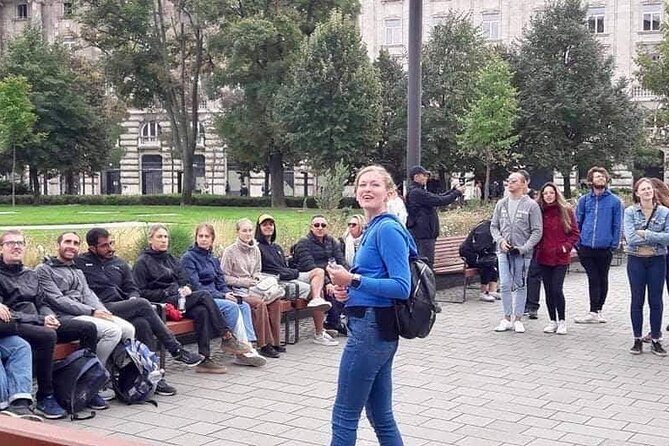
How long is the Budapest City Landmarks Walking Tour?
It lasts about 2 hours (approx.), with the route paced through multiple short stops.
What does the tour cost?
The price is $3.63 per person, and it includes a booking fee.
Is the tour offered in English?
Yes, the tour is offered in English.
Does the tour enter Szent István Basilica?
No. The tour does not enter the basilica.
What is included and what is not included?
Included: the booking fee. Not included: tips to your tour guide (donations are how guides are supported).
Where do I meet the guide?
You start at the Ferris Wheel of Budapest on Erzsébet tér, about 20 meters from Budapest Eye, and you finish at the Hungarian Parliament Building on Kossuth Lajos tér.
Does it run in bad weather?
It requires good weather. If it is canceled due to poor weather, you will be offered a different date or a full refund.
Should You Book This Budapest City Landmarks Walking Tour?
Book it if you want a low-cost way to understand Budapest fast, especially on your first day. This format is strong for orientation: you’ll get a big-picture walk across key sites, plus practical food and next-day guidance at the end near the Parliament area.
Skip or add something else if your top priority is entering major interiors. The tour does not enter Szent István Basilica, and it’s designed more for street-level learning and context than for museum-style time. Also, because it depends on good weather, plan a flexible day if rain or cold is likely.
If your goal is to leave Budapest feeling like you understand what you’re looking at, and then spend the rest of the day exploring with purpose, this is a smart start.
The newest crossings added in Budapest





City Tours, compared.


Hungarian Chimney Cake Workshop in the City Center
Read our review →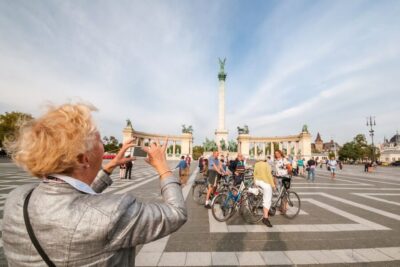

Browse the lists this tour appears in