
Reviewed · MUSEUMS
Budapest: Museum of Ethnography Official Entry ticket
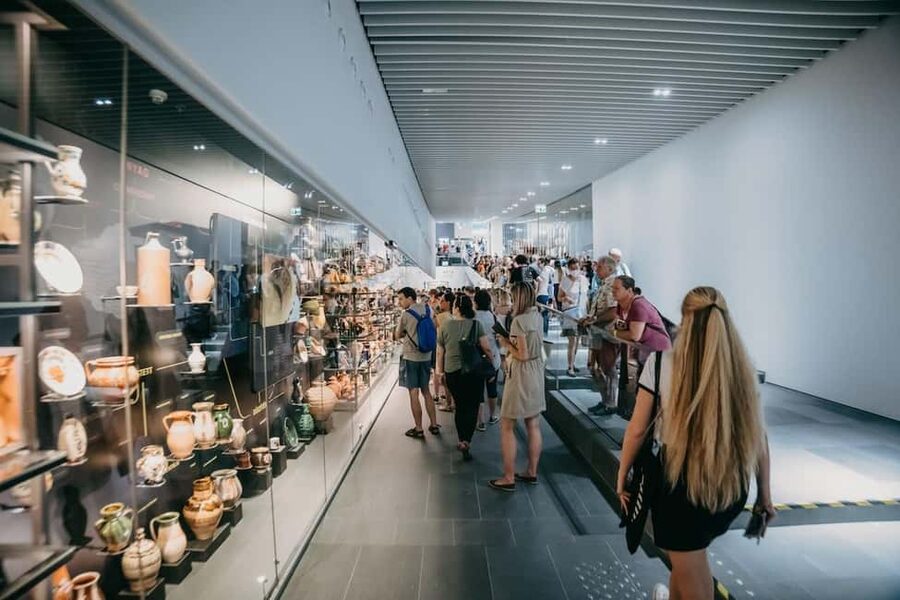
Big collections can feel chaotic, in a good way. The Museum of Ethnography in Budapest is housed in a new building opened in 2022, and it’s built for modern viewing of folk culture, from everyday life to community traditions. Two things I like a lot: the museum’s 225,000 artifacts span Hungary and beyond, and the exhibitions use research and media to help you connect objects to real people and social change.
There’s one practical drawback to plan around. This is a ticketed entry, and I’ve seen at least one booking note where someone arrived close to closing time and was not allowed in, so don’t run late. Give yourself a time buffer, and treat the last hour as off-limits.
In This Review
- What You’ll Actually See Inside (Without Needing a Guide)
- Key Highlights to Know Before You Go
- A Modern Budapest Setting for Folk Traditions (Opened in 2022)
- 225,000 Artifacts, From the 17th Century to Today
- ZOOM Exhibition Space and the 2024 Collection Exhibition Idea
- Archives That Go Beyond Glass Cases (Photos, Manuscripts, Folk Music, Films)
- Contemporary Social Phenomena Through Research Projects
- How to Plan Your One-Day Visit Without Guided Tours
- Ticket Value: $0 Entry and What You Still Need to Know
- Rules That Can Stop You at the Door (Plan Your Bag)
- Who This Museum of Ethnography Ticket Fits Best
- Should You Book This Museum of Ethnography Entry Ticket?
- FAQ
- Is the Museum of Ethnography official entry ticket free?
- How long is the ticket valid?
- Are guided tours included with this entry ticket?
- Are audio guides included?
- Can I bring a backpack into the museum?
- Are pets allowed?
- Is the museum wheelchair accessible?
- Can I touch the exhibits?
- Are weapons or sharp objects allowed?
- What is the cancellation window for a full refund?
What You’ll Actually See Inside (Without Needing a Guide)
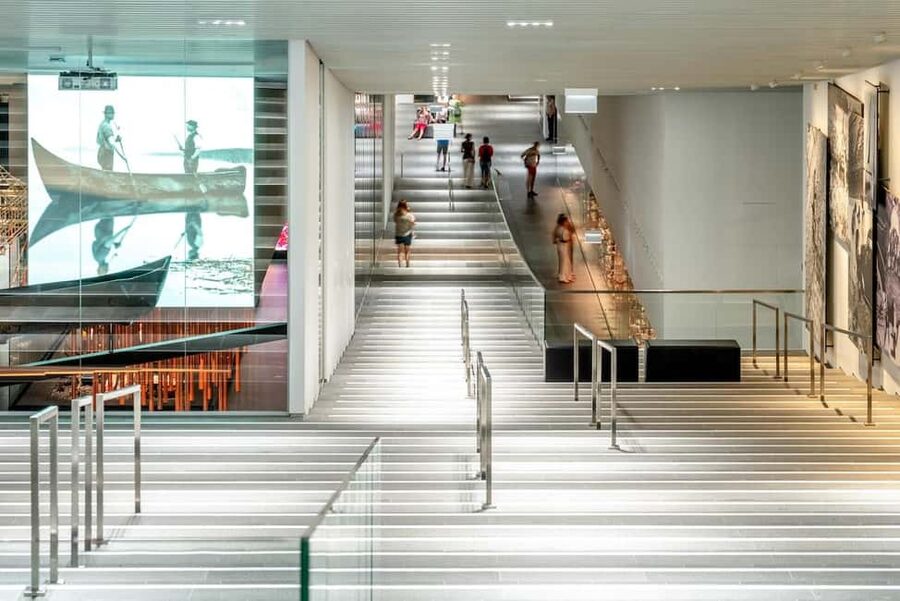
You get access to every exhibition the museum has to offer, which is great if you like choosing your own route. The collection is huge, with more than 200,000 ethnographic objects plus hundreds of thousands of photographs, drawings, manuscripts, audio recordings, and films. That means you’re not just looking at pretty things, you’re seeing how culture gets studied, categorized, and reinterpreted over time.
A nice extra: the museum leans into big ideas, like how a museum can turn messy, human material into order you can follow. If you like exhibitions that explain their own thinking, the ZOOM exhibition space and the 2024 Collection Exhibition concept will click fast.
Key Highlights to Know Before You Go
- 2022 modern building: a design-forward ethnography museum that makes cultural study feel current
- 225,000 artifacts: one of the largest ways to see Hungarian and global folk traditions in a single day
- ZOOM exhibition space: see collections staged in a more raw, immediate way
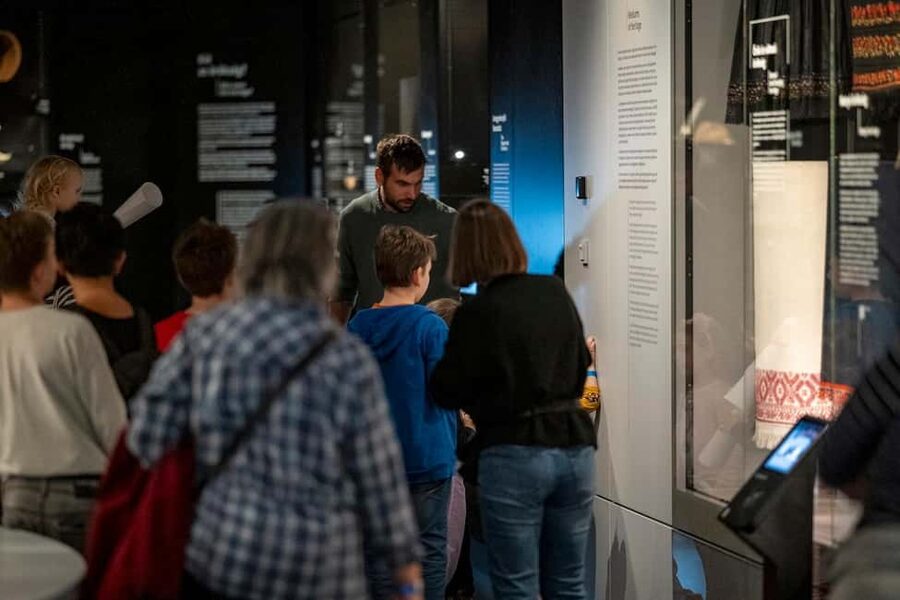
- Archives beyond objects: photos, manuscripts, folk music recordings, and films expand the story
- Contemporary social research: exhibitions don’t stop at the past, they study how communities live now
A Modern Budapest Setting for Folk Traditions (Opened in 2022)
The biggest reason I recommend the Museum of Ethnography is not just what’s inside, it’s how the museum fits the subject. The museum’s new building, opened in 2022, signals that ethnography today is not only about old costumes behind glass. It’s also about how people live, work, celebrate, grieve, and build community, and how those patterns get recorded and interpreted.
In a museum like this, the physical experience matters. You’ll move through spaces designed to handle big themes and lots of material without feeling like you’re trapped in a single theme loop. If you’ve ever felt lost in “everything everywhere” museums, the layout and exhibition approach here can feel more logical, because it’s built around interpretation, not just display.
More collections on either side of the river:
- Budapest: Cat Museum Budapest Entry Ticket
★ 4.4 · 2,210 reviews - Budapest: Light Art Museum Skip-the-Line Entry Ticket
★ 3.9 · 1,531 reviews - Budapest: Budapest Retro Interactive Museum Ticket
★ 4.4 · 569 reviews
225,000 Artifacts, From the 17th Century to Today

Scale is the point here. The collection includes over 225,000 ethnographic objects, reaching from the 17th century to the present day. If you like historical depth, you’ll appreciate that it’s not a one-period museum. If you prefer modern context, you’ll also find evidence that today’s culture is not an afterthought.
One thing to keep in mind: the collection isn’t just objects. The museum unites more than two hundred thousand individual artifacts with several hundred thousand supporting materials like photographs, drawings, manuscripts, audio recordings, and films. That broad set of sources is valuable for you because it shows culture through multiple lenses. An item of folk craft can tell one story, but recordings and manuscripts can explain how it was used, who made it, and what it meant in daily life.
For a one-day visit, this can be overwhelming if you try to see it all. Instead, treat the museum like a sampler platter. Pick one or two threads to follow based on your mood: craft and material culture, community traditions, or how the museum presents interpretation.
ZOOM Exhibition Space and the 2024 Collection Exhibition Idea
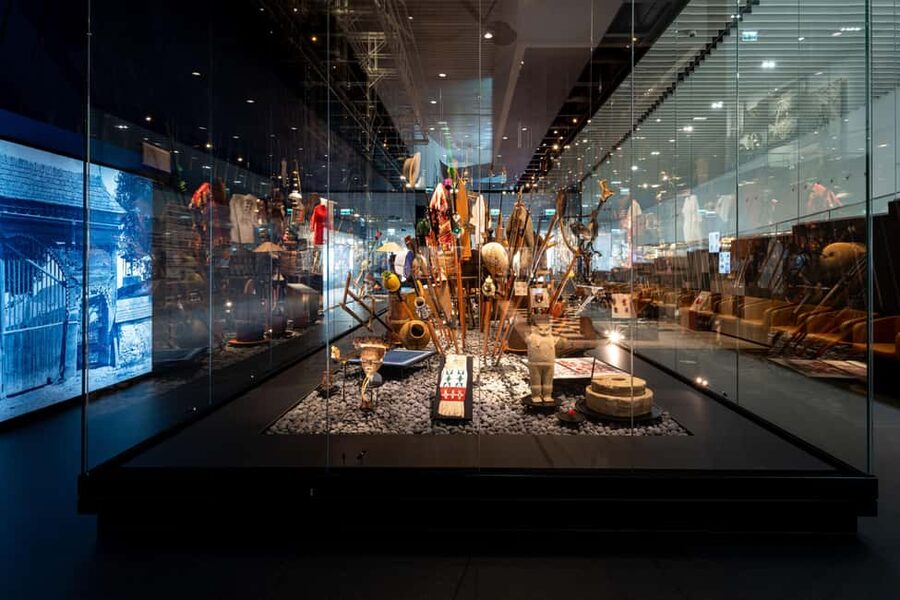
The ZOOM exhibition space is described as showing a monumental body of material in a more primordial state, like a cast of gathered remnants before tidy organization. Translation for you: it can feel less like neat categories and more like stepping into the raw material of collecting. If you like exhibitions that show their method, this is a strong place to start, because it sets expectations for the rest of the museum.
Then there’s the 2024 Collection Exhibition, built around a concept that’s surprisingly practical. It focuses on how chaos becomes order, and how a museum can form a kind of museum galaxy through systematization and interpretation. The key for you is that the exhibition doesn’t just ask you to look at objects. It nudges you to think about how perspective changes meaning.
To make that work in your day, use it as a mental framework:
- When you see a group of items, ask what’s being organized and why.
- When you see a transition between spaces, notice how the explanation shifts the story.
- If you feel your attention wandering, return to the “order out of chaos” theme, because it gives you something to track.
Archives That Go Beyond Glass Cases (Photos, Manuscripts, Folk Music, Films)
Ethnography works best when it captures people, not only things. That’s why I’m glad the museum’s material includes archives, not just curated objects. You’ll encounter photographs, drawings, manuscripts, and audio recordings, along with films.
And yes, folk music recordings matter here. Sound is memory you can hear. If you’ve ever tried to understand a tradition from a written description and felt something was missing, recordings can fill that gap. They can also help you connect the idea of community life to emotion and rhythm, not only description.
For practical value, plan a chunk of your visit for slower stops. If you rush, you’ll miss what makes archive formats special. Give yourself permission to pause at audio or video materials longer than you think you should. It’s not time wasted. It’s how the museum earns your attention.
Still to cross in Budapest
- Budapest: City Highlights Sightseeing Cruise★ 4.6 · 43,981 reviews
- Budapest: Unlimited Prosecco, Beer and Aperol Spritz Cruise★ 4.8 · 37,304 reviews
- Budapest: Széchenyi Spa Day Ticket with Optional Upgrades★ 4.3 · 23,911 reviews
Contemporary Social Phenomena Through Research Projects

Another reason the museum is worth your time is that it doesn’t treat folk culture as frozen in the past. The exhibitions include research projects that look at contemporary social phenomena. This matters because it pushes you to understand ethnography as an ongoing study, not a nostalgia trip.
You’ll likely see the museum using its collection and research approach to ask modern questions about community life. That can be eye-opening if you’re used to museums that only present outcomes, like finished artifacts or completed histories. Here, the museum frames culture as something observed, analyzed, and continually reinterpreted.
If you enjoy museums that connect the past to the present, this part of the visit will feel like a bridge. If you mostly want colorful traditional items, you can still enjoy it, just expect the museum’s tone to be thoughtful and analytical.
How to Plan Your One-Day Visit Without Guided Tours
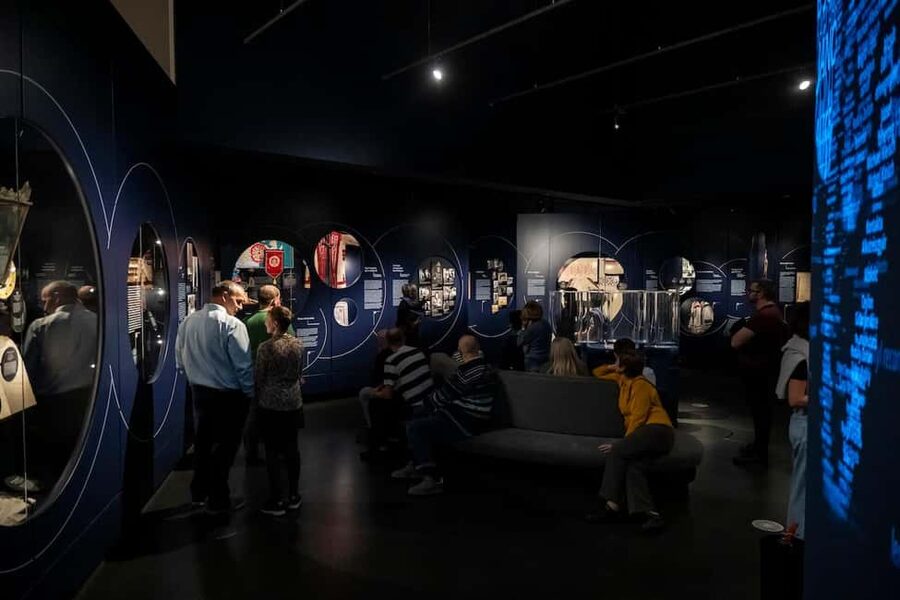
No guided tours and no audioguides means you’ll be doing the thinking yourself. The upside is flexibility: you can zoom to what interests you and skip what doesn’t. The downside is that big museums can feel like you’re left alone with a lot of information.
Here’s a practical way to handle it:
- Start with the exhibition spaces that explain the museum’s approach, like ZOOM and the 2024 Collection Exhibition concept. This gives you context, so later rooms feel less random.
- Choose one theme for your “deep focus” block. For example, focus on archives and multimedia, or focus on how the museum treats community traditions.
- Leave time for a second pass. With a museum this large, your first visit through an area helps you map it, and your second pass lets you notice the interpretation you missed.
Also, keep your energy in mind. When an exhibition includes audio and film, you can get worn out faster than in purely visual spaces. Plan short rest moments and don’t feel guilty about them.
Ticket Value: $0 Entry and What You Still Need to Know

The ticket price shown here is $0.00 per person, which is exceptional value if you can lock in the entry slot for your day. Even if you typically budget for museums, this kind of deal means you’re not paying to “try your luck.” You’re paying in time, and you’re getting a lot of material coverage through access to every exhibition.
Included with your entry:
- Access to every exhibition the museum offers
Not included:
- Guided tours
- Food and beverages
- Souvenir purchases
- Audio guides
- An all-inclusive ticket concept is listed under not included, but the included information you’re working from says entry already covers every exhibition. Before you go, double-check what your selected ticket option specifically includes so you don’t get surprised at the desk.
In other words: you can get a full cultural study day here on a budget, but you’ll want to bring your own plan because you won’t have a guide or audio help steering you.
Rules That Can Stop You at the Door (Plan Your Bag)
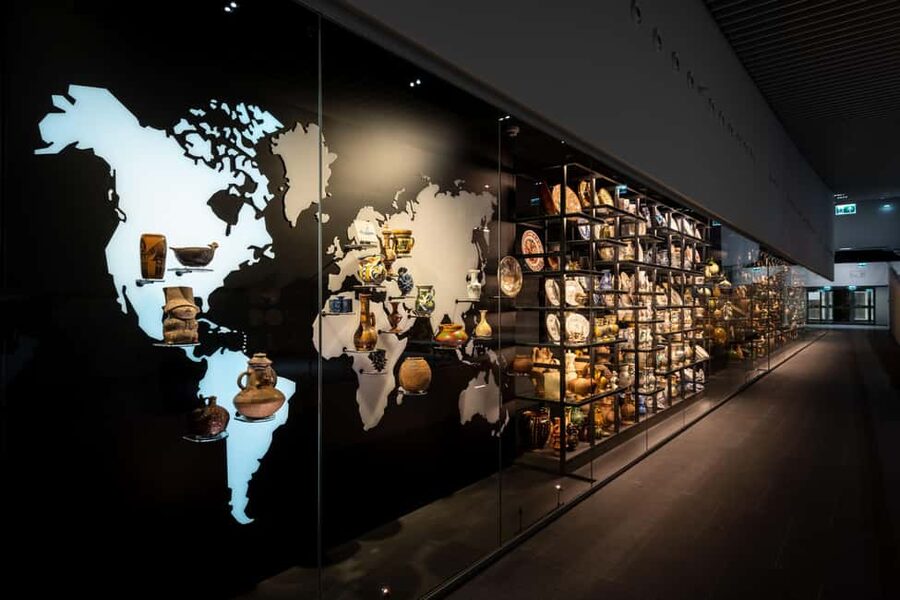
Museums often have rules that are easy to ignore until you’re standing there ready to enter. The Museum of Ethnography has clear no’s, and a few are common enough to affect your day.
Not allowed:
- Weapons or sharp objects
- Pets (assistance dogs allowed)
- Intoxication
- Backpacks
- Touching exhibits
- Nudity
So what should you do? Keep it simple:
- Travel light. If you have a daypack, plan for an alternative storage option outside the museum.
- Leave anything sharp or potentially restricted at your hotel or in your luggage.
- Assume staff may be strict about touching exhibits. If you want to look closely, use your eyes, not your hands.
One more door-related tip based on a booking note I saw: don’t treat the last minutes before closing as safe. Arrive with a buffer so you’re not dealing with last-minute entry limits.
Who This Museum of Ethnography Ticket Fits Best
This is a great fit if you like:
- Folk art and traditions with a modern framing
- Cultural studies and social history presented through real research materials
- Big collections and multimedia archives, not only single-topic displays
It’s also a good option if you’re traveling with time pressure. The museum’s duration is listed as 1 day, and the entry is built for people who want to move independently through multiple exhibitions.
If you’re with someone who needs a very structured itinerary or a loud, guided commentary style, this ticket may feel less satisfying, because guided tours and audioguides are not included. But you can still make it work with a simple self-guided plan, as long as you pick your themes ahead of time.
Wheelchair accessibility is supported, so you can expect the museum to accommodate mobility needs.
Should You Book This Museum of Ethnography Entry Ticket?
I’d book it if you want a value-packed cultural stop in Budapest that goes beyond costumes and dates. The combination of a modern 2022 building, access to all exhibitions, and a massive collection across objects, photos, manuscripts, audio, and film makes it one of those museums where you can tailor the day to your interests.
Skip it or reconsider if:
- You hate rules about backpacks and handling, and you’re the type who always travels with a large bag.
- You need guided storytelling and don’t want to choose your own focus.
- You tend to arrive late to timed activities, because at least one booking note suggests entry can be denied close to closing.
If you’re the “I like thinking while I look” type of traveler, this is a smart use of a day in Budapest.
FAQ
Is the Museum of Ethnography official entry ticket free?
The ticket price shown is $0.00 per person.
How long is the ticket valid?
It’s valid for 1 day.
Are guided tours included with this entry ticket?
No. Guided tours are not included.
Are audio guides included?
No. Audio guides are listed as not included.
Can I bring a backpack into the museum?
No. Backpacks are not allowed.
Are pets allowed?
Pets are not allowed, but assistance dogs are allowed.
Is the museum wheelchair accessible?
Yes, wheelchair accessibility is listed.
Can I touch the exhibits?
No. Touching exhibits is not allowed.
Are weapons or sharp objects allowed?
No. Weapons or sharp objects are not allowed.
What is the cancellation window for a full refund?
You can cancel up to 24 hours in advance for a full refund.
The newest crossings added in Budapest






Museums, compared.



Budapest Card: Free Public Transport, Spa & Museums with Delivery
Read our review →
Budapest Dohany Synagogue & Hungarian Jewish Museum & free extras
Read our review →
Skip the Line: Budapest Pinball Museum Admission Ticket
Read our review →
Browse the lists this tour appears in