
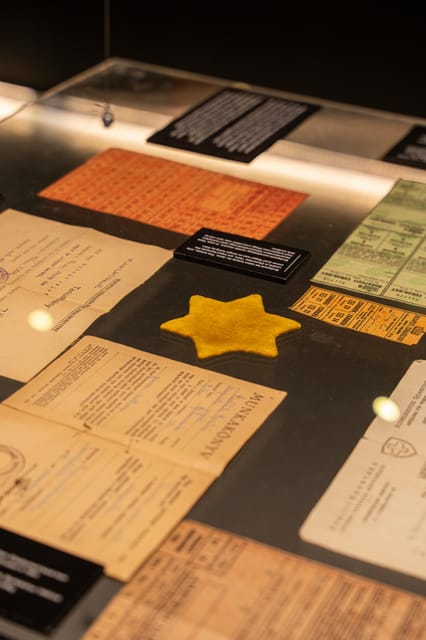
Reviewed · MUSEUMS
Budapest: Mika Tivadar Secret Museum Entry Ticket
You walk in for history, stay for the vibe. In just a short visit, I love the time-travel way the museum brings Kazinczy Street to life, and I love that there’s an on-site cocktail bar where you can pause with a drink, plus the audio runs in 8 languages. One consideration: it is not suitable for wheelchair users.
Meeting at Hotel Mika Downtown reception, you get greeted, handed a flyer, and pointed toward the story you’ll follow on your own phone. This is a compact museum experience in about 140 square meters, focused on Budapest from the late 19th century through the years between the two world wars.
In This Review
- Key points at a glance
- A 140-Square-Meter Time Machine on Kazinczy Street
- Meeting at Hotel Mika Downtown and Getting Set Up
- Price, Timing, and What You Really Get for $5
- The Museum Story: Late 1800s to the Interwar Years
- Famous Names and Surprising Connections You’ll Hear About
- How the Museum Handles Multiple Cultures and Big Politics
- On-Your-Phone Audio, Free Wi-Fi, and the 8-Language Setup
- Sitting Down at the On-Site Cocktail Bar and Restaurant
- Practical Tips to Make the Most of Your 30 Minutes
- Who Should Go, and Who Might Skip It
- Should You Book the Mika Tivadar Secret Museum Entry Ticket?
- FAQ
- How long is the Mika Tivadar Secret Museum visit?
- What is included with the ticket?
- Do I need a museum guide or tour guide?
- Where do I meet for the ticket?
- What should I bring?
- Is the museum wheelchair accessible?
- Can I get a full refund if I cancel?
Key points at a glance
- A self-guided hotel museum in just 30 minutes
- Mobile voiceovers with free Wi-Fi, in 8 languages
- Kazinczy Street stories tied to multiple historic buildings
- Big-name European figures and film history, explained in plain language
- On-site cocktail bar and restaurant in the same visit space
- No live guide required, you control the pace
A 140-Square-Meter Time Machine on Kazinczy Street
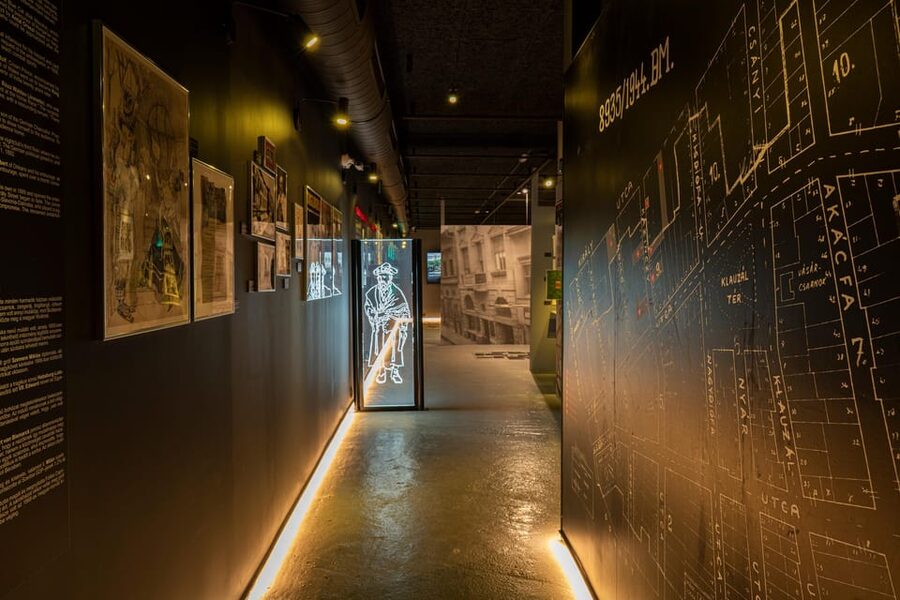
This is the kind of place that works even if you do not consider yourself a museum person. The Mika Tivadar Secret Museum is built like a guided walk through scenes, photos, and small installations, all tied to the neighborhood around Kazinczy Street. You’re in District VII, and the museum feels made for this area, not pasted on top of it.
I like that it focuses on a defined era. You move through the late 1800s and into the interwar years, when Budapest’s nightlife, architecture, and political drama were all colliding in the same streets. The museum is also described as the first Hungarian hotel museum, which matters, because the setting is part of the story, not just a container.
Meeting at Hotel Mika Downtown and Getting Set Up
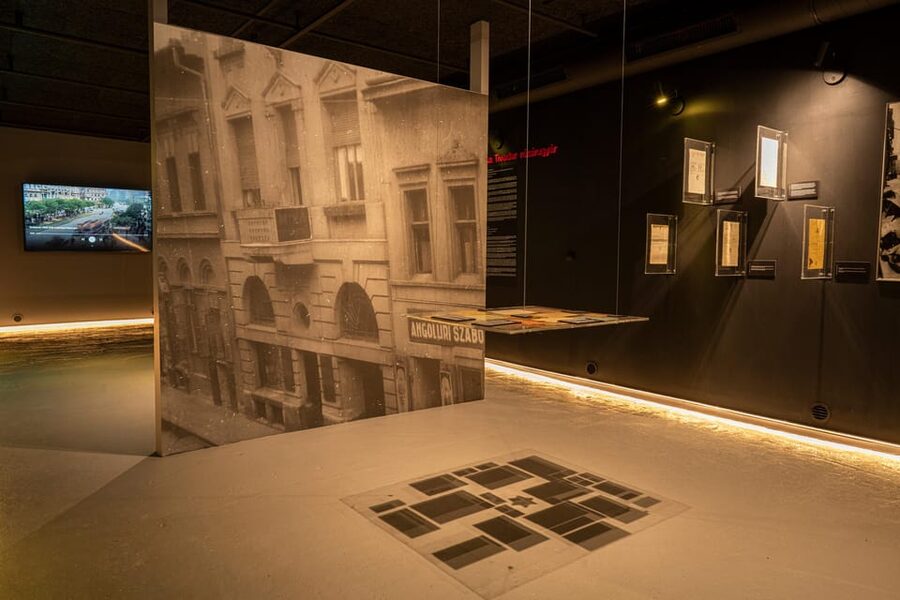
Your meeting point is simple: head to Hotel Mika Downtown reception. When you arrive, someone greets you, hands you a museum flyer, and gives a brief orientation. There is no museum guide or tour guide included, so you are not waiting for a group to assemble.
Then the museum becomes very DIY, in a good way. You’ll listen to each chapter through voiceovers using your own mobile device, plus you get voice effects that add atmosphere while you read. The museum’s free Wi-Fi is available if you need it, but the key is that you bring a charged smartphone.
More collections on either side of the river:
- Budapest: Cat Museum Budapest Entry Ticket
★ 4.4 · 2,210 reviews - Budapest: Light Art Museum Skip-the-Line Entry Ticket
★ 3.9 · 1,531 reviews - Budapest: Budapest Retro Interactive Museum Ticket
★ 4.4 · 569 reviews
Price, Timing, and What You Really Get for $5
At about $5 per person, this ticket is priced like a low-key neighborhood stop. That is the point. You are not paying for a long guided lecture, and you are not stuck committing half a day.
Instead, you pay for entry to a tightly programmed story told across chapters, plus mobile audio and a compact exhibition space. The visit is scheduled around 30 minutes, which makes it easy to fit into a day that already includes food, viewpoints, and a stroll through the Jewish quarter and party-district streets nearby.
One thing to keep your expectations practical: the ticket gives you the museum experience and the audio. The bar and restaurant are on-site, but they are not listed as included.
The Museum Story: Late 1800s to the Interwar Years
What you experience here is not a generic timeline. The museum tells the story of its own building and then widens out to connect to the surrounding streets and iconic buildings on Kazinczy Street. You are basically learning how a neighborhood changes while staying recognizable.
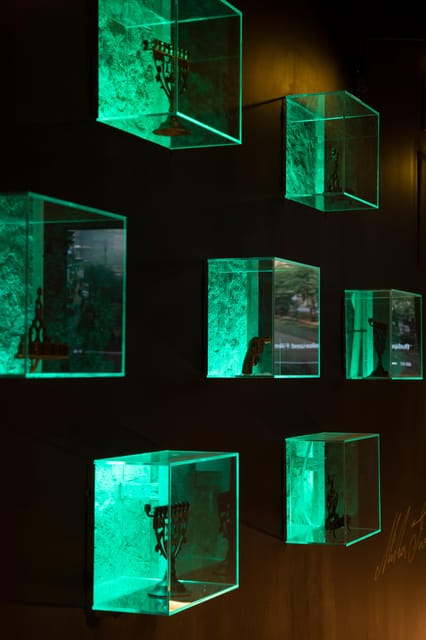
The atmosphere is designed for “time travel” rather than pure facts-on-a-wall. You’ll see authentic installations, photographs, and written narratives that bring you into everyday life, big events, and cultural shifts. It also leans into the idea that Budapest was never only one community. The curatorial approach highlights the role of many ethnic communities living in Hungary, so the story connects beyond one national angle.
Famous Names and Surprising Connections You’ll Hear About
This museum earns its name by mixing serious history with stories that feel like urban legends. It references legendary guests who once walked these halls, including King Edward VII of the United Kingdom, German statesman Otto von Bismarck, and Milan I of Serbia. Those names are not just dropped in passing. They show how the city’s hotel and entertainment world pulled international attention.
You will also run into cultural milestones tied to the exact location. The museum points to Europe’s most famous cabaret, the Blue Cat, and it notes that Hungary’s first cinema opened on this very spot. It even connects cinema history to Michael Curtiz, the Oscar-winning director of Casablanca, by describing how he began his film career here.
Then come the fun, odd connections that make you stop and reread. The museum includes surprising links involving Sylvester Stallone and Arnold Schwarzenegger and a tiny house on Kazinczy Street. If you like history that has humor and weird footnotes, this is the part you’ll remember.
Still to cross in Budapest
- Budapest: City Highlights Sightseeing Cruise★ 4.6 · 43,981 reviews
- Budapest: Unlimited Prosecco, Beer and Aperol Spritz Cruise★ 4.8 · 37,304 reviews
- Budapest: Széchenyi Spa Day Ticket with Optional Upgrades★ 4.3 · 23,911 reviews
How the Museum Handles Multiple Cultures and Big Politics
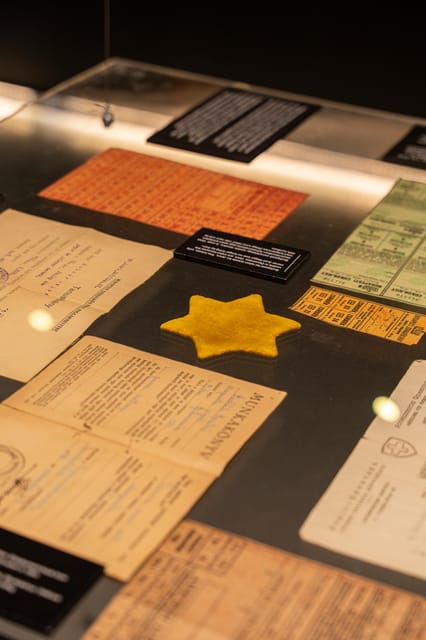
One reason this ticket feels good value is that the museum does not only focus on rulers and wars. It explicitly emphasizes how Hungarian history intertwined with Europe’s great powers, and it keeps returning to what changed inside communities.
Another strong theme is the cross-continental reach of people tied to Hungary. The museum mentions that veterans of the 1848 to 1849 Hungarian Revolution played a role in the Mexican Civil War. That kind of story is useful because it forces you to see Central Europe as connected to the wider world, not locked in a small box.
If you want a museum that treats the past as a web of people and places, this fits. If you want a traditional guided tour with deeper academic debate, you might wish you had a human guide. But for most people, the mobile chapter format keeps things moving.
On-Your-Phone Audio, Free Wi-Fi, and the 8-Language Setup
The museum’s biggest practical strength is how it handles language. There are 8 languages, and the voiceovers are accessible on your mobile device. You’ll listen chapter by chapter, synced to what you’re looking at, with voice effects to set the scene.
You also get free Wi-Fi, which is handy if your signal is spotty or if you prefer to use the museum audio comfortably. The museum is designed so you scan and listen, rather than reading everything on paper.
The no-guide format is worth understanding. You are the guide for yourself, but you also get a structured path. The museum setup keeps you from getting lost, and the printed flyer helps you stay oriented.
Sitting Down at the On-Site Cocktail Bar and Restaurant
This is not a “walk through, then leave” museum. The museum experience includes an on-site cocktail bar and restaurant, and you can take a breather while you’re in the area.
That matters because Kazinczy Street is known for nightlife energy, and you do not want your history stop to feel like a chore. Having the bar on site turns the whole visit into something closer to a hangout with context. For me, that is one of the best ways to justify spending an hour in a small museum. You get culture and you get a moment to relax.
Practical Tips to Make the Most of Your 30 Minutes
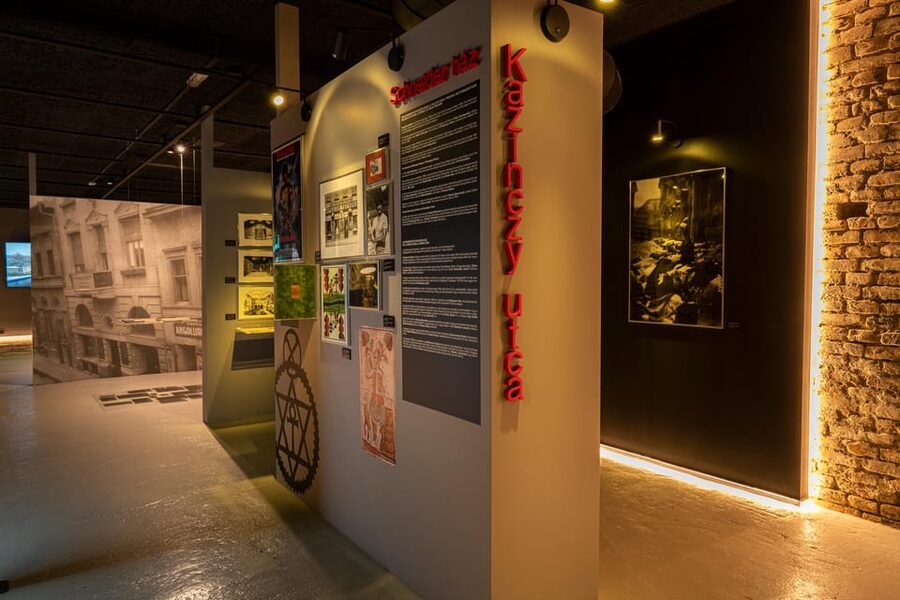
First, treat this as a short circuit, not an endless wander. The museum is about 140 square meters, so the story is packed into a small footprint. If you take too long reading every line in every room, you may finish with less time to enjoy the vibe outside.
Second, headphones help if your phone is loud or you are sitting close to other people. The museum uses voiceovers and voice effects, so you’ll likely get more out of the audio when it’s clear.
Third, bring a charged smartphone. The museum is specifically set up so your mobile device is part of the experience.
Finally, pair it with nearby street time. District VII around Kazinczy Street is full of small, atmospheric streets and photo-worthy corners. If you plan your day so this museum happens right before or right after a stroll, you’ll feel like you’re seeing the neighborhood as a single story, not separate attractions.
Who Should Go, and Who Might Skip It
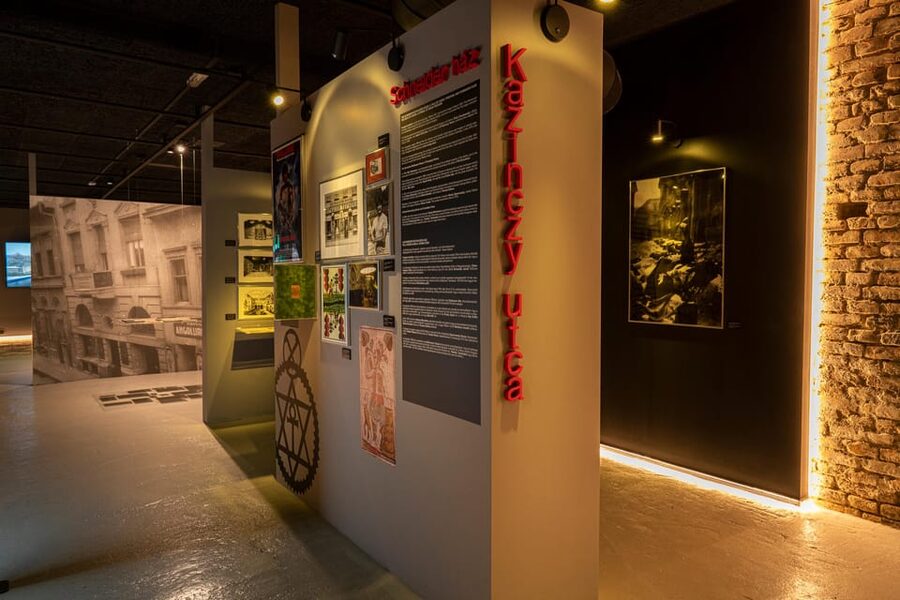
You should book if you like museums that are:
- Compact and fast, with a clear beginning and end
- Built around storytelling, installations, and audio chapters
- Focused on a specific neighborhood, Kazinczy Street, and the buildings around it
- Curious about surprising connections like film history and political links that stretch beyond Hungary
You might skip it if:
- You want a live guide to answer questions and go far beyond the audio script
- You need wheelchair accessibility, because it is not suitable for wheelchair users
- You dislike audio-based exhibits and want all information to be purely visual or printed
For value, it’s hard to beat a $5 entry that includes multiple languages and a structured way to learn what happened here.
Should You Book the Mika Tivadar Secret Museum Entry Ticket?
Yes, I think you should book it if you’re spending time in District VII and you want a history stop that doesn’t steal half your day. The combination of mobile audio in 8 languages, the compact 140-square-meter layout, and the on-site cocktail bar makes it easy to justify.
Skip it only if you specifically need a guided tour experience or you cannot use the mobile audio setup. Otherwise, this is a smart, cost-effective way to learn why Kazinczy Street feels like more than just a party corridor.
FAQ
How long is the Mika Tivadar Secret Museum visit?
The entry ticket experience is listed as about 30 minutes. Check available starting times when you book.
What is included with the ticket?
The ticket includes access to the museum area (about 140 square meters), voiceovers, voice effects, a printed flyer, and access to the on-site bar. Audio guides are available in 8 languages on your mobile device, and free Wi-Fi is provided.
Do I need a museum guide or tour guide?
No. A museum guide or tour guide is not included. You will be greeted, given a flyer, and you’ll listen to the chapters through your own mobile phone using the voiceovers.
Where do I meet for the ticket?
You meet at the Hotel Mika Downtown reception.
What should I bring?
Bring a charged smartphone, since the audio guides are accessed on your mobile device.
Is the museum wheelchair accessible?
No, it is not suitable for wheelchair users.
Can I get a full refund if I cancel?
Yes. Free cancellation is available up to 24 hours in advance for a full refund.
The newest crossings added in Budapest






Museums, compared.

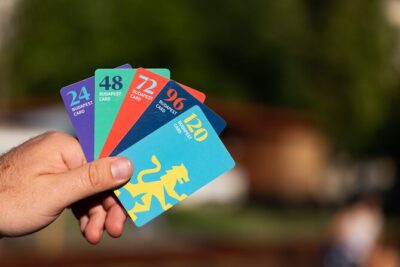
Budapest Card: Free Public Transport, Spa & Museums with Delivery
Read our review →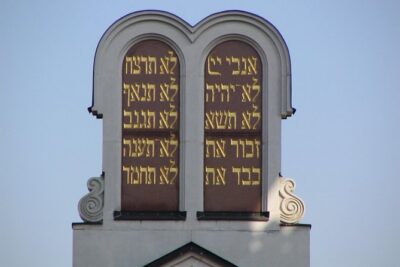
Budapest Dohany Synagogue & Hungarian Jewish Museum & free extras
Read our review →
Skip the Line: Budapest Pinball Museum Admission Ticket
Read our review →
Browse the lists this tour appears in