
Synagogue to soup in four hours. I love the way this food-centered walk makes the Jewish quarter easier to understand, while also passing Dohány Street Synagogue and other key sites. The whole route is built around real Hungarian-Jewish dishes, so you finish with both context and a satisfied stomach.
I also like how the guide ties the streets to what happened there, from a changing pre-war neighborhood to the ghetto era, and then to today’s murals and creative cafés. With a small group (up to 8 people), you get a more personal pace and more chance to ask questions.
One watch-out: the tour talks about 4 to 6 tasting stops, but on some days the tastings can land closer to three, with lunch doing a lot of the heavy lifting.
In This Review
- Key highlights I think you’ll care about
- Start at Madách Imre Tér, then let the neighborhood set the mood
- The Seventh District story: why the streets feel so layered
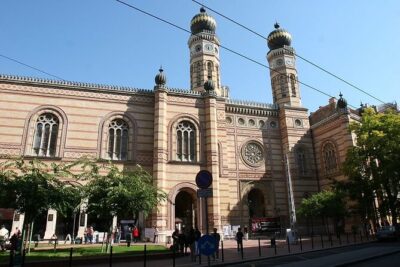
- Synagogues and Jewish landmarks, including Dohány Street Synagogue
- The tastings and lunch: what you might eat, and what it all means
- How the route feels in real time: pacing, weather, and group size
- Price and value: is $155 worth it?
- Who should book this, and who should skip it
- Should you book the Budapest Jewish Cuisine and Culture Walk?
- FAQ
- How long is the Budapest Jewish Cuisine and Culture Walk?
- How many people are in the group?
- Where do I meet the guide?
- Can I visit the synagogues on Saturdays?
- What food is included?
- Is the tour suitable for vegans or wheelchair users?
Key highlights I think you’ll care about
.jpg)
- Dohány Street Synagogue plus multiple Jewish landmarks on foot, with time to learn what each place means
- Seventh district history with the ghetto story explained clearly, including what changed before and after World War Two
- Food tastings at several venues plus a full Jewish lunch, aimed at Hungarian-Jewish classics
- Day-to-day flexibility in what you eat, since dishes can vary by day
- Guides with strong Jewish cultural background, and names you might see like Endre, Georg, Ursula, and Andra
Start at Madách Imre Tér, then let the neighborhood set the mood
.jpg)
Your tour begins at Madách Imre Tér (1075 Budapest), near the statue of Sisi. The guide holds a tote bag with the local operator logo, so it’s usually easy to spot the right person. For getting there, you’ve got a few solid options: Deák Tér (M1, M2, M3), Astoria (M2), or tram lines 47 or 49.
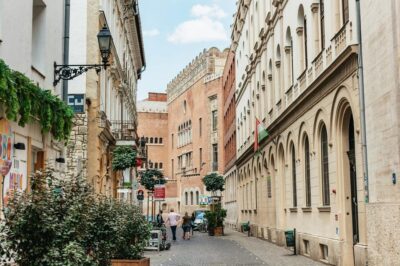
This is one of those tours where the meeting point matters. You’re starting in the 7th district, a neighborhood that today mixes quirky bars, cool cafés, murals, design shops, and little pockets of street art. If you’ve only seen Budapest as grand architecture and river views, this route shifts the tone fast, toward everyday street life plus deep historical context.
Dress for walking. Even though it’s only 4 hours, you cover a lot of ground on foot. Comfortable shoes are not optional here, especially if you’re traveling in shoulder seasons when weather can swing.
The Seventh District story: why the streets feel so layered

What I appreciate is that the tour doesn’t treat Jewish history like a museum label. It treats it like something the neighborhood is still carrying.
You’ll hear how, by the early 18th century, the 7th district became a melting pot of religions and ethnicities. You’ll also learn how, in the World War Two era, Jews were pushed into these streets, with walls put up and a ghetto created, where most Jews survived the war. Then the conversation moves to the late, complicated aftermath: buildings changed and in some cases were demolished, which altered how the neighborhood looks and functions today.
This matters for your experience because the food isn’t presented as a random tasting menu. It’s presented as part of a way of living, shopping, cooking, and gathering in a specific place and time. You’re essentially learning how cuisine grows out of daily realities, not just out of tradition for tradition’s sake.
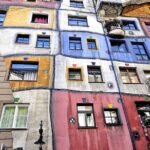
You also get a view of the district as it is now. Murals, street art, cafés, and design shops show up while you’re walking between historically important spots. That contrast helps it click: history here isn’t sealed behind barriers. It’s still visible in how the neighborhood has evolved.
Further Jewish Budapest and Great Synagogue tours:
- Budapest Jewish Heritage Memorial Walking Tour & Synagogue Entry
★ 5.0 · 568 reviews - Budapest: Jewish Heritage Guided Tour with Synagogue Ticket
★ 4.8 · 533 reviews - German tour in the Budapest city centre & the Jewish quarter
★ 5.0 · 359 reviews
Synagogues and Jewish landmarks, including Dohány Street Synagogue
.jpg)
The tour route is designed around Jewish focal points in Budapest’s 7th district. You’ll see four synagogues as you walk, with Dohány Street Synagogue specifically highlighted.
A practical point: the tour includes skip-the-ticket-line, which can save time at busy entrances. And you should plan for the fact that synagogue access has limits by day. The tour notes that you will not be admitted to synagogues on Saturdays. If your trip overlaps with a Saturday, you’ll want to align the tour day accordingly if religious interior access is a big goal.
What I find useful is that the guide frames the synagogues as more than “pretty buildings.” They function as community anchors. As you move from one site to another, you’ll understand how Jewish life centered here in different ways, and how the district’s identity has continued even as the neighborhood changed physically.
If you’re the kind of traveler who likes to connect architecture to human stories, this part usually lands well. If you just want quick photos and minimal context, you might wish for more time at each site. But with a 4-hour format, the tour keeps things moving so you get history and food in one session.
The tastings and lunch: what you might eat, and what it all means
.jpg)
The big reason to book is the food pairings. You’ll visit 4 to 6 venues for food and drink tastings, plus a full Jewish lunch. Dishes can vary depending on the day, so come with an open mind. On the menu of possible specialties, you may encounter:
- sausages
- matzo ball soup
- gefilte fish
- Jewish eggs
- cholent
- roasted goose
- flódni
If you haven’t tried Hungarian-Jewish food before, the best way to think about it is as a blend of comfort and ritual. For example:
- Matzo ball soup gives you that hearty, warming starter feel, especially fitting in a walking tour where you’ll be outside for hours.
- Gefilte fish often shows up as a traditional dish in Jewish cuisine, and it’s one of those foods people recognize even if they haven’t had it fresh or locally prepared.
- Cholent is a long-cooked comfort staple, a dish associated with slow preparation and everyday rhythms.
- Flódni is a Hungarian Jewish dessert, and it’s the kind of sweet that turns a tasting tour into a full meal memory.
The tour also focuses on Jewish cuisine styles that shaped the 7th district’s culinary identity. You’re not only learning what you’re eating, you’re learning why those dishes became part of the local food language.
Now, the downside. One clear review note pointed out a mismatch between the advertised number of tasting stops and the reality on at least one day, where the tour felt like it landed closer to three tastings total, including lunch. So I’d treat the 4 to 6 venues as a target, not a guarantee. The good news is that the tour still delivers a full lunch, so you’re not left hungry if the tasting stops compress.
Also, do check your diet needs in advance. The tour is not suitable for vegans, so if that applies to you, you’ll need a different option.
How the route feels in real time: pacing, weather, and group size
.jpg)
This is a small group tour limited to 8 participants, with a minimum of 2. In practice, that size is the sweet spot for a walking food tour. You don’t feel like you’re getting herded, and you can actually hear what the guide is explaining.
Another detail I like from the experience description: the pace can flex. One guide, Endre, was noted as being accommodating when people needed slower movement, so the tour can last a bit longer than expected. That’s a good sign if you’re traveling with older relatives, or if you just don’t want a high-speed march.
Weather is usually not a dealbreaker. It runs rain or shine, except on Hungarian national holidays when venues may close. Still, Hungary can get chilly or damp. Layering helps, and bringing a compact umbrella can save your mood.
Finally, a comfort reality check. The tour is unfortunately not wheelchair accessible. That doesn’t just mean stairs. It usually means uneven sidewalks and the general limits of a walking route with multiple stops.
More of the city, bank to bank on foot:
- Budapest: Buda Castle Walk with Saint Stephen’s Hall★ 4.5 · 3,012 reviews
- Big Bus Budapest Hop-On Hop-Off Bus and Walking Tour★ 3.5 · 2,206 reviews
- Budapest: Buda Castle District Walking Tour★ 4.6 · 2,108 reviews
Price and value: is $155 worth it?
.jpg)
At $155 per person for 4 hours, this is not a bargain-basement walking tour. But the price starts to make sense once you account for what’s included:
- a food-specialized guide well-versed in Jewish history
- walking around the 7th district with multiple meaningful stops
- food and drink tastings at 4 to 6 venues
- a full Jewish lunch
- English live guide
- small group format
For me, the value hinges on two things. First, you’re getting the meal plus the context, not just one or the other. Second, the tasting experience is designed for variety. Even if the stops land closer to three on a given day, the lunch plus samples aim to cover multiple dishes, so you don’t just repeat one flavor theme for the whole afternoon.
If you’re already a Budapest planner who wants to eat a lot on your own schedule, you could argue for skipping a tour. But if you’d rather be guided to the right dishes, in the right sequence, in a neighborhood where history and food are tightly connected, this is a strong fit.
Who should book this, and who should skip it
.jpg)
This tour fits best if you:
- want Jewish-Hungarian cuisine with story context, not just a tasting list
- like walking in a real neighborhood, including murals, cafés, and design shops along the way
- enjoy synagogue and ghetto history explained in an organized, on-foot route
- prefer small groups so you can ask questions without shouting
It’s a tougher match if you:
- need a vegan option, since the tour is not suitable for vegans
- use a wheelchair, because the route is not wheelchair accessible
- are hoping for synagogue entry on Saturdays, since you will not be admitted on those days
If you’re traveling with kids, it depends on your crew’s interest in history and how adventurous they are with traditional foods. The tour isn’t marketed as a kids program, and it does require time on your feet.
Should you book the Budapest Jewish Cuisine and Culture Walk?
.jpg)
I’d book it if you want a focused, half-day experience that combines food with the actual story of Budapest’s Jewish quarter. The main strength is the pairing: you learn the ghetto and neighborhood transformation, then you eat dishes that reflect that culture. The Dohány Street Synagogue stops and the small group format help it feel grounded, not rushed.
I would think twice if you’re very diet-restricted (especially vegan) or if mobility is an issue. And I’d adjust expectations about the number of tasting stops. The tour is clearly designed to feed you, but the exact count of venues can vary.
If you’re choosing between a general food tour and this one, pick this if Jewish history and Hungarian-Jewish dishes are what you want to understand, not just sample. Pick a more general tour if you’d rather keep the history light and spend most time only on food.
FAQ
.jpg)
How long is the Budapest Jewish Cuisine and Culture Walk?
It lasts 4 hours.
How many people are in the group?
It is a small group with a maximum of 8 participants.
Where do I meet the guide?
Meet at Madách Imre Tér (1075 Budapest) near the statue of Sisi. The guide will be holding a tote bag with the local operators logo.
Can I visit the synagogues on Saturdays?
You will not be admitted to synagogues on Saturdays.
What food is included?
You’ll have food and drink tastings at 4 to 6 venues, plus a full Jewish lunch. The specific dishes can vary by day, but may include sausages, matzo ball soup, gefilte fish, Jewish eggs, cholent, roasted goose, and flódni.
Is the tour suitable for vegans or wheelchair users?
It is not suitable for vegans, and it is not wheelchair accessible.
The newest crossings added in Budapest





Jewish Budapest & Great Synagogue Tours, compared.
Budapest Jewish Heritage Memorial Walking Tour & Synagogue Entry
Read our review →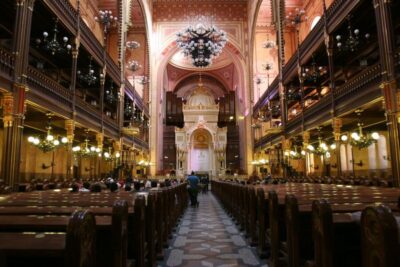
Jewish Heritage Guided Tour with Synagogue Ticket
Read our review →
German tour in the Budapest city centre & the Jewish quarter
Read our review →
Past and Present of Budapest Jewish District Tour
Read our review →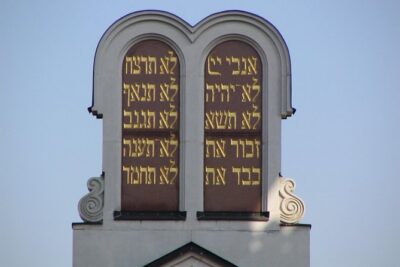
Budapest Dohany Synagogue & Hungarian Jewish Museum & free extras
Read our review →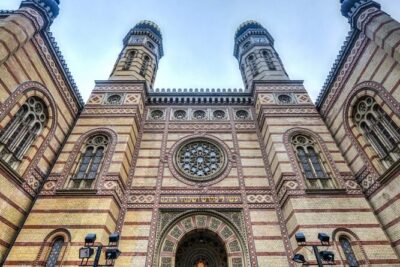
Jewish History Guided Walking Tour with Historian
Read our review →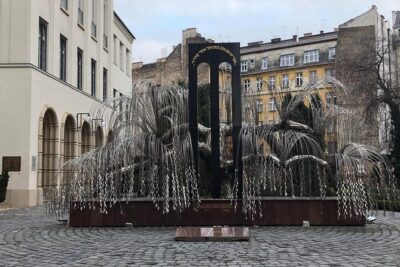
Budapest Dohany, Heroes’, Rumbach synagogues & Jewish Ghetto Tour
Read our review →Browse the lists this tour appears in