
Reviewed · WALKING TOURS
Budapest District 8 Crime and Culture Walking Tour
District 8 is not on most Budapest lists. That is exactly why this walk feels like a smart shortcut away from the postcard routes, with stops around the China Market and the district’s underground music and culture scene. You also get a guided storyline about areas that used to be crime hotspots, now showing up as hip bars, bakeries, and meeting places.
I like two things most. First, the focus on District VIII gives you a real sense of how Budapest’s international community and creative nightlife coexist in the same neighborhood. Second, the guide approach matters here, with Davide described as a fountain of knowledge, not just naming sights but explaining how the neighborhood’s identity shifted over time, including its industrial past and political energy.
One thing to keep in mind: the tour title leans on crime, but you may hear more about the general idea and transformation than specific, case-by-case crime examples. If you want gritty, detailed stories of crimes, this may feel more history and culture-driven than you expect.
In This Review
- Key highlights to expect
- District 8 after the tourist rush: what this tour really shows
- Route basics: Golgota tér to Rákóczi tér, plus smart pacing
- China Market: the international heart of the district
- Underground music and cultural venues: art scenes you can actually walk to
- Former crime hotspots, now bars and bakeries: learning how neighborhoods change
- The guide experience: Davide’s style and why it matters
- Group size, language, and mobile tickets: the logistics that matter
- Price and value: why $34.32 can make sense for this kind of tour
- Who should book this District 8 crime and culture walk
- Practical planning tips before you go
- Should you book this tour?
- FAQ
- How long is the Budapest District 8 Crime and Culture Walking Tour?
- How much does the tour cost?
- Where does the tour start and where does it end?
- Is the tour offered in English?
- Is there an admission ticket fee?
- How big is the group?
- Do I need to print a ticket?
- What is the weather policy?
- Is it refundable if I cancel?
Key highlights to expect
- China Market start point that frames District 8 as Budapest’s international corner
- Underground music and culture venues that show the area’s creative side
- Crime hotspots turned social spaces like bars and bakeries, with the how and why behind the change
- Small group size (max 12) for questions and slower pacing
- A mobile ticket that keeps logistics simple
- English-guided tour that works for most visitors
District 8 after the tourist rush: what this tour really shows
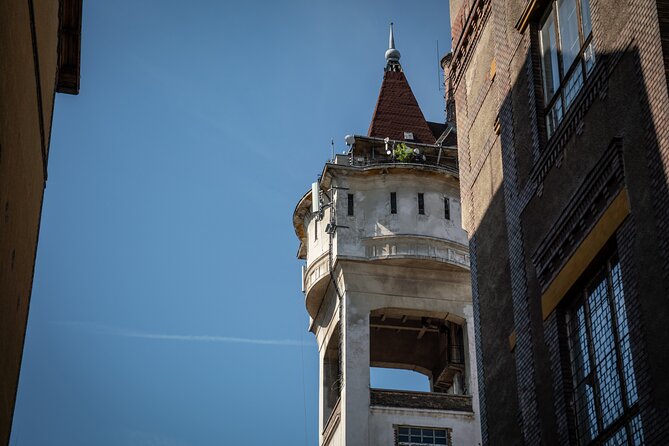
Budapest can feel like two cities. There is the classic, postcard map you plan around, and then there is the daily city, where people actually shop, listen to music, argue about politics, and hang out. This tour puts you in that second zone, in District VIII, where the vibe is less about monuments and more about people and places that keep evolving.
District 8 is often missing from first-time itineraries. That is a shame, because it helps you understand Budapest beyond the big sights. Instead of asking, What building is this? the tour nudges you to ask, Why did this area become what it is now? That shift changes the whole experience.
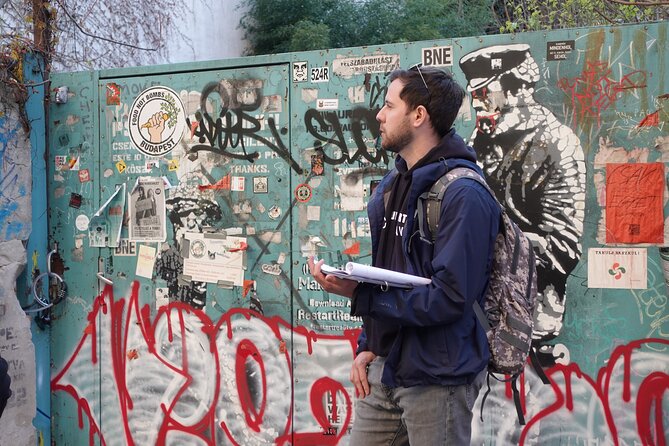
And the best part is that it is not just one theme. You are guided through a mix of the China Market area, underground culture stops, and former problem zones that have been remade into everyday hangouts like bars and bakeries. That combination is how you start seeing a neighborhood as a living system, not a single landmark.
Route basics: Golgota tér to Rákóczi tér, plus smart pacing
The walk starts at Golgota tér, 1089 Hungary and ends at Rákóczi tér in the city center. It runs about 3 hours, so it is long enough to learn the neighborhood story, but short enough that you are not stuck on your feet all day.
The route also has a practical advantage. Ending at Rákóczi tér puts you back where transit is easier and where you can grab a meal or keep exploring afterward. That matters in a city like Budapest, where walking is great but you still want convenient options for getting home or hopping to another district.
Group size stays small, with a maximum of 12 travelers, and that changes the pace. Smaller groups are usually easier for questions. It also means the guide can adjust explanations if people look confused, which is important when you are dealing with neighborhood history and cultural context.
More of the city, bank to bank on foot:
- Budapest: Buda Castle Walk with Saint Stephen’s Hall
★ 4.5 · 3,012 reviews - Big Bus Budapest Hop-On Hop-Off Bus and Walking Tour
★ 3.5 · 2,206 reviews - Budapest: Buda Castle District Walking Tour
★ 4.6 · 2,108 reviews
China Market: the international heart of the district
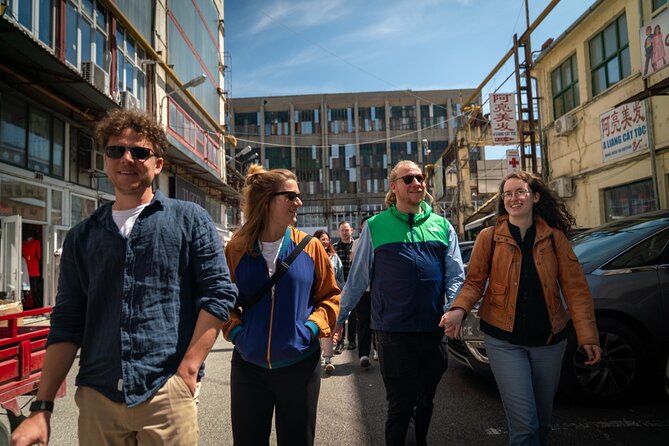
The first stop centers on the China Market, and this is where the tour earns its value quickly. A market like this is not just a shopping scene. It is also a social signal. It tells you who lives nearby, who passes through, and how global connections show up at street level.
When the guide frames the China Market within the bigger District 8 story, you start understanding the neighborhood as a crossroads. The point is not to turn it into trivia. It is to help you read what you see. You will likely notice the mix of everyday activity around the area, and the guide’s background gives it meaning.
This is also a helpful anchor for the rest of the walk. Once you connect the market to the district’s international community, the later stops about culture spaces and transformation feel less random. Everything clicks into a single neighborhood picture.
If you only have limited time in Budapest, this stop is a good reason to choose a specialized tour. It gets you into a part of town that most people would never think to explore first.
Underground music and cultural venues: art scenes you can actually walk to
After the market, the tour moves into the district’s underground music and cultural venues. The wording matters. This is not just about seeing a single performance space. It is about walking through the ecosystem that supports smaller scenes, creative venues, and alternative culture.
This kind of stop is especially valuable because it shows you Budapest’s “music city” side beyond the major halls and obvious tourist entertainment. Underground venues tend to be where local styles grow, where communities gather, and where new scenes test themselves. On a walking tour, you get the advantage of being on the street, not stuck looking at a screen.
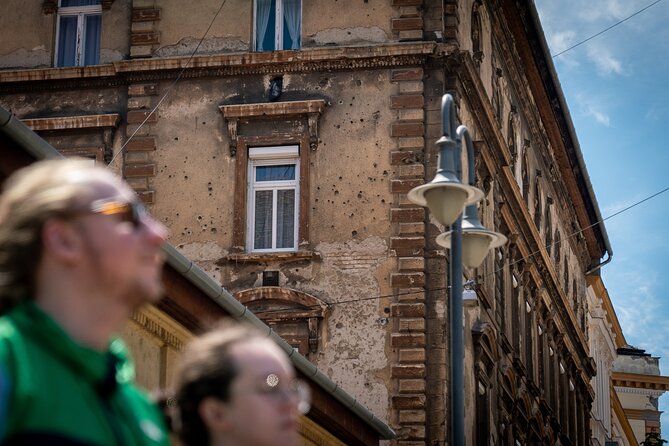
You also get context about the district’s shift over time. The guide ties the present culture scene to what the neighborhood used to be, including the industrial roots and the energy that helped reshape the area. The result is that you leave with a mental map that includes art and music as part of District 8’s identity, not just a random nightlife add-on.
Practical tip: wear comfortable shoes. Underground culture stops are still city blocks, and you will be walking between them. If your feet are happy, your brain can actually absorb the story.
Former crime hotspots, now bars and bakeries: learning how neighborhoods change
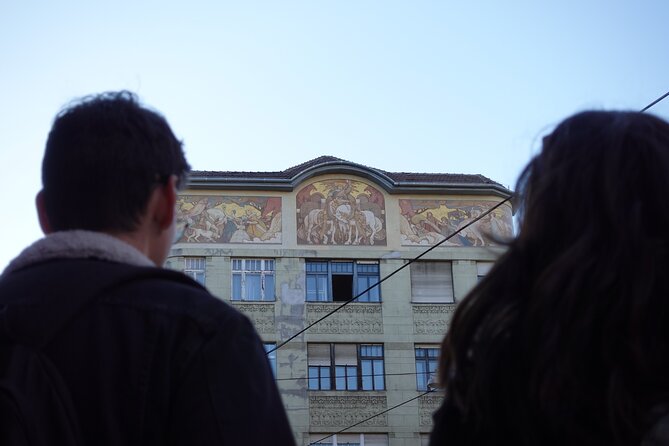
This tour is titled around crime and culture, and the key theme you should expect is transformation. You will visit areas described as former crime hotspots, but the focus is on how those spaces were changed into places that feel current and social, including bars and bakeries.
That framing matters because neighborhoods do not just become “better” overnight. They shift when economics, community, and cultural identity change together. The guide explains how District 8 went from being crime-riddled to becoming a center for art, culture, and political activism.
From the perspective of value, I think this is the most interesting part of the tour. It teaches you how to look at a street and ask what might have happened there historically, then compare it with what you see today. Even if you are not into politics, the idea of political activism shows up as part of how communities rebuild their identity.
One drawback to note again: if you came for a gritty crime story with lots of specific examples, you might leave wanting more direct incidents. The tour appears to handle crime more as context and contrast, which still works well if you want a neighborhood-level understanding.
If you like walking tours that explain why cities evolve, this portion is the heart of the trip.
Still to cross in Budapest
- Budapest: City Highlights Sightseeing Cruise★ 4.6 · 43,981 reviews
- Budapest: Unlimited Prosecco, Beer and Aperol Spritz Cruise★ 4.8 · 37,304 reviews
- Budapest: Széchenyi Spa Day Ticket with Optional Upgrades★ 4.3 · 23,911 reviews
The guide experience: Davide’s style and why it matters
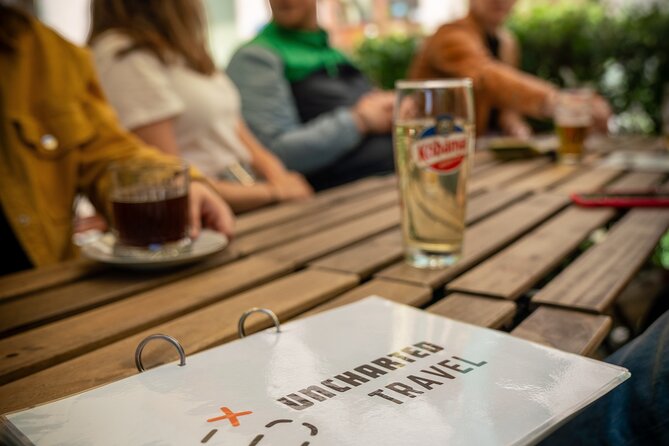
One name showed up in the feedback: Davide. His described approach is a big part of why this tour earns a strong rating. The key detail is that he is not just pointing out sights. He explains the history and the transformation with the kind of clarity that helps you connect different stops.
I like that for two reasons. First, District 8 is not an easy neighborhood to understand just by wandering. The stories are less obvious than the grand architecture in central Budapest. Second, a good guide helps you avoid the common mistake of turning the district into one-note stereotypes.
Davide’s explanation style, based on the feedback, sounds like it supports the tour’s overall promise: you learn the context while you walk. That is why a three-hour tour feels like more than a stroll with a map.
Group size, language, and mobile tickets: the logistics that matter
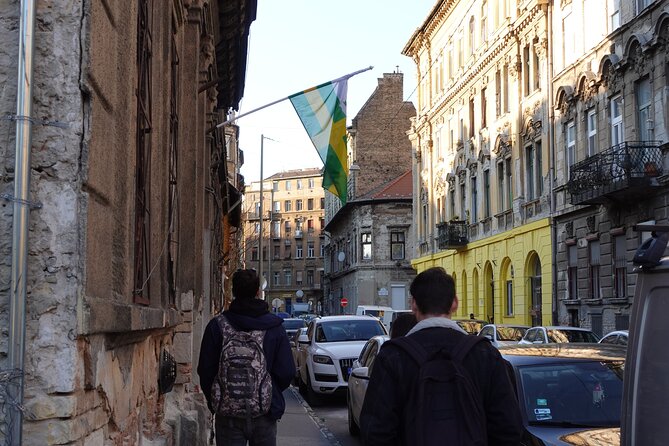
This is offered in English, and the group size is capped at 12 travelers. Those are not just comfort details. They affect the whole experience. A small group means you can ask questions without the guide rushing. English also means you can catch the nuance in the neighborhood history.
The tour uses a mobile ticket, so you do not need to print anything. In real terms, that means less pre-trip stress. You show the ticket from your phone and focus on the walk.
Also, the tour is marked as near public transportation and as suitable for most travelers. It is not pitched as a demanding hike or a long stadium-style endurance event. You can still find yourself walking a fair bit within three hours, so good shoes help, but the overall format feels accessible.
Service animals are allowed too, which is a practical plus if that applies to you.
Price and value: why $34.32 can make sense for this kind of tour
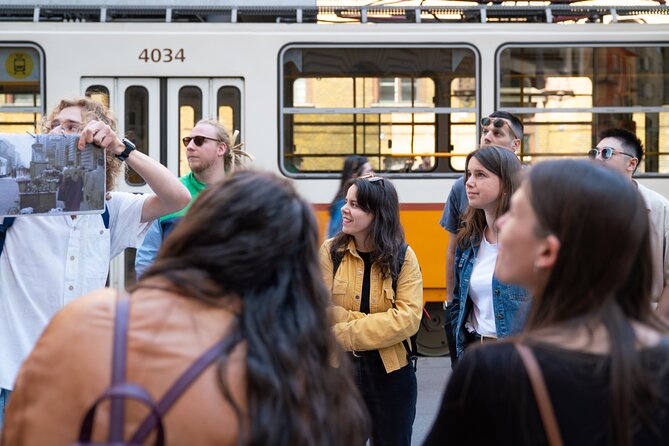
The price is $34.32 per person for about 3 hours. That places it in the category where you should ask, What am I getting for the money?
Here, you are paying for:
- A small-group guided experience (max 12)
- A themed neighborhood story focused on culture and transformation
- Time spent at multiple key stops, not just one photo moment
- No admission ticket fees listed as part of the experience
The “ticket free” detail matters because it reduces surprise costs. You are paying for the guide and the route, not an entry price at each location.
Is it the cheapest thing in Budapest? Probably not, but it does not have to be. For the value, you want the guide to make sense of what you are seeing, and the feedback suggests Davide does exactly that.
This is also a good option for people who want to see Budapest with more texture. If you already plan to hit the big sights, spending money on a neighborhood tour like this can make your whole trip feel more rounded.
Who should book this District 8 crime and culture walk
You should book if you:
- Want to step off the standard Budapest sightseeing path
- Like walking tours that teach you the “why” behind the streets
- Are curious about how cultural scenes, markets, and politics intersect in one district
- Enjoy hearing transformation stories where old problems become new community spaces
You might skip it if you:
- Expect a strictly crime-incident style tour with lots of explicit examples
- Only want architecture and famous monuments, with minimal neighborhood context
It is a great fit for first-time visitors who feel like they need one deeper neighborhood experience. It is also useful for repeat visitors who have seen the big-hitter landmarks and want a different angle on the city.
Practical planning tips before you go
Here are a few things you can do to get more out of the 3-hour format.
1) Plan for good weather. The experience requires good weather. If conditions are rough, the tour may be rescheduled or refunded.
2) Wear shoes you can trust. This is a walking tour, and you are moving between several areas in District 8.
3) Bring your curiosity, not just your camera. A big part of the value is how the guide connects the China Market, underground venues, and transformation story into one message.
4) Arrive ready to ask questions. With up to 12 people, you can often get a more personal explanation when you’re curious about a detail.
Should you book this tour?
My honest take: book it if you want Budapest that feels lived-in. This tour does not chase famous buildings. It teaches you how District 8 became a center for art, culture, and political activism, starting from the China Market and moving through underground venues and transformed social spaces like bars and bakeries.
The best reason to choose it is the neighborhood lens, backed by a guide like Davide who clearly knows how to explain the district, not just point at it. The main reason to hesitate is the crime angle. If you want specific crime stories, you may find the emphasis more on general context and change than on detailed incidents.
If that sounds like your style, this is a strong use of a few hours in Budapest, and a smart way to understand the city beyond the usual map.
FAQ
How long is the Budapest District 8 Crime and Culture Walking Tour?
The tour runs for about 3 hours.
How much does the tour cost?
It costs $34.32 per person.
Where does the tour start and where does it end?
It starts at Golgota tér, 1089 Hungary, and ends at Rákóczi tér in the city centre.
Is the tour offered in English?
Yes, the tour is offered in English.
Is there an admission ticket fee?
The tour notes that admission ticket is free.
How big is the group?
The tour has a maximum of 12 travelers.
Do I need to print a ticket?
No, you get a mobile ticket.
What is the weather policy?
The tour requires good weather. If it is canceled due to poor weather, you will be offered a different date or a full refund.
Is it refundable if I cancel?
This experience is non-refundable and cannot be changed for any reason. If it is canceled due to poor weather or if the minimum number of travelers is not met, you will be offered a different date or a full refund.
The newest crossings added in Budapest






Walking Tours, compared.

Big Bus Budapest Hop-On Hop-Off Bus and Walking Tour
Read our review →
Budapest City Landmarks Walking Tour in 2 Hours
Read our review →
3-Hour Orientation Walking Tour of Buda and Pest
Read our review →

Budapest Historical Sightseeing – Free Walking Tour
Read our review →
Budapest All in One Small Group Walking Tour with Strudel Stop
Read our review →Browse the lists this tour appears in