
Reviewed · CASTLE DISTRICT WALKS & TICKETS
Budapest: Buda Castle Walking Tour & Folk Music Performance
Castle Hill feels alive with one guide. I love the Matthias Church and Fisherman’s Bastion pairing, and I love the ending folk songs and dance that turns facts into something you can feel. One heads-up, monument stops are exterior, so any entry tickets are extra.
Guides matter here, and Kristóf brings the right mix of warmth and structure. You get encouraged to ask questions, and he adds personal touches, including stories about his grandmother. He may also use simple visual aids with before-and-after views to help you understand how Budapest changed over time.
At $58 for 2 to 2.5 hours, this is strong value if you want a guided walk that connects the big landmarks with day-to-day life on Castle Hill. Bring comfortable shoes, because even a short day on the hill involves uneven streets and lots of looking up.
In This Review
- Key highlights to pay attention to
- Starting at Holy Trinity Square, then walking into Castle Hill’s story
- Matthias Church and Fisherman’s Bastion, two icons you’ll understand in context
- Tárnok Street, where old buildings keep changing the visual language
- Buda Castle Royal Palace, plus King Matthias and the wine-fountain detail
- Pest-side viewpoints and the funicular clue for Budapest’s skyline
- Tóth Árpád sétány and the folk music finale that makes the hill feel human
- Price, value, and who this tour fits best
- Should you book this Buda Castle District walking tour with folk music?
- FAQ
- What is the duration of the Budapest Buda Castle walking tour with folk music?
- Where do I meet the guide?
- What is included in the tour price?
- Are monument entry tickets included?
- What language is the tour offered in?
- Does the tour run in bad weather?
Key highlights to pay attention to
- UNESCO Buda Castle District focus, so your walk stays inside the most meaningful area
- Matthias Church plus Fisherman’s Bastion, two icons grouped efficiently
- Tárnok Street architectural mix, with centuries-old fabric and changing styles
- King Matthias stories at Buda Castle, including the Renaissance angle and the granite fountains detail
- Pest-side viewpoints and a funicular reference, so you understand the skyline
- Finish with live Hungarian folk singing and dance steps, led by your guide
Starting at Holy Trinity Square, then walking into Castle Hill’s story
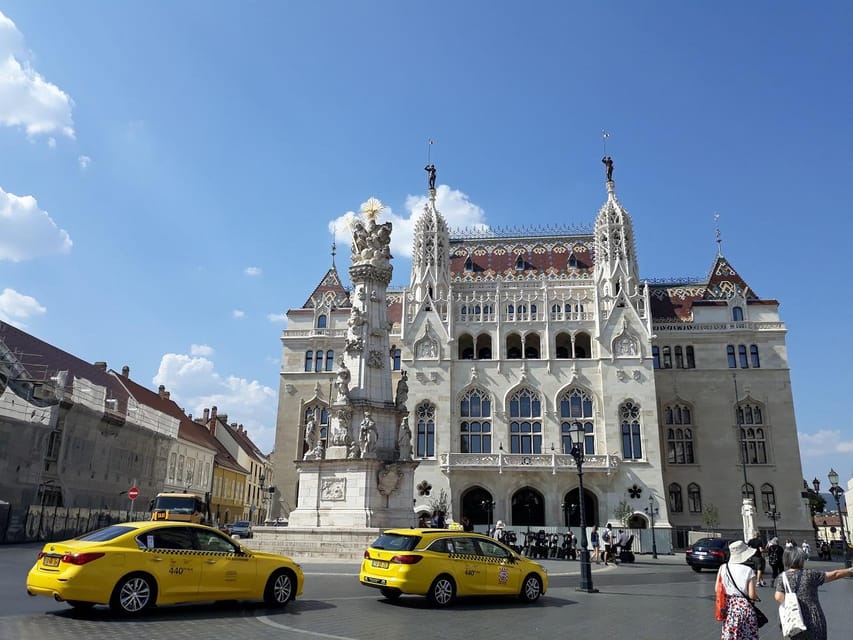
Your tour meets at Szentháromság-szobor in Holy Trinity Square (Szentháromság tér). Look for the guide holding a board with the MAGGINO logo, a dark blue stork with an orange musical note in its beak, plus the MAGGINO name below.
Right away, you get that “this area is layered” feeling. Castle Hill is close enough to explore on foot, but it is not just pretty streets. It’s also the kind of place where the details matter, so a guide helps you notice what you would otherwise miss, like where power sat, how streets evolved, and why certain views are so tied to Budapest’s identity.
Practical tip: wear comfortable shoes and dress for weather. The tour runs in all weather conditions, so you’ll want clothing that works if it’s windy on the hill or drizzly near the viewpoints. And yes, you should bring water, because even a short walk adds up when you stop often for stories and photos.
Matthias Church and Fisherman’s Bastion, two icons you’ll understand in context
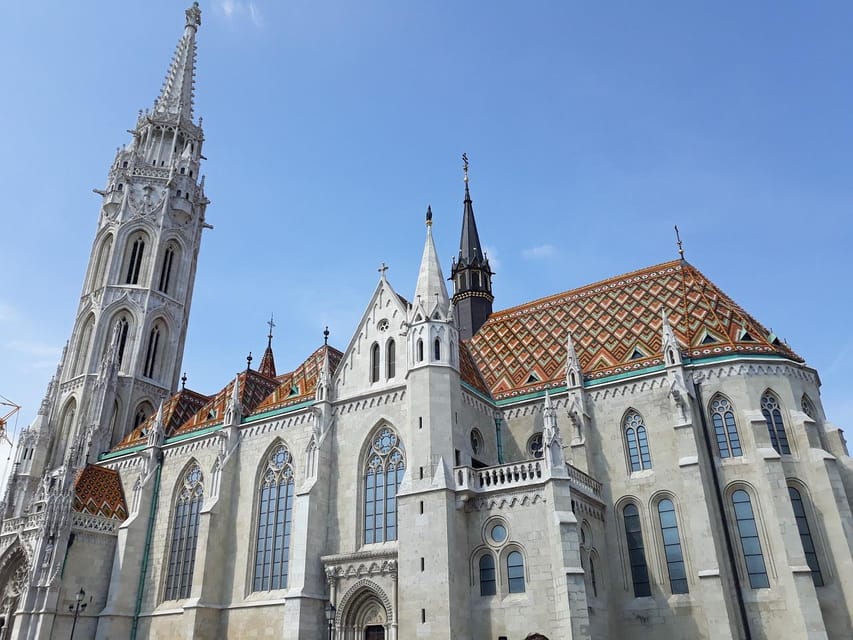
The walk brings you first toward Matthias Church, one of the district’s headline landmarks. You’ll see it in a way that’s more than postcard photography, with stories that connect the church’s importance to the broader life of the hill.
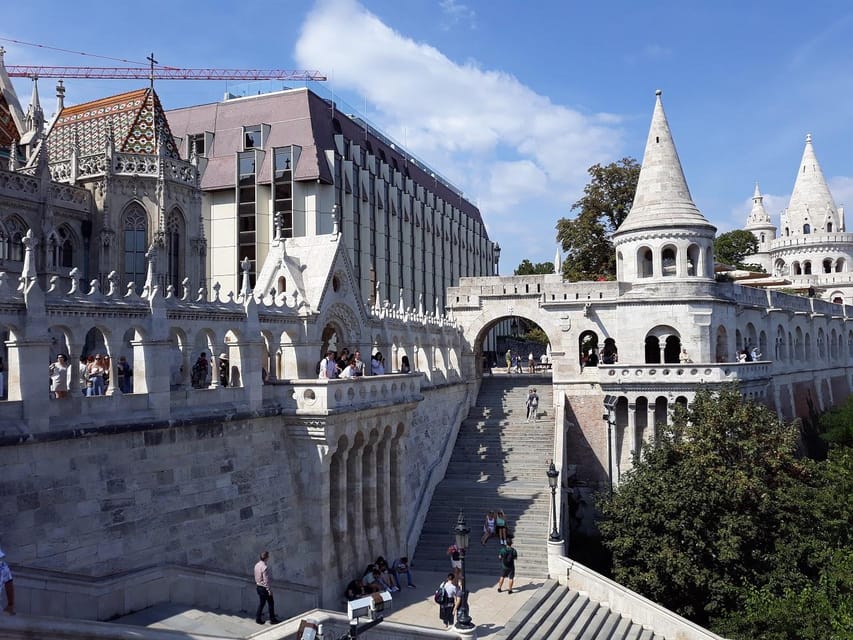
Then you move on to Fisherman’s Bastion, also in the same “must-see” circle of the Buda Castle District. The big advantage of pairing these two stops is that they give you a fuller sense of why people come here: it’s religious and royal, scenic and symbolic.
Here’s what I like about how this kind of pairing works for you. If you visit Matthias Church first with no context, it can feel like a standalone landmark. With a guide, you start linking the site to who shaped the city and what that meant culturally. And when you reach Fisherman’s Bastion, you’re already thinking in themes, not just checking off photos.
Time-wise, this early segment stays reasonable. You spend about 20 minutes walking to Matthias Church and about 15 minutes walking on to Fisherman’s Bastion, which helps you avoid the “stuck on a long uphill slog” feeling.
One consideration: this is an exterior-focused experience, so plan for seeing the monuments from the outside. If you want interiors, you’ll need separate entry tickets.
More of Castle Hill, cobble by cobble:
- Budapest: Buda Castle Cave Tour
★ 4.7 · 5,677 reviews - Budapest: Buda Castle District Vampires and Myths Night Tour
★ 4.6 · 3,830 reviews - Budapest: Buda Castle Walk with Saint Stephen’s Hall
★ 4.5 · 3,012 reviews
Tárnok Street, where old buildings keep changing the visual language
Next you head to Tárnok Street, and this stop is all about atmosphere. The guide points out a street where you can spot many architectural styles that developed in Hungary through the end of the 19th century, and the route includes nearly five hundred years old building parts.
What makes Tárnok Street special is how quickly the street teaches you to read time in stone and façade. You’ll see how different eras “talk” to each other: details from older structures show through, and later styles layer on top. Even if you’re not a history person, this is one of those walks where your brain starts doing the work naturally. You start to look for patterns, not just pretty buildings.
Also, Tárnok Street is a good pace reset. After the big monument moments, this stretch slows down into a more human scale. You get a sense of what it would feel like to live and move through Castle Hill across centuries, not just to visit it for an hour.
Practical tip: bring your camera, but also take a minute to step back and look down the street. The geometry and repeated façade lines help you see why the hill feels compact but endlessly interesting.
Buda Castle Royal Palace, plus King Matthias and the wine-fountain detail
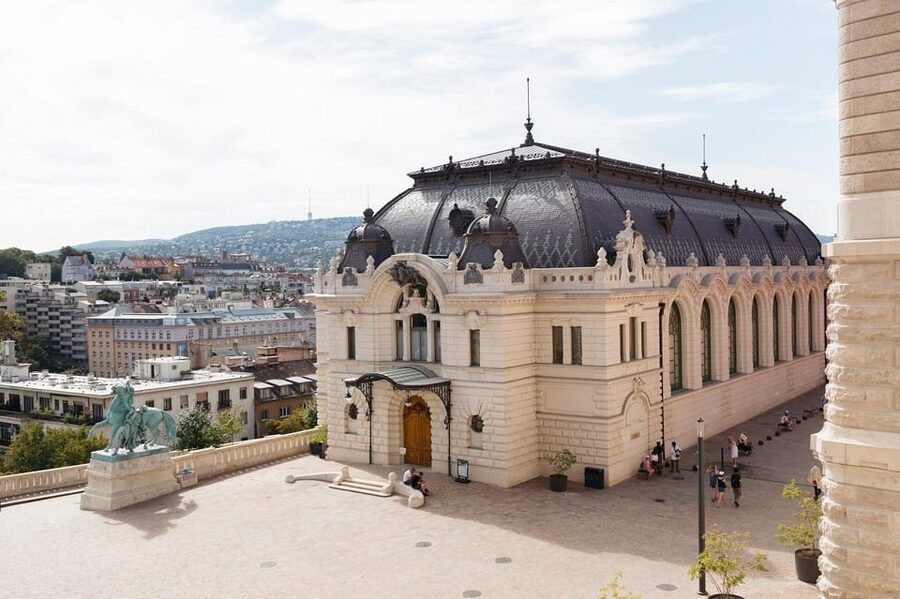
You then reach the Royal Buda Palace, more commonly called Buda Castle. This is the “royal seat” part of the story, the place that served as the center for Hungarian rulers across the centuries.
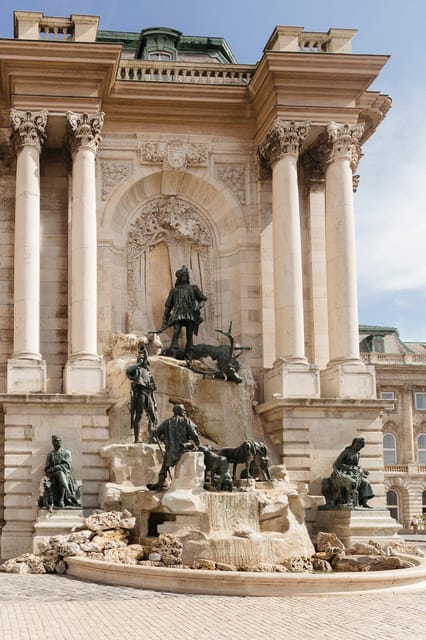
What I like is the way the guide frames it around a key figure: King Matthias. You’ll hear how he helped turn Buda Castle into a center for Renaissance culture in Europe. It’s not just names and dates. The tour includes vivid, memorable details, like the story of granite fountains that bubbled with wine, which gives you an instant mental image of how court life tried to impress.
You also get help linking architecture to power. When you understand that a site like this was designed to project authority and taste, the visual choices start to make sense. Where you look, what feels formal, what feels ceremonial, all of it becomes clearer when someone explains the why.
The route around this area includes scenic views while you walk. You spend about 50 minutes walking and taking in the Buda Castle section, which is long enough for real storytelling, but not so long that you feel stuck.
One more practical note: if you care about interiors, remember the tour is exterior visits. Entry tickets are not included, so you’ll be planning those separately if that’s your style.
Pest-side viewpoints and the funicular clue for Budapest’s skyline
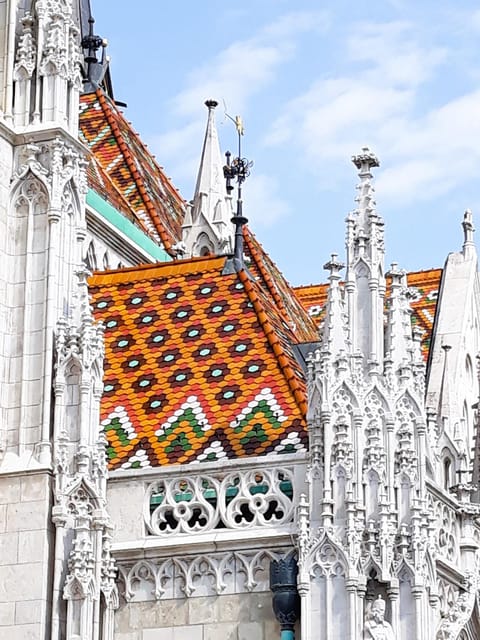
As you move through the hilltop areas, you’ll also see major governmental buildings and you’ll get directed toward a spot with breathtaking views on the Pest side of the city.
This is where the tour becomes extra useful for you, because Budapest is a “two sides” city, and a hill like this makes that obvious. From here you understand the relationship between the river, the lower city, and the way the city’s older layers connect visually.
The guide also points out the second funicular built in Europe. That detail matters because it’s not random trivia. It helps you picture how people solved the practical problem of moving up and down this steep geography, and it turns the skyline into a story of movement, not just a view.
Time in this section stays manageable. You cover about 15 minutes in the Tóth Árpád sétány area, which is designed for those scenic pauses. If you’re the type who likes photos, this is a great spot to slow down, because it’s the sort of view that improves with time and light changes.
Consideration: viewpoints can get windy. If it’s cold or breezy, you’ll want a layer you can put on quickly while you wait for the best photo angle.
More of the city, bank to bank on foot:
- Big Bus Budapest Hop-On Hop-Off Bus and Walking Tour★ 3.5 · 2,206 reviews
- Budapest: Buda Castle District Walking Tour★ 4.6 · 2,108 reviews
- Budapest City Landmarks Walking Tour in 2 Hours★ 5.0 · 2,048 reviews
Tóth Árpád sétány and the folk music finale that makes the hill feel human
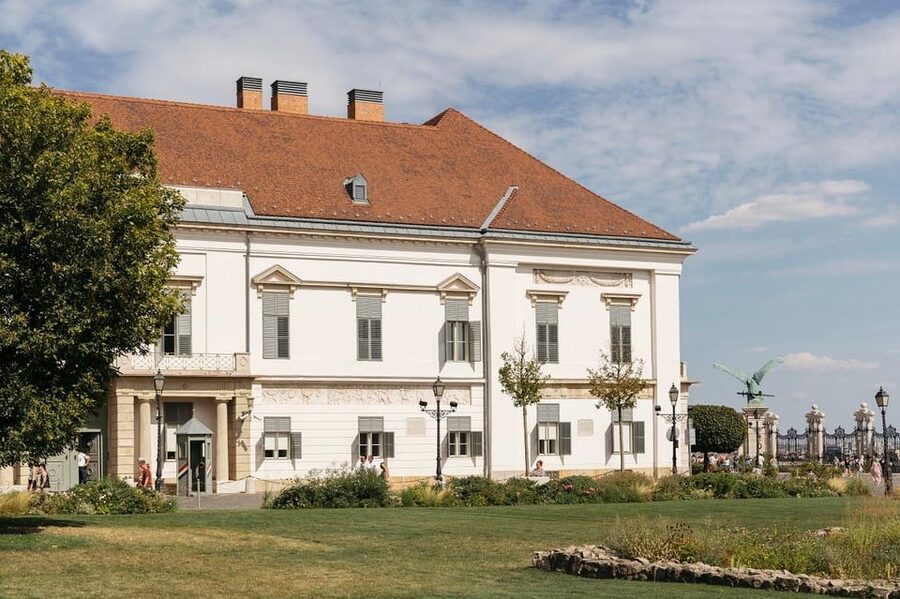
The tour ends with a very Hungarian twist. After the main monument highlights and viewpoints, you finish with Tóth Árpád sétány and then the experience wraps up in a way that’s different from most walking tours: your guide delivers a Hungarian folk music performance.
This is not just background music. The guide sings beautiful Hungarian folk songs and demonstrates traditional folk dance steps. The payoff is that you leave with sound and motion attached to what you just saw. When you hear a song tied to regional traditions right after learning about kings, courts, and old streets, the whole area feels less like museum scenery and more like living culture.
If you want a bit more “why it works,” here’s my take: the folk performance is a memory hook. You can remember a building after a photo, sure. But singing and dance give you something to recall emotionally, and that emotion makes the history feel more personal.
The guide style matters too. Kristóf is described as especially warm and encouraging, with a constant smile and an approachable way of sharing. In practice, that means you’re not just watching. You’re invited into the moment, and the dance steps are something you can try if you feel comfortable.
If you’re visiting Budapest mainly for landmark photos, this finale may surprise you. If you like culture and storytelling, it’s the part you’ll remember on repeat.
Price, value, and who this tour fits best
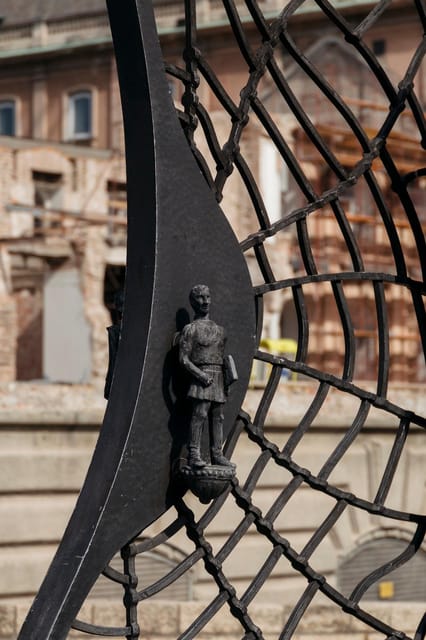
At $58 per person for about 2 to 2.5 hours, this tour is priced like a guided experience, not a quick self-walk. You’re paying for two things that are hard to replicate on your own: (1) a licensed, English-speaking Hungarian guide who connects the sites with clear stories and (2) an actual end-of-tour folk performance led by the guide.
You also get good time management. Monument districts can eat hours. Here, the route focuses on the biggest recognizables, then fills in the in-between details like Tárnok Street and the viewpoint logic on the Pest side.
This tour is especially worth it if you:
- Want Buda Castle District landmarks without having to figure everything out yourself
- Enjoy guides who answer questions and keep the tone interactive
- Like culture that goes beyond facts, including live singing and dance steps
It’s less ideal if you:
- Only care about entering monuments and want interior access included
- Are very sensitive to weather and prefer indoor activities when it’s windy or rainy
Should you book this Buda Castle District walking tour with folk music?
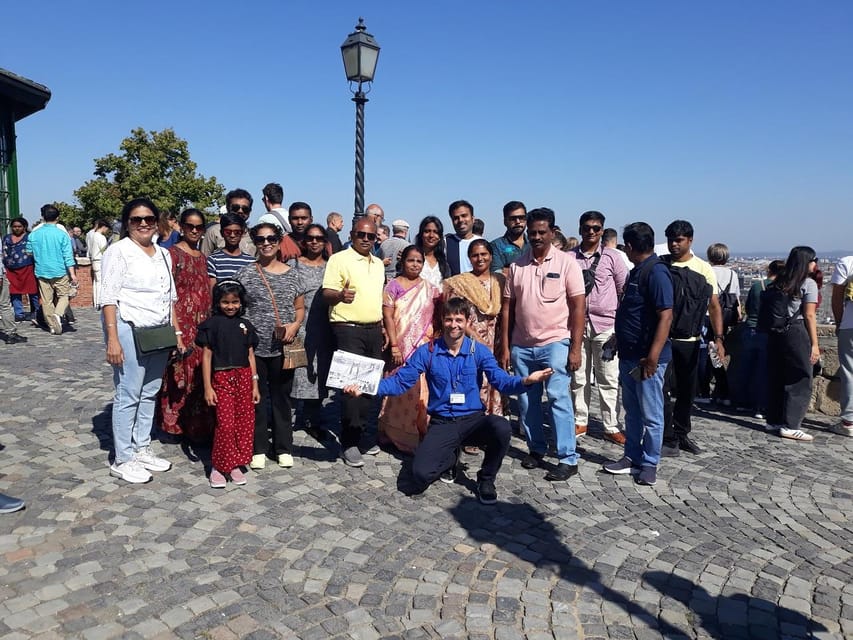
If you want a guided walk that connects Matthias Church, Fisherman’s Bastion, Buda Castle, and the Pest-side viewpoints into a single story, I’d book it. The best reason is simple: the walk is built to teach you how to look, and the folk performance is built to help you remember what you learned.
I’d skip it only if you’re chasing interior tickets and don’t want to do the exterior-first approach. Otherwise, this is a strong choice for first-timers to Budapest and for repeat visitors who want a more personal, Hungarian ending to the day.
FAQ
What is the duration of the Budapest Buda Castle walking tour with folk music?
The tour lasts about 2 to 2.5 hours.
Where do I meet the guide?
You meet in front of the Holy Trinity Statue (Szentháromság-szobor) at Holy Trinity Square (Szentháromság tér).
What is included in the tour price?
You get a professional guided walking tour by a licensed Hungarian guide, exterior visits of monuments, and a Hungarian folk music performance made by your guide.
Are monument entry tickets included?
No. Entry tickets to the visited monuments are not included.
What language is the tour offered in?
The tour is offered in English.
Does the tour run in bad weather?
Yes, the tour operates in all weather conditions, so wear weather-appropriate clothing and bring comfortable shoes.
The newest crossings added in Budapest






Castle District Walks & Tickets, compared.
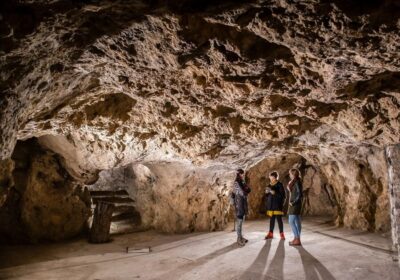

Buda Castle District Vampires and Myths Night Tour
Read our review →
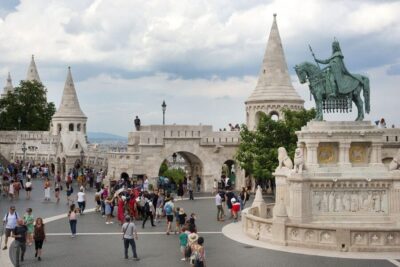
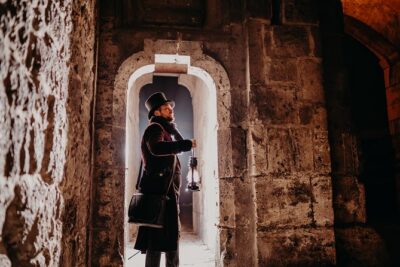
Buda Castle District Dark History, Legends and Vampire Night Tour
Read our review →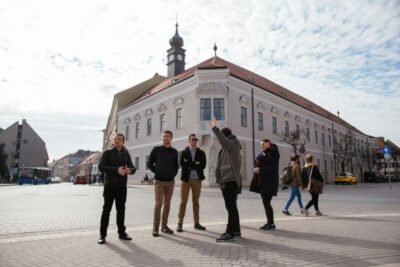
Buda Castle District Walking Tour with a Historian
Read our review →

Walking tour in the Buda Castle incl. Fisherman’s Bastion
Read our review →Browse the lists this tour appears in