
Reviewed · CASTLE DISTRICT WALKS & TICKETS
German guided tour through Budapest’s castle district
Budapest’s Castle District rewards slow strolling. This German guided walk strings together the big names of Old Town Buda with clear, street-level context.
What I like most is the combination of iconic sights and the stories that connect them, especially around the Matthias Church area and the former royal government zone. The only real drawback to note is simple: you are seeing everything from the outside, so you will not get interior time in churches or palaces.
In This Review
- Key highlights worth planning for
- Castle District on foot, and why it works
- Meeting at the Mária Magdolna Tower area near Vienna Gate
- Mary Magdalene Tower to Ruszwurm, the old-town mood in two stops
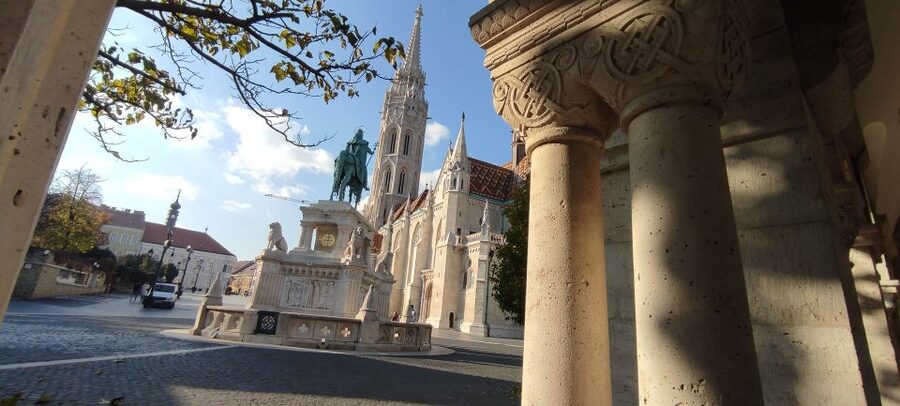
- Matthias Church, medieval Buda at street level
- Fisherman’s Bastion, viewpoints explained as history
- Buda Castle Caves, a small stop with a specific curiosity
- Sándor Palace and the walk through former power corridors
- Funicular views and the Royal Castle section
- Finishing near Mátyás-kút, and what to do next
- Price and value: what $23 really buys you
- The real star: Gábor Glasner and how he guides
- Practical tips so you get the most out of the walk
- Who should book this German Castle District tour
- Should you book this Budapest Castle District walk?
- FAQ
- How long is the Budapest Castle District guided walking tour?
- How much does the tour cost?
- What language is the tour in?
- Where do I meet the guide?
- Are entrance fees included?
- What is included in the price besides the guide?
- Is the tour wheelchair accessible?
Key highlights worth planning for
- German commentary that turns landmarks into a timeline, not just photo stops
- Outside-only route focused on views, facades, and street scenes (no entrance tickets)
- Matthias Church and Fisherman’s Bastion with excellent lookout angles from the walk
- Ruszwurm Confectionery stop that anchors the old-town feel
- Castle Hill details like the funicular and the Royal Stables area, explained in context
- A finish near Mátyás-kút, so the tour wraps up in the heart of Castle District activity
Castle District on foot, and why it works
If you only do Castle District from viewpoints, you miss the rhythm of the place. This is a walking tour designed to help you connect dots: the cobblestone lanes, the changing architecture styles, and the way power moved through Buda over centuries. It is also one of the easiest ways to get oriented. You start with landmarks that give you a mental map, then keep walking until the whole hill starts to make sense.
I also like the pace. Two hours is short enough that it does not feel like a slog, but long enough that you get real flow between stops. And because the tour is outside-only, you spend your time where Castle District is strongest, on the streets and terraces where you can actually see what makes these buildings famous.
One more value point: included digital guides. You get a Budapest Restaurant guide and a Money Saver & Guide in digital format. That is handy after the walk, when you are hungry and want local ideas without spending time hunting.
Meeting at the Mária Magdolna Tower area near Vienna Gate
Your tour begins at the entrance of Mária Magdolna Torony, in the Castle District, near the Vienna Gate area. This matters more than it sounds. If you start too deep into the hilltop maze, you waste your first minutes just figuring out where to stand and what direction you are facing.
From the start, you are set up for photos and quick orientation. Vienna Gate is a strong “arrival point” because it puts you right in the historic core. Then you move through the old lanes with a guide pointing out what to notice. Expect small, efficient walking segments between stops, not long, tiring stretches with nothing to see.
Also, plan for the basics. Comfortable shoes are a must. Castle District cobblestones and uneven areas can be harder than they look on a map, and this tour does not slow down just because the ground is old.
More of Castle Hill, cobble by cobble:
- Budapest: Buda Castle Cave Tour
★ 4.7 · 5,677 reviews - Budapest: Buda Castle District Vampires and Myths Night Tour
★ 4.6 · 3,830 reviews - Budapest: Buda Castle Walk with Saint Stephen’s Hall
★ 4.5 · 3,012 reviews
Mary Magdalene Tower to Ruszwurm, the old-town mood in two stops
Right after Vienna Gate, you get to Mary Magdalene Tower. This is a classic Castle District skyline moment, a spot where the surrounding architecture reads better once you stand near it. Your guide uses the view to explain the bigger story of how this area developed and why it looks the way it does today.
Then the tour slips from big monuments into everyday history with a stop at Ruszwurm Confectionery. This is more than a sugary break. The point is how the old town still carries living traditions, not just museum facades. Ruszwurm is known for being one of Europe’s oldest pastry shops, so it is a neat contrast to the political and church-heavy stops that follow.
Even if you do not buy anything, you get a feel for how the district works as a real place. It is still streets, shops, and daily life wrapped around major landmarks. That balance is exactly why I like this kind of walk.
Matthias Church, medieval Buda at street level
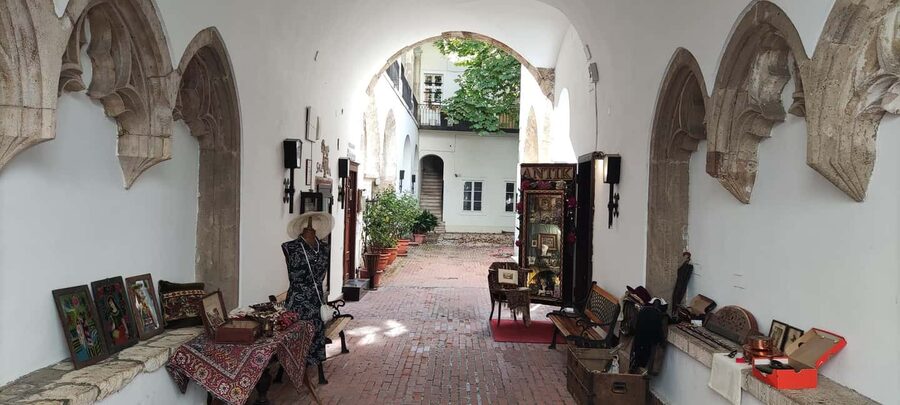
Matthias Church is one of the headline sights, and it earns that status. It is described as the second largest church of medieval Buda, and your guide makes sure you understand what you are looking at rather than just pointing and moving on.
You also get a photo stop here. That is important on this tour because you are not going inside. So the guide’s job is to help you look with purpose. You will likely find yourself noticing details you would otherwise miss, such as how the church’s prominence fits into the district’s religious and political history.
The practical upside: you can enjoy the church without ticket time. If you are trying to keep your day efficient, this tour is a good way to add a major church highlight without spending energy on logistics. The tradeoff is just what it says on the tin, you are appreciating from the outside.
Fisherman’s Bastion, viewpoints explained as history

Next comes Fisherman’s Bastion, another big-name stop where your guide turns the view into context. The bastion is famous for its terrace perspectives and its “storybook” appearance, but the stronger value here is the way the tour frames it within Budapest’s Castle District story.
This stop is short on walking time, but it is built for photos. You are given a quick window to take in the overlooks and align your expectations with what Budapest looks like from up on the hill.
If you are the type who likes pictures, this is where your camera will earn its keep. You are positioned to see the city in a way that matches the architecture theme the tour has been building. And because the route keeps moving, you do not end up stuck too long in one spot while the rest of the district passes you by.
Still to cross in Budapest
- Budapest: City Highlights Sightseeing Cruise★ 4.6 · 43,981 reviews
- Budapest: Unlimited Prosecco, Beer and Aperol Spritz Cruise★ 4.8 · 37,304 reviews
- Budapest: Széchenyi Spa Day Ticket with Optional Upgrades★ 4.3 · 23,911 reviews
Buda Castle Caves, a small stop with a specific curiosity

The tour includes a guided visit around the Buda Castle Caves. This is one of those stops that can feel offbeat compared with the usual church and palace route. That is exactly why it works. Castle District history is not only about rulers and grand buildings. It is also about the hill itself, its structure, and the features that shaped what could be built where.
The timing is brief, so do not expect a long, slow wander. But you get enough attention from the guide to understand what role the cave area plays in the broader castle setting. If you like your tours to include at least one slightly unusual element, this stop helps the itinerary feel complete instead of repetitive.
Sándor Palace and the walk through former power corridors

As you move deeper into the Castle District, the tour shifts emphasis to the former royal and government areas. You pass buildings that once housed government offices and ministries, and you get a sense of how the district functioned as a center of power.
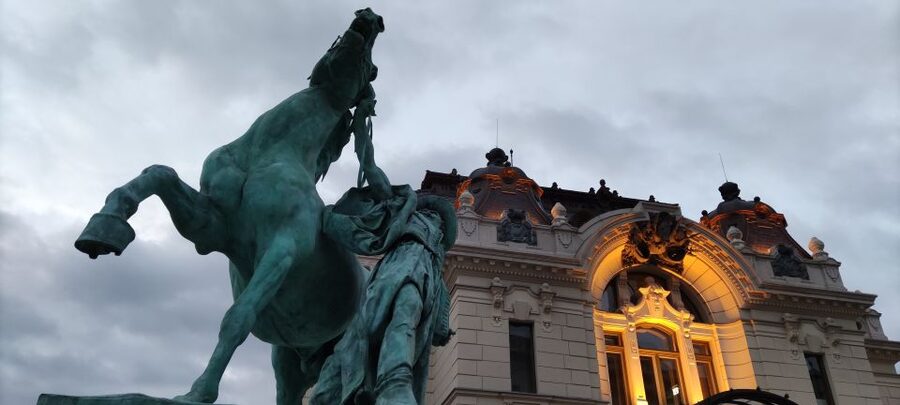
Sándor Palace is one of the named stops. You will see it from the outside, and the guide helps connect the palace architecture to the wider theme of changing authority and political eras. I like this part of the tour because it is less about taking in one famous facade and more about understanding how the area worked as a whole.
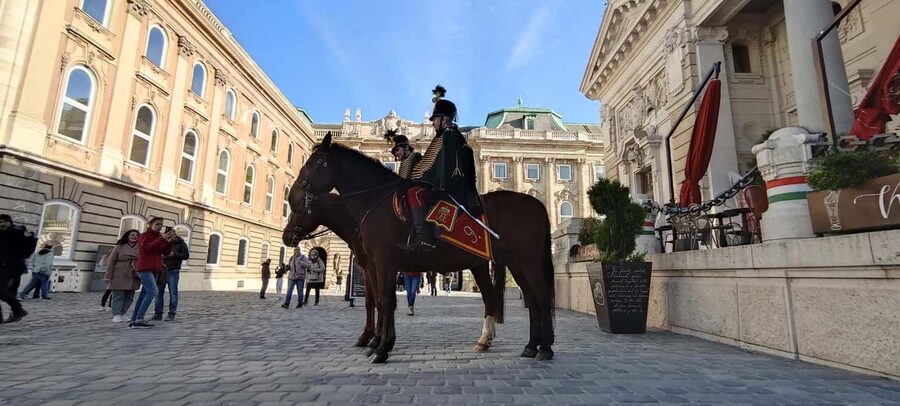
You also get a look at the Royal Stables area. That detail matters because it reminds you this was not only about ceremonial buildings. Stable buildings connect to the daily mechanics of court life. Even from outside, it helps the district feel practical, not just grand.
Funicular views and the Royal Castle section
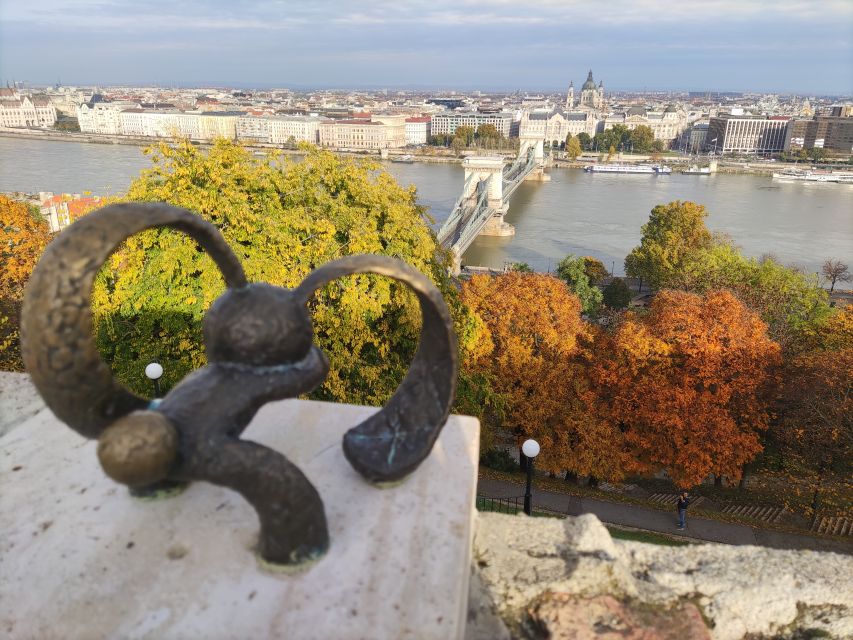
Another helpful element is the Castle Hill funicular glimpse. You are not riding it here, but you get enough of it in sight to understand how people moved between levels of the hill. On your own, this helps you plan the rest of your day. Once you see the funicular location, you stop guessing and start navigating.
Then the route brings you toward the Buda Castle area, including photo time and guided context around the old castle structures. The former Royal Castle gets highlighted as a major part of the district, with the architecture described as striking in its Baroque character. That description matters. If you have only seen the outside silhouette from far away, standing closer helps you see how the style changes the feel of the entire hill.
Again, you are staying outside. That is a drawback if you hoped for interior rooms. But it is also a strength if your goal is to cover more ground and keep your timing under control.
Finishing near Mátyás-kút, and what to do next
The tour wraps up at Mátyás-kút. Finishing in the middle of Castle District is a smart choice because you do not end up far from everything interesting. You are still in the zone where you can keep walking, grab a snack, or connect to other points around the hill.
If you have energy afterward, you can turn the walk into a loop. The mental map the guide builds helps you decide what to revisit on your own. For example, if Fisherman’s Bastion grabbed you, you will know where to aim your next photo. If you were more into the palace and government story, you can explore nearby streets with better direction.
And if you are hungry, the included Budapest Restaurant guide is the kind of bonus that actually helps. It is easier to choose where to eat right after you understand the area.
Price and value: what $23 really buys you
At about $23 per person for roughly two hours, the value is strongest when you care about guided context and efficient coverage. You are not paying for entry tickets. Entrance fees are not included because you are not going inside buildings. So this price mainly covers live guiding, a structured route, and the mental sorting of what you are seeing.
You also get small or medium-sized group advantages. Smaller groups usually mean you can hear the guide more clearly and ask quick questions without the tour feeling like a moving conveyor belt. Based on the guide feedback, Gábor Glasner also tends to spend real time explaining, not just marching past stops.
If you are traveling with someone who enjoys history but not long museum stops, this hits the sweet spot. You get the story with visual anchors, then you can choose your own pace afterward.
The real star: Gábor Glasner and how he guides
Gábor Glasner is the named provider in the guide info, and the strongest praise centers on his German and his willingness to take time. People highlight how he explains details clearly and how the tour feels tailored, including situations where the group is small enough for more direct attention.
That matters for you because Castle District can otherwise become a photo scavenger hunt. A good guide prevents that. When your guide clearly links Matthias Church, the bastion viewpoints, and the former royal district buildings, you come away with a coherent story instead of disconnected snapshots.
It is also worth noting that the tour is live German-language. If you understand German well enough to follow historical threads, you will get more out of every stop. If you do not, you can still enjoy the visuals, but you will rely more on your own reading and less on the guided narrative.
Practical tips so you get the most out of the walk
A few things will make this tour smoother:
- Wear comfortable shoes, because the district includes cobblestone streets and uneven walking surfaces.
- Bring something for photos. The route includes photo stops at several major sights.
- Go with realistic expectations: this is outside viewing only. Entrance fees are not part of the experience.
- Plan for language. The tour is in German, so consider bringing a translation app if you need it.
If you like your sightseeing guided but flexible, this tour’s format is designed for that. It gives you enough structure to learn quickly, but it does not lock you into long indoor delays.
Who should book this German Castle District tour
Book it if you want a high-signal overview of Castle District highlights in a short time window. It is ideal if you like walking tours that connect buildings to a timeline and you want outside views of top sights without the hassle of multiple ticket lines.
It is also a strong choice for couples and small groups who want personal guidance. The guide is praised for taking time, and small group size generally supports that.
Skip it if you want interior access. Since you are not going inside, you will not get the payoff of exploring the inside of Matthias Church or moving through palace rooms. Also skip if you need wheelchair accessibility, since it is not suitable for wheelchair users.
Should you book this Budapest Castle District walk?
I would book this tour if your priority is understanding Castle District fast, seeing the big icons from smart outside positions, and leaving with a clearer sense of how the hill functioned historically. At $23 for about two hours, it is priced for value, especially since entrance fees are not included and the emphasis is on live guiding.
You should reconsider if you only travel for interiors and planned indoor sites. This tour is about facades, views, and street-level context. If that matches your style, it is a great way to start or anchor your Castle District day.
FAQ
How long is the Budapest Castle District guided walking tour?
The tour lasts 2 hours.
How much does the tour cost?
It costs $23 per person.
What language is the tour in?
The tour is in German, with a live guide.
Where do I meet the guide?
Meet your guide near the entrance of the tower, at the Mária Magdolna Torony area in the Castle District (near Vienna Gate).
Are entrance fees included?
No. The sights are viewed from the outside only, so entrance fees are not included.
What is included in the price besides the guide?
You get live German-language guiding, plus two digital downloads: a Budapest Restaurant guide and a Budapest Money Saver & Guide. The group is small or medium-sized.
Is the tour wheelchair accessible?
No, it is not suitable for wheelchair users.
The newest crossings added in Budapest






Castle District Walks & Tickets, compared.

Buda Castle District Vampires and Myths Night Tour
Read our review →
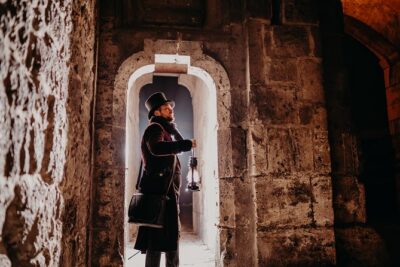
Buda Castle District Dark History, Legends and Vampire Night Tour
Read our review →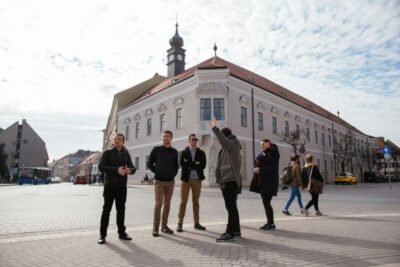
Buda Castle District Walking Tour with a Historian
Read our review →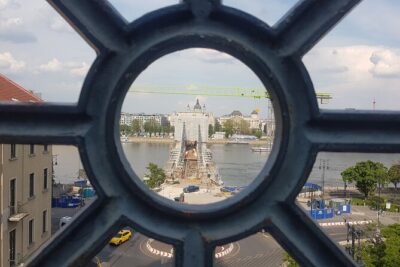
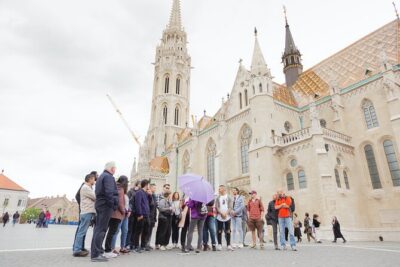
Walking tour in the Buda Castle incl. Fisherman’s Bastion
Read our review →Browse the lists this tour appears in