There are castles and then there are Transylvania castles. This 4-day trip from Budapest strings together the region’s biggest hitters, with guided stops at gothic Corvin Castle, Dracula-linked Bran Castle, medieval Sighisoara, and the underground wonder of Salina Turda, all backed by an expert guide who explains the why behind the scenery.
What I really like is the mix of UNESCO fortified churches plus major “wow” sites like Corvin Castle and Bran Castle. You also get a built-in plan for authentic Romanian meals, helped by restaurant picks from the guide Sergiu, so you’re not just eating whatever is convenient.
One possible drawback: the route is packed with multiple stops across several towns, so it’s not the kind of trip where you can slow down and linger all day in just one place. If you like lots of downtime, you might feel the pace.
In This Review
- Key highlights you should care about
- Why Transylvania feels different on a short 4-day route
- Budapest to Corvin Castle: gothic grandeur and clear explanations
- UNESCO Calnic Fortress: fortified churches and real defensive thinking
- Sibiu Old Town and a practical dinner plan
- Carta Monastery ruins and a pop-culture bonus
- Bran Castle: Dracula’s Castle, and how to keep it real
- Brasov Old Town and the Black Church
- Viscri fortified church: UNESCO again, plus the royal connection
- Sighisoara: colorful old houses and a last inhabited fort feel
- Salina Turda salt mine: 120 meters underground
- Alba Iulia: Romania’s unification story inside a star-shaped fortress
- Price and value: what you’re paying for
- Who this tour fits best
- Should you book Discover Transylvania from Budapest?
- FAQ
- What time does the tour start?
- Is there pickup included?
- What is included in the tour price?
- Are lunch and dinner included?
- Which major attractions are visited during the trip?
- Is this a private tour?
- Can I cancel and get a full refund?
Key highlights you should care about
- A history-first guide: You get more than photo stops, with context on Transylvanian history and culture throughout the route.
- UNESCO fortified sites: Calnic, Viscri, and other fortified churches show how these communities protected themselves.
- The Dracula connection, explained: Bran Castle is treated as a legend you can place in a broader historical story.
- Sighisoara’s living medieval core: Colorful old streets and a medieval fort feel very different from most “castle towns.”
- Salina Turda underground: 120 meters down, the salt mine turns a day trip into a memorable switch of environments.
- Sergiu’s restaurant choices: Authentic, solid food options can make the long driving days easier to swallow.
Why Transylvania feels different on a short 4-day route
Transylvania can feel like a whole world, but when you only have a few days, you need the right checklist. This tour is built around that idea. You’re not just visiting one castle and calling it a day. You’re moving between fortified churches, Saxon-era town life, and famous strongholds that helped shape the region’s identity.
I like that the guiding approach is story-driven. At stops like Corvin Castle and the fortified churches, the key value is understanding what you’re looking at, who built it, and why. With the legends in play, like Dracula’s Castle, the guide’s job is to connect the myth to the historical setting so it feels grounded rather than random.
The pacing does mean you’ll be active each day. But because you’re getting guided structure, it also means you spend less time figuring out what’s worth your time once you arrive in a new town.
Budapest to Corvin Castle: gothic grandeur and clear explanations
Your day begins in Transylvania with a first major anchor: Castelul Corvinilor, also known as Corvin Castle. This is one of the most impressive gothic castles in Eastern Europe, and the timing is smart. You’re starting strong, with time to absorb the architecture before the rest of the day stacks even more sights.
What makes this stop work well is the focus on history and attribution, not just big walls. You’ll hear who built the fortress and how Transylvania’s power story played out through stone and fortification. If you like architecture, you’ll get enough to keep it interesting. If you’re more of a “tell me what this place meant” traveler, you’ll still walk away with a sense of purpose instead of just a collection of angles for photos.
Possible snag: castles attract crowds at popular hours in general. You can’t control crowds on a group schedule, but starting earlier in the day generally helps you get your best viewing time.
Still to cross in Budapest
- Budapest: City Highlights Sightseeing Cruise
★ 4.6 · 43,981 reviews - Budapest: Unlimited Prosecco, Beer and Aperol Spritz Cruise
★ 4.8 · 37,304 reviews - Budapest: Széchenyi Spa Day Ticket with Optional Upgrades
★ 4.3 · 23,911 reviews
UNESCO Calnic Fortress: fortified churches and real defensive thinking
After Corvin Castle, the itinerary turns to Calnic Fortress, one of the UNESCO fortified churches of Transylvania. This is the kind of stop that can surprise you in a good way. Fortified churches are not the first thing most people picture when they think “castle country.” Yet here, they explain how communities turned places of worship into places of safety.
You’ll explore the church site and get the story of why these fortifications existed and who built them. That “why” matters. It reframes the churches from being only scenic to being practical, even strategic. You’ll understand what the walls were for, and how the region’s history shaped that design.
Drawback to consider: the visit is shorter than the castle day component. That’s not bad, but it means you’ll want to take your time during the guided portion so you don’t feel like you’re speeding through something that deserves a bit more reflection.
Sibiu Old Town and a practical dinner plan
Day 1 ends in Sibiu, with a tour of the historical Old Town and a traditional Romanian dinner nearby. Sibiu is a strong finish because the experience shifts from monuments to everyday streets and urban character. Even with a tight schedule, you get a feel for how Transylvania’s towns functioned, historically and culturally.
You’ll also have a dinner that is described as traditional, which is a real convenience. Since lunch and dinner are not included every day, having at least one evening planned can reduce decision fatigue.
One thing to keep in mind: after a long day of travel and site visits, you might be tempted to treat dinner as a “quick meal.” I’d recommend taking the time to slow down a bit here. Old Town atmosphere is part of the value of ending in Sibiu.
Carta Monastery ruins and a pop-culture bonus
Day 2 begins in Carta, visiting the ruins of the easternmost Benedictine Abbey in Europe. The tone here is different. You’re not walking into a fully intact castle. You’re reading history through remnants, which can feel eerie and fascinating at the same time.
There’s also a specific film connection: parts of the movie The Nun were filmed here. That doesn’t replace the history, but it gives you a recognizable point of reference as you explore the ruins.
Timing: the stop is about 45 minutes. That’s enough to cover the site meaningfully, especially with a guide explaining the background. If you’re the type who loves “wander for hours,” you might wish it lasted longer, but within a day that also includes two big hits, this is a reasonable pacing choice.
Back across the water in Budapest:
- Budapest: Nighttime or Daytime Sightseeing Cruise★ 4.2 · 21,062 reviews
- Budapest: By Night Sightseeing Cruise with Welcome Drink★ 4.3 · 15,533 reviews
- Budapest: St. Stephen’s Basilica Entry with Options★ 4.6 · 12,322 reviews
Bran Castle: Dracula’s Castle, and how to keep it real
Next up is the headline stop for many people: Bran Castle. Your guide connects the famous legend of Dracula to Vlad the Impaler, and explains how the story managed to become such a powerful tourism magnet.
Here’s how to make this stop satisfying. Don’t only chase the Dracula label. Pay attention to what the castle represents in its location and time period. When the guide ties the myth to the historical setting, the experience can feel more meaningful than just checking off a famous name.
You also get about two hours here, which is a solid chunk for a structured visit. The only consideration is that Bran is popular. Expect a busy vibe at peak times in general, and plan to rely on your guide’s timing for smoother movement.
Brasov Old Town and the Black Church
After Bran, the tour includes a walking tour in Brasov Historical Center, with key attention on the Black Church. Brasov often works as the “human scale” break in a route that otherwise leans heavily toward castles and fortresses.
A walking tour approach is a good choice because it helps you orient yourself. You see street patterns, historic corners, and how the town layout supports daily life. If you like cities where you can look at a building and guess its function, Brasov is a good place to switch gears.
As with most walking tours, comfort matters. Wear shoes you can stand in, and don’t underestimate the walking portion when you’re also coming from castle visiting earlier in the day.
Viscri fortified church: UNESCO again, plus the royal connection
Day 3 starts with another UNESCO fortified church stop: Viscri. This one comes with an extra hook. The tour notes that King Charles of England has a house in Viscri and visits every year. That’s not the main reason the site matters, but it adds a modern thread to a medieval story.
Again, the value is in seeing how communities built fortifications around their churches and how those structures survived through shifting eras. Since you’ve already experienced Calnic earlier, Viscri also works like a comparison. You’ll notice how each fortified church site expresses the same security idea in its own way.
Time is about an hour. It’s enough for the guided story and a meaningful look around. If you’re the kind of person who wants to photograph every detail, save your longest gaze for the guided moments when you can pair visuals with the explanation.
Sighisoara: colorful old houses and a last inhabited fort feel
Next is Sighisoara, where the focus is the Old Town and the medieval fort atmosphere. Sighisoara’s colorful houses and layered history make it one of those places that feels like you’re walking inside a time machine.
A key detail in the tour plan is that Sighisoara is described as one of the last inhabited medieval forts in Europe. That’s not just a slogan. When you explore the old streets with your guide, it helps you understand why the town doesn’t feel staged in the same way as some preserved areas. It still has the texture of daily life.
The stop is about two hours. That’s a sweet spot for first-time visitors. You get enough time to enjoy the old town core without turning it into a half-day ordeal.
Salina Turda salt mine: 120 meters underground
The day’s final big attraction is Salina Turda, the Turda Salt Mine. This is one of the most unusual stops on the entire route because the environment changes completely. You’ll go 120 meters underground (around 360 feet), which makes it feel like you’re stepping into a different world.
This kind of site is great on a tour because it resets your brain. Instead of another castle or fortified church, you get a surprising underground experience that’s memorable even if you’ve seen a lot of history already.
Time is about two hours. That’s long enough to appreciate the space, take photos, and let the “underground factor” do its job. If you’re sensitive to crowds, just be aware mines can bring groups, so move with the flow and keep an eye on your footing.
Alba Iulia: Romania’s unification story inside a star-shaped fortress
On your last day, the itinerary shifts toward a national story at Alba Iulia. This is where the unification of Romania was signed in 1918. Even if you don’t come in with deep knowledge, the guide’s explanation helps you connect the modern country to the places where decisions were made.
The Old Town is described as stunning and essentially located within a star-shaped fortress. That star design matters visually and makes the stop feel more than just a historical plaque. You’ll have time to explore, guided, and get a sense of why this place served as a focal point.
This day’s time at the site is about one hour, followed by the drive back to Budapest or to Budapest Airport. The schedule is straightforward here, but it means you should keep your energy for the final guided context. A good last stop can anchor the trip in a way that makes the earlier forts and castles feel connected rather than random.
Price and value: what you’re paying for
The price is listed at $936.71 per person for a roughly 4-day experience. That’s not a bargain, but it also isn’t just “transport plus tickets.” You’re paying for several real things bundled together:
- An expert guide who explains history and culture, not only logistics.
- Multiple major sites across different towns, including castles, fortified UNESCO churches, and the Salina Turda salt mine.
- Included admissions for several stops, plus at least one traditional dinner and breakfast options depending on what’s included in your package.
- Pickup offered and group discounts, plus mobile ticket use.
If your alternative is to DIY, you’d still pay for tickets, guided time, and internal transportation coordination, and you might spend your energy figuring out what order makes sense. This tour gives you a pre-built route that is designed for first-time Transylvania visitors.
The main value question for you is your preferred pace. If you want a guided, high-coverage introduction, the price can feel reasonable. If you only care about one or two headline attractions and would rather linger, you might find better value traveling independently.
Who this tour fits best
This is a great fit if you want:
- A guided first look at Transylvania’s big monuments and historic towns.
- A route that includes both legends and history, explained clearly.
- You’re happy with days that feel full, with a mix of castles, churches, medieval streets, and a unique underground site.
It might be less ideal if:
- You want long free time in just one place.
- You dislike walking in old towns or moving between towns on consecutive days.
Should you book Discover Transylvania from Budapest?
I’d book this tour if you’re aiming for a smart introduction to Transylvania and you want the guide to connect the dots between castles, fortified churches, and medieval town life. The standout strength is the combination of major attractions with UNESCO fortified stops, plus the practical touch of good restaurant planning from the guide Sergiu.
If you’re the type who hates rushing, you may want to compare your priorities. But if you’re excited to see Corvin Castle, Bran Castle, Sighisoara, and Salina Turda within a tight schedule, this route is one of the more efficient ways to do it without turning your trip into constant planning.
FAQ
What time does the tour start?
The start time is listed as 9:00 am.
Is there pickup included?
Pickup is offered, and the meeting point is described as near public transportation.
What is included in the tour price?
The tour includes an expert guide and breakfast (listed as optional, with [3] noted in the trip details).
Are lunch and dinner included?
No. Lunch and dinner are not included every day, and you should budget for meals not listed as included.
Which major attractions are visited during the trip?
You visit Castelul Corvinilor (Corvin Castle), Calnic Fortress, Carta Monastery ruins, Bran Castle, Brasov Historical Center with the Black Church, Viscri fortified church, Sighisoara, Salina Turda salt mine, and Alba Iulia.
Is this a private tour?
Yes. It is described as a private tour/activity, with only your group participating.
Can I cancel and get a full refund?
Yes. Free cancellation is listed, and you can cancel up to 24 hours in advance of the experience for a full refund. Cancellation with less than 24 hours before the start time is not refundable.
The newest crossings added in Budapest




Budapest Tours & Activities, compared.
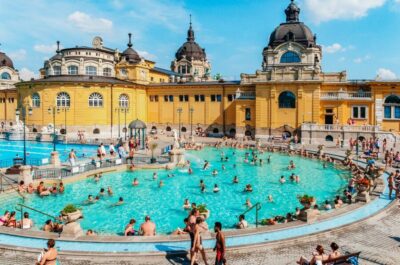
Széchenyi Spa Day Ticket with Optional Upgrades
Read our review →

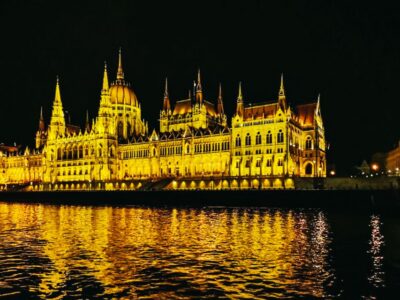
By Night Sightseeing Cruise with Welcome Drink
Read our review →
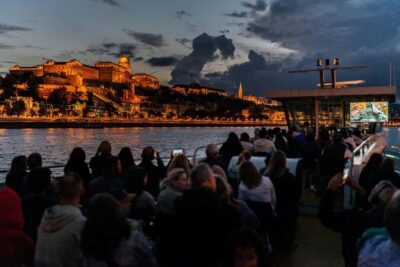

Budapest Danube Cruise and Dinner Options, Live Music and Dance
Read our review →