
Reviewed · WINE TOURS
Budapest: Essentials of Hungarian Wine Tasting Class
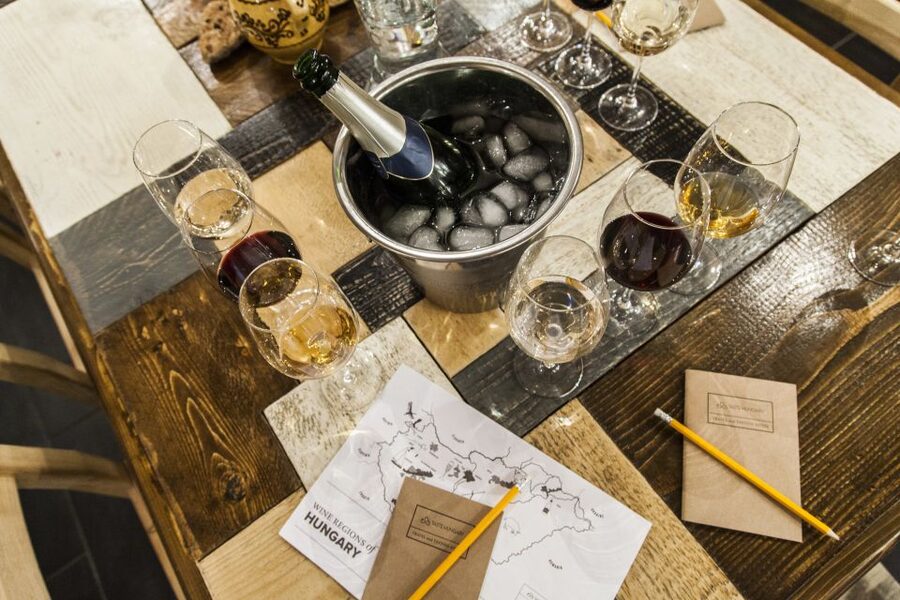
Hungarian wine suddenly makes sense here. You get a 2-hour sommelier-led tasting of 8 Hungarian wines with local bites, told in a clear story from aperitif to sweet Tokaj aszú. I especially like the hands-on format with tasting sheets and a region map, plus the way the food pairings help you taste differences fast. The one thing to consider is that the session is structured and talk-forward, so if you want a quiet, self-guided tasting, this may feel a bit busy.
This is also a very practical Budapest activity. The tasting room is near the National Museum, and it is an easy walk from Astoria (M2) and Kálvin tér (M3), with trams 47 and 49 also stopping nearby.
At $65 per person for 2 hours, it is a solid value if you want a guided intro to Hungarian wine regions, styles, and grapes without getting lost in wine jargon. You need to be 18+ to drink in Hungary, and the class runs most evenings from 6:00 PM to 8:00 PM.
In This Review
- Key Takeaways
- Where You Taste in Budapest, and Why the Room Feels Right
- The 2-Hour Format: Aperitif, Whites and Reds, Then Tokaj Aszú
- How the Sommelier Turns Hungary Into a Story You Can Remember
- The Wine List: What the 8 Tastings Are Doing for You
- Hungarian Food Pairings That Actually Improve the Pour
- Price and Value: Does $65 Make Sense Here?
- Who This Budapest Wine Class Suits Best
- Should You Book This Hungarian Wine Tasting Class?
- FAQ
- How long is the Budapest Hungarian wine tasting class?
- How many wines do you taste?
- Where is the meeting point?
- Is the tasting led in English?
- What is the legal drinking age in Hungary for this class?
- What is the cancellation and payment policy?
Key Takeaways
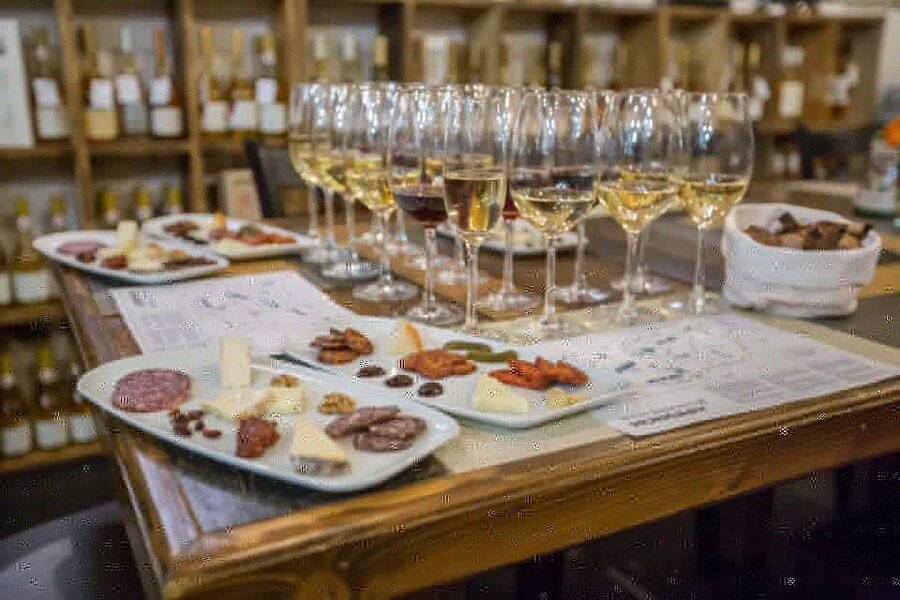
- Eight-wine progression from aperitif through whites and reds, ending with sweet botrytised Tokaj aszú
- Sommelier-led crash course that links history, regions, varietals, and styles into one storyline
- Local Hungarian food pairings that make the tasting easier to understand and more enjoyable
- Tasting sheets and a region map so you can take notes and remember what you liked
- Central meeting point near the National Museum, reachable from multiple transit lines
- Small-group feel that often includes time to meet other people during the pacing breaks
Where You Taste in Budapest, and Why the Room Feels Right
You meet at The Tasting Table Budapest, Bródy Sándor utca 9, District VIII. The location is just 150 meters from the National Museum, and it is about a 5-minute walk from Astoria and Kálvin tér. If you are using public transit, trams 47 and 49 also stop near those hubs, which makes it easy to plug this into a day of sightseeing.
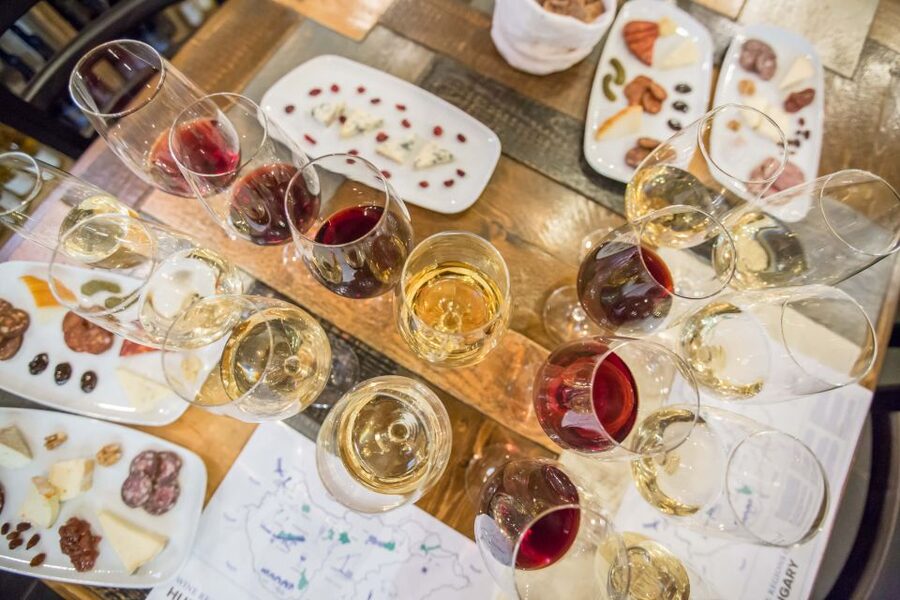
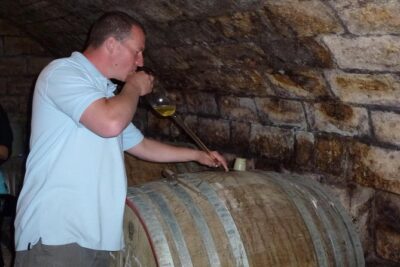
The room is a shop-style tasting space, and it has the kind of charm that makes an evening activity feel special without turning it into a staged performance. One of the nicest details is that the setting can feel like an actual wine cellar experience, not a generic tasting bar, which helps you settle in and focus on the wine and the food pairings.
Practical tip: plan to arrive a few minutes early. With a tasting this structured, you want your mind switched on when the first pour lands.
The 2-Hour Format: Aperitif, Whites and Reds, Then Tokaj Aszú
This is a 2-hour class built like a guided tasting journey. You start with an aperitif, then move through a sequence of whites and reds. The flow is designed to be understandable even if Hungarian wine is brand-new to you.
What you can count on is the finale. The session ends with a sweet botrytised Tokaj aszú, which is one of the most distinctive styles associated with Hungary. If you only remember one thing from the evening, it should be how Tokaj aszú finishes the story, because it gives you a strong contrast to the earlier, drier wines.
A typical session design looks like this:
- First pour as an aperitif, setting the stage
- A run of whites, where you learn how Hungarian flavor profiles can show up differently by region
- A run of reds, where structure, fruit, and acidity start to make more sense as a pattern
- A concluding sweet Tokaj aszú tasting, where richness and complexity get the last word
Even though the class is time-boxed, it is not rushed in a frantic way. You are tasting in a rhythm that lets you breathe between wines, and the food pairings help reset your palate so the next pour stays interesting.
One consideration: if you are sensitive to pacing or dislike frequent explanations, keep in mind that the sommelier talks through what you are tasting. That is part of the value here, but it also means the evening is more guided than casual.
More paprika-forward plates:
- Budapest: Unlimited Prosecco, Beer and Aperol Spritz Cruise
★ 4.8 · 37,304 reviews - Budapest: Unlimited Prosecco, Beer & Aperol Spritz Cruise
★ 4.5 · 3,371 reviews - Budapest Food Walking Tour: Eat, Sip & Explore Like a Local
★ 4.8 · 1,027 reviews
How the Sommelier Turns Hungary Into a Story You Can Remember
The heart of this experience is the “why” behind what you sip. Over 2 hours, the sommelier distills Hungarian wine into a format you can actually hold in your head: history, major wine regions, important varietals, and how soil and climate influence taste.
That structure matters because Hungary can feel confusing at first. If you walk into a wine shop and see bottles with unfamiliar names, it is easy to buy blind and hope. This class gives you language to compare styles without needing a wine degree.
You also learn that Hungary is not just one flavor. The differences between regions show up in the glass. And because you taste multiple wines side-by-side within the same evening, you start noticing patterns faster than you would by reading alone.
Host style is a big part of why people leave happy. English-speaking sommeliers for these sessions have ranged in personality, but the best common thread is that they connect history to what you are tasting. Names you may encounter include Somali, Sam, Tomas, Thomas, Nikki, Carlos, John, Christian, and Sebastian. Each brings their own delivery, but the goal stays the same: make Hungarian wine feel approachable and make you confident ordering the next bottle.
If you want to get the most out of the crash course, do this while you taste:
- Pay attention to what the sommelier says about region character right before each pour
- Take notes on what you like, not on every fact
- When you find a style you enjoy, listen for the phrase that links it to a region
The Wine List: What the 8 Tastings Are Doing for You
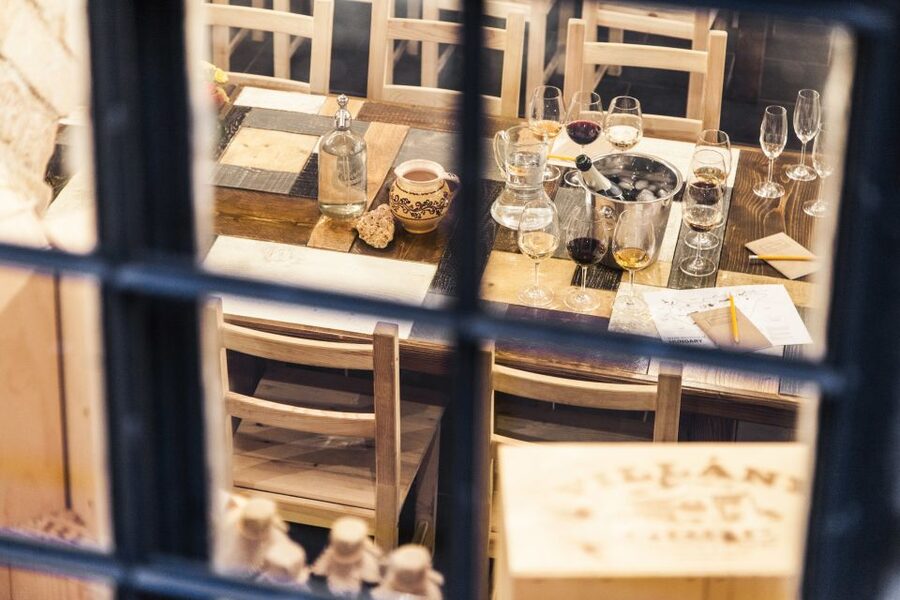
The class includes 8 Hungarian wines. Every wine is there for a reason, and the sequence is built to give you a rounded picture of styles, not just a flight of random bottles.
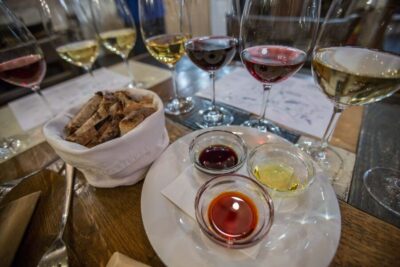
You are also not tasting in a vacuum. You get mineral water and food pairings alongside the wines, which helps you stay sharp and makes it easier to judge each wine on its own.
Two practical strengths of the tasting lineup:
- You experience a range of styles in one sitting, which compresses your learning curve.
- Many pours are designed to help you compare, so the differences between whites, reds, and the sweet finale register clearly.
If you like the idea of tasting more than one region in a single evening, this format fits. It is especially helpful if you plan to visit wineries later, because you will show up with at least a starter map in your head.
Heads up on glasses: one useful suggestion that came up is that switching glasses between whites and reds could make the experience feel even cleaner. If you are picky about wine glass taste carryover, know that the session is optimized for pacing and learning, not for a laboratory-level tasting protocol.
Hungarian Food Pairings That Actually Improve the Pour
Wine is easier when food does its job. This class includes food pairings made with local Hungarian flavors, and the boards can be a big part of the evening value.
Common pairing elements you might see include cheese and charcuterie, plus bites that help you keep tasting through multiple pours. Some sessions include details like crispy bread and pumpkin seed oil, alongside cheeses and meats that complement the wines.
The practical benefit of this pairing approach is that it changes how you experience acidity, tannin, and sweetness. For example:
- Salty or fatty bites can soften rough edges in drier reds
- Bread and cheese help you track texture and acidity in whites
- The Tokaj aszú finish makes a stronger impression because you are ending with contrast
The boards can be generous enough that many people treat the tasting as a dinner plan. If you like the idea of an evening that does not require a separate restaurant reservation right after, this is one of the reasons it works so well.
One consideration: if you are the kind of eater who wants lots of small snacks throughout, you might wish the food portion was even more substantial between pours. Still, the overall approach is to pair, not to just add a token bite.
More Hungarian wine poured by the glass:
- Countryside Half-day Gastro-Wine Tour from Budapest Meal & pickup★ 5.0 · 1,450 reviews
- Budapest Centre Food Tour with 10+ Tastings, Wine & Street Food★ 5.0 · 810 reviews
- From Budapest: Half-Day Countryside Wine Tour with Meal★ 4.8 · 657 reviews
Price and Value: Does $65 Make Sense Here?
For $65 per person, you are buying more than eight pours. You are paying for:
- A sommelier-led guided format that explains regions, styles, and varietals
- 8 wines plus mineral water
- Local Hungarian food pairings
- Tasting sheets with a map of Hungarian wine regions
So the value is not just volume. It is the learning and the structure. You get a guided intro that saves time, because you do not have to figure out what to order in a shop on your own.
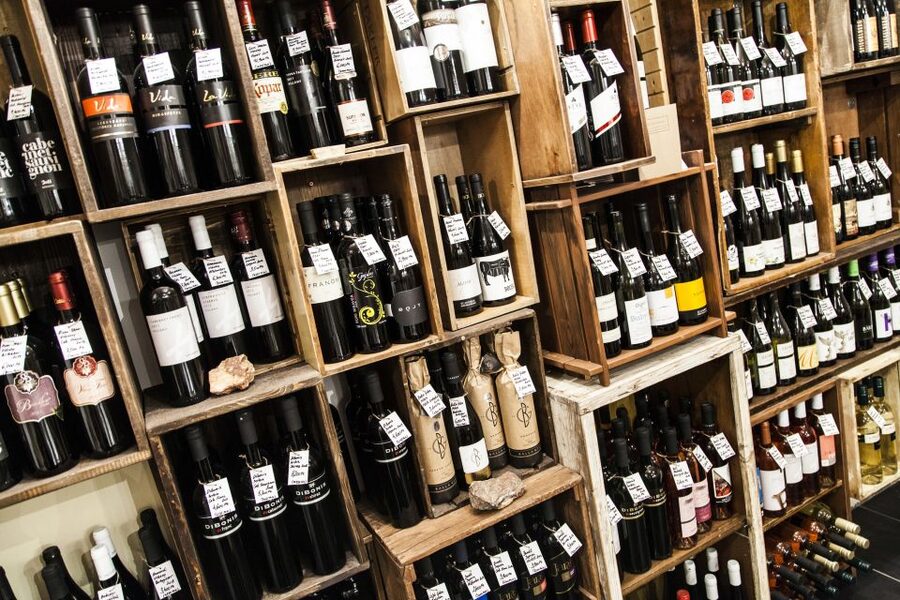
There is also a practical money connection after the tasting. The wine is sourced directly from producers, and there can be an incentive to purchase bottles you tasted. If you want to bring home bottles, this is often the smoothest way to do it because you leave with a short list of wines you already understand.
Balance note: if you already know Hungarian wine well and you want something ultra-technical, you might feel the pace is aimed at beginners. But for most people, it hits the sweet spot between fun and educational.
Also, expect you will drink. With generous pours reported in past sessions, plan your evening accordingly. If you have a big dinner plan afterward, keep it light, and use transit rather than driving.
Who This Budapest Wine Class Suits Best
This experience is a great fit for you if:
- You want a beginner-friendly crash course in Hungarian wine regions and styles
- You like learning through tasting, not through a slideshow
- You want an evening activity in central Budapest that includes food
- You enjoy meeting new people during structured group pacing breaks
It also works well for solo visitors. The session format is designed so you are not stuck watching from the sidelines. You can chat during breaks, then get back to the wines when the next pour starts.
Where it may not be ideal:
- If you hate guided talking and prefer silence with a wine menu
- If you are extremely picky about glass protocols and want a strict wine service method
- If you are only looking for a quick casual drink, because this is built to teach as you taste
Should You Book This Hungarian Wine Tasting Class?
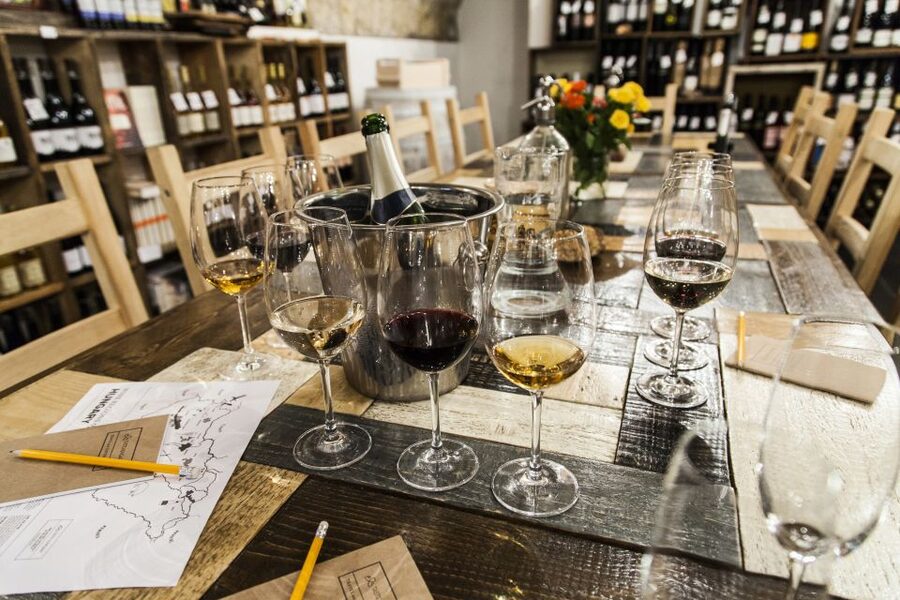
Book it if you want your first serious taste of Hungary without the guessing game. The 8-wine structure, the sommelier explanations, the food pairings, and the tasting sheets with a region map all combine into an evening that feels both social and useful. You leave with more than memories, you leave with a framework for choosing Hungarian wine afterward.
If you already have deep knowledge of Hungarian varietals and regions, you might find the pace basic. But even then, the Tokaj aszú finish is worth experiencing, because it anchors the whole story and gives you a clear reference point for comparison.
FAQ
How long is the Budapest Hungarian wine tasting class?
The class lasts 2 hours.
How many wines do you taste?
You taste 8 Hungarian wines during the session.
Where is the meeting point?
You meet at The Tasting Table Budapest, Bródy Sándor utca 9, 1088 Budapest (District VIII), about 150 meters from the National Museum.
Is the tasting led in English?
Yes, the host or greeter provides the experience in English.
What is the legal drinking age in Hungary for this class?
The legal drinking age is 18 in Hungary, so participants must be 18 and above.
What is the cancellation and payment policy?
You can cancel up to 24 hours in advance for a full refund, and you can reserve now and pay later.
More Workshops in Budapest
- Budapest: Hungarian Chimney Cake Workshop in the City Center★ 4.7 · 1,263 reviews
- Budapest Cooking Class & Market Tour with Local Guide & Wines★ 5.0 · 553 reviews
- Budapest: Traditional Chimney Cake (Kürtőskalács) Workshop★ 4.8 · 323 reviews
- Chimney Cake Workshop Budapest Downtown – Kürtőskalács Class★ 5.0 · 220 reviews
The newest crossings added in Budapest





Wine Tours, compared.
Countryside Half-day Gastro-Wine Tour from Budapest Meal & pickup
Read our review →Budapest Centre Food Tour with 10+ Tastings, Wine & Street Food
Read our review →
Budapest Cooking Class & Market Tour with Local Guide & Wines
Read our review →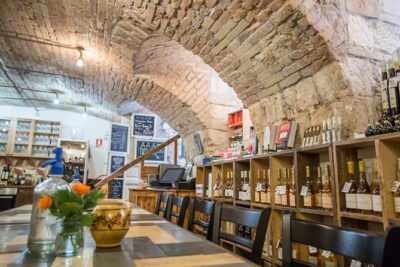
Hungarian Wine Tasting (with Cheese and Charcuterie) in Budapest
Read our review →
Budapest Food Tour: Market to Tavern with 14+ Tasters & Wines
Read our review →
Browse the lists this tour appears in