
Reviewed · 3-HOUR EXPERIENCES
Art Nouveau Tour in Budapest: 3-Hour Private Tour
Budapest’s facades feel like a time machine. This 3-hour private walk through the late-1890s and early-1900s heyday of Pest brings Art Nouveau to life, with a guide who explains not just what you see, but why it was built that way. I especially like how the tour connects architectural details to real Hungarian ideas, including Secession (szecesszió) and folk motifs.
You’ll also get a street-level education that’s easy to follow, with notebooks and printed material to help you remember names and design themes as you go. One thing to consider: it’s a walking-focused experience, and it isn’t suitable for people with mobility impairments, so wear truly comfortable shoes.
In This Review
- Key things you’ll like about this Art Nouveau tour
- Budapest Art Nouveau is really about identity, not just decoration
- Secession, szecesszió, and the Hungarian twist on Art Nouveau
- Why Budapest has no skyscrapers, and what that implies
- Bee hives, façades, and the symbolism you might miss at first glance
- A 3-hour private route that moves at human speed
- What you’ll do during the first part
- The middle stretch is where the buildings become a story
- The final segment ties details to big-picture understanding
- What’s included, and why the small extras help
- Guide quality is the difference between seeing and understanding
- Price and value: $127 per person for a private architecture lesson
- Who this tour fits best (and who it won’t)
- FAQ
- What is the duration of the Art Nouveau tour in Budapest?
- Is this a private tour?
- Where does pickup happen?
- What languages are available for the live guide?
- What does the price include?
- Is food or transportation included?
- What should I bring?
- Should you book this Art Nouveau tour?
Key things you’ll like about this Art Nouveau tour
- Private, question-friendly pacing that lets you steer the conversation as you learn
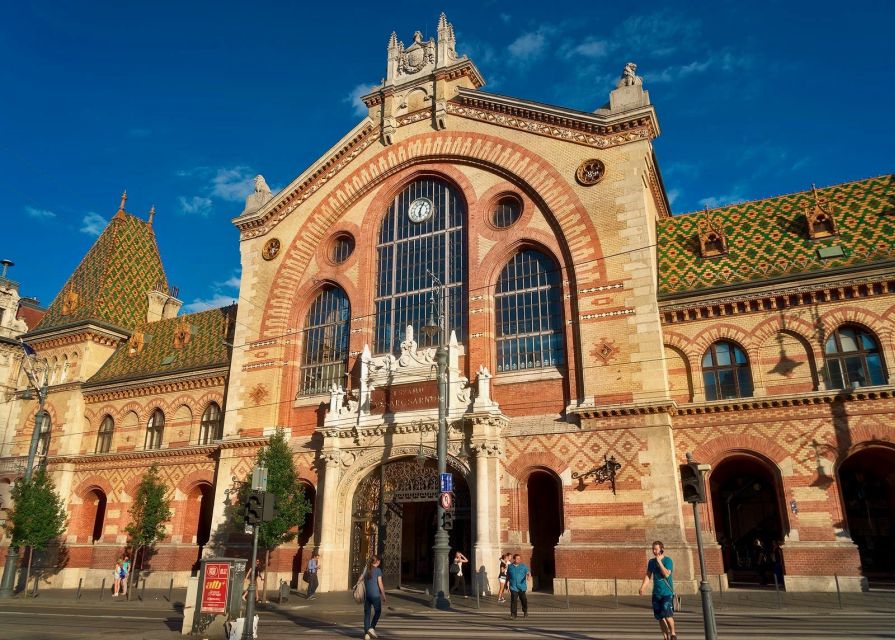
- Secession (szecesszió) explained in plain language, with what it means for Budapest’s look
- Folk motifs in façade design, so decorative details make sense instead of feeling random
- Symbol decoding, including the beehive symbol on public buildings
- Architecture stories tied to Pest’s boom, not just dates and names
- On-time pickup from your accommodation, with the guide meeting you first and setting the route
Budapest Art Nouveau is really about identity, not just decoration
When you walk through Budapest, it’s tempting to treat buildings like scenery. This tour nudges you to look closer, because Art Nouveau in Budapest is less about fancy flourishes and more about a city searching for its own voice. In the late 19th and early 20th centuries, Pest’s growth helped create an atmosphere where designers could push back against older styles and invent something that felt modern, local, and unmistakably Hungarian.
What I love most is how quickly the tour turns pretty façades into meaningful clues. You’re not just looking at ornament. You’re learning how the era tried to shape everyday life, from front-door streetscapes to major public buildings. And since it’s a private group, you can ask the practical questions that matter while you’re still standing in front of the detail.
Secession, szecesszió, and the Hungarian twist on Art Nouveau
You’ll hear why Art Nouveau is called Secession (szecesszió) in Hungarian, and that single word helps everything click. The term points to a break, a willingness to step away from what came before. In Budapest, that break wasn’t abstract. It shows up in facades that turn buildings into visual statements.
The guide also connects the designs to Hungarian folk motifs. That matters because it explains why some Art Nouveau elements feel both stylized and recognizable. Instead of copying a foreign look, local designers folded Hungarian patterns and folk-inspired ideas into architectural forms. Once you know to watch for those references, you’ll start spotting them with your own eyes rather than relying on a checklist.
Still to cross in Budapest
- Budapest: City Highlights Sightseeing Cruise
★ 4.6 · 43,981 reviews - Budapest: Unlimited Prosecco, Beer and Aperol Spritz Cruise
★ 4.8 · 37,304 reviews - Budapest: Széchenyi Spa Day Ticket with Optional Upgrades
★ 4.3 · 23,911 reviews
Why Budapest has no skyscrapers, and what that implies
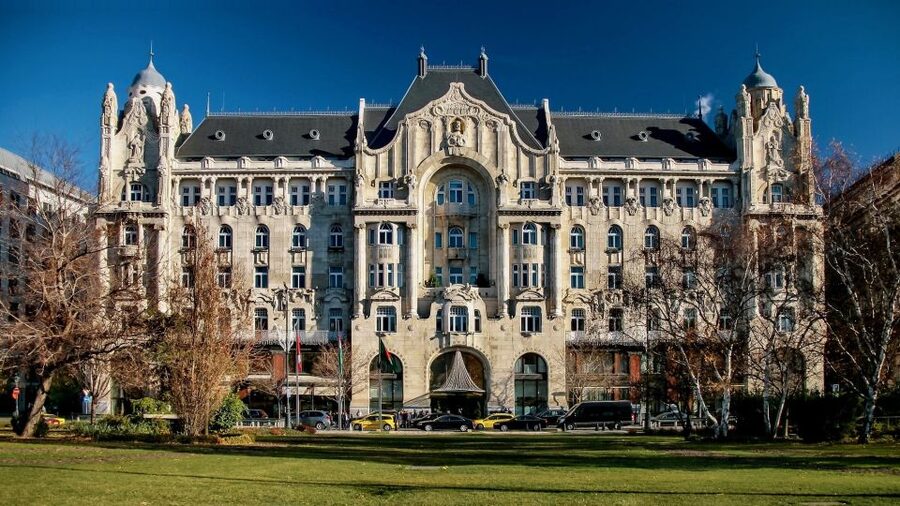
One of the tour’s most memorable explanations is practical: you’ll learn why there are no skyscrapers in Budapest. That’s not just a fun fact. It’s a clue to how the city developed, what kind of building ambitions were realistic, and how the skyline shaped public taste.
When you hear this, you start seeing the city differently. Budapest’s architectural personality is built from its eras, and the Secession period fits into a larger story of growth, politics, and urban planning. Instead of asking why Budapest lacks something you might expect, you start asking why it emphasizes what it has, like expressive street-facing architecture.
Bee hives, façades, and the symbolism you might miss at first glance
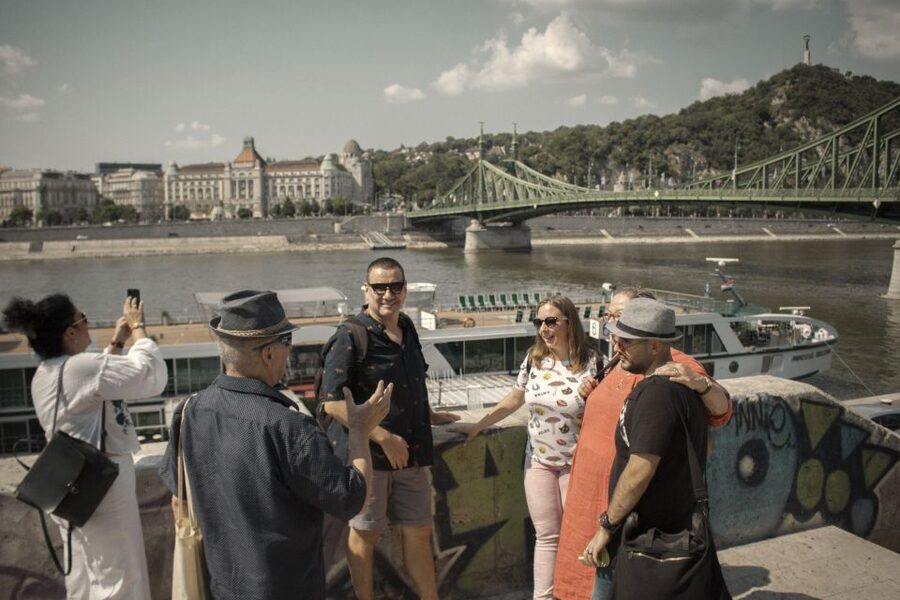
Art Nouveau can look like it’s all line and leaf at a distance. Up close, it’s full of symbols and coded choices. On this tour, you’ll hear about beehives and what they represent on Budapest’s public buildings.
Symbols are where architecture stops being purely aesthetic and turns into social meaning. A beehive can suggest industry, community, order, and labor, and the fact that it appears on public buildings tells you something about how the city wanted to project itself. You won’t have to guess. The guide gives you the story behind the motif, then you can look again with fresh eyes.
The tour also includes tales about the architects behind these buildings. That’s valuable because architectural styles become much easier to remember when you understand the people and the pressures shaping their work. You start to notice patterns across different facades, rather than treating each one like a random masterpiece.
A 3-hour private route that moves at human speed
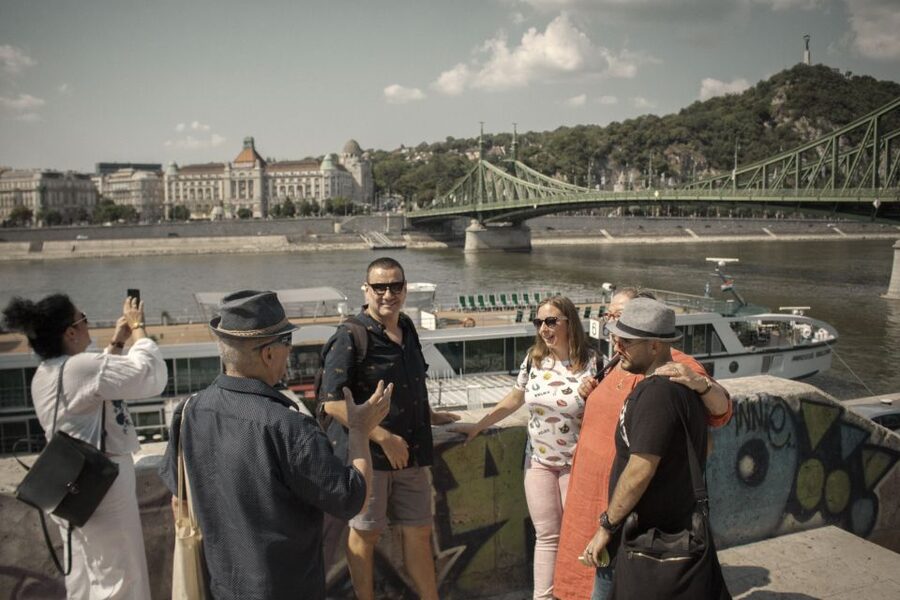
This is a true private group tour, so the timing and pacing work best for conversation and careful looking, not speed-walking through photo stops. The tour lasts 3 hours, which is long enough to explain design themes, yet short enough that you won’t feel trapped on a rigid circuit.
Pickup is included. The guide meets you at your accommodation in Budapest, then you head to the first stop together. You do need to inform the local partner where you want to be picked up, so do that early and double-check the address.
Back across the water in Budapest:
- Budapest: Nighttime or Daytime Sightseeing Cruise★ 4.2 · 21,062 reviews
- Budapest: By Night Sightseeing Cruise with Welcome Drink★ 4.3 · 15,533 reviews
- Budapest: St. Stephen’s Basilica Entry with Options★ 4.6 · 12,322 reviews
What you’ll do during the first part
Expect the tour to start with context, likely right away. The guide sets the stage for Pest in the late 1890s and early 20th century, then teaches you how to read the decorative fronts you’ll see next. This is where you learn why late-19th-century building façades could be so decorated and how to spot the kinds of elements that belong to Art Nouveau.
This early orientation is what keeps the rest of the walk from turning into random sightseeing. Once you understand what to look for, the street turns into a lesson you can actually follow.
The middle stretch is where the buildings become a story
In the main walking portion, you focus on Art Nouveau façades and what makes them feel different from earlier styles. You’ll learn how Hungarian folk motifs were built into the designs, and you’ll hear the why behind the look.
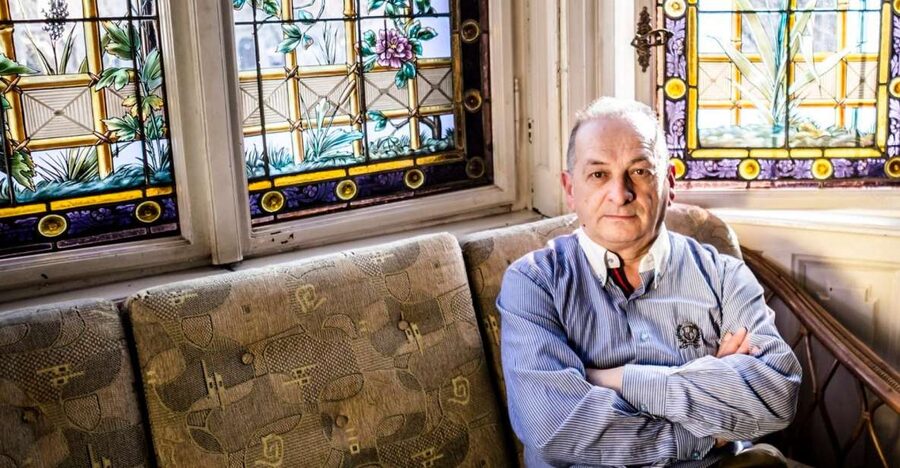
This is also where a private setup helps. If something catches your attention, you can stop and ask. One guide who leads this tour, Miklos, is known for welcoming individual questions and answering them in a way that connects architecture to everyday Hungarian life. That kind of flexibility is a big deal, because you’re not stuck with a scripted explanation that ignores what you care about.
The final segment ties details to big-picture understanding
By the end, the tour usually shifts to interpretation. You’ll connect symbolism (like the beehives), the Secession break, and the no-skyscraper reality into a wider understanding of Budapest’s identity during that era.
The result is that you leave with more than photos. You leave with a framework for looking at the city.
What’s included, and why the small extras help
This tour includes notebooks, pens, and printed material. That sounds small, but it’s useful in real life. Architectural details can blur together fast, especially when you’re walking and translating visual patterns. Having something to write down names, motifs, or guide notes helps you remember later, when you’re back at your hotel deciding what to visit next.
What’s not included is food and drink. You’ll want to plan around that, either by eating before you meet your guide or grabbing something afterward. Since there’s no transportation included, you’re walking within the city as guided, so comfortable clothes and shoes are a must.
Guide quality is the difference between seeing and understanding
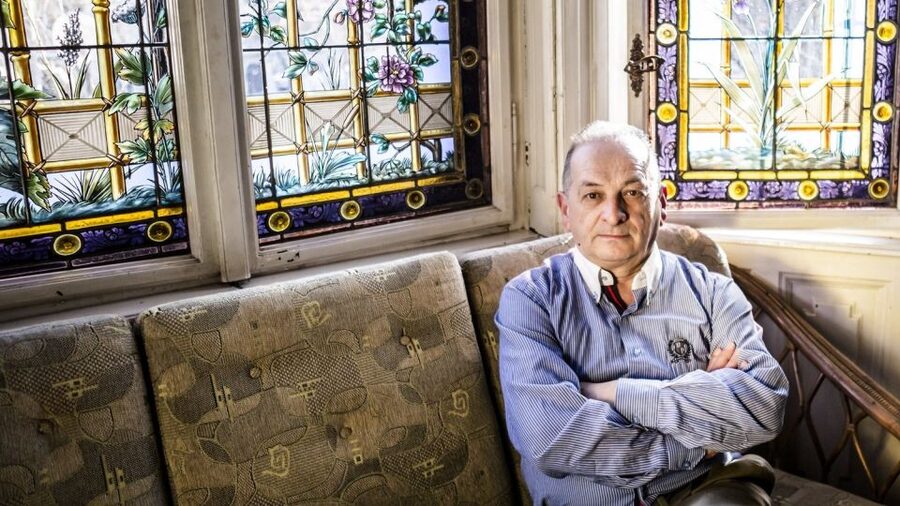
The strongest praise for this tour centers on the guide experience. Miklos is repeatedly mentioned for being pleasant, friendly, and easy to learn from, and for having the kind of focus that makes you feel like the time passes quickly. People also appreciate that he doesn’t treat architecture as a lecture-only topic. He’s known for answering broader questions about the country and the people, while still keeping the tour on the architectural theme.
There’s another practical benefit in how guides for this tour are described: you’ll get help with the city’s underground and tram system along the way. Even if the tour isn’t a full transit tutorial, that kind of guidance can help you move around Budapest confidently after the walk.
Price and value: $127 per person for a private architecture lesson
$127 per person for a 3-hour private tour isn’t cheap, so value depends on what you want. If you’re the type who enjoys architecture but gets frustrated by generic tours, this one can feel like a bargain. You’re paying for a guide to interpret façades, explain symbolism, and connect the dots between Secession design, Hungarian motifs, and Budapest’s urban story.
The biggest value lever is private access. Instead of waiting your turn for questions, you can ask as you see details. You also get pickup from your accommodation, plus the included materials that make the learning stick.
If you prefer to browse on your own with a book, you could skip the guide and still enjoy buildings. But if you want the difference between looking and understanding, $127 can feel fair for what you get in 3 hours.
Who this tour fits best (and who it won’t)
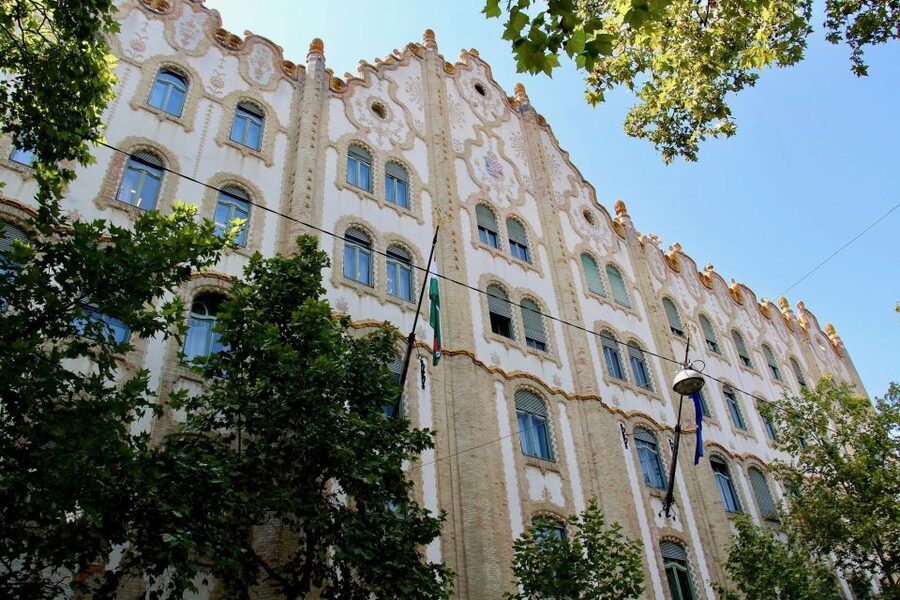
This is a great fit if you enjoy architecture, enjoy history, or simply want Budapest to feel more personal through the stories behind what you see. It’s also ideal if you like tours that explain context, not just facts.
You’ll be happiest if you’re comfortable walking for a few hours on city streets. It’s not suitable for people with mobility impairments, so if you need step-free access or a low-mobility plan, you’ll want to choose something else.
Language-wise, the live guide is available in English, German, and Albanian. If you know you’ll want one of those languages, you’re set.
FAQ
What is the duration of the Art Nouveau tour in Budapest?
The tour lasts 3 hours.
Is this a private tour?
Yes, it’s a private group.
Where does pickup happen?
Pickup is included, and the guide meets you at your accommodation in Budapest. You should inform the local partner where you want to be picked up.
What languages are available for the live guide?
The live guide is available in English, German, and Albanian.
What does the price include?
The tour includes notebooks, pens, and printed material.
Is food or transportation included?
No. Food and drink are not included, and transportation is not included.
What should I bring?
Bring comfortable shoes and comfortable clothes.
Should you book this Art Nouveau tour?
Book it if you want a focused, private walk where the decorative buildings actually make sense, with clear explanations of Secession (szecesszió), Hungarian folk motifs, and symbolic details like the beehive. It’s also a smart choice if you appreciate a guide who answers questions and helps you understand Hungary, not just the façade surface.
Skip it if mobility is an issue for you, or if you prefer to explore independently without a guide interpreting what you’re seeing. And if you do book, be strict about your pickup location details ahead of time, because this kind of tour runs on smooth coordination, especially when the cost is higher than a standard group ticket.
The newest crossings added in Budapest






3-Hour Experiences, compared.
3-Hour Orientation Walking Tour of Buda and Pest
Read our review →

3 Hours Budapest Segway Grand City Tour Buda, Margaret and Pest
Read our review →
3-hour City Tour with Castle Walk + 1-hour Cruise
Read our review →
3-Hour Live-guided Bus Tour and 1-hour River Cruise
Read our review →
Browse the lists this tour appears in